
Vilis Lācis
Writing
Known For

Tragedy of the Zitars family based on the novel by Vilis Lacis.
Zītaru dzimta
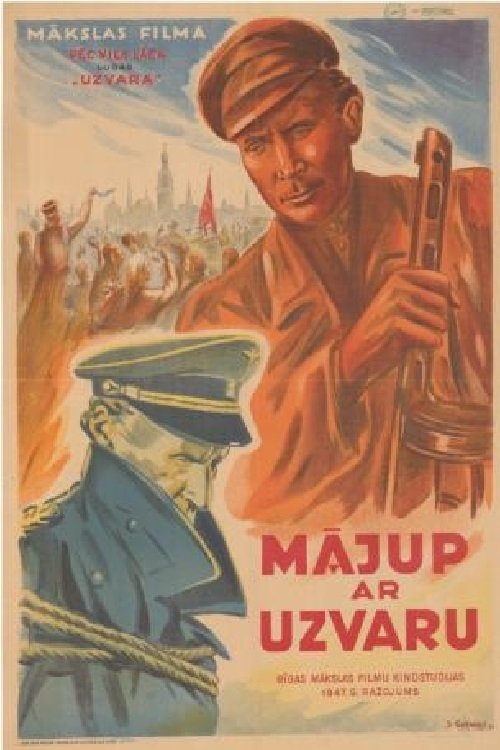
No description available.
Mājup ar uzvaru
The epic film is based on the motifs of Vilis Lācis' novel "The Zītari Family". The tragedy of the Zītari family is a model of Latvian national history. With the beginning of World War I, the patriarchal way of life of Captain Andrejs and his wife Alvīne, their children Kārlis, Ings, Ernests, Elza and Janka changes, with years spent at work and in rare, modest celebrations. Kārlis voluntarily goes to the front, Ingus disappears without a trace on long sea voyages. Not wanting to live in the territory occupied by the German army, the Zītari evacuate to the distant Altai region. The unusually difficult living conditions and the drastically changing political situation of the post-revolutionary period also affect each member of the Zītari family. When the opportunity arises to return to Latvia, Andrejs and Alvīne are no longer among the living. The old sailor's nest has collapsed and the young Zītari are no longer able to preserve their father's house - all the property is stolen.
The Zitar Family
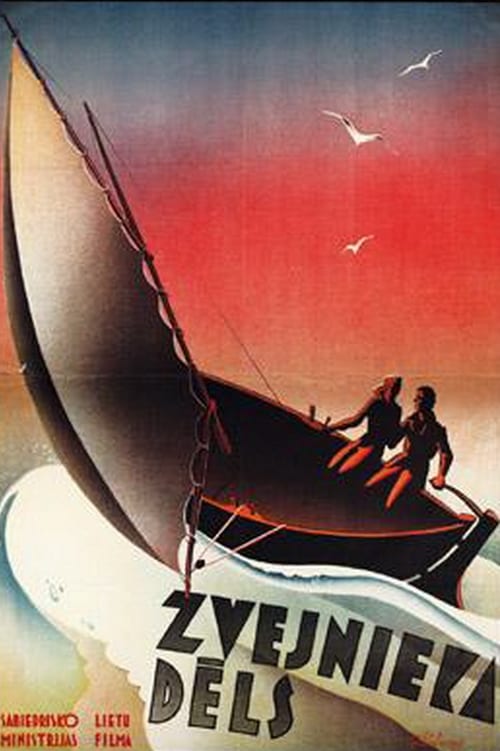
Oskars lives in a typical sea-side village, but wants to break free of his father’s rule and the old ways – he dreams of new, large nets, an ice-cellar, and the fishermen’s independence from the fish wholesaler. At first, no one wants to believe in Oskars’ plans, except for happy-go-lucky Fredis. With the help of Fredis, Oskars builds a new fish trap, gaining admiration from even the old fishermen.
The Fisherman's Son

After losing his job, Kārlis is forced into grueling work at a remote peat quarry—only to find himself caught between the Communist underground and the Latvian counterintelligence service, where every choice carries a moral cost.
Storm

Based on the popular novel of the same title by Vilis Lācis. Latvia, the 1930s. Roberts Līviņš, the son of a dockhand, becomes an architect by his own efforts, thanks to arduous work and talent. But in his relationship with Līvija, the daughter of the rich entrepreneur Ulpe, Roberts realizes that the high society might look down on his common origins as well as his sister Alise, a hairdresser, and her boyfriend Ēriks, an opportunist and former boxer.
Rocky Road
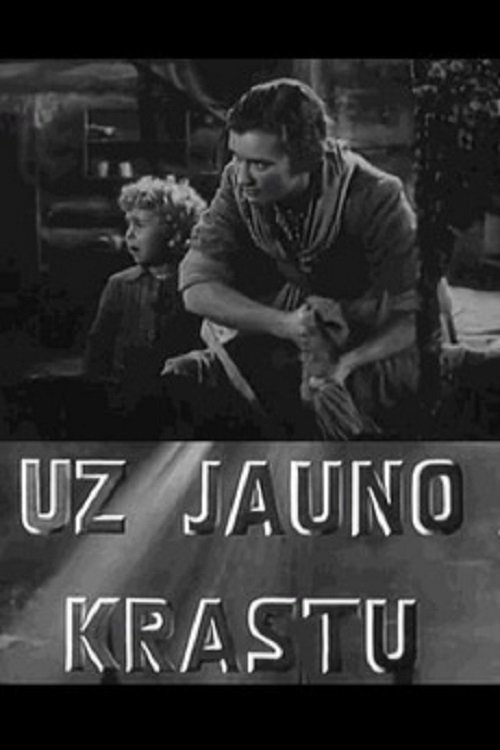
The dramatic fates of the Līdumu, Tauriņu, and Pacepļu families from the 1920s to the 1950s. The conflict between the Līdumu and Tauriņu dynasties as a class struggle, ending with the victory of the Līdumu family.
To a New Shore

The 1930s. Young fisherman Oskars Klava dreams of new nets to help him gain independence from the collector Garoza but he lacks the trust of old fishermen.
The Fisherman's Son
No description available.
Little Hawk
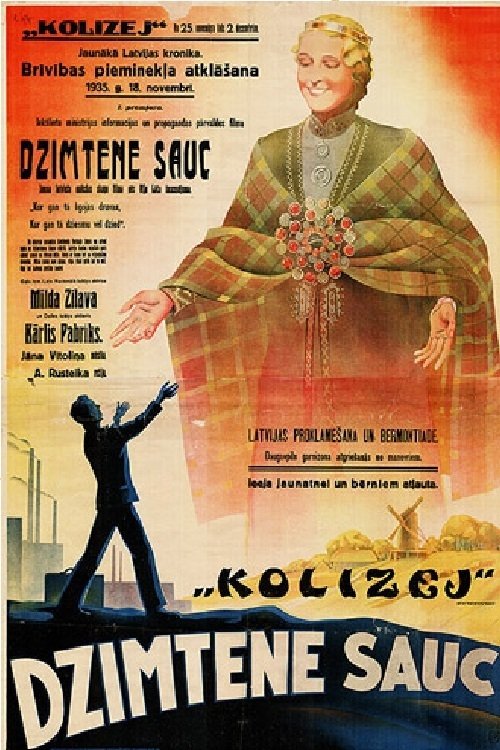
The film depicts, with a certain patriotic tone, a traditional-style wedding party of Dravnieku Velta and Varkaļu Jānis.