
Paul Strand
Directing
Biography
Paul Strand (October 16, 1890 – March 31, 1976) was an American photographer and filmmaker who, along with fellow modernist photographers like Alfred Stieglitz and Edward Weston, helped establish photography as an art form in the 20th century. His diverse body of work, spanning six decades, covers numerous genres and subjects throughout the Americas, Europe, and Africa. Description above from the Wikipedia article Paul Strand, licensed under CC-BY-SA, full list of contributors on Wikipedia
Known For
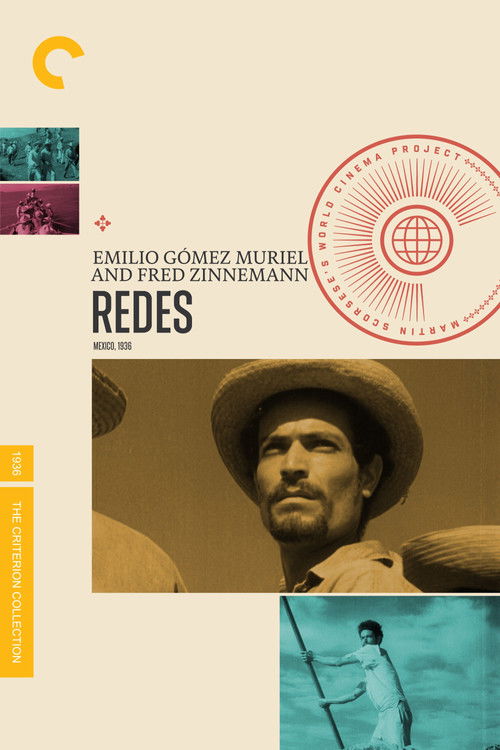
A Mexican fisherman, whose son has died because he could not afford necessary medical care out of his meagre wages, becomes aware of how badly exploited he and his many fellow fisherman are by the one greedy man for whom they work and the corrupt politician who makes the laws to benefit him.
Redes
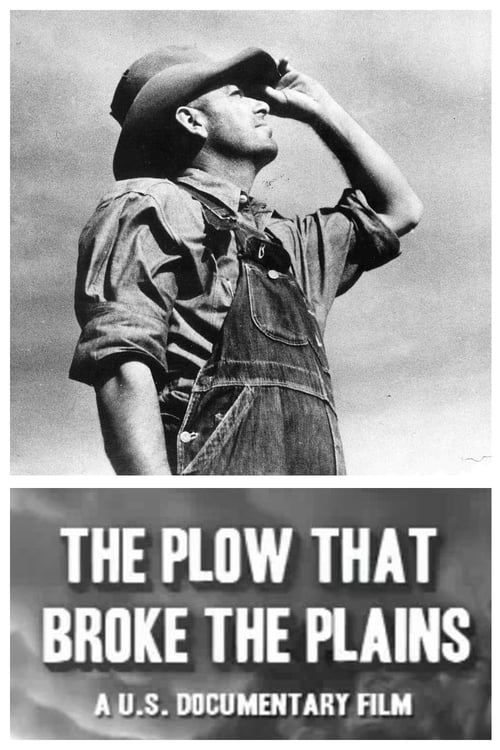
A documentary about what happened to the Great Plains of the United States and Canada when uncontrolled farming destroyed the soil and led to the Dust Bowl.
The Plow That Broke the Plains
By the start of World War II, Paul Robeson had given up his lucrative mainstream work to participate in more socially progressive film and stage productions. Robeson committed his support to Paul Strand and Leo Hurwitz’s political semidocumentary Native Land. With Robeson’s narration and songs, this beautifully shot and edited film exposes violations of Americans’ civil liberties and is a call to action for exploited workers around the country. Scarcely shown since its debut, Native Land represents Robeson’s shift from narrative cinema to the leftist documentaries that would define the final chapter of his controversial film career.
Native Land
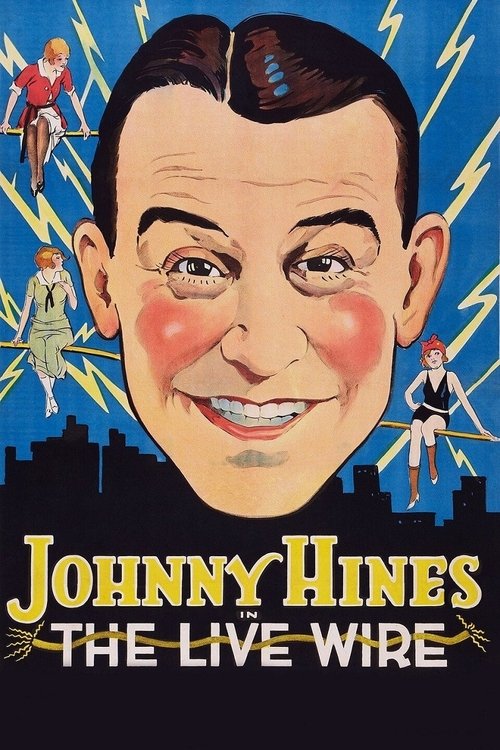
The Great Maranelli, a stunting circus clown, falls instantly in love when he sees Dorothy Langdon, who does not think too much of him and lets him know it. He is so smitten that his works suffers to the extent that he is soon just a hobo drifting along the open road. When he again encounters Dorothy, she gets him a job as a salesman with her father's light-and-power company, and proves to be a a real "live-wire" salesman. He is then put in charge of the lighting in an amusement park being built under Dorothy's supervision, and trouble comes many directions, guided by Dorothy's cad fiancée who wants to make the stock in the project worthless so he can buy it cheaply.
The Live Wire

The first production from Frontier Films, the film production collective that was the successor to NYKino and the Workers Film and Photo League, Heart of Spain focuses on the Spanish Civil War, a conflict that became a touchstone of its era and was the most forceful opposition to the rising threat of fascism in Europe. Heart of Spain was begun by Geza Karpathi and Herbert Kline, who ultimately turned their footage over to Paul Strand, Leo Hurwitz, and Ben Maddow to make the film. It is compelling both for its shrewd formal aesthetics and as a sympathetic human document of the war.
Heart of Spain

Morning reveals New York harbor, the wharves, the Brooklyn Bridge. A ferry boat docks, disgorging its huddled mass. People move briskly along Wall St. or stroll more languorously through a cemetery. Ranks of skyscrapers extrude columns of smoke and steam. In plain view. Or framed, as through a balustrade. A crane promotes the city's upward progress, as an ironworker balances on a high beam. A locomotive in a railway yard prepares to depart, while an arriving ocean liner jostles with attentive tugboats. Fading sunlight is reflected in the waters of the harbor. The imagery is interspersed with quotations from Walt Whitman, who is left unnamed.
Manhatta
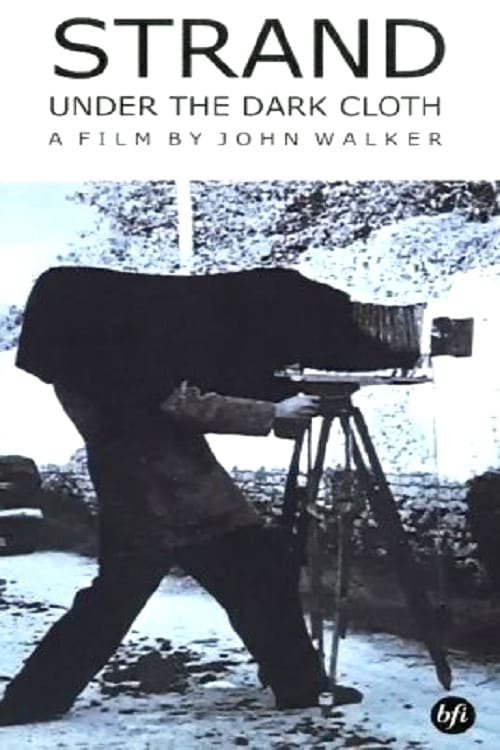
This documentary studies the life and artwork of photographer Paul Strand, using his own compelling photography as well as interviews with his friends, acquaintances and third wife. Documentarian John Walker explores the various influences Strand encountered throughout his life that helped him to develop as an artist. His personal life and relationships are examined and shed light on the inner working of this man who achieved great renown while hiding "under the dark cloth."