Acting
A village fella tries to make it big in the city.
This true story is made up of two episodes that show Operation Hydra. After the fall of the Uzice Republic and the success of the first enemy offensive, the British sent their mission and this series shows the events.
Tragic story of the brave woman Todora. Germans penetrated into the village. Villagers flee into the forest and a brave Todora rushes to the German tank and crosses the ball screen. Soldiers captured, and raped her. Her father Radul dispels the Germans, kills some of them and gets killed himself. Freedom arrives, Todora gives birth to son. Farmers despise the evaded, and her father intends to creates a memorial statue.
Social drama that explores issues of social justice in Yugoslav pre-war society. Marko, an honest, ordinary working man comes into conflict with the executive director in his company.
Jozo and Mujo are mobilized in the Austro-Hungarian Army. Reluctantly drawn into the war they make a bond of unbreakable friendship. To realize the plan to leave hated Army, Jozo are pretending to be deaf and dumb. But his firm determination comes into question when his friend's life comes into mortal peril.
A 1988 Serbo-Croatian language drama film directed by Milan Bilbija, starring Senad Bašić, Snježana Martinović and Stojan ‘Stole’ Aranđelović.
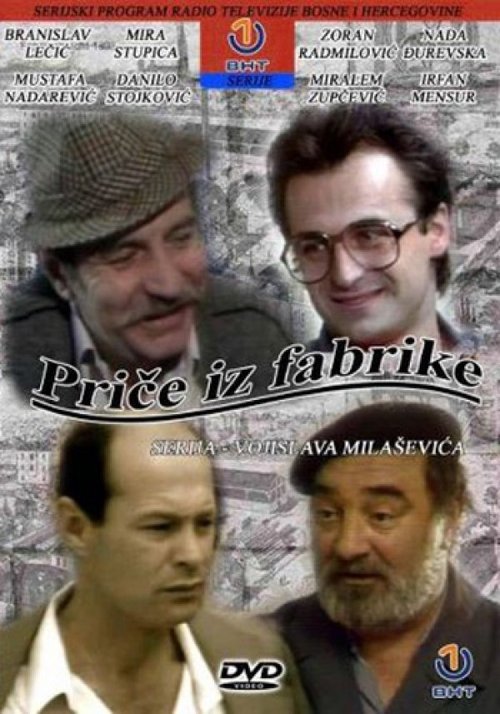
Works and private lives of 800 female employees in the textile factory named "Star".
A Bosnian TV war drama based on true events.
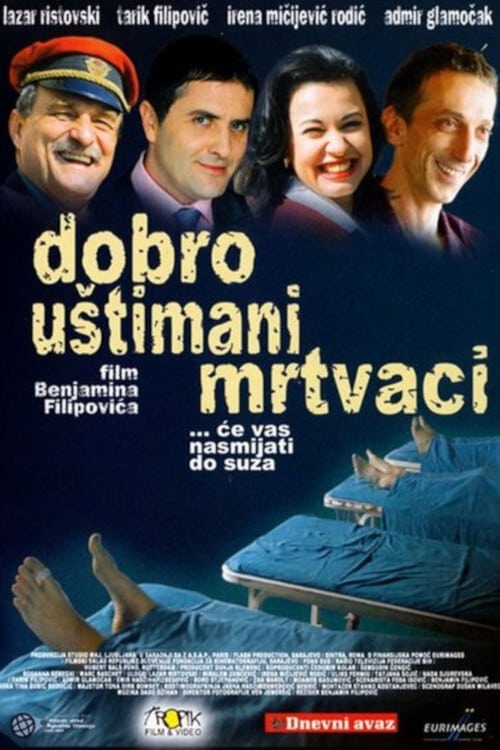
A couple of morticians entertain themselves by betting on how many cold customers will come in that day. But one of the corpses refuses to cooperate...
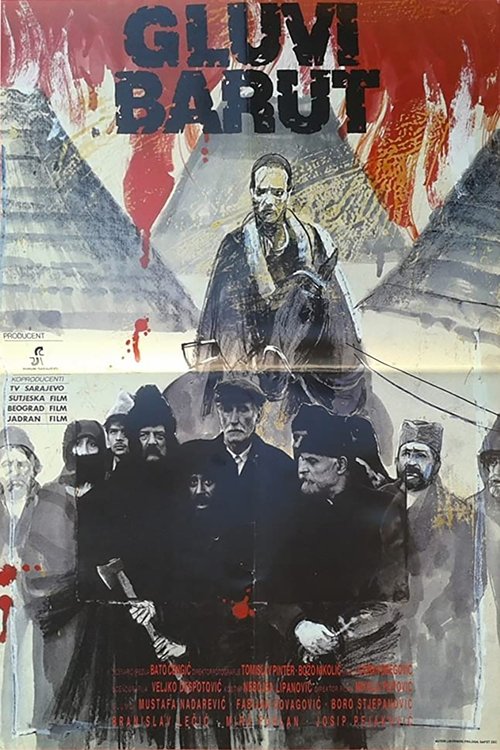
Silent Gunpowder (Serbo-Croatian: Gluvi barut) is a Yugoslavian war film Based on a novel by Branko Ćopić and set during World War II, the film tells the story of a Serbian village in the mountains of Bosnia and its villagers who found themselves divided along two opposing ideological lines, represented by the Chetniks and the Partisans. These two opposing sides are personified in the Partisan commander Španac and a former Royal Army officer Radekić. Španac sees Radekić as the cause of villagers' resistance to the new, Communist, ideology and so the main plot axis is the conflict between them. At the 1990 Pula Film Festival, the film won the Big Golden Arena for Best Film, as well as the awards for Best Actor in a Leading Role (Branislav Lečić), Best Film Score (Goran Bregović). The film was also shown at the 1991 Moscow International Film Festival, where both Branislav Lečić and Mustafa Nadarević won the Silver St. George Award for their performances.
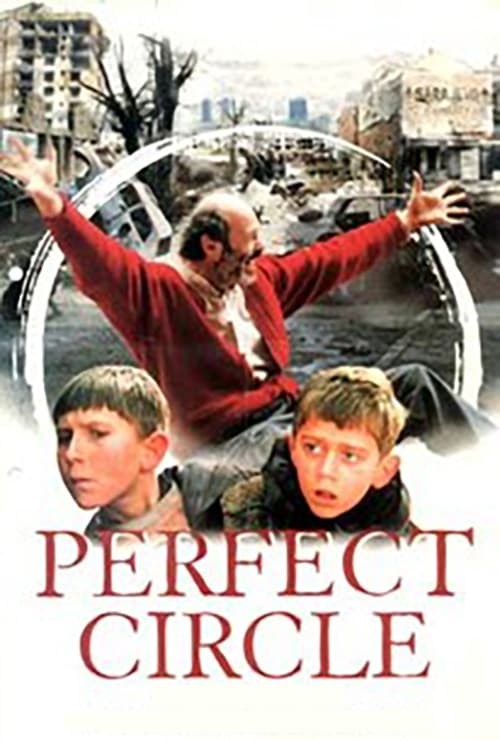
An alcoholic Bosnian poet sends his wife and daughter away from Sarajevo so they can avoid the troubles there. However, he is soon descended upon by a pair of orphaned brothers. The brothers have escaped a massacre in their own village and have come to the Bosnian capital in search of a long lost Aunt. The poet befriends the boys and together they try to survive the horror of the siege of Sarajevo.
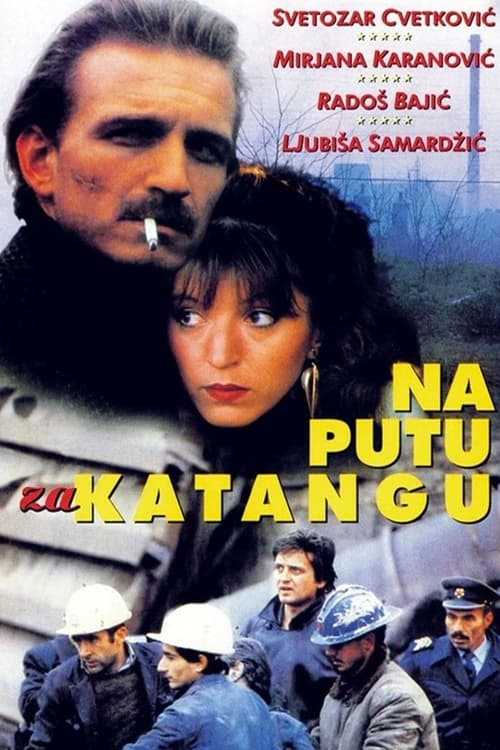
Obsessed by the dreams of a comfortable life, son of a coal miner comes back to his native country with plans to sell his father's house in order to travel to the African diamond mine in Katanga. Re-visiting of his hometown brings back his childhood trauma, and the nightmare of the old and new love, the events in and around the mine, all put his obsession with Katanga on test.
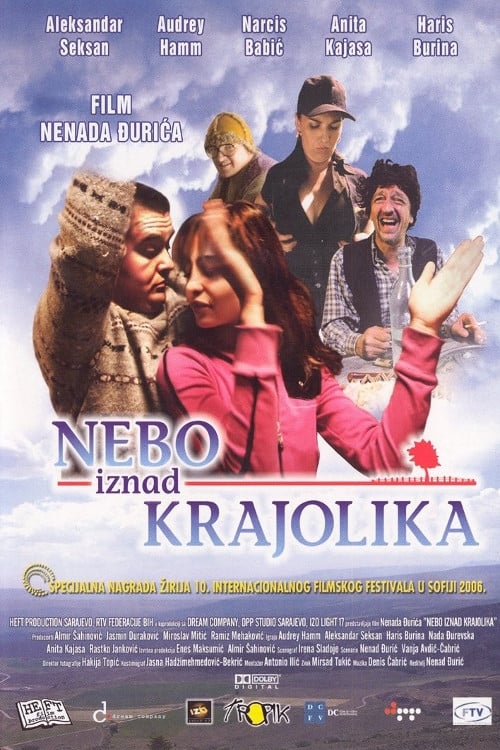
At the top of the rugged Bosnian mountain, young shepherd Mehmed patiently watches over his cows and lovingly carves the figure of a woman in a piece of wood. Almost on cue, a novice paraglider unexpectedly falls from the sky. Deborah speaks only French and he speaks only Bosnian, but they tentatively communicate, and she accepts the hospitality offered by Mehmed's mom: a bed and a meal of "mountain-style" tripe. Love soon bridges the cultural divide, and the story develops into a series of hilarious escapades showcasing the beautiful landscape and local sounds
A bitter coming-of-age story about boy who grows up in a remote Bosnian village shortly after World War II.
A high representative goes by the narrow macadam road to the grand opening of the facility in a mountain village, another new victory of his own. In the car with him was not his wife but his mistress, a young and rather attractive girl. The car stucks in the quite large and deep puddle in the middle of the country road...
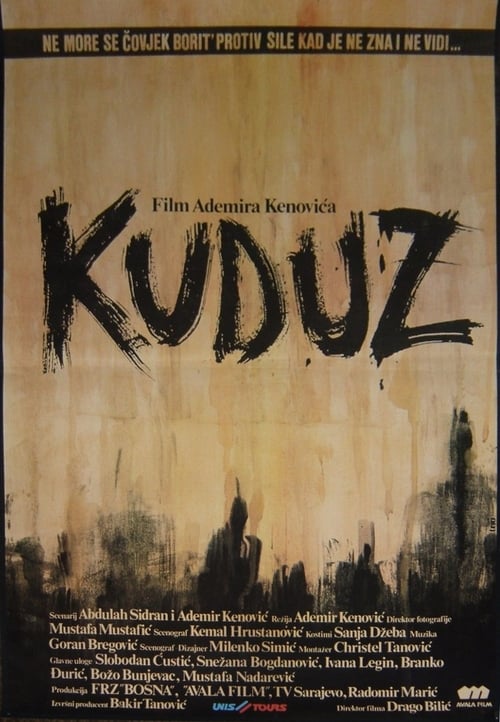
After the release from prison, small-time criminal is marrying his girlfriend and lives a straight and poor, but happy life with her and her daughter. However, his happiness is shattered by wife's infidelity. Driven mad by jealousy, he kills her and her lover and runs into mountains, thus escaping law for months. This film is based on the true story about Junuz Kečo, last Bosnian outlaw.
A honest and proud Montenegrin is worried about his manager's position. He is married to equally proud Serbian woman who helps him in this difficult times for him. The matter is solved when he meets the government's vice-president, which happens to be his former schoolmate.
A three-part anthology film. Story 1: A released convict traces his girlfriend and other people who were responsible for his imprisonment. Story 2: A factory worker Pantic comes to Belgrade where he befriends a waiter. Having no overnight lodge, Pantic spends the night in the bar where his new acquaintance works, and becomes a victim of group of people who start picking on him. The initially protective waiter joins their harassment, and that's when Pantic pulls out a knife. Story 3: A female reporter gets back from the province without getting job done. On her way back, she meets an abused woman who lives with her husband in a trailer, making grill. The two will run away together, facing many hazards and trials.
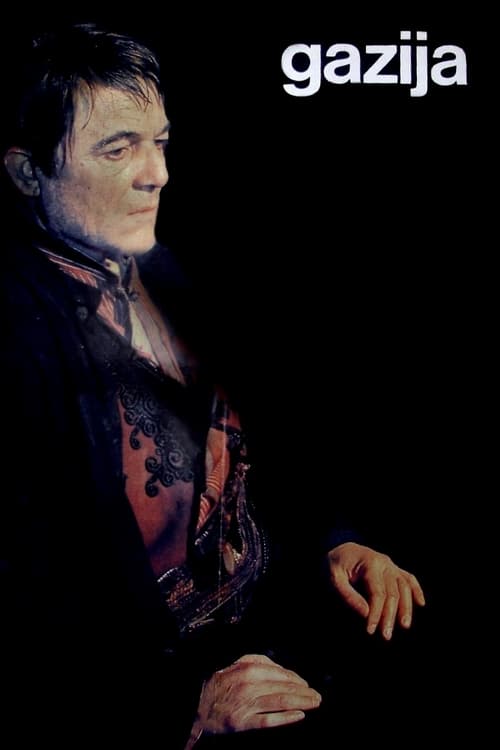
Gazija are military men who patrol the boundaries of the Ottoman Empire in mid-18th century. One such man has trouble reconciling times of peace with his Gazija standing.
The action takes place in a Bosnian town during the Second World War and shows how anti-fascist illegals try to protect their intelligence network from the Germans and their Ustasha allies.