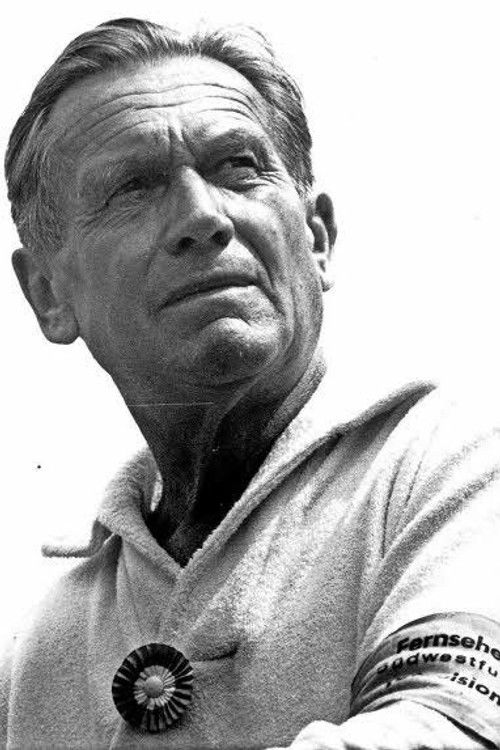
Sepp Allgeier
Camera
Known For
No description available.
German Film Award

A showcase of German chancellor and Nazi Party leader Adolf Hitler at the 1934 Nuremberg Rally.
Triumph of the Will

Thymian Henning, an innocent young girl, is raped by the clerk of her father's pharmacy. She becomes pregnant, is rejected by her family, and must fend for herself in a harsh, cruel world.
Diary of a Lost Girl

In the mountains, Diotima meets Karl and fall in love and have an affair. Karl's friend Vigo mistakenly believes she's in love with him, causing rifts in all relationships.
The Holy Mountain
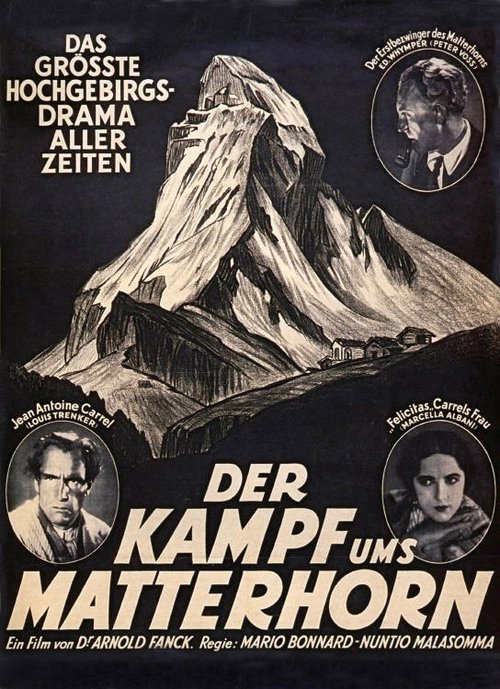
Struggle for the Matterhorn (German: Der Kampf ums Matterhorn) is a 1928 German-Swiss silent drama film co-directed by Mario Bonnard and Nunzio Malasomma and starring Luis Trenker, Marcella Albani, and Alexandra Schmitt. The film is part of the popular cycle of mountain films of the 1920s and 1930s. Art direction was by Heinrich Richter. Based on a novel by Carl Haensel, the film depicts the battle between British and Italian climbers to be the first to climb the Matterhorn. Trenker later remade the film as The Challenge in 1938.
The Fight for the Matterhorn

Follows the Fifth Nazi Party Rally (Nuremberg, 30 August–3 September 1933) and shows the then close relationship between Adolf Hitler and Ernest Rõhm.
The Victory of Faith
English-language version of Baroud, sometimes referred to as Love in Morocco. 'A sergeant in the Foreign Legion falls in love with Zinah, the daughter of a Berber chief.' (British Film Institute)
Baroud

A young medical student returns to his Tyrolean home to find out that Napoleon's troops have taken over the area and that his mother and sister have been murdered.
The Rebel

Dr. Johannes Krafft climbs a 12,000-foot mountain over and over again to search for his wife, who was lost on their honeymoon. Another couple makes the dangerous climb with him.
The White Hell of Pitz Palu
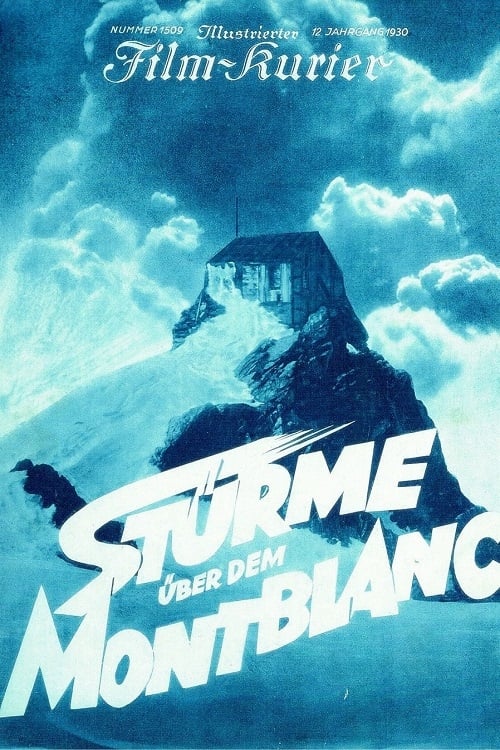
Hannes is employed at the Mont Blanc Observatory; the only outside connection is a pilot and Hella over the radio. Hella ascends the mountain but her father dies along the way.
Storm Over Mont Blanc

Poor New York shop girl Nadina receives the unexpected news that she is next in line to be queen of an Eastern European country. On her arrival in Ruritania, a revolution is in progress, and only minutes before her coronation, Nadina is forced into exile. She flees to Paris with her nurse, and then travels on to Switzerland. There Nadina encounters the Ruritanian revolutionary leader Carl, recuperating from the trials of revolution, and the couple unexpectedly fall in love. When the revolution collapses in Ruritania, they return and marry, thus forming a constitutional monarchy supported by all the people.
The Queen's Affair
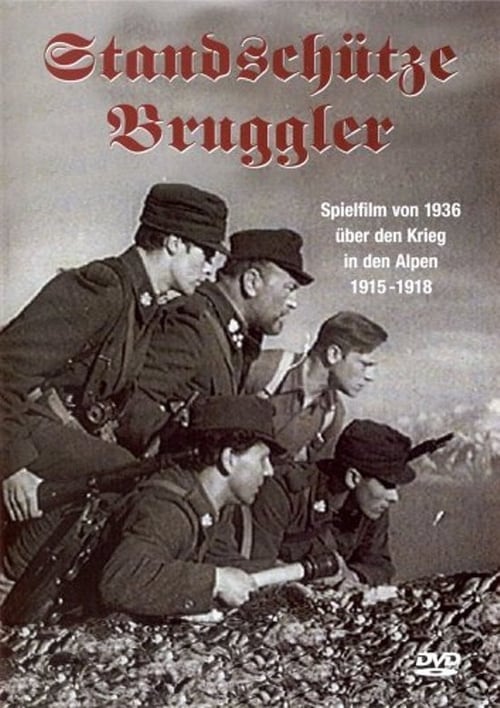
Chronicles the Alpine war experiences of young Toni Bruggler (Ludwig Kerscher), a Tyrolean-German member of the Standschützen (militiamen), comprised of those who are too young or old to fight in the Austro-Hungarian Habsburg army.
Militiaman Bruggler
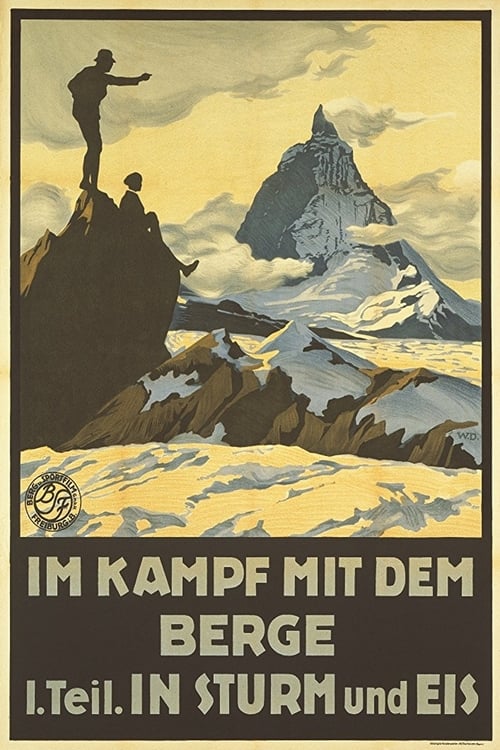
No description available.
Im Kampf mit dem Berge
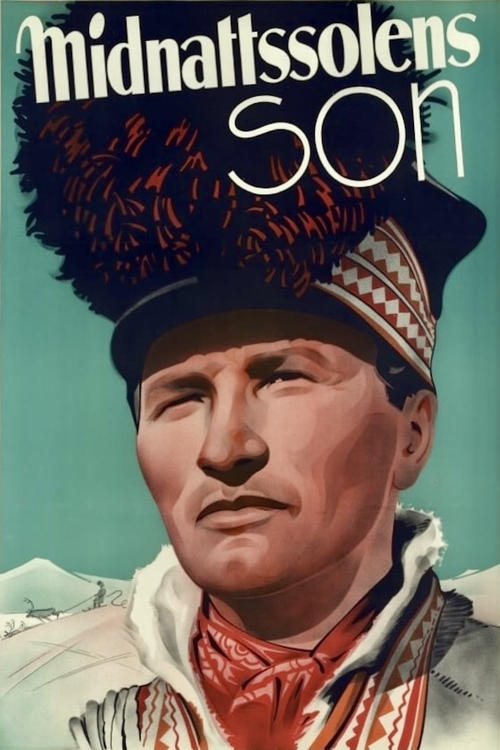
The young Nila has been in love with Marja for a long time. She say yes to his proposal and they decide to marry at Easter.
Son of the Midnight Sun

Two of Germany's best and busiest directors collaborated on Berge in Flammen (Mountain in Flames). The storyline should be of interest to pro-ecologists, inasmuch as the directors take to task the warmongers of the world for despoiling the natural beauties of the European mountain ranges with their shell-fire. The final outrage occurs during a battle between the Austrians and the Italians in the Dolomites, culminating with the destruction of an entire mountain (hence the film's title). The harrowing images on screen were complemented perfectly by the musical score of Giuseppe Beece. Also known as The Doomed Batallion, Berge in Flammen was filmed in three different languages -- German, English, French -- for a total cost of $150,000.
Mountains on Fire
Pontresina, Switzerland, at the beginning of the 20th century. A ski jumping competition is about to take place.
The Champion of Pontresina
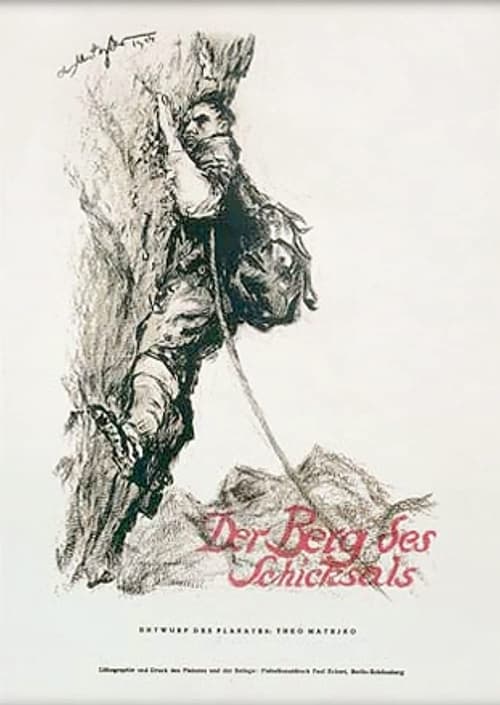
After a mountaineer is killed attempting to climb a difficult mountain, his son dreams of conquering the peak that has defeated his father. But his mother makes him promise never to attempt it. Events eventually force her to release him from the promise, and he ascends the mountain successfully.
Mountain of Destiny

Romantic quadrangle involving two brothers, one a burgeoning ballet composer; a willful heiress; and a waif.
Escape Me Never

A young Italian girl living in the Dolomites falls in love with a member of a tourist party skiing on the nearby mountains.
The Great Leap
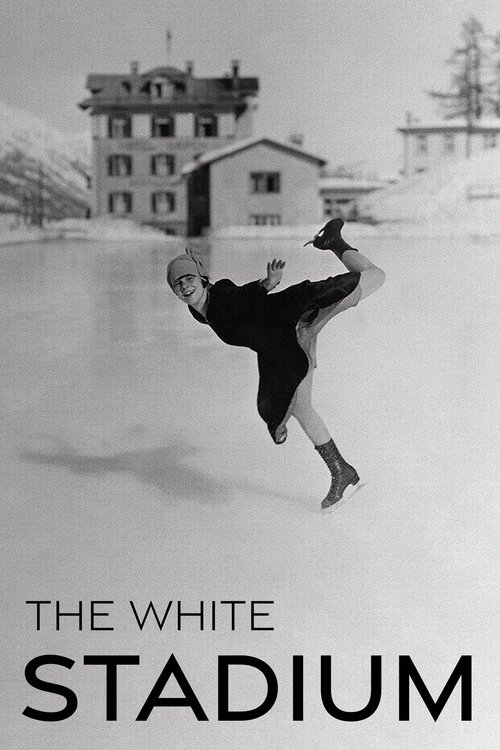
A profile of the 1928 Olympic Games in St. Moritz, Switzerland.