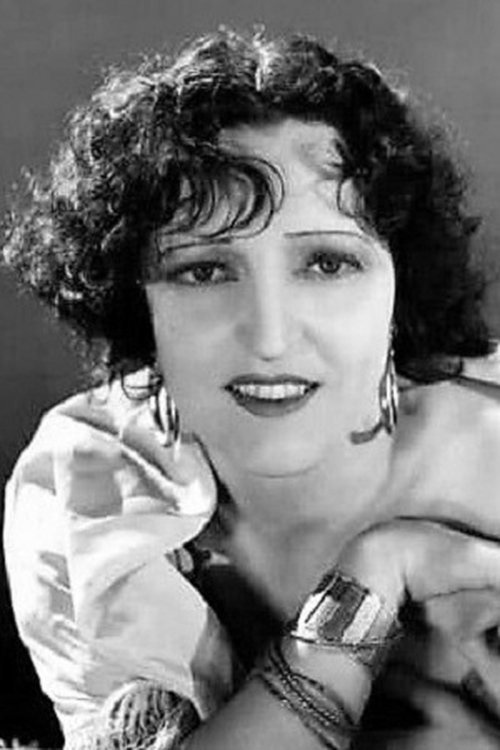
Marguerite Namara
Acting
Biography
From Wikipedia Marguerite Namara was a classically trained American lyric soprano whose varied career included serious opera, Broadway musicals, film and theater roles, and vocal recitals, and who counted among her lifelong circle of friends and acquaintances many of the leading artistic figures of the first half of the twentieth century.
Known For
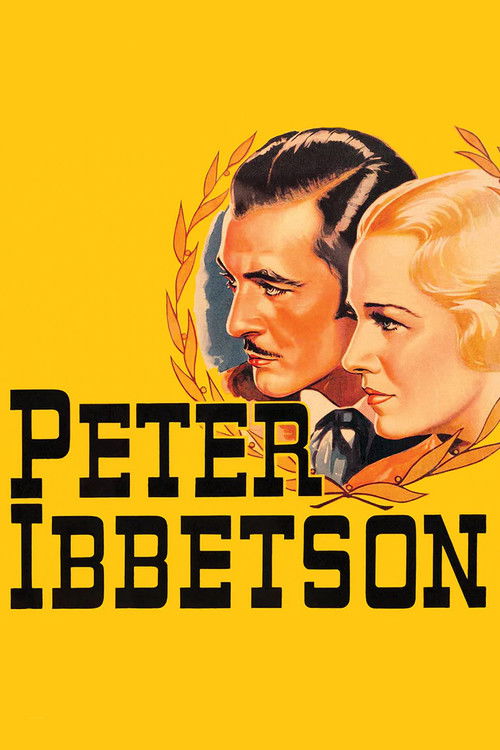
When his mother dies, young Peter Ibbetson leaves Paris and his best friend, Mary, behind to live with a severe uncle in England. Years later, Peter is an architect with little time for women, until he begins a project with the Duke and Duchess of Towers. When Peter and the duchess become great friends, she reveals that she is Mary — but the duke soon suspects his wife of infidelity and challenges Peter to a duel, threatening the pair's second chance.
Peter Ibbetson
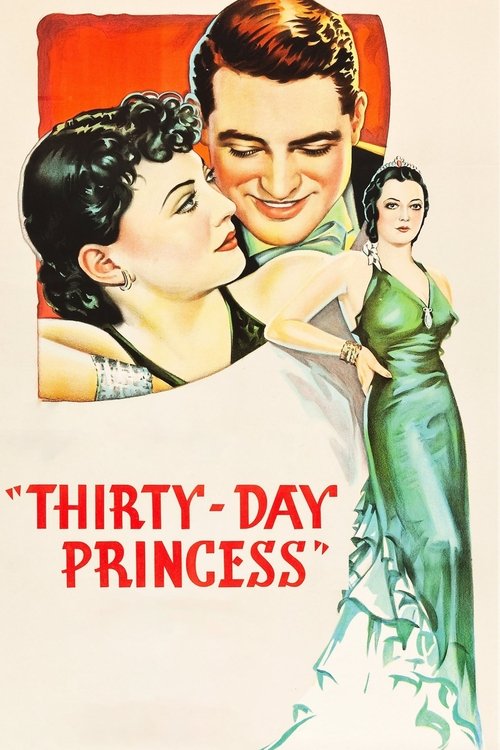
A European princess arrives in New York City to secure a much-needed loan for her country. She contracts the mumps, and an actress who looks exactly like her is hired to impersonate her.
Thirty Day Princess
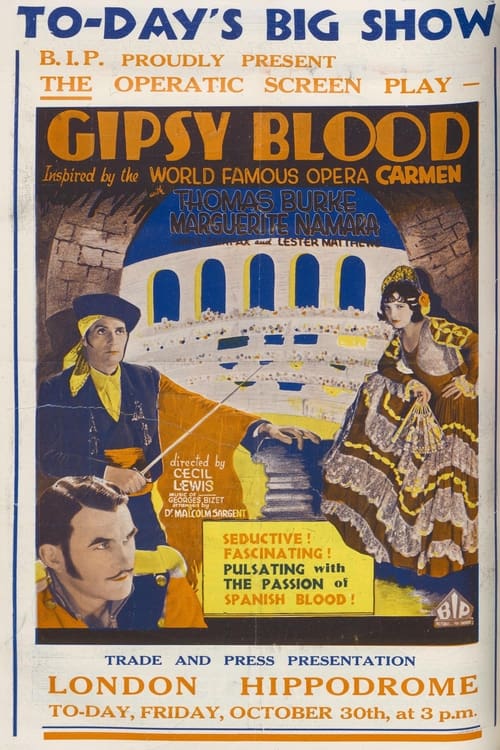
In 1931, Sir Malcolm Sargent – then a rising young conductor – acted as musical director for this first filmed musical version of Prosper Mérimée’s classic story of passion and fatal jealousy, Carmen. With a score based on Bizet’s opera, Gipsy Blood features celebrated American soprano Marguerite Namara as the capricious gypsy girl from the cigarette factory; her co-performers include Thomas Burke as Carmen’s tormented lover, Don José, and New Zealand-born baritone Lance Fairfax as his rival, the toreador Escamillo.
Gipsy Blood
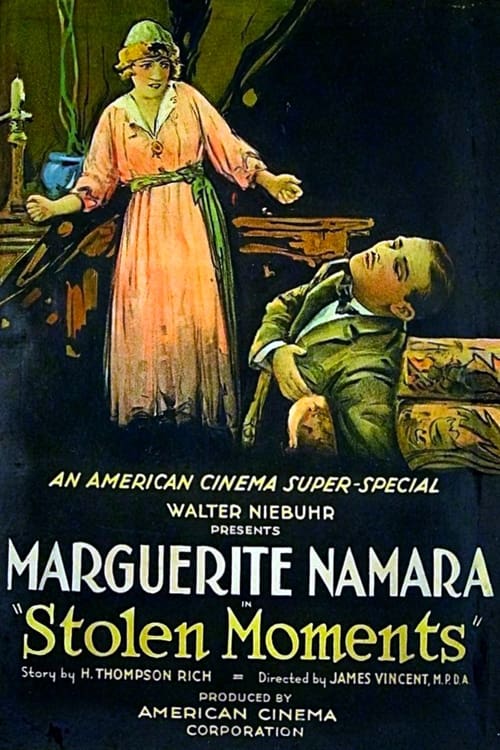
Vera Blaine, a young woman in the deep South, is passionate and romantic. So, she's easy prey for José Dalmarez.
Stolen Moments
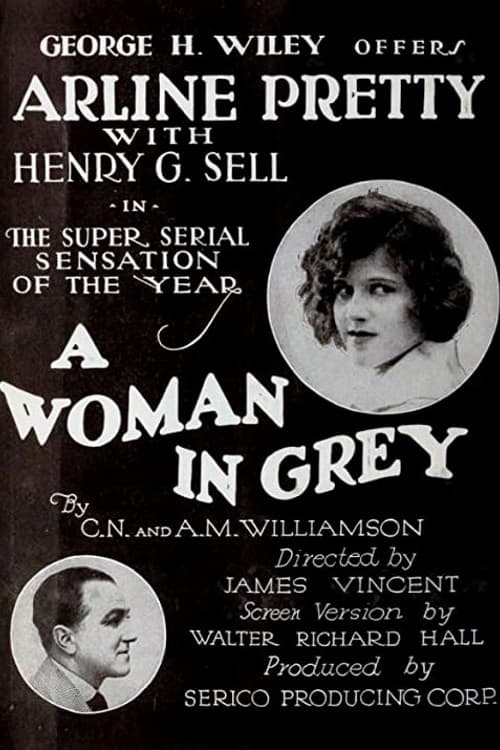
This 15 chapter serial is considered to be "the last of the adult serials". Produced in Wilkes-Barre, PA., it has crisp editing, fast action, and carefully lit and composed interiors and lush pictorial exteriors. This is a serial of great complexity with the director, the photographer and title-maker always in absolute control. The extraordinary rhythmic momentum of the film is never lost despite the films complex plot turns. This is the best of the surviving serials from the silent era.