Françoise Levie
Directing
Known For
Events of strange and serious nature mark the invention and the manufacture of the nylon stockings. For example inhuman exploitation of workers in artificial silk factories. The US army was a substantial promoter of the nylons.
Nylon Blues: A History of the Nylon Stocking
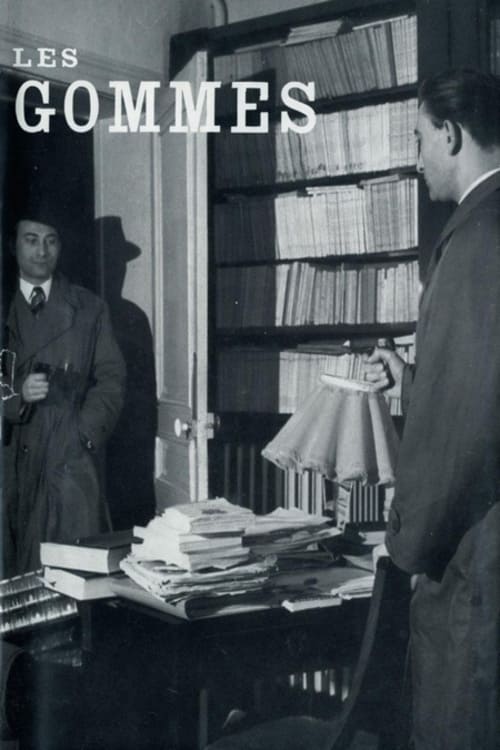
A detective is seeking an assassin in a murder that has not yet occurred, only to discover that it is his destiny to become that assassin.
The Erasers
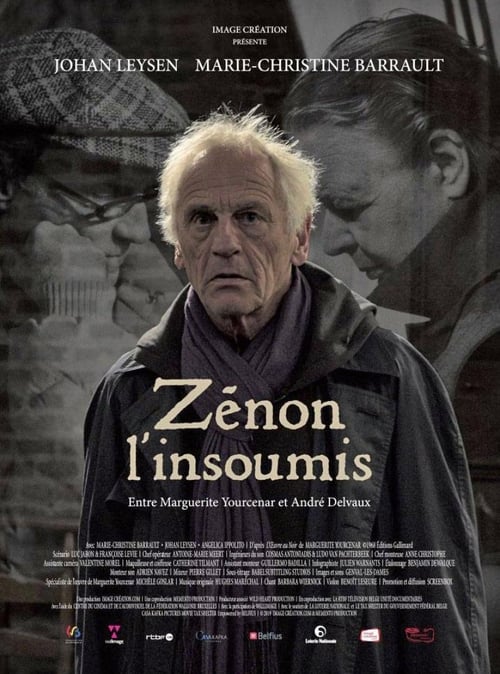
Zénon is the hero of “The Abyss”, the famous novel by Marguerite Yourcenar published in 1968. He is also the main character in André Delvaux’s film, played by Gian Maria Volonte, for the movie adaptation of the same book in 1988. But what does Zénon represent for us today, and what has become of him? How can this entirely fictional philosopher, doctor, alchemist and inventor from the Renaissance help us understand the era in which he lived as well as our own in these uncertain times? This is what this documentary sets out to do.
Zénon the Rebel
No description available.
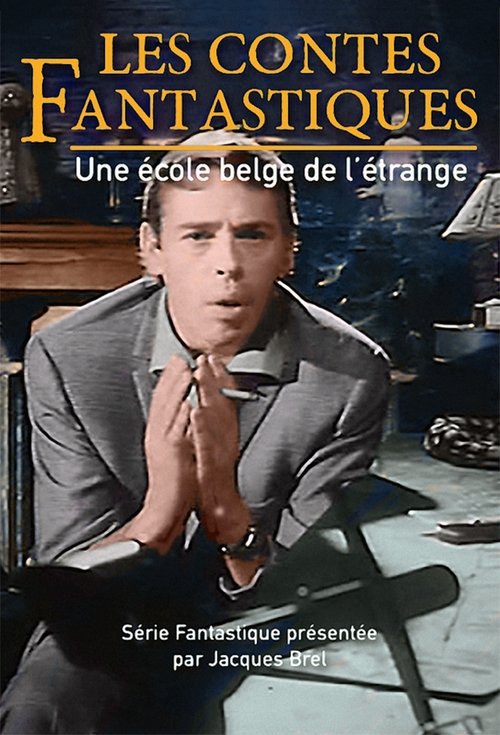
Les Contes Fantastiques : Une école Belge de l'Etrange

A spectacular documentary on the history of lighthouses, filmed on location in France, Great Britain, Canada and the United States.
The Guardians of the Night
A castle lost in the middle of the woods. A train track cutting through the countryside. No train ever stops at the tiny station that serves the castle. A young woman, with paralysed legs, spends her time watching out for the train's passing. One day, the train stops and a young man gets out. He seems to know the place. What did he come to do ?
Le voyageur
No description available.
Pitié pour une ombre
No description available.
Ultra, je t'aime
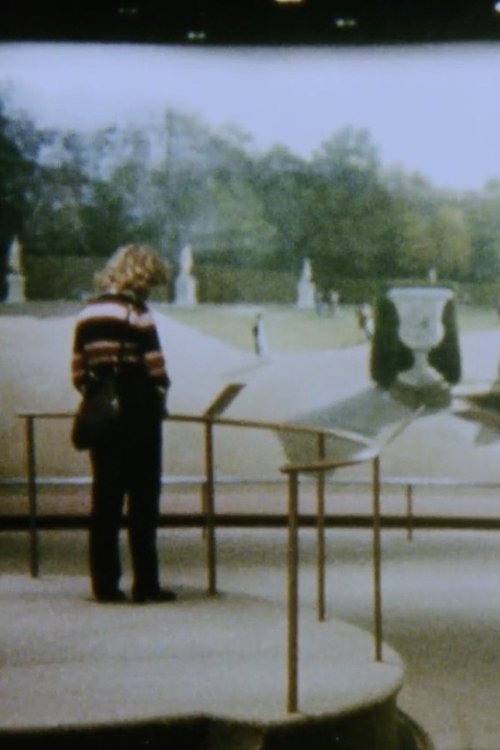
The 9th short film as part of the Magica series dealing with pre-cinema. A ‘panorama’ was a large painting on a cylindrical canvas. It provided a realistic and compelling view of a city, landscape or historical event, giving viewers the feeling that they were part of it. Viewers were positioned in the centre of a circular building or tent, with the canvas stretched around them. This provided a 360-degree view that gave a sense of depth and immersion.
The Odyssey of Panoramas
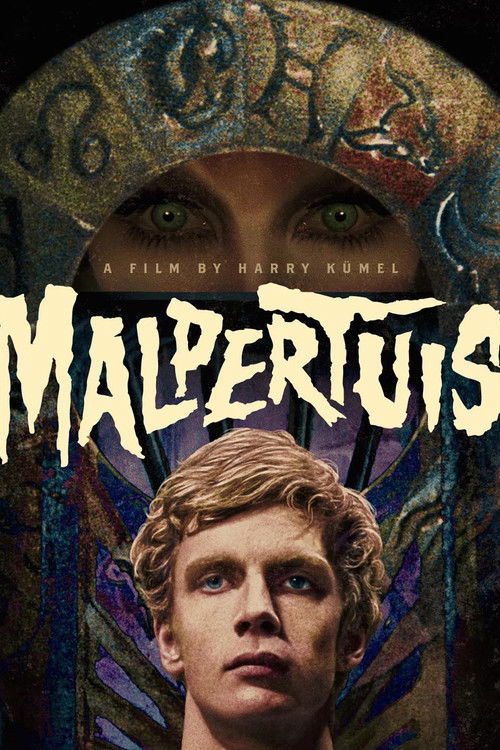
Malpertuis featurette on the casting of Welles, including rare outtakes of the actor
Orson Welles Uncut
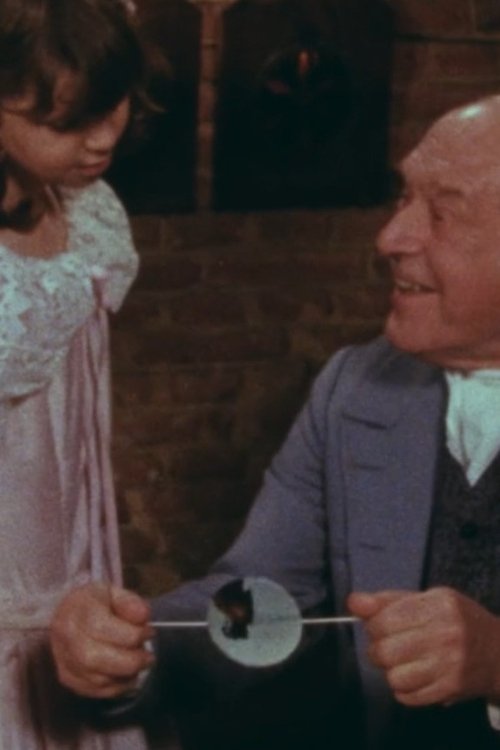
The 16th short film as part of the Magica series dealing with pre-cinema. Mr Seymour, the hero of the book by London doctor Mr Paris, shows his invention – the thaumatrope – to a little girl and explains how it works. The superimposition of the images is not perfect, so he invents the use of elastic instead of the usual string. Only by recording the two successive images of the thaumatrope on a title bench can they be viewed perfectly. Numerous examples are shown.
Thaumatropes
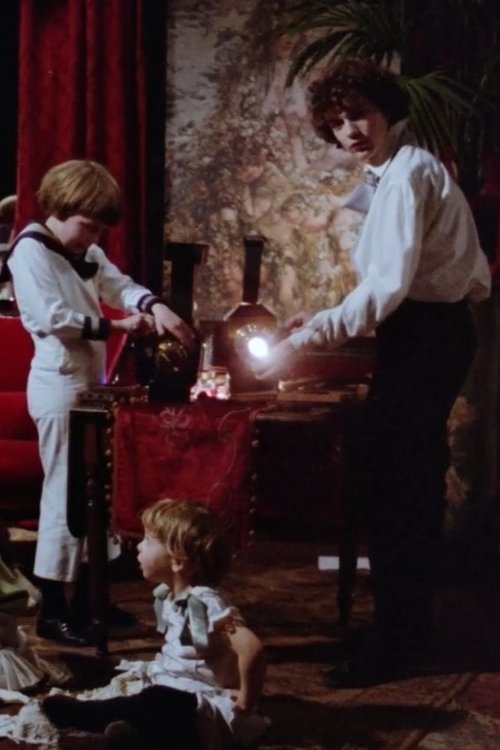
The 6th short film as part of the Magica series dealing with pre-cinema. Featuring demonstrations of magic lanterns by children.
The Truly Magical Lanterns
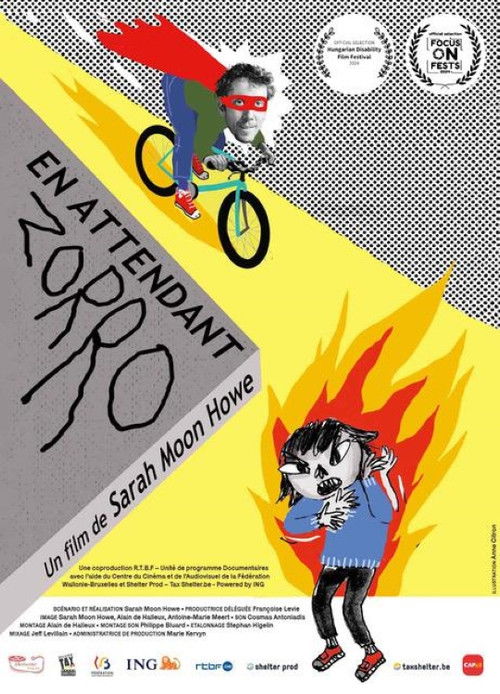
In the confines of their homes, parents of severely disabled children hope for a place in care and support services. In the meantime, they try to cope with the difficulties and behavioral problems. In this existential stalemate, the film follows the work of Lucas, a specialized educator, sometimes advised by the hospital, who visits the families' homes and tries to help them. Full of energy and optimism, Lucas helps families at the end of their tether to build a more peaceful life, without waiting for a structural solution that is slow in coming.
Waiting for Zorro
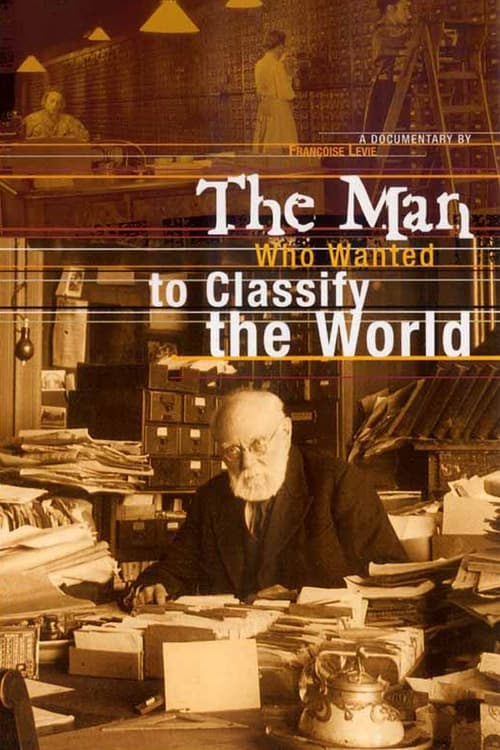
Paul Otlet was a Belgian, *1868, died 1944, who perfected the Dewey Classification system as "the Universal Decimal Classification", in his lifetime alone totalling 17 million index cards of human knowledge.
The Man Who Wanted to Classify the World
Basu calls his psychiatrist to tell him a singular adventure. In a ruined abbey, he witnesses an unusual wedding in the presence of a tribunal. He runs away with the young bride. After a fleeting happiness, he returns alone. He thinks he dreamt of this, but there is a memory left.
Noces de plumes
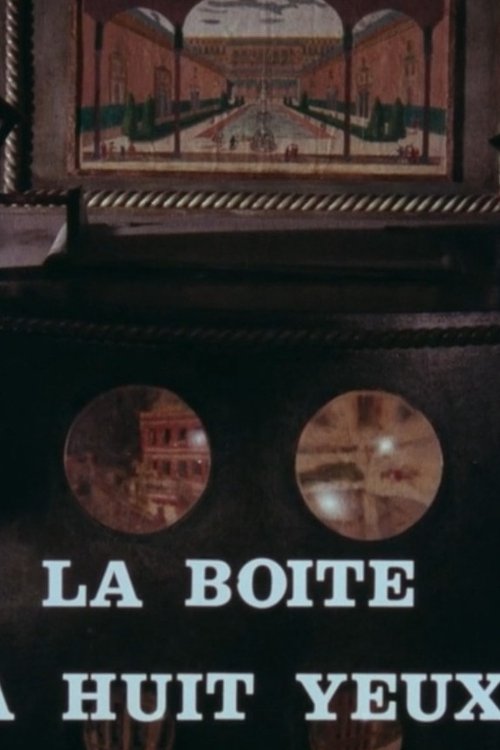
The 2nd short film as part of the Magica series dealing with pre-cinema. In the 18th and 19th centuries, optical views were shown in optical boxes with magnifying lenses. The showmen organised a real spectacle, with a barker, music and sound effects. The views played with light (transparencies, perforations). A series of engravings shows the public's enthusiasm for these shows. The second part of the film is a reconstruction of such a show. First, there are views of Paris, Venice, Constantinople and Versailles, followed by various disasters: plague, floods, fires and shipwrecks.