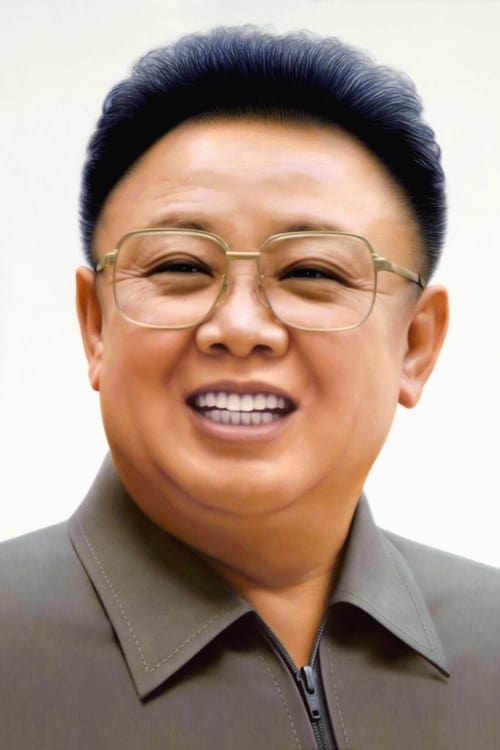
Kim Jong-il
Acting
Biography
Kim Jong Il, born Yuri Irsenovich Kim on 16 February 1941, was a North Korean politician who was the second President of North Korea. He led North Korea following the death of his father Kim Il Sung in 1994 until his own death in 2011, when he was succeeded by his son, Kim Jong Un. Afterwards, Kim Jong Il was declared Eternal General Secretary of the WPK. In the early 1980s, Kim had become the heir apparent for the leadership of North Korea, thus being established the Kim dynasty and he assumed important posts in party and army organizations. Kim was the General Secretary of the Workers' Party of Korea (WPK), WPK Presidium, Chairman of the National Defense Commission (NDC) of North Korea and the Supreme Commander of the Korean People's Army (KPA), the fourth-largest standing army in the world. Kim assumed leadership during a period of catastrophic economic crisis amidst the dissolution of the Soviet Union, on which it was heavily dependent for trade in food and other supplies, which brought a famine. Kim strengthened the role of the military by his Songun ("military-first") policies, making the army the central organizer of civil society. Kim's rule also saw economic reforms, including the opening of the Kaesong Industrial Park in 2003. Following Kim's failure to appear at important public events in 2008, foreign observers assumed that Kim had either fallen seriously ill or died. On 19 December 2011, the North Korean government announced that he had died two days earlier, whereupon his third son, Kim Jong Un, was promoted to a senior position in the ruling WPK and succeeded him.
Known For
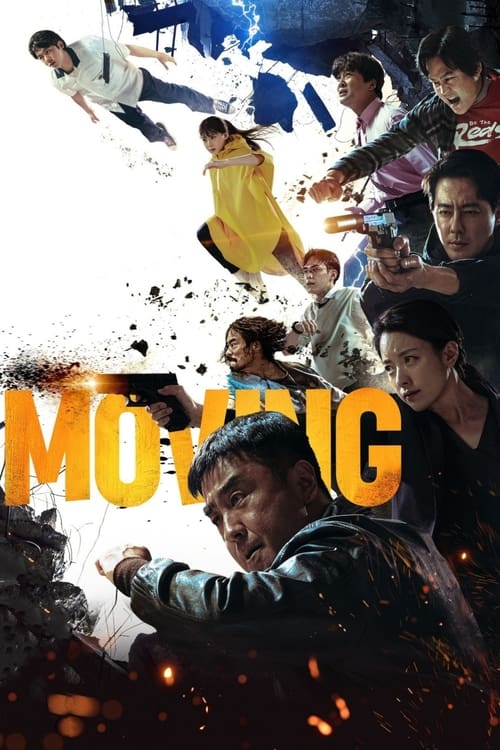
Children who live in hiding with superpowers, along with their parents who live with painful secrets of the past, face enormous dangers together.
Moving

No description available.
Spotlight

NHK WORLD PRIME brings you a world of mainly documentaries, and more. Tune in to see special select programs on all sorts of topics and genres.
NHK WORLD PRIME
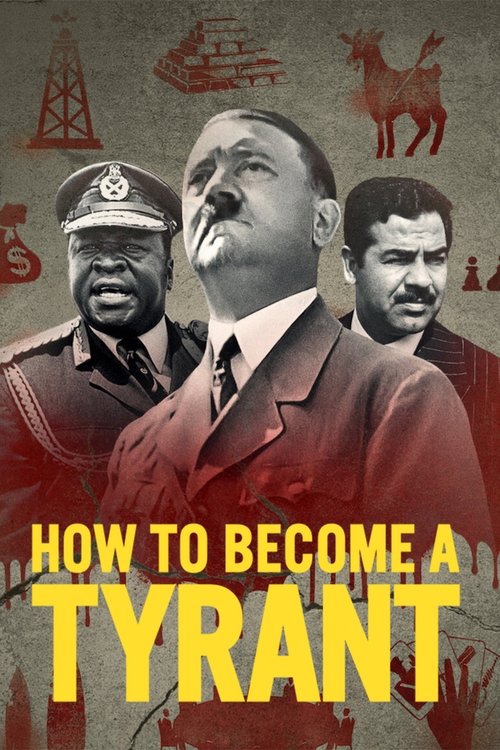
The documentary series explores different political figures throughout history.
How to Become a Tyrant
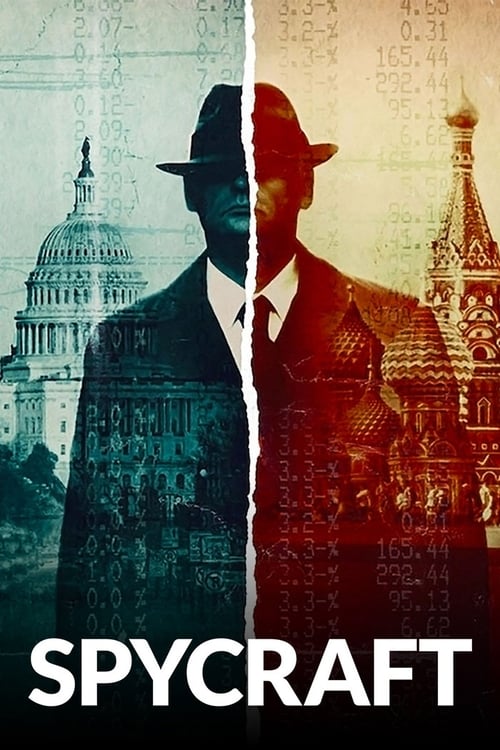
The spy game is a serious business, and throughout history, the tools and technologies developed for it have mattered as much as the spies themselves.
Spycraft
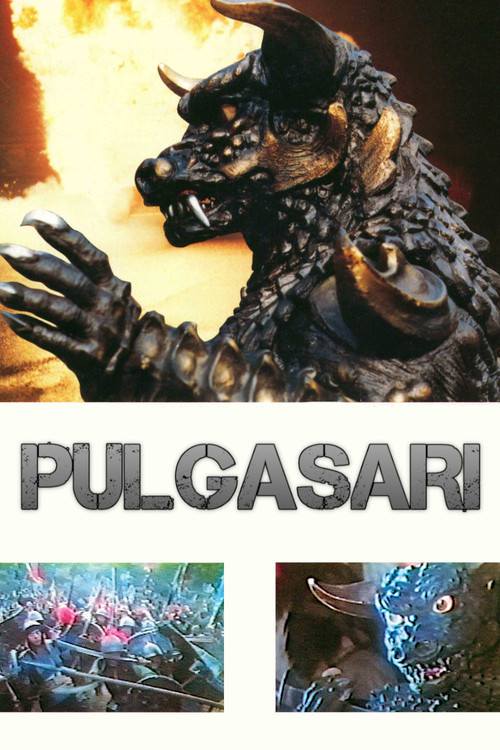
In feudal Korea, a group of starving villagers grow weary of the orders handed down to them by their controlling king and set out to use a deadly monster under their control to push his armies back.
Pulgasari
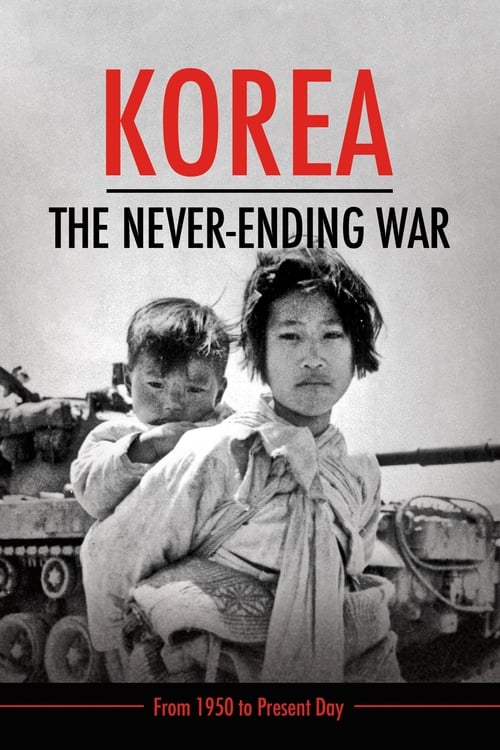
Shedding new light on a geopolitical hot spot, the film — written and produced by John Maggio and narrated by Korean-American actor John Cho — confronts the myth of the “Forgotten War,” documenting the post-1953 conflict and global consequences.
Korea: The Never-Ending War
A courageous pastor uses his underground network to rescue and aid North Korean families as they risk their lives to embrace freedom.
Beyond Utopia
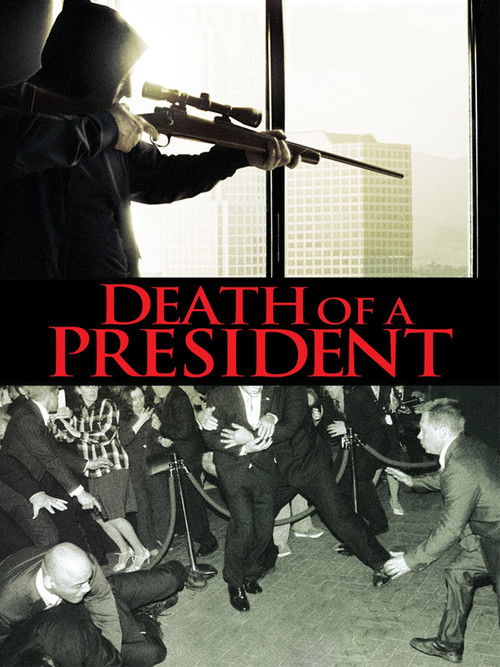
A fictional investigative documentary looks back on the "assassination" of George W. Bush and attempts to answer the question of who committed the murder. Perhaps less morbid and disturbing to watch now than during Bush's presidency, the film doesn't address Bush's policies at all, instead focusing on the way a nation assigns blame in a time of crisis.
Death of a President
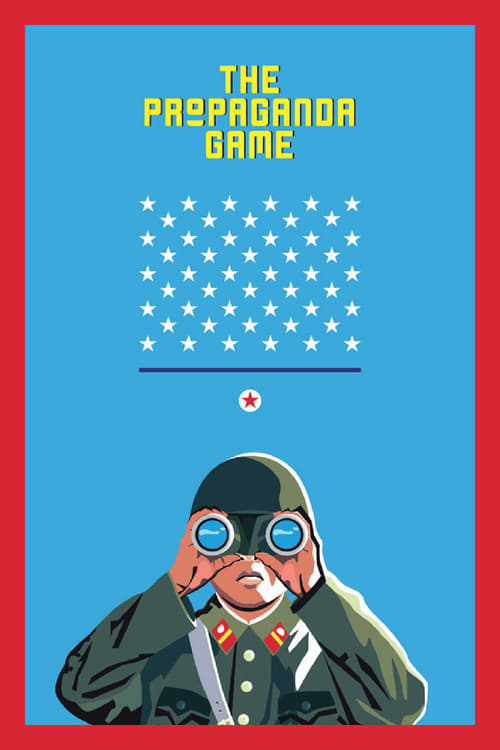
North Korea. The last communist country in the world. Unknown, hermetic and fascinating. Formerly known as “The Hermit Kingdom” for its attempts to remain isolated, North Korea is one of the largest sources of instability as regards world peace. It also has the most militarized border in the world, and the flow of impartial information, both going in and out, is practically non-existent. As the recent Sony-leaks has shown, it is the perfect setting for a propaganda war.
The Propaganda Game
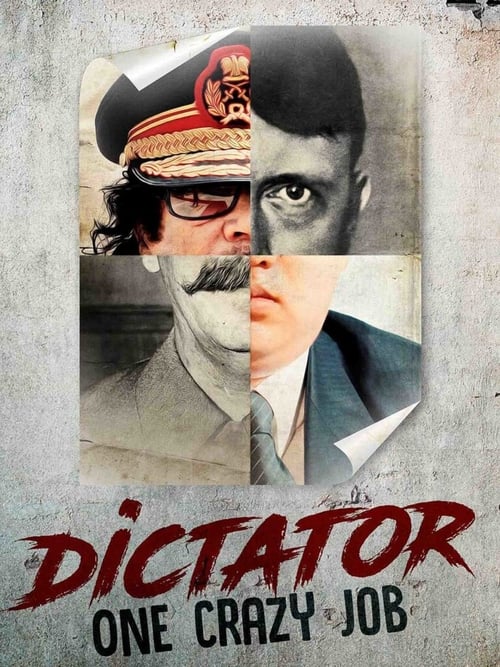
They’ve become the human face of inhuman barbarity. Leaders like Hitler, Idi Amin Dada, Stalin, Kim Jong Il, Saddam Hussein, Nicolae Ceausescu, Bokassa, Muammar Kadhafi, Khomeini, Mussolini and Franco governed their countries completely cut off from reality. These paranoid leaders were driven to abuse their power by the pathology of power itself. Dictators are driven by a relentless, thought-out determination to impose themselves as infallible, all-knowing and all-powerful beings. But they are also men ruled by their caprices, uncontrollable impulses, and reckless fits of frenzy, which paradoxically render them as human as anyone else. The abuses they committed were clearly atrocious, yet some of them were as outlandish as the characters portrayed in the film The Dictator. They sunk to depths worthy of Kafka: so incredibly absurd, they are outrageously funny.
Dictator: One Crazy Job
A journey through Kim Jong Un’s past and present to understand the man and the myth who holds North Korea’s uncertain future in his hands.
North Korea: Inside The Mind of a Dictator
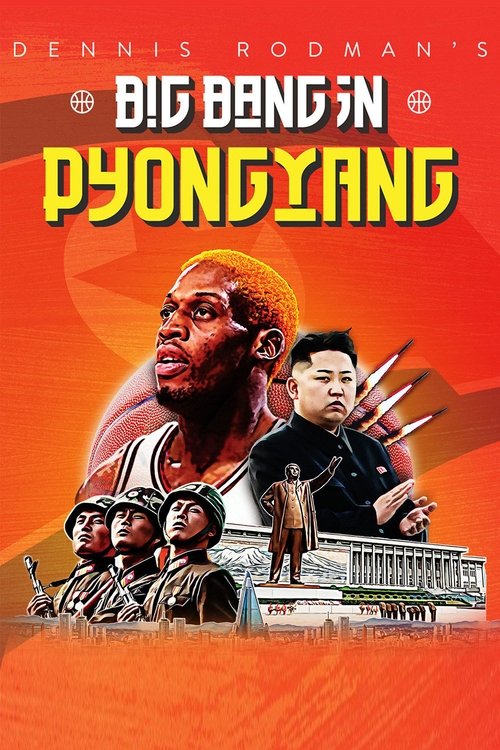
Dennis Rodman is on a mission. After forging an unlikely friendship with North Korean leader Kim Jong-un, he wants to improve relations between North Korea and the US by staging a historic basketball game between the two countries. But the North Korean team isn't the only opposition he'll face... Condemned by the NBA and The Whitehouse, and hounded every step of the way by the press, can Dennis keep it together and make the game happen? Or will it go up in a mushroom cloud of smoke? For the first time, discover the true story of what happened when Dennis Rodman took a team of former-NBA players to North Korea and staged the most controversial game of basketball the world has never seen.
Dennis Rodman's Big Bang in PyongYang

A contemporary history of Korea(s) from a unique point of view that embraces the inner history of both South and North Korea in a single narrative.
Korea, A Hundred Years of War
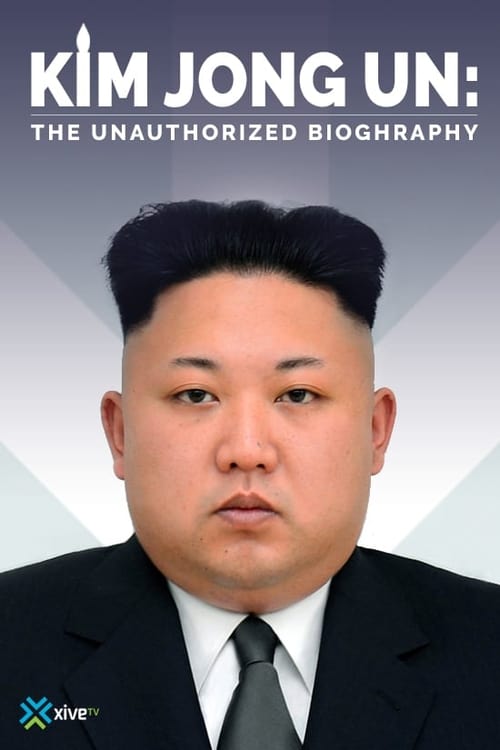
A journey through several countries to find those who really know Kim Jong-un, North Korea's leader, in an attempt to profile a contradictory dictator who seems to rule his nation with both disturbing benevolence and cold cruelty while being worshipped as a living god by his subjects in exalted displays of ridiculous fanaticism.
Kim Jong-un: The Unauthorized Biography
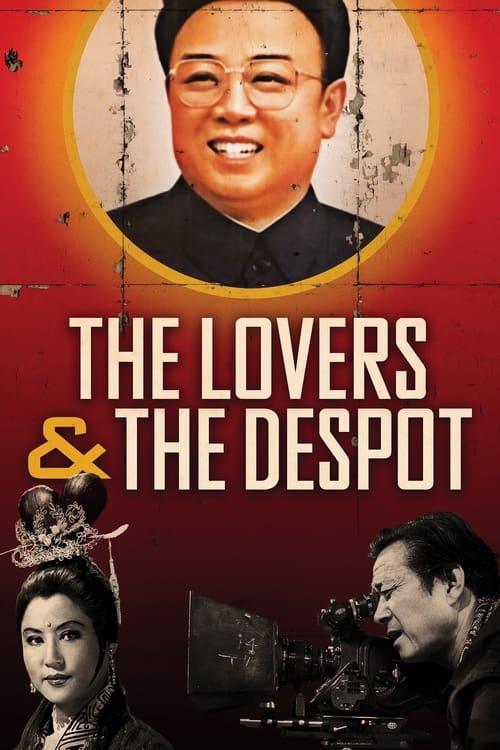
Hong Kong, 1978. South Korean actress Choi Eun-hee is kidnapped by North Korean operatives following orders from dictator Kim Jong-il.
The Lovers and the Despot
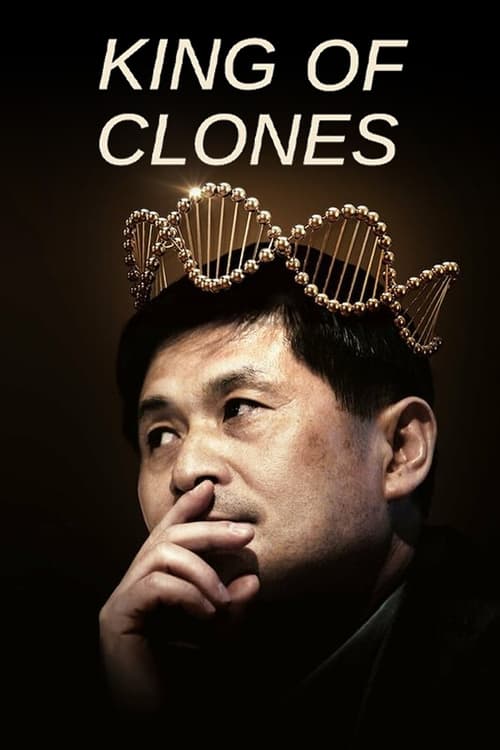
From groundbreaking human cloning research to a scandalous downfall, this documentary tells the captivating story of Korea's most notorious scientist.
King of Clones
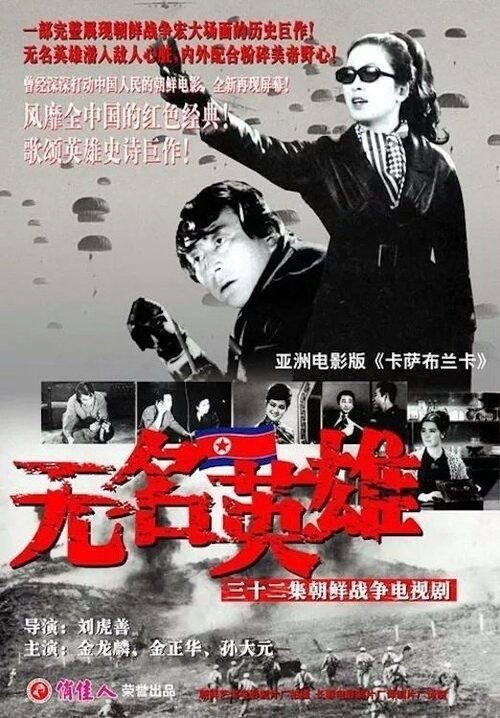
The series follows Yu Rim, a Korean expatriate in the United Kingdom working as a journalist, who is ordered by the Democratic Peoples Republic of Korea to proceed to Seoul and gather intelligence on the United States Forces Korea.
Unsung Heroes
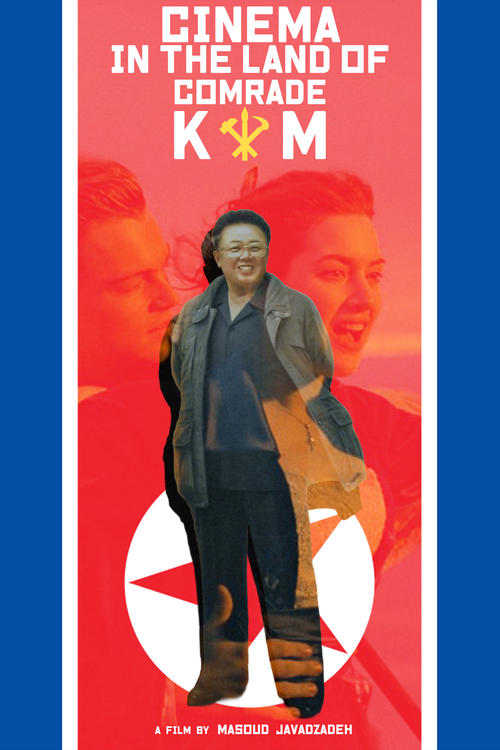
The love of Kim Jong Il, the former dictator of North Korea, for cinema and his adventures, including the kidnapping of a director.
Cinema in the Land of Comrade Kim
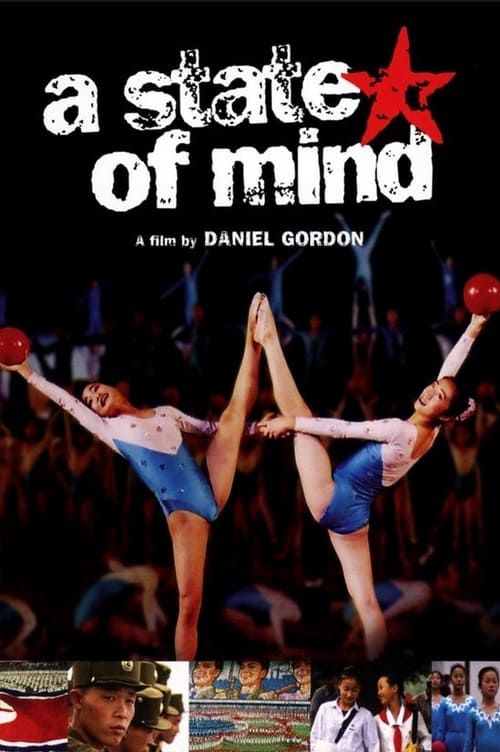
Two young North Korean gymnasts prepare for an unprecedented competition in this documentary that offers a rare look into the communist society and the daily lives of North Korean families. For more than eight months, film crews follow 13-year-old Pak Hyon Sun and 11-year-old Kim Song Yun and their families as the girls train for the Mass Games, a spectacular nationalist celebration.