FEEL IT.STREAM
Fadil Hadžić

Fadil Hadžić

Directing

Biography

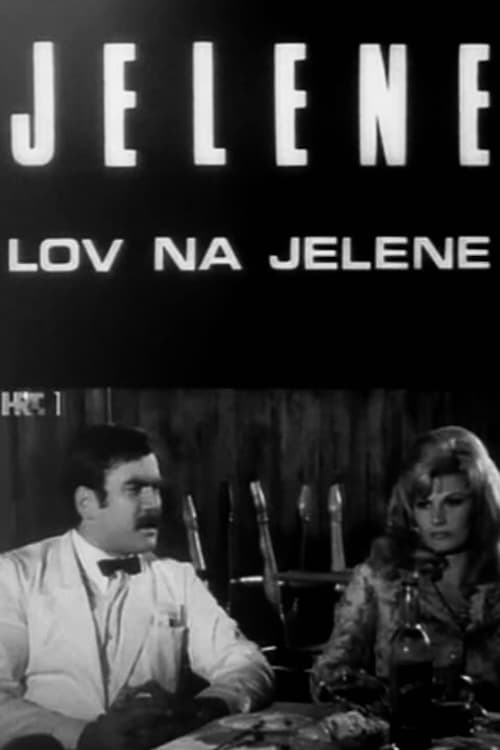
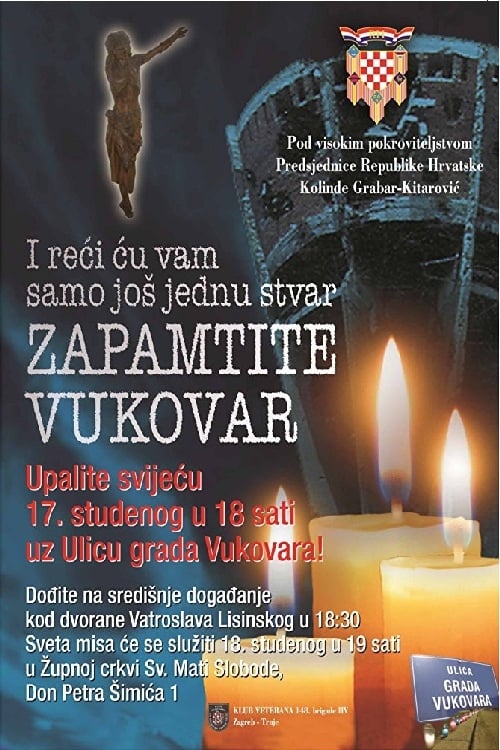
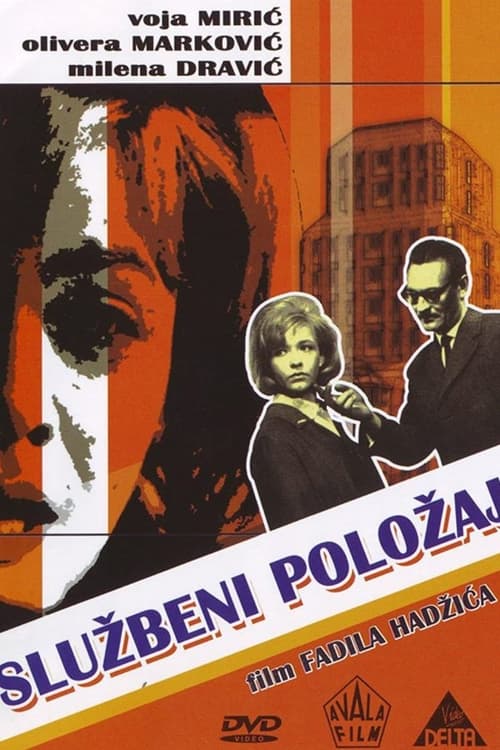
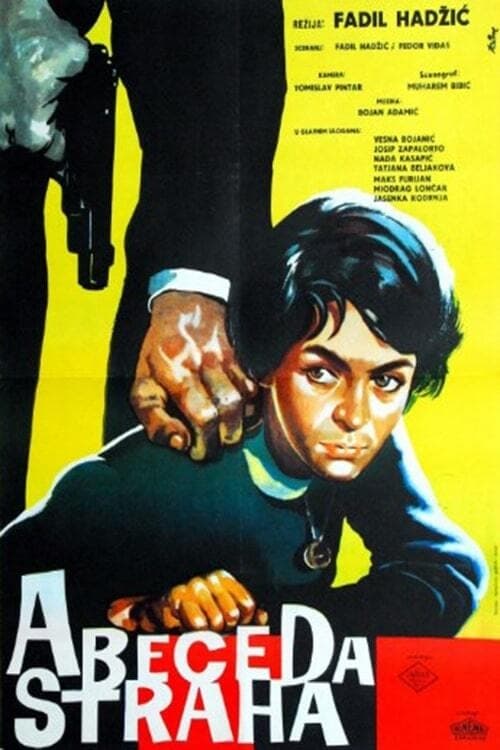
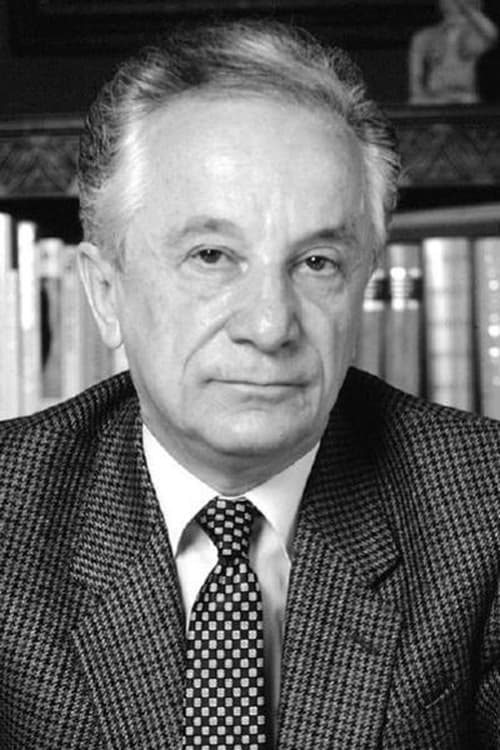
Fadil Hadžić (23 April 1922 – 3 January 2011) was a Croatian and Yugoslav film director, screenwriter, playwright and journalist, mainly known for his comedy films and plays. He was born in Bileća in Bosnia and Herzegovina, but mainly lived and worked in Zagreb, with the Croatian and wider Yugoslav productions. Born in Bileća in Herzegovina, in what was then Yugoslavia, he went to study painting at the Academy of Fine Arts, University of Zagreb. He then worked on editing several popular magazines (Kerempuh, Vjesnik u srijedu, Telegram). He was also one of the founders of the prominent theatres Kerempuh (then called Jazavac) and Komedija in Zagreb, and also worked as the intendant at the Zagreb's Croatian National Theatre. He had his screenwriting debut in 1952 with the animated film The Haunted Castle at Dudinci (Croatian: Začarani dvorac u Dudincima), directed by Dušan Vukotić. In 1961, Hadžić had his directorial debut with Alphabet of Fear (Abeceda straha). He was a prolific and versatile filmmaker throughout the 1960s and his film Official Position (Službeni položaj) won the Big Golden Arena for Best Film at the 1964 Pula Film Festival. In the 1970s and 1980s his output was lower, but in spite of this he won the Golden Arena for Best Director for his 1979 film Journalist (Novinar). Hadžić also wrote and directed the 1972 film, The Deer Hunt (Lov na jelene), starring Boris Dvornik and Silvana Armenulić, a subversive thriller-drama about an émigré suspected of Ustasha activity, which was timely and popular because of its relation to the Croatian Spring. In the early 1980s, he effectively stopped making films, and turned to playwriting. In this period he wrote more than 57 popular plays and had 14 solo exhibitions of his paintings. In the early 2000s, he became active in film again, directing a couple of film adaptations of his comedy plays in 2003 and 2005, followed by the war drama Remember Vukovar (Zapamtite Vukovar) in 2008. He died in Zagreb.
Known For

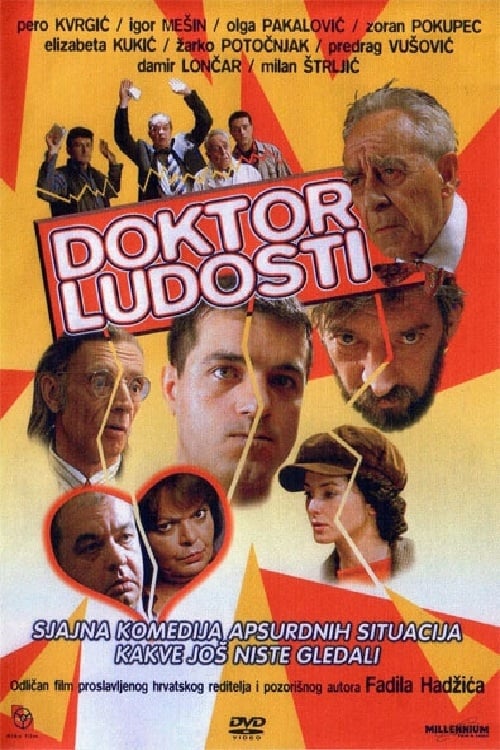
The Doctor of Craziness
6.0

All kinds of patients roam through waiting room of a psychiatrist whose life motto is: everybody are crazy until is proved the other way.

The Doctor of Craziness

2003
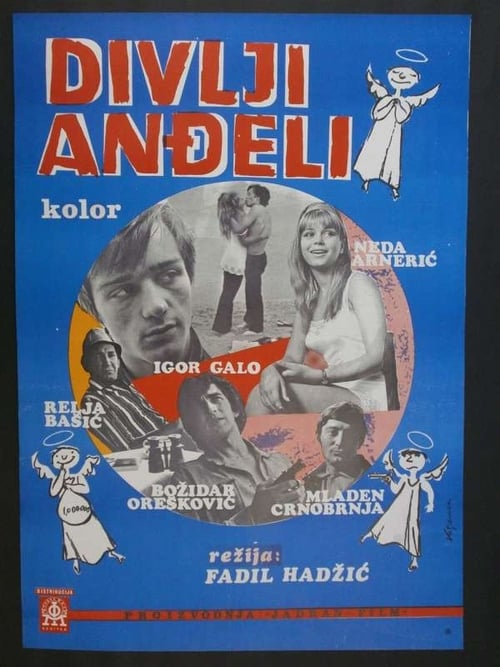
Wild Angels
7.3

A group of juvenile delinquents go to a coastal resort town after successful robbery.

Wild Angels

1969
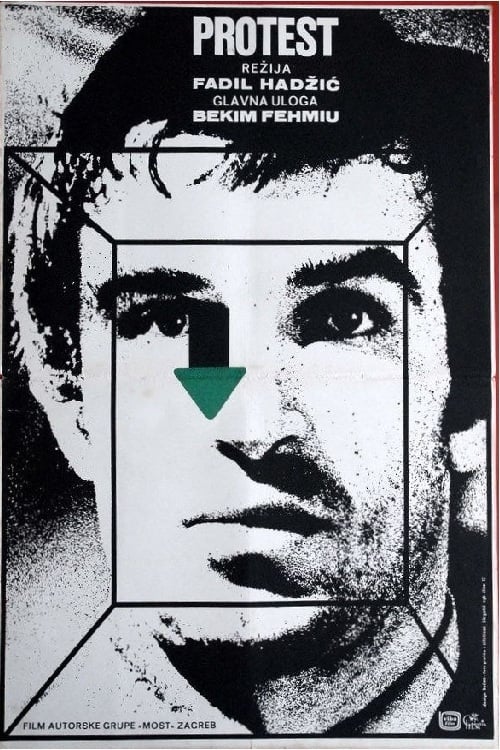
Protest
6.0

A man cannot bear the superficiality of human relationships, and when his best friend lets him down, he commits suicide by jumping off a skyscraper.

Protest

1967
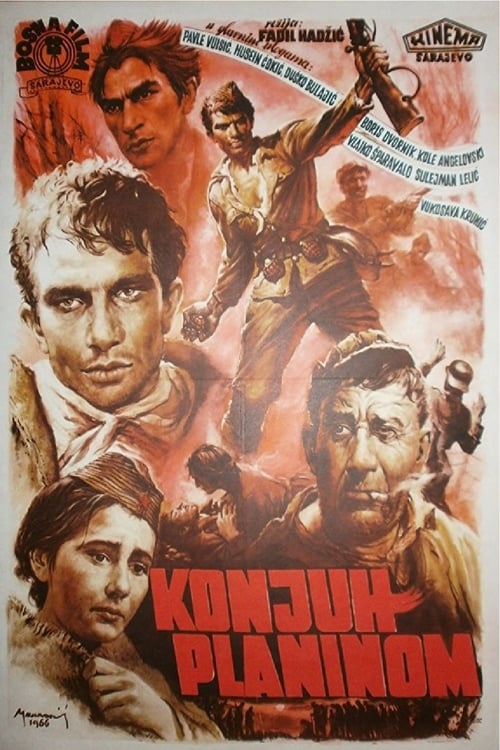
On the Mountain of Konjuh
6.5

An exciting story of Husine coalminers who formed a partisan batch and put up an armed resistance during WW2 in Bosnia and Herzegovina.

On the Mountain of Konjuh

1966
Did a Good Man Die?
5.3

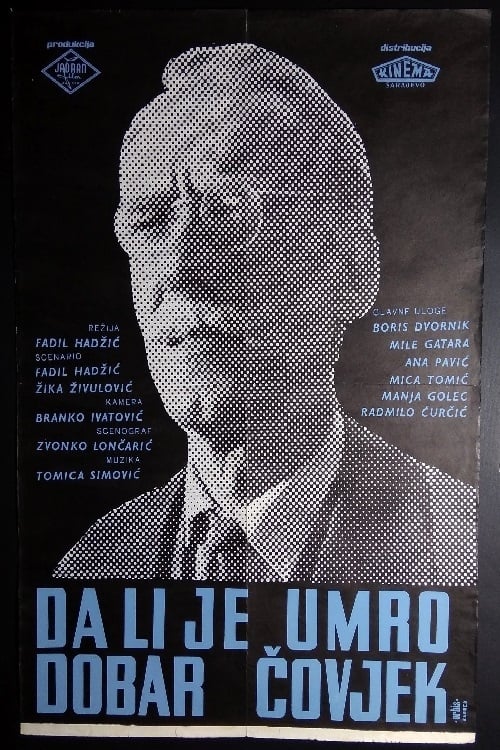
Peter is a pensioner who works for a bank - a department store, more precisely - and his job is to collect debts from the citizens. While conducting his work, he finds the young man Miki to be his reliable assistant, and he inadvertently connects him with the girl named Maja.

Did a Good Man Die?

1962
Remember Vukovar
N/A

During the early stages of the Croatian War of Independance the Serbian paramilitary forces, assisted heavily by the People's Army of Yugoslavia, manage to make their way into the small town of Vukovar, which quickly becomes a no man's land. However, despite the chaos around him, radio reporter Siniša Glavašević is determined the get the word out, chronicling both the efforts of the Croatian army and the siege of the enemy side.

Remember Vukovar

2008
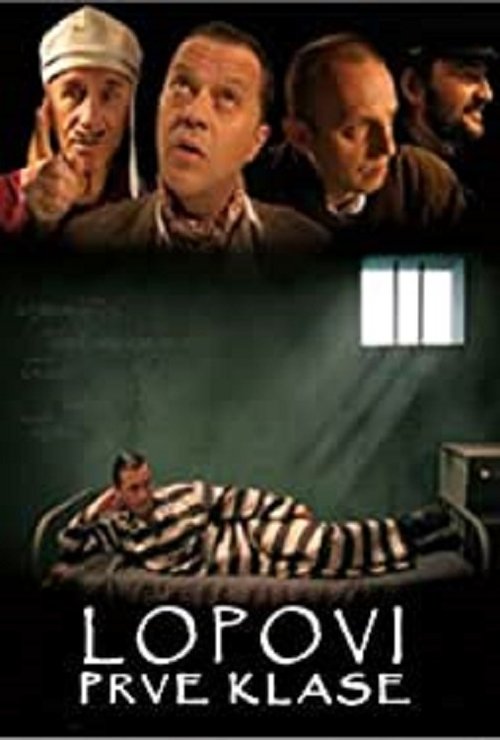
First Class Thieves
6.5

A story involving a group of traveling actors who perform at an experimental prison where the thieves have first class comforts provided to them by a reformist warden. Ironically the troupe performs a play named The State Thief, a play about thieves for thieves.

First Class Thieves

2005
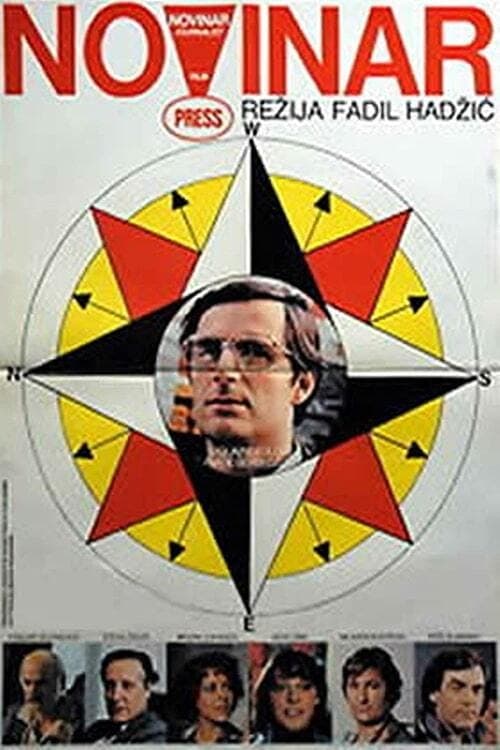
Journalist
6.8

Stressful life of a journalist in the former Yugoslavia.

Journalist

1979
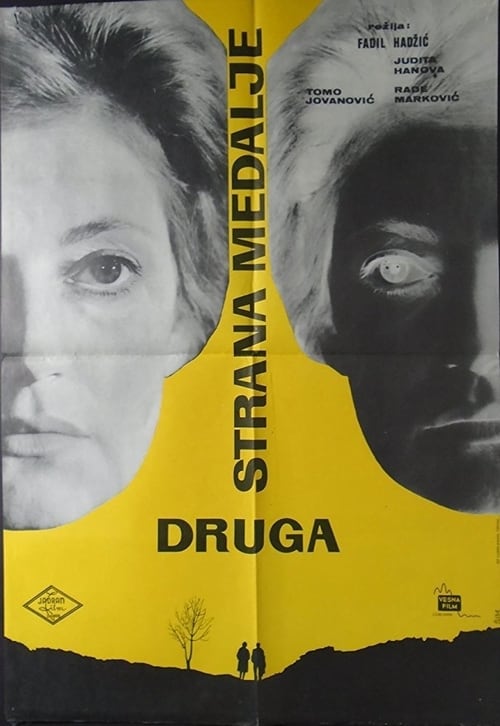
Back of the Medal
7.3

A tense detective movie about Eva Ružić, an accountant in a large firm, who was sentenced to 7 years in prison for embezzlement of public property.

Back of the Medal

1965
The Deer Hunt
7.4

I. S. returns after many years to his hometown, from which he escaped after WW II, fearing that, as a civil clerk of the NDH, could suffer prosecution from the new government. He has been falsely accused to be a member of Ustasha movement.

The Deer Hunt

1972
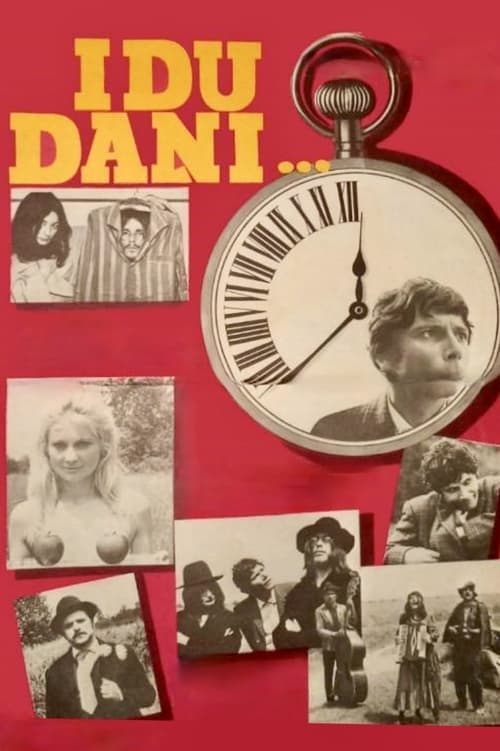
Passing Days
7.0

A confused young man seems like he's eternally waiting for something, but he never really lives up to see it.

Passing Days

1970
No image
6.3

An attractive housekeeper girl gets attention of a handsome young man and older intellectual she works for at the same time.

Three Hours to Love

1968
The Descent Upon Drvar
6.0

German forces in Yugoslavia set out to destroy the stronghold of Tito with a traitor's help, but are overcome by Partisan resistance.

The Descent Upon Drvar

1963
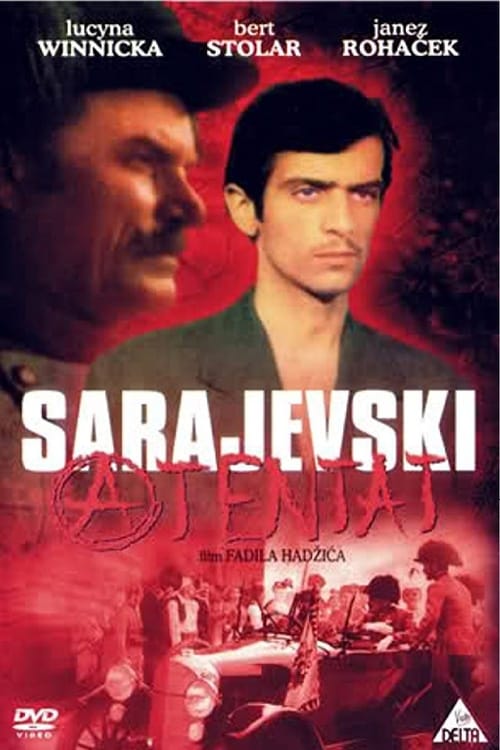
The Sarajevo Assassination
7.3

A resistance fighter in WW2 Sarajevo is running from the Gestapo and finds shelter in the home of the old man. The old man is a former member of the Mlada Bosna organization and tells the young man about his youth and events that which led to assassination of Archduke Franz Ferdinand in Sarajevo.

The Sarajevo Assassination

1968
The Alphabet of Fear
7.3

In order to gather informations about high-ranking collaborationist official, the resistance movement sends a girl to spy on him. She uses the cover of illiterate chambermaid from the country. In the beginning nobody is suspicious, but her cover would be endangered when the official's daughter starts to teach her reading.

The Alphabet of Fear

1961
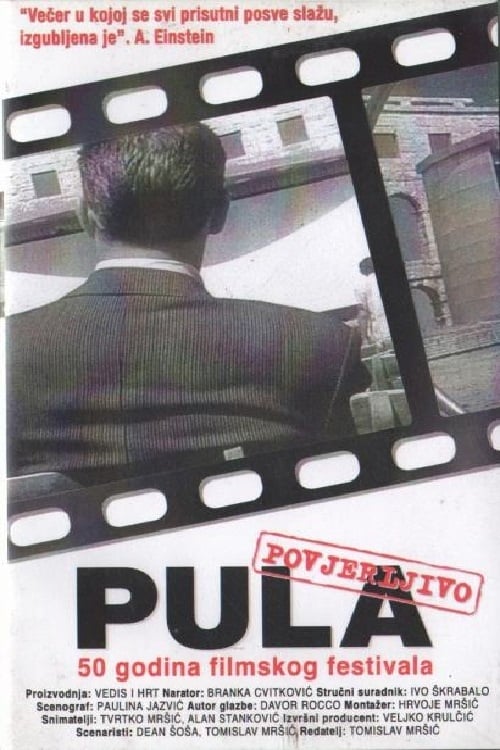
Pula Confidential
N/A

A documentary about the history of Yugoslavian Film Festival in Pula and ex-Yu cinema in general. Many legends of ex-Yu cinema were interviewed here.

Pula Confidential

2003
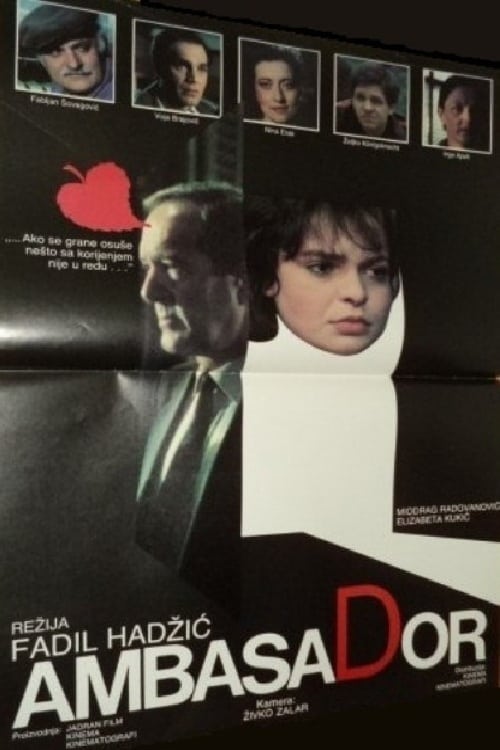
The Ambassador
4.8

Vlado Miljkovic, a former member of the International Brigades in the Spanish Civil War, partisan fighter and retired ambassador, lives in his villa in Zagreb with his children whom he lost contact with, if he ever had one. His daughter Mickey is morbidly devoted to the worship of the cult of her dead mother, and attempts suicide in a state of distress; son Roni plays drums in a rock group and engages in a car theft, while the eldest son Mark has achieved a prestigious career as a doctor, but has problems with his demanding wife and asks father to borrow him money. Complex family relations in the ambassador's house bear witness to central heating repairman...

The Ambassador

1984
Official Position
7.2

The managers of a textile enterprise use various scams to obtain all kinds of personal benefits, until the machinations exposed.

Official Position

1964
The Enchanted Castle at Dudinci
8.0

A project from the Kićo series: The Enchanted Castle in Čačinci, later changed to The Enchanted Castle in Dudinci – Čačinci was found on a map, and Vukotić needed an imaginary name of the place. Screenplay was written by Fadil Hadžić, main cartoonist and animator is Vukotić, scenography (perhaps the best in his career) is created by Ismet Voljevica. Music was composed by Vladimir Kraus-Rajterić. Nikola Kostelac appears as the assistant to the main cartoonist, and Vilim Firšt as the assistant for animation. Assistant director is Irena Vrkljan.

The Enchanted Castle at Dudinci

1952
No image
7.3

'Tajna dvorca IB' is a balletic musical, dialogue-less, propaganda rendition of Cominterne's Resolution used by Stalin to regain his rule over non-Soviet communist countries, especially Tito's Yugoslavia. This film can be considered as one form of Tito's propaganda response to Stalin's demands. Set in a metaphorical state, it describes the alchemical creation of Resolution in a desolate castle where enslaved Communist leaders work under Stalin's command. When the Resolution, in shape of a young woman, is released to the public, workers and citizens despise her and she returns to its' creators, her fate showing them that Yugoslav people are against Stalin's rule. This film remains a curio even for the most knowledgeable connoisseurs of Yugoslav film.

The Secret of I.B. Castle

1951