Nebojša Pop-Tasić
Writing
Known For
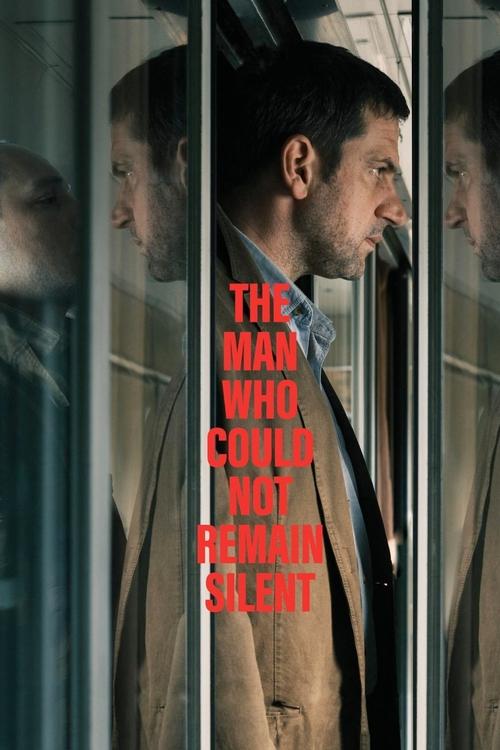
1993. A passenger train from Belgrade to Bar is stopped by paramilitary forces in an ethnic cleansing operation. As they haul off innocent civilians, only one man dares to stand up to them. This is the true story of a man who could not remain silent.
The Man Who Could Not Remain Silent
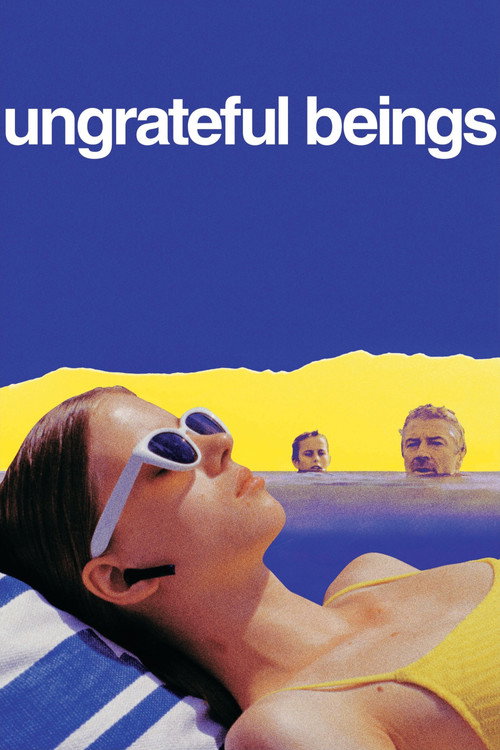
Hoping to keep his recently fractured family together, David takes his children, Klára and Teo, on holiday to the Adriatic. There, teenage Klára, who struggles with an eating disorder, falls in love with a local boy, Denis. When Denis is accused of murder, Klára's condition worsens, and she ends up in hospital. The desire to save her is the only thing that unites her parents, and crisis situations call for drastic measures.
Ungrateful Beings

Brothers joint apartment will become too small for both of them and all their loves and whose experiences they drew material for the series.
All My Brother's Girlfriends
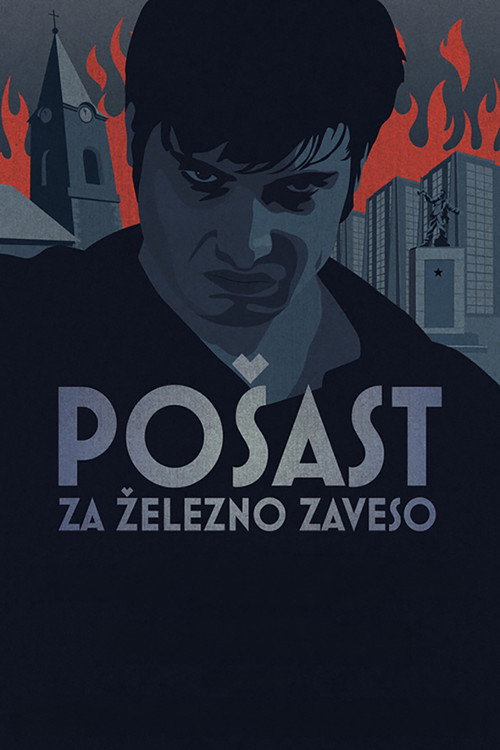
In 1948, in the fragile post‑war countryside of socialist Yugoslavia, Marjeta gives birth to twins, Metod and Cilka. Withdrawn and volatile, Metod grows up in near isolation, shaped by a suffocating bond with his mother and a world marked by violence and repression. His impulsive behavior brings him into repeated conflict with society and the law, eventually leading to psychiatric treatment. After returning home and taking a job as a warehouseman, he appears outwardly stable, but inwardly deteriorates under the weight of alcohol, hallucinations, and relentless inner turmoil — until one night, the monster he has long concealed finally emerges.
The Monster Behind the Iron Curtain

A couple embark on an early vacation. Left alone, their children cut loose until the boy gets caught for skipping school and things take an unexpected turn. Boasting exquisite camera work, the film is also unforgettable for its wholly original ending.
Family Film
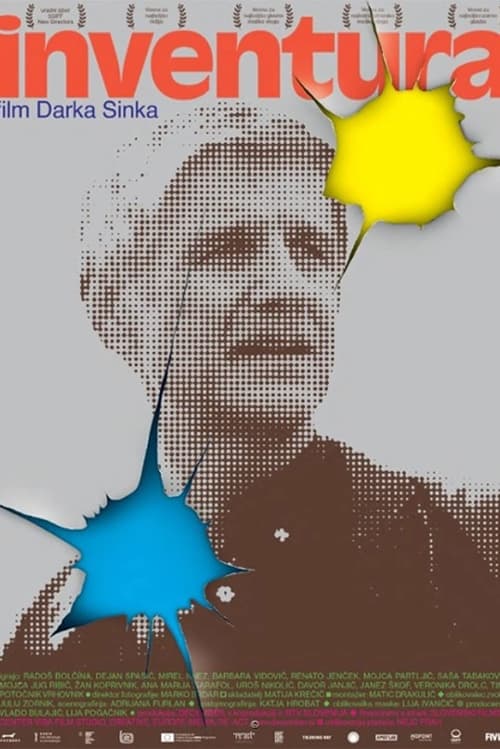
Boris Robič is, as we say, an ordinary kind of bloke. One evening, however, someone tries to shoot him. The investigations reveal nothing. No enemies, no suspects. You could say that Boris is the last person anyone would want to kill. After the police close the investigation, Boris decides to make his own inquiries. As he searches for the suspect, we see the tragi-comedy unfold of a man who discovers that a lot more people hate him than he ever realized and that the way he sees his own life was an illusion.
Inventory

Marija, Boko, Irena and other neighbours have a picnic in front of their apartment building. Suddenly a jet-fighter flies overhead. Later Peter, who flew this plane and is the son of Irena and Boko, formerly an officer in the Yugoslav Peoples Army, also arrives. Four years later the war for Slovenia breaks out and Yugoslavia is falling apart. Marjan and Bokos families, which used to be on friendly terms, are now inimical. Marjan wants to shoot the soldiers of the Yugoslav Army with an air gun, and Boko does not know what to do. Things get worse, Peter calls from the airport and an air-raid alarm forces them to seek refuge in a bomb shelter. But Marjan does not want Irena and Boko there, as they are supposed to be enemies of Serbia. Someone burns the Yugoslav flag and everyone has to run outside, while jet fighters are already flying over the apartment buildings.
Sky Above the Town
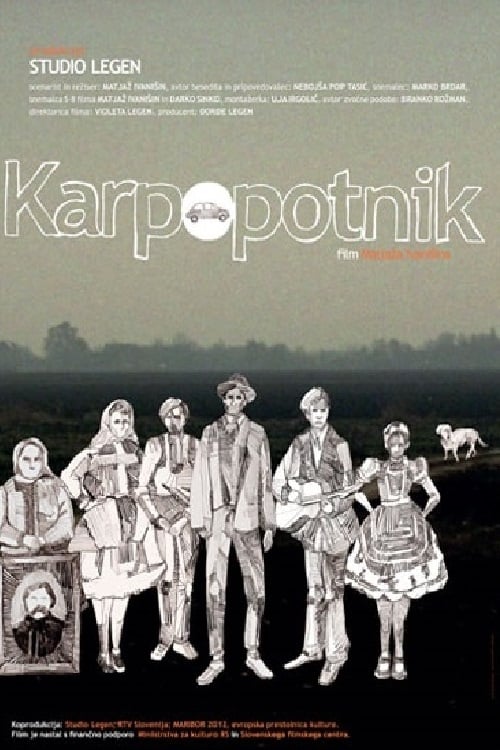
Karpotrotter is a road movie about place, time, and memory, as well as an homage to filmmaker Karpo Godina, whose work flourished during the Black Wave of Yugoslav filmmaking in the late 1960s and early 1970s. Contemporary filmmaker Matjaz Ivanisin retraces the footsteps, 40 years later, of his compatriot’s road trip through small villages in the rural countryside. Constructed from Godina’s 8mm footage from this journey, Ivanisin interlaces this material with landscape footage from his current road trip and contemporary interviews of the citizenry who recall Godina’s visit decades earlier; period folkloric music augments the soundtrack. The filmmaker structures his film in five sections that articulate the local character of different villages. Richly multi-layered in both temporal and spatial terms, the filmmaker constructs a poignant meditation about the local village culture and inhabitants of this rural region of the former Yugoslavia.