Writing
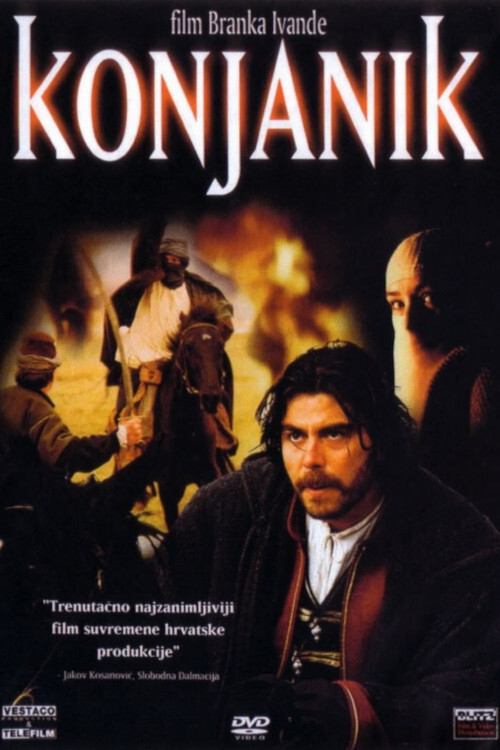
In the mid-18th century, the modern day border between Bosnia and Croatia, wasn't just a border between two countries. It was a border between two political powers,The Venetian Republic and the Ottoman Empire, and their respective religions, Christianity and Islam. But, in the midst of that passionate conflict between the East and the West, a romance blossoms between Ivan Revač, a young Croatian assasin working for a local aristocrat, and Leyla, the daughter of an Ottoman bey.
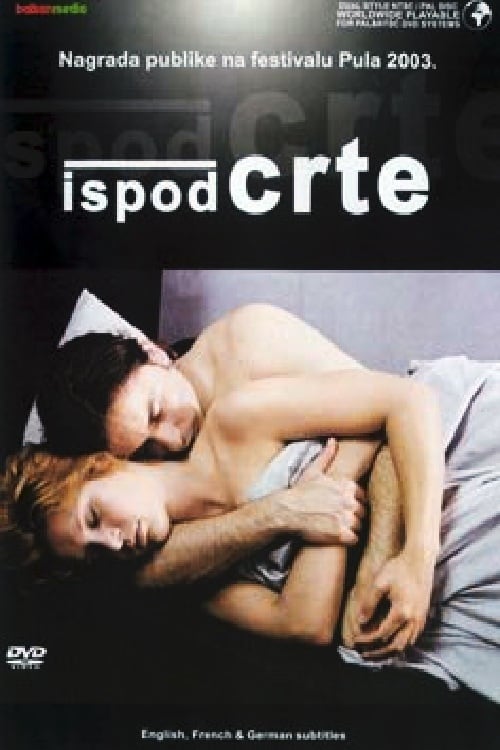
Tena, a young Slavonian woman becomes aware of her own beauty which makes her fall into a state of moral decay. Her newly discovered promiscuity eventually makes her fellow villagers turn on her.
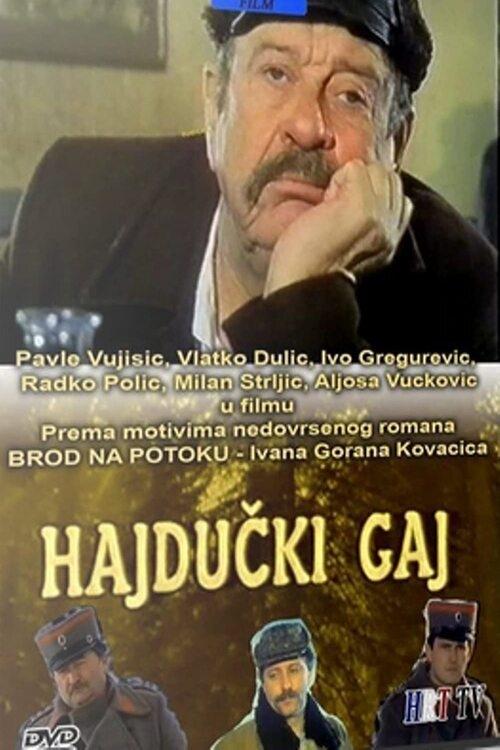
Ignored by the stories of the hawks and their weapons, little Tugomil can not resist the desire to shoot from the shotgun shot by his father Tomo. The boy will realize that he was flawed only when the old Martin was surrounded by gendarmes.
In this TV film, the action takes place in the Bay of Kotor in 1918, where the famous revolt of sailors of the Austro-Hungarian fleet happened, here reconstructed in the form of a docudrama.
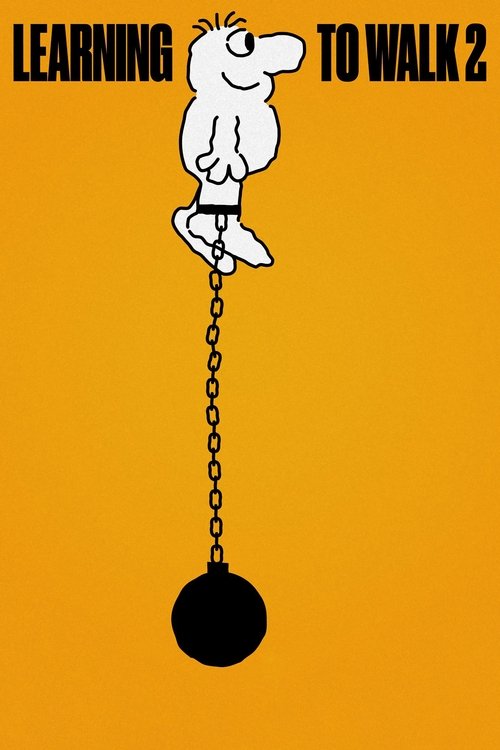
Learning to Walk 2 offers a portrait of the legendary animator Borivoj Dovniković Bordo through a long period of the artist's life, witnessing challenging social and political upheavals, focusing on those moments in which the artist himself becomes, in a way, his own main character. Through a combination of Bordo's animated works, comics and caricatures, this film seeks to speak about the freedom of creativity and seeks an answer to the eternal question: is there a systematic environment in which we truly and truly walk or do we walk lamely, as Bordo's universal hero does.
After Antun reports his abusive PTSD ridden war veteran father to the police for the attempted murder of his mother, his life slowly turns into a living nightmare.
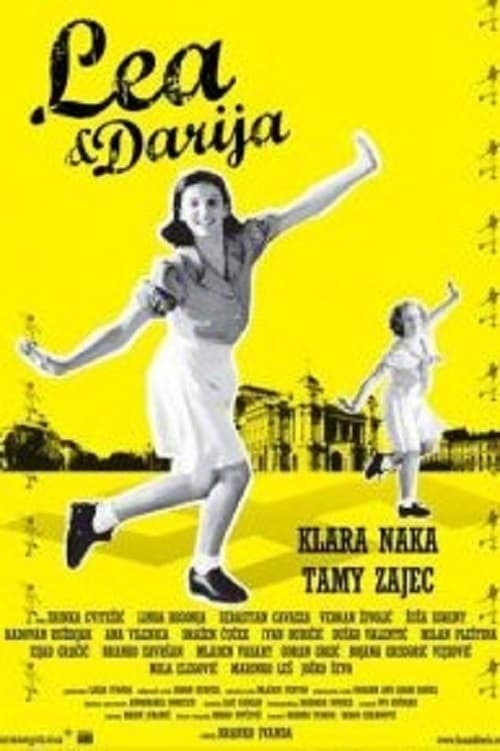
It’s inspiring true story about two thirteen-year-old girls who were, on the eve of World War II, great dancing and acting stars in Zagreb. Selling out theatre venues, they were praised in the most superb headlines by the Croatian and European press. They were filmed by Parisian Pathe and Berlin’s UFA… During the Nazi persecution of Jews and the later German nationals’ flight from communists, a dramatic friendship was born through entertainment, dance, but also anxiety. This led towards an unexpected end.