
Valentina Vladimirova
Acting
Known For

Fitil is a popular Soviet/Russian television satirical/comedy short film series which ran for about 500 episodes. Some of the episodes were aimed at children, and were called Фитилёк, Fitilyok, Little Fuse. Each issue contained from the few short segments: documentary, fictional and animated ones. Directed by various artists, including Leonid Gaidai who presented his famous trio of Nikulin, Vitsin and Morgunov into the cast. It was called in USSR as "the anecdotes from the Soviet government".
Fuse
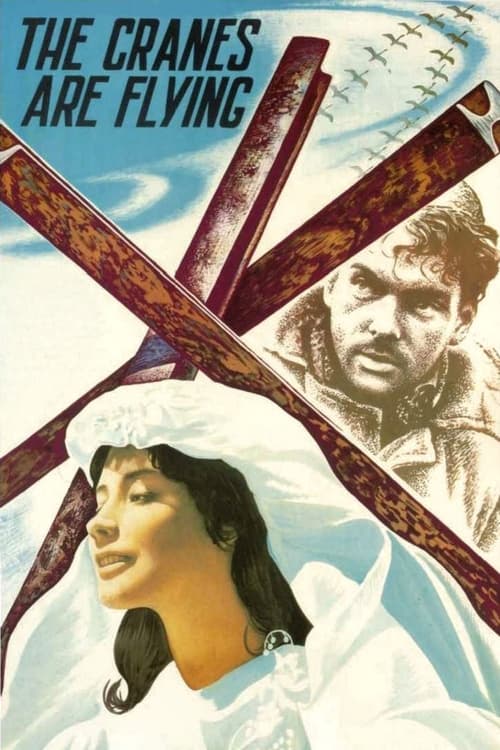
Veronika and Boris come together in Moscow shortly before World War II. Walking along the river, they watch cranes fly overhead, and promise to rendezvous before Boris leaves to fight. Boris misses the meeting and is off to the front lines, while Veronika waits patiently, sending letters faithfully. After her house is bombed, Veronika moves in with Boris' family, into the company of a cousin with his own intentions.
The Cranes Are Flying
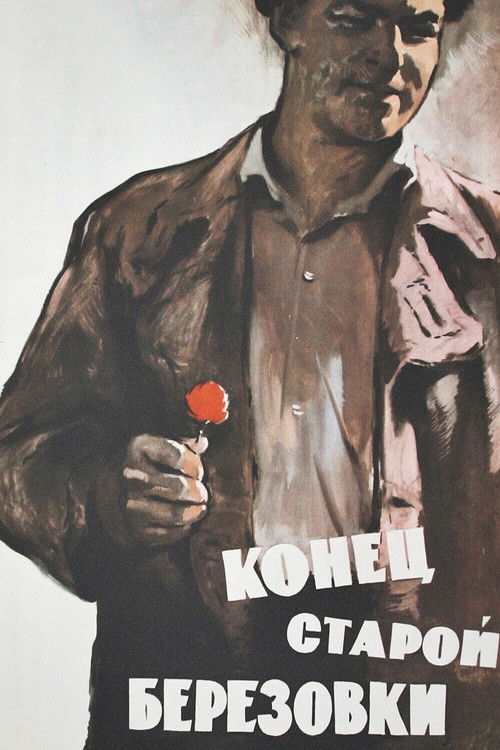
Once at Borka, a big prankster and fidget, an adult friend appeared — the builder Ivan Degtyarev. Former sailor directed Borkin's energy in the right direction and made him his assistant. Soon a disaster happened in the Borkin family. His sister Liza will soon become a mother, and the father of the unborn child did not want to marry her and avoided meeting. Ivan tried to unite the young, but his attempts were unsuccessful. Having fallen in love with Lisa, he proposed to her — and soon the young happy family moved to a new home.
The End of Old Beryozovka
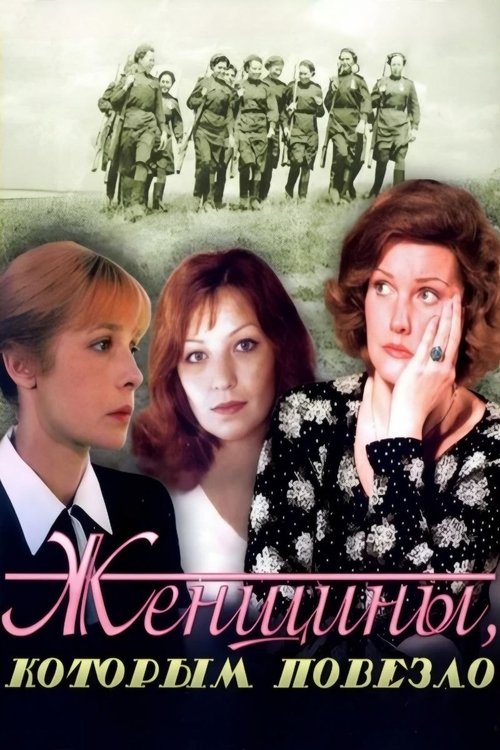
Plot revolves around the post-war decades and tells about the fate of former participants of the Great Patriotic War - Vera Boglyuk, Nina Verkhovskaya, Dusya Koroleva, Zina Skvortsova and Natasha Druzhinina.
Women Who Got Lucky
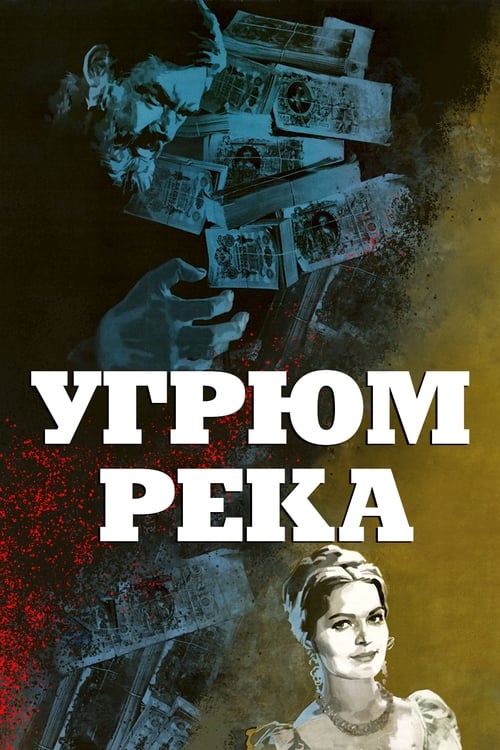
Story is set in deep Russia, on a wild river in woods called "Ugrum-reka" - the Moody river. Son of a dishonest trader, Prohor Gromov wants to become his own man. He takes his fathers order and goes trough the woods to deliver the furs to the byer in the nearest town. He tries to take the shorter way and get`s lost. At the highest point of this, his fathers servant, Abdulla, who is sent with him to guard him almost shoots him driven by hunger, but comes to the senses and saves his life by continuing to go on.
Ugryum-River
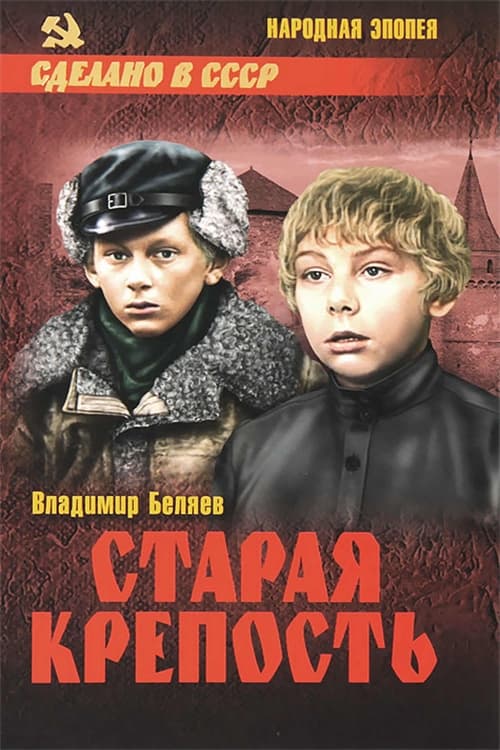
The Soviet propagnda film follows young people from Ukrainian Kamianets-Podilskyi during the revolutionary battles for Soviet power, spanning from pre-revolutionary times to the 1930s. It depicts their experiences in a gymnasium, labour school, cadet dormitory, and their involvement in conflicts against Petliura’s forces and German interventionists, highlighting divisions by social status and political views. It consists of three parts: "Commissar Sergushin" (episodes 1-3); "The Haunted House" (episodes 4-5); "The City by the Sea" (episodes 6-7).
Old Fortress
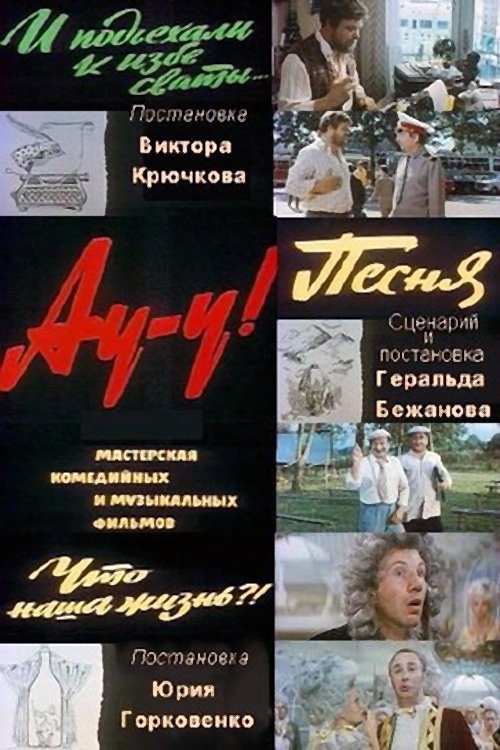
The film comprises three cinematic novellas: (1) “And They Arrived at the Peasant’s Hut… or the Adventures of Writer Senya in Search of the Hidden Word,” in which writer Senya draws inspiration for his rural novels from his housekeeper Yermolayevna’s tales; (2) “The Song, or How the Great Louarsab Organized a Choir,” where a city visitor attempts to form a choir of centenarian elders in a Georgian mountain village; (3) “What Is Our Life?! or What Is Our Life?!”—during a musical reenactment of pre-Revolutionary France, a drunken actor’s tardiness forces King Louis XIV (also the theater committee chairman) and the cast to improvise the play’s ending.
Au-u!
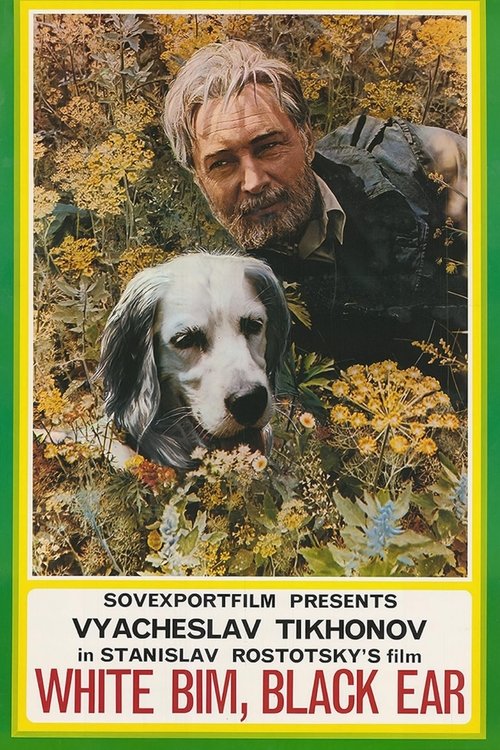
A touching story about a white Gordon Setter with black ear, who became homeless because of his master's illness. His master, Ivan Ivanovich, a man far from being young, fond of hunting and nature, took a puppy to live with him, despite the dog's black ear being a "shame of nature" to his breed. The man always took his dog, whom he called Bim or Bimka, to hunting in country. Later, however Ivan Ivanovich began to have problems with heart and when the disease became worse was taken to a hospital. His dog couldn't bear waiting for the only person that ever cared for him and set out to find his master. Thus began the story of a homeless dog and his many breathtaking and exciting adventures, encounters of many people, kind and evil, and leads to an unexpected and heart-rending end.
White Bim Black Ear
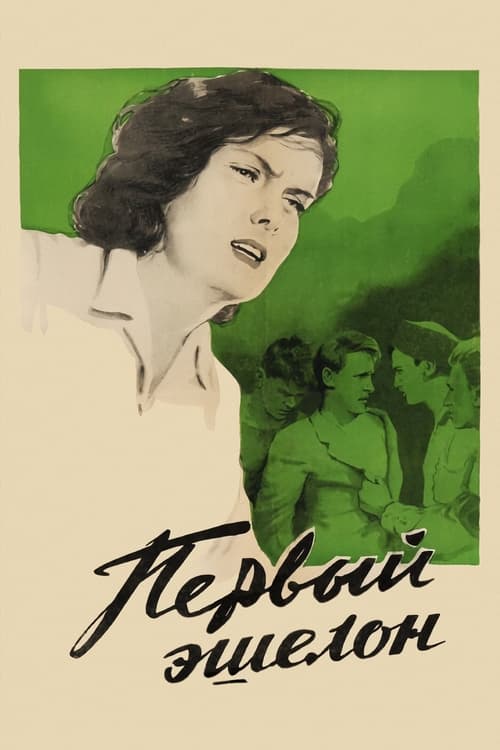
In one of the steppe regions of Kazakhstan arrives on Komsomol youth squad. Severe frosts, spring mud flows, exhausting work than their specialty - the development of virgin land does not come easy. But the young are young - they work, enjoy life, fall in love. In the center of the story - the touching romance secretary of the Komsomol organization and tractor driver Anne.
The First Echelon
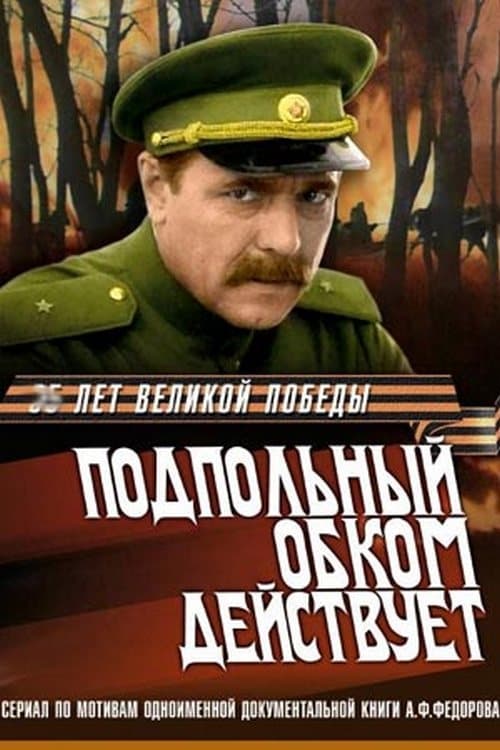
About the partisan movement in Ukraine.
The Underground Regional Committee Is Active
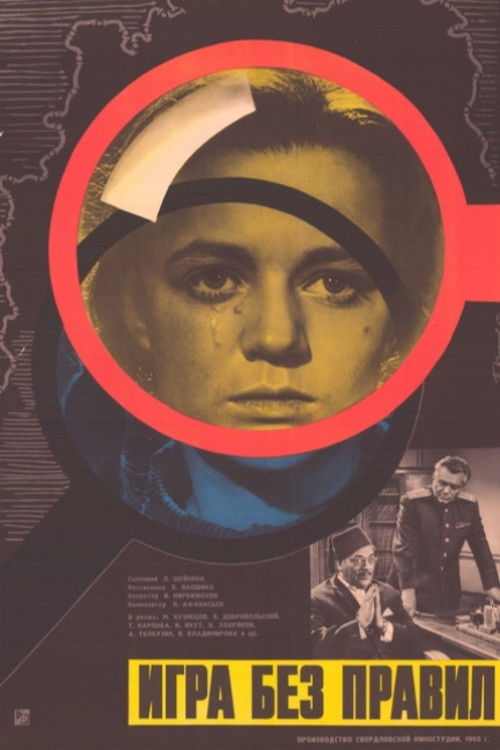
The Second World War is over. The post-war Germany is divided into several responsibility zones. Still many Russian people languish in camps located in the American zone. Though former allies are in no hurry to let them off to the motherland, and even try to enroll some of them. The American intelligence agency gets to know that they've got a daughter of one of the West Germany cities commandant, whose brother is a famous soviet rocket engineering designer. They plan a crafty operation on the discrimination of the Russian colonel and introduction of the niece into the uncles design office. The Russian Intelligence service is also aware of the Americans interest in the designers works. The special department colonel Lartsev is coming from Moscow to Germany to prepare a reciprocal operation.
Game Without Rules
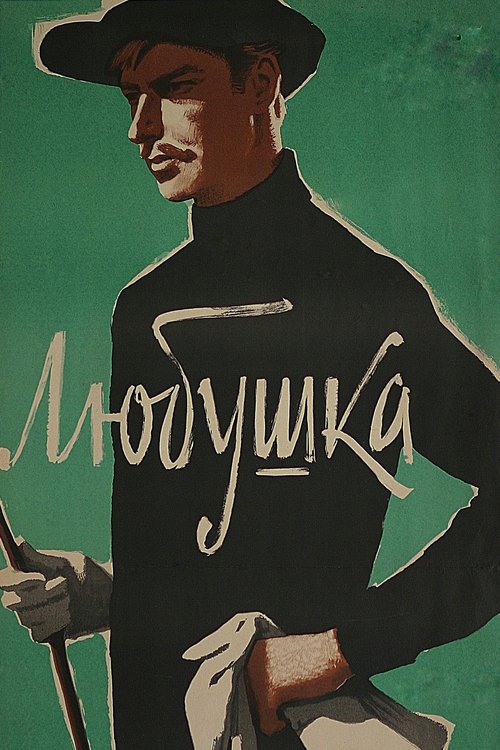
Bandits took away a beautiful horse from peasant Nikita Lykov and left him a nag instead. The peasant began to nurse the horse, which turned out to be a famous Oryol trotter named Lyubushka.
Lyubushka
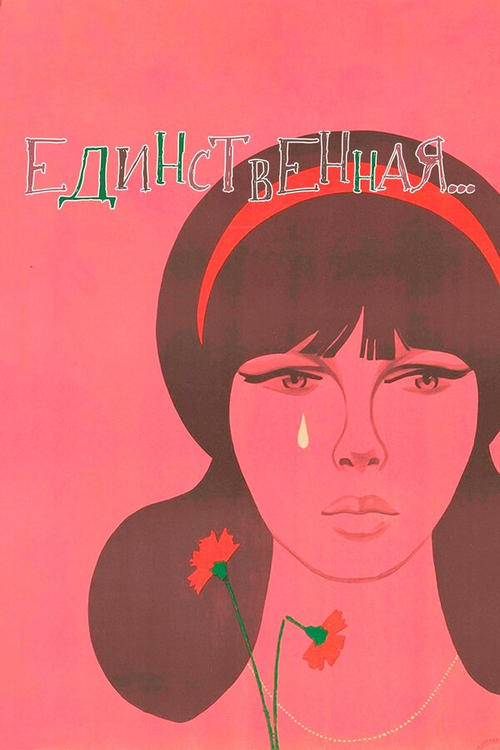
Kolya Kasatkin, who saw in his wife Tanyusha the ideal of female charm, tenderness, kindness, who loved her to the point of oblivion, was at a loss before the idle conversations of well-wishers about his wife's betrayal. Having found his wife with the choir director, Nikolai demanded a divorce. Continuing to love each other, the former spouses are unhappy in separation. Kasatkin's new hasty marriage did not return his peace of mind. In daily agony, in the pursuit of a past life, he also lost his old dream — to live and work in the Far East, where he served in the army. Both realized too late that love does not forgive hasty decisions, that it must be able to keep and protect.
The Only One
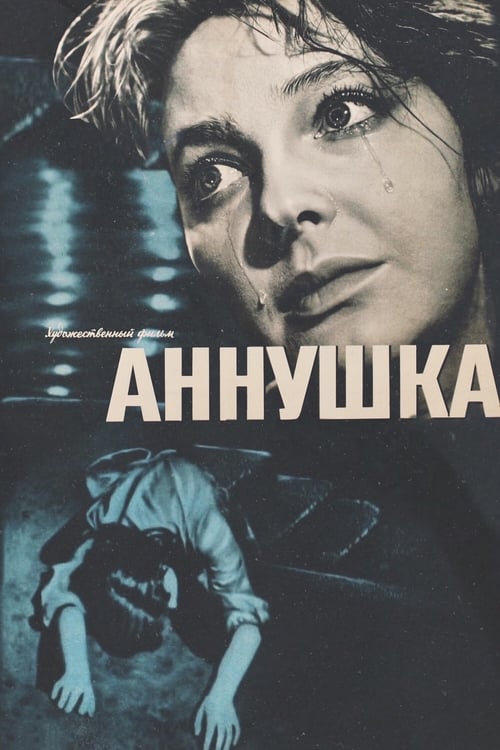
The main character, Anna Denisova, is a simple Russian woman, on whose shoulders all the hardships of wartime fell. Like all her compatriots, Annushka did everything in her power to bring Victory Day closer. In this war, she lost her husband, Pyotr, but managed to save the lives of her three children — Sasha, Nina and Granata. The trials of Annushka didn't end with the end of the war. In the first years of peace, all survivors had to survive the famine and spend their last strength on rebuilding the country.
Annushka
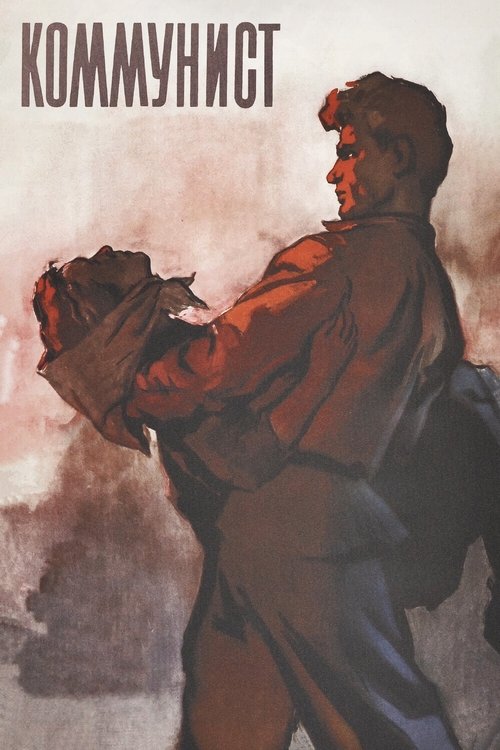
A young ordinary communist, Vasiliy Gubanov, was among many who took part in the construction of the most important facility for the young republic, the power plant. He did his job in a way that was beyond human ability. He could love, too, with a passion and a passion for self, but his life was cut short very early.
The Communist
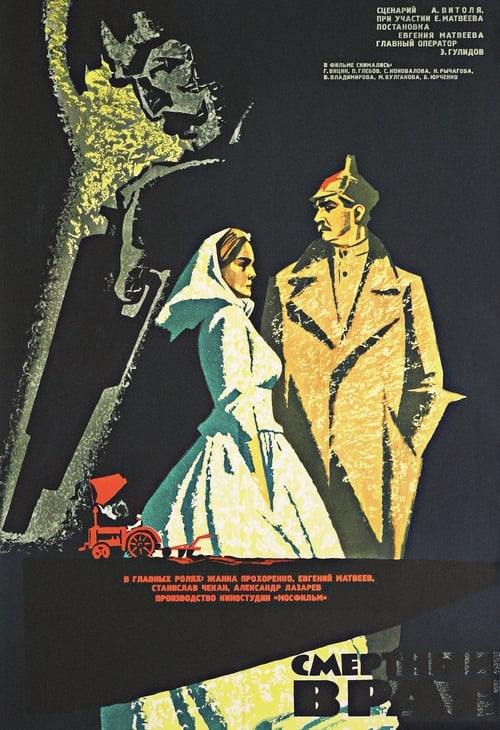
Based on the Don stories by Mikhail Sholokhov. Soviet power was only established on the Don, and a conflict broke out in the first commune: the wife of the commune’s leader Arseniy Klyukvin, having believed the promises of the white officer, fell in love and went to live with him with the child. She doesn't want to hide her feelings, but unable to withstand the bestial attitude of a white officer, she returns back to the Bolshevik.
Deadly Enemy
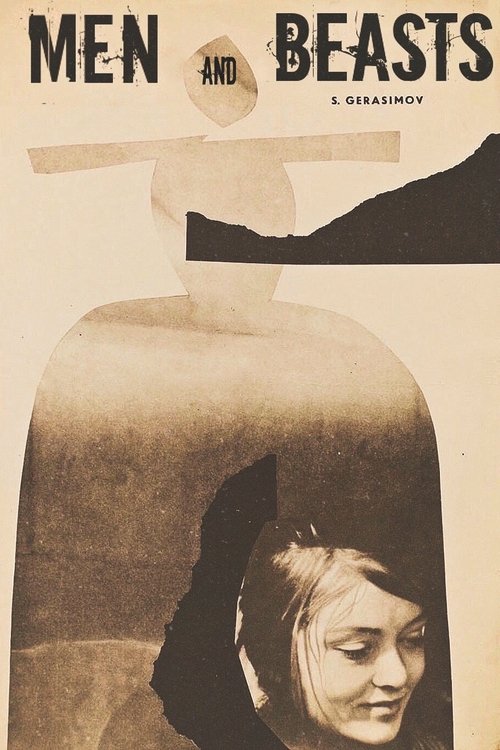
The plot is based on the dramatic fate of the Red Army commander Aleksei Ivanovich Pavlov. Having been captured in January 1942 and being among the displaced persons, he didn't immediately decide to return to the USSR. Having rolled around the foreign country for 17 years, Aleksei nevertheless returned to his homeland. He goes to his brother in the south of the country to Sevastopol. Aleksei accidentally meets the doctor Anna Andreyevna, who was saved from death in besieged Leningrad. She travels by car from Moscow and also to the south, with her daughter Tanya; she suggests he join them. Aleksei tells about his life on the road.
Men and Beasts
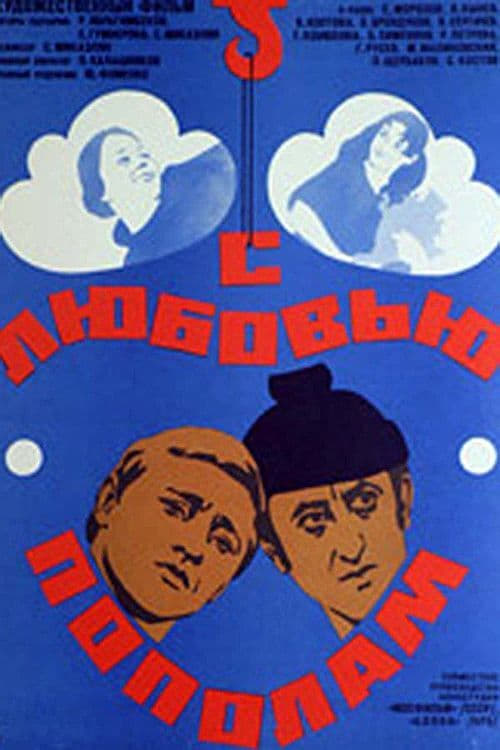
The Russian Kostya and the Bulgarian Petko work at two different sites of a gas pipeline spanning the whole length of the Soviet Union. Just of a few kilometers and there will be ribbon cutting, awards and bonuses. However, it is a fertile Russian land. The two brigadier friends go around all instances, they ask and plea. For "rebelling activities", the brigadiers are criticized. A new inquiry is submitted to Moscow. The reply is slow. Then the workers decide to change the terrain on their responsibility. The last welding is complete. The managers come, so does decision for a change in the design.
With Shared Love

White Bim Black Ear (Russian: Белый Бим Чёрное ухо, translit. Belyy Bim, Chyornoe ukho) is a 1977 Soviet drama in two parts directed by Stanislav Rostotsky. It is based upon the book of the same name, written by Gavriil Troyepolsky and is about a white Gordon Setter with a black ear who becomes homeless because of his master's illness.
White Bim Black Ear

Zina is sixteen. She is a manipulative schoolgirl living in a small Russian town among sincere and simple people. Zina is nice on the surface, but so unable to enjoy normal life, that she is desperately trying to hurt someone. She tries to seduce and compromise a handsome young man, but he is smart enough to see through her and escapes from her trap. Zina manipulates her classmates so she looks like a victim. Now Zina's teacher, Vera, a sweet and loving lady, takes care of her trying to save the troubled girl, but in return, Zina becomes extremely crafty to hurt the teacher.