Acting
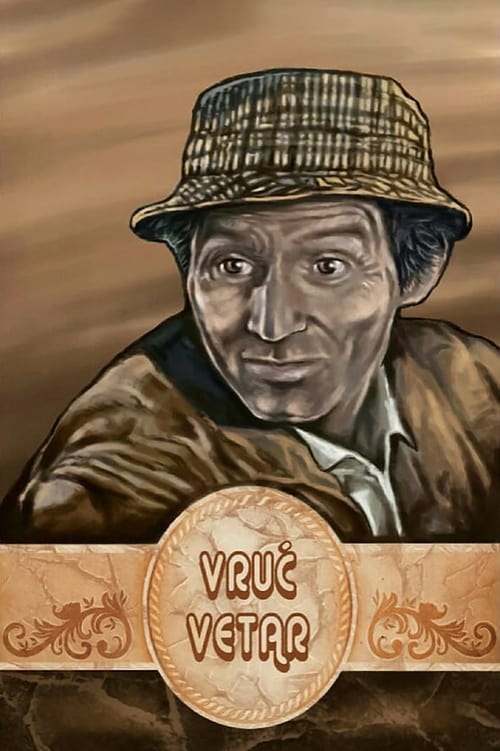
Vruć vetar is one of the most popular Yugoslav TV miniseries that aired in 1980. The show and movie cut from scenes of the show were popular in neighboring countries-also very popular in Czechoslovakia. Its main theme became very popular and enjoying a bit of a cult status. The story follows Shurda, a man in his 30s, who comes from a small town to Belgrade to get rich. However, as no job is good enough for him, he tries his luck in Germany, but this venture proves to be the same, so he returns to his native Yugoslavia.
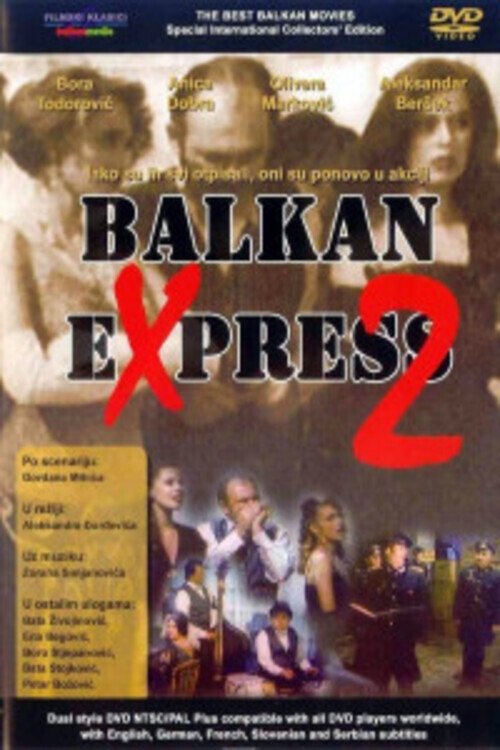
TV series made as an extended version of an eponymous feature film. A quintet of small-time crooks that works under disguise of a musical band become the supporters of Partisan resistance movement in WW2. Being forced to escape to another part of the occupied territory, they hide in "Marlene Saloon" forgetting that the bordellos of the kind are an ideal place for espionage during the war. They get more problems than peace and rest and the tragicomedy starts.
A high school class tries to remove the arrogant teacher Olga known as Dragon by petitioning and boycotting her. The climax ensues when she decides not to release students go home earlier to watch the important football match between Yugoslavia and France, which triggers them all bunking off.
The story of a young writer who tries to save his personal identity while facing the corrupted environment and temptations of a love affair.
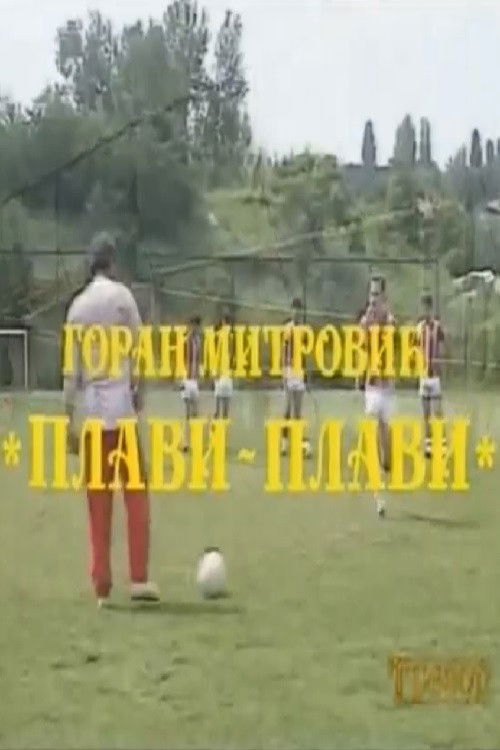
The story follows a ten-year period before WW2 in a fictional town of Gradina, Serbia and its residents, which went through the turbulent events like the Great Depression and the rise of fascism. But the most important segment of the story revolves around rivalry between two city's football clubs - Radnicki and Gradjanski.
The plot is set in the first half of the 1980s and follows daily life problems of the Krkić family, the conflict of generations, corruption in the agricultural cooperative and personal problems of ordinary people in a small village. The series is an excellent illustration of the last years of life in socialist Yugoslavia, attempts to reform society and the abuse of individuals who use their position for personal gains.
Two people stuck in the elevator get romantically closer.
A 1972 Serbo-Croatian language drama film directed by Jovan Acin, starring Slobodan Perović, Renata Ulmanski and Marko Todorović.
The story of the birth of a love between two young people, about its duration, with all the difficulties and beauty that it brings, the closing of that love because of conflicts with exaggerated dynamics and false values of contemporary life.
The action is set in the Paris Commune, established in 1871 after the Franco-Prussian War, and the play follows the historical events surrounding this revolutionary uprising. The main character is the pacifist teacher Gabrielle Langevin, but historical figures such as Gustave Courbet also appear.
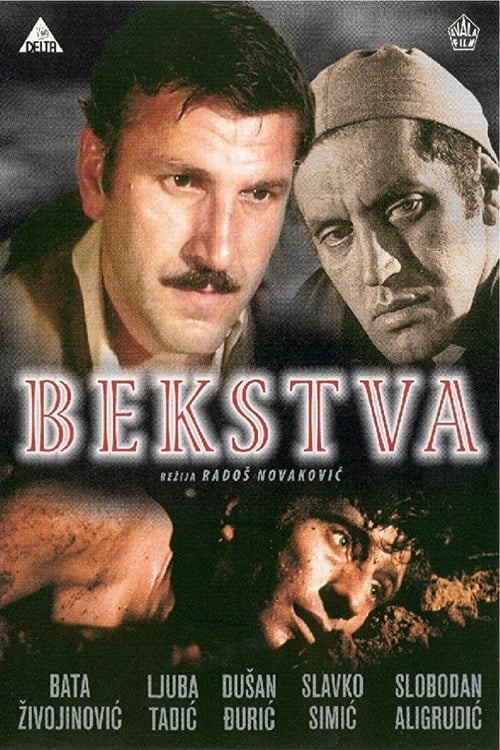
A 1990 Serbo-Croatian language drama film directed by Aleksandar Fotez, starring Nebojsa Bakocevic, Ljuba Tadić and Branislav Jerinić.
This series follows Tesla's life from his childhood in Simljan (near Gospic) in nowadays Croatia (then Kingdom of Croatia-Slavonia, part of Austria-Hungary) to his death in New York, USA.
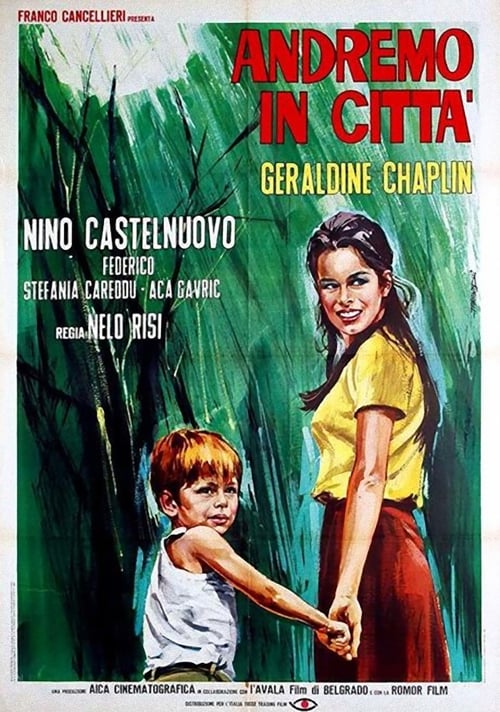
"Andremo in città" (We'll Go to the City) is a 1966 Italian drama film directed by Nelo Risi. It is based on the novel of the same name by Edith Bruck, Risi's wife. Bruck, a Hungarian concentration camp-survivor, settled in Italy after the Second World War and wrote about her experiences in autobiographical and fictional formats.[1] The film stars Geraldine Chaplin and Nino Castelnuovo.
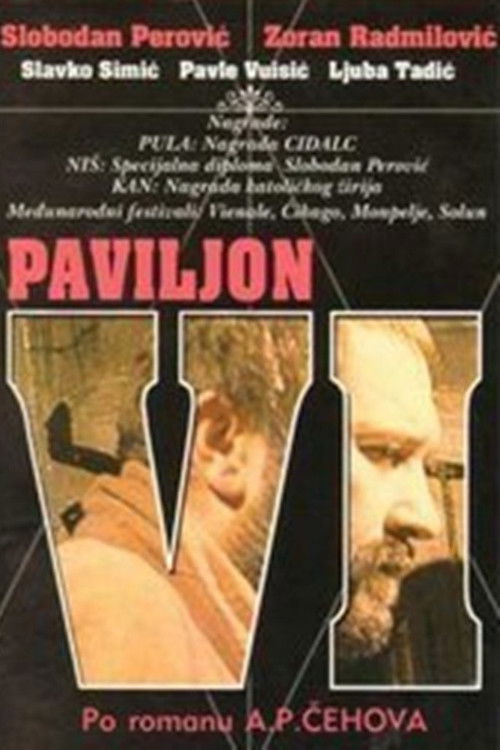
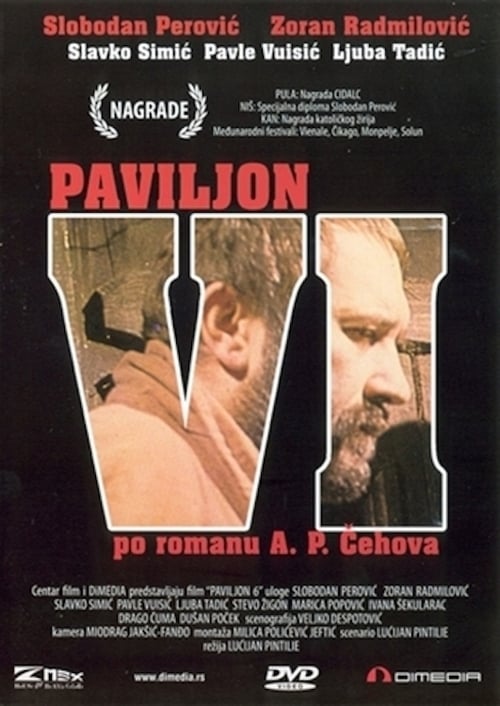
A doctor from provincial town in Tsardom of Russia meets his former student in Ward 6, where the story takes place. Impressed by his rebellious spirit and clever remarks, he tends to spend more time with him while also indulging in meditation, only to be ridiculed by his fellow colleagues. Based on a Chekhov's work of the same title.
Being an apprentice and a master of such craft is of vital importance. This is about speaking. The orator’s profession can be useful at work, but in the family it has all the negative consequences.
Illustrations of human conscience in animated and real scenes.
A parable about a man who lost his memory. The drama criticizes the milieu that’s become totally false and hypocritical.
A study of the mental breakdown of a doctor in a remote rural village. He believes himself intellectually superior to everyone except for a political prisoner in a mental ward. This is a metaphor on life under repressive governments, conformity versus individual expression.
Sfaira (1971-1984) dedicated to Pythagoras and Plato is a homage to two of his favourite spheroids: the Earth and the Sun.
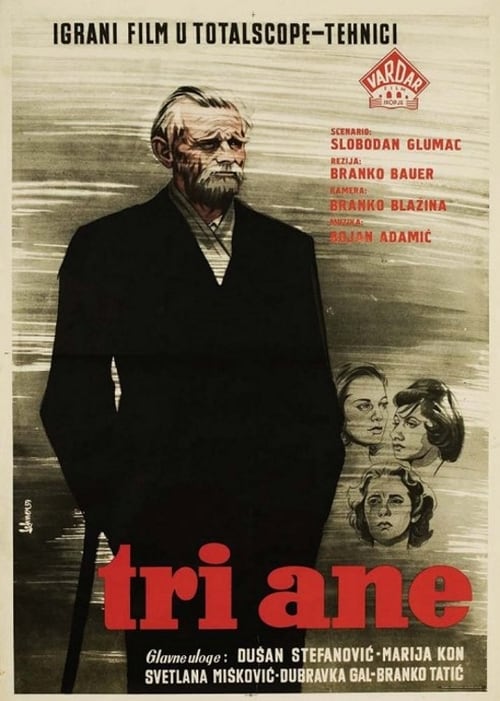
A retired tram driver tries to find his daughter named Ana whom he lost in the Second World War.