Acting
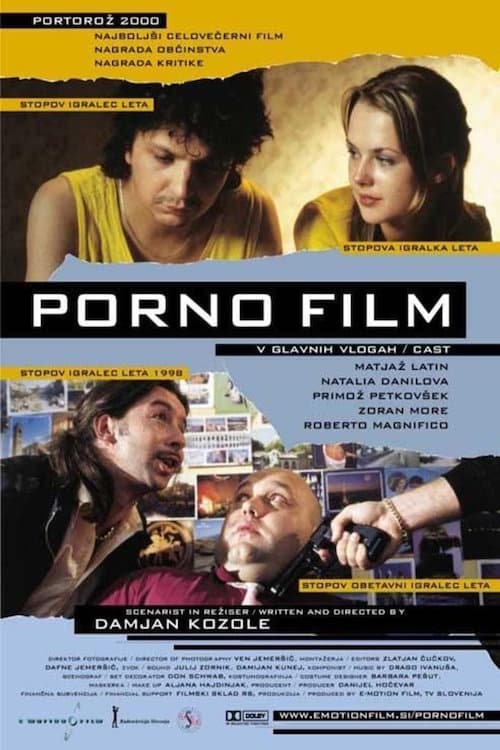
Charlie, the protagonist of the Slovenian film “Porno Film”, is so dedicated to his porn viewing that his two friends John and Frank jokes that he must have a PhD in pornography by now. Using Charlie’s extensive knowledge of all things porn, the trio sets out to make the “first real Slovenia porn film”, in Slovenian language and everything — except the women in the film are emigrated Russian hookers, and their Slovenian isn’t very good.
When it comes to crime, Belgrade is same as any other modern metropolis, except for having its own serial killers. That blank is filled when a flower salesman begins strangling women. A popular, but very disturbed rock star soon becomes telepathically connected with the killer.
Tom is a young guy from Zagreb, completely without money, trying to make films in Belgrade. He somehow manages to survive with a help of women. He doesn't believe in anybody, respects no one and is in constant conflict with the ruling system and order. After being left by a silly American girl, Tom binds with a woman whose husband is abroad. When she kicks him out, he moves in with her husband's sister, who later kills him in the attack of jealousy. All this is shown in the context of major historical events prior to 1968. with lots of archive footage of world leaders.
In a small European country, the king is scheduled to visit a small, quiet and "safe" village. It turns out that while the village may indeed be small, it's neither as quiet nor as safe as it's expected to be.
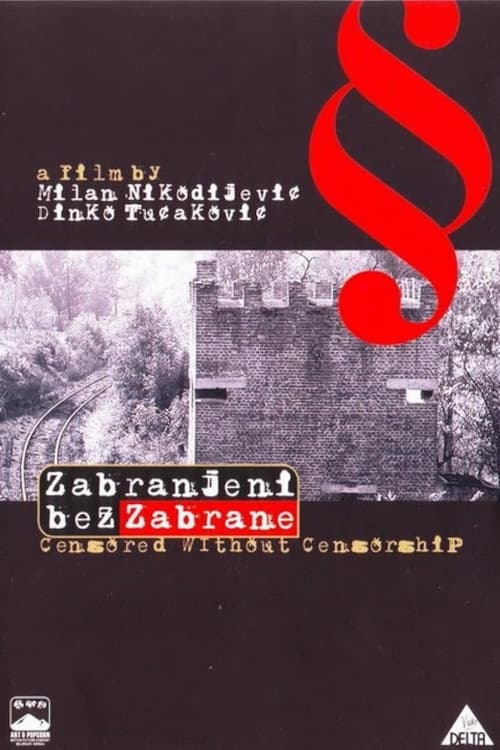
Through the conversation with Yugoslav film authors and excerpts from their films, this documentary film tells a story of a film phenomenon and censorship, and its focus is, in fact, a painful epoch of Yugoslav film called “a Black Wave”, which was the most important and artistically strongest period of Yugoslav film industry, created in the sixties and buried in the early seventies by means of ideological and political decisions. The film tells a great “thriller” story of the ideological madness which characterised the totalitarian psychology having left multiple consequences felt up to our very days. It stresses similarities between totalitarian regimes defending their taboos on the example of the persecution of the most important Yugoslav film authors. Those film authors have, however, made world careers and inspired many later authors. The film is the beginning of a debt pay-off to the most significant Yugoslav film authors.
Valent is a night shift worker who can barely feed his family. To add the insult to injury, every night he must pass near the butcher's shop with meat products he can't afford. But one night the shop is a scene of a gangland shooting. Valent picks up the bag full of money and a gun, and his life changes.
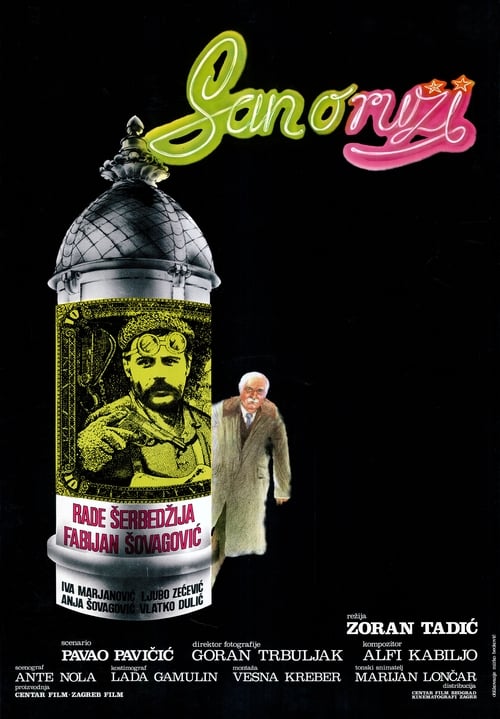
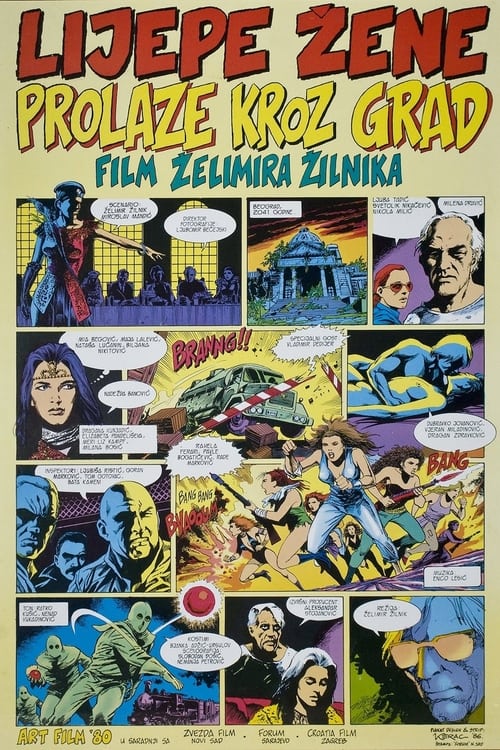
Belgrade in 2041 is a deserted city that looks like a dump yard. A few old men try to bring up a group of young girls in the old, traditional way of their Yugoslav ancestors.
No description available.
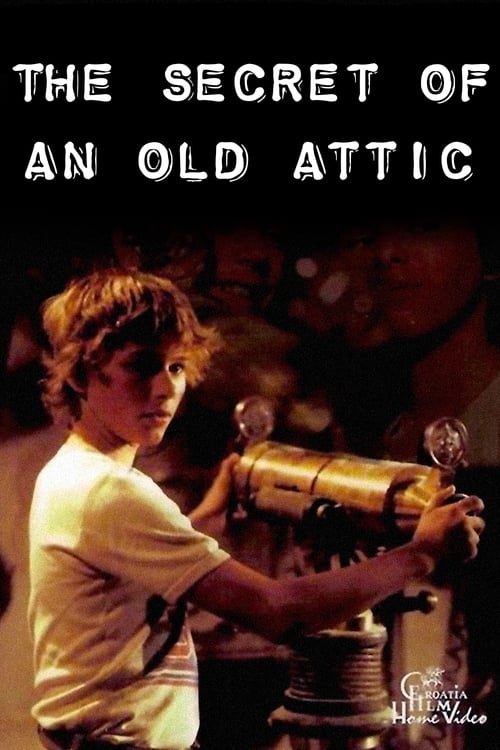
During a summer holiday, two boys discover an anti-gravity cannon in an old attic.
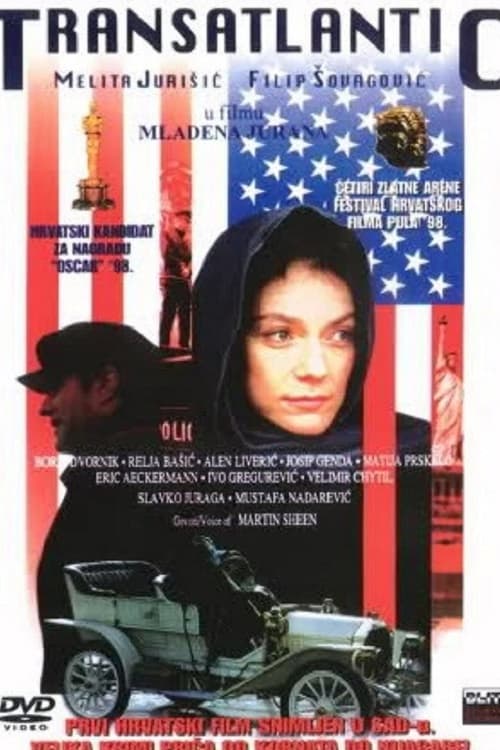
The Croatian coast, 1914. Europe is in shambles and fear of the brewing military conflict of The Great War is slowly eating away at all facets of society. Fearing mobilization that had already cost the lives of many of his friends and aquaintances, a young man decides to flee to the United States and join many of his fellow townspeople in a recently established worker's colony in New York. However, upon arrival, he realizes that the only way to survive is for him to get involved with organized crime.
On a hot summer afternoon in a city courtyard, a young man amuses himself by aiming air guns at random targets. The film examines the roots and manifestations of Evil, which will become the director’s permanent concern.
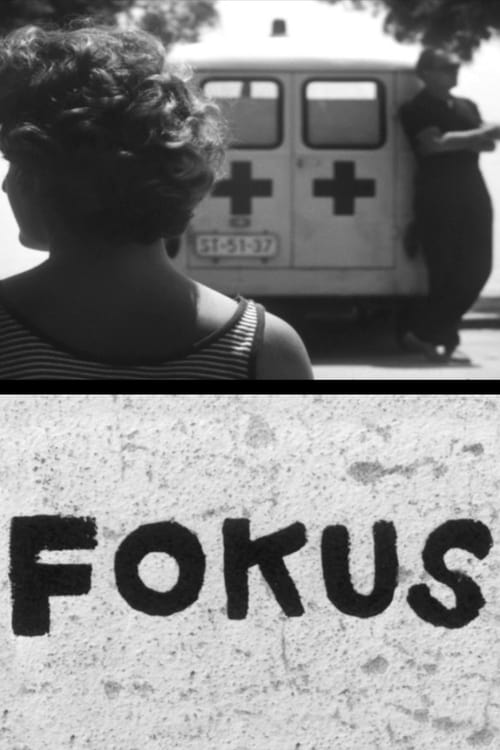
The Focus is the film about easy death on the Mediterranean sun.
Lifelong rivalry between police inspector and professional criminal escalates on New Years Eve, 1990.
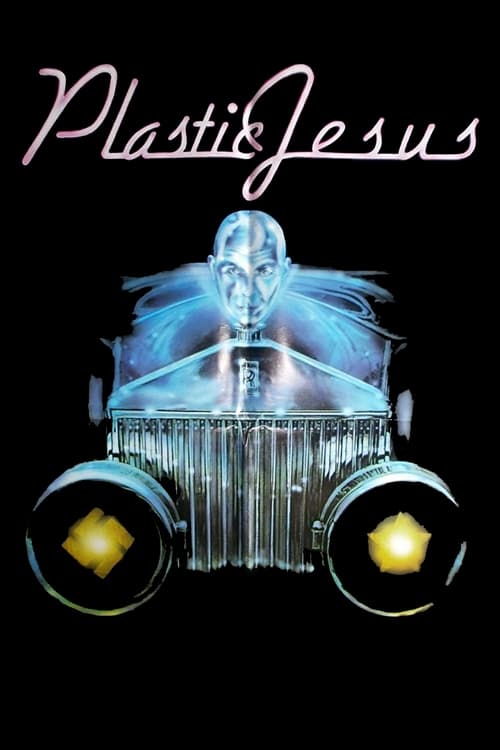
Experimental short film that combines pornographic and nazi symbolics.
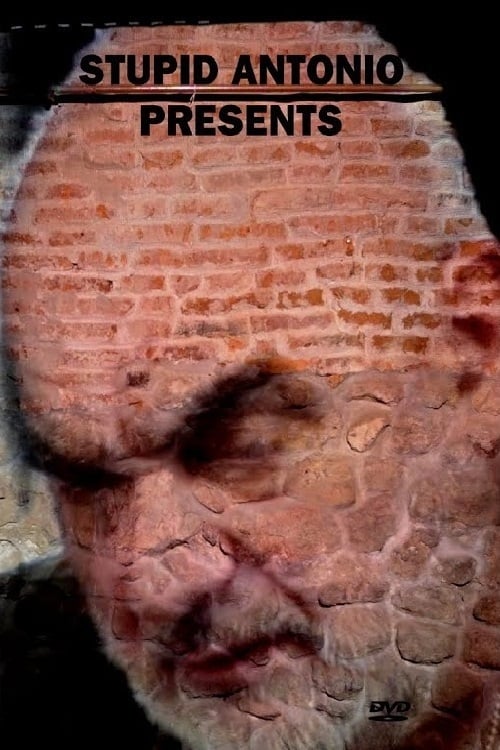
By using the ALTERNATIVE FILM/VIDEO 2005 New Film and Video Festival award, Antonio G. Lauer (a.k.a. Tomislav Gotovac) made a new film, based on his student films and archival film material.
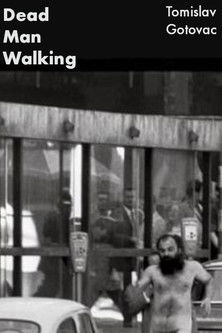
In 1981, Tomislav Gotovac carried out an unannounced action of being an artist begging for alms wearing a sign "Alms please! Thank you! Begging Artist" on the Triple Bridge in Ljubljana, which someone recorded from afar on film. The author overlaid the film with Tom's speech about how "the content of films is pure shit" and how it does not specify why some films would remain for the future. He shows this with the example of three films: Air Force (Howard Hawks), Battleship Potemkin (Sergei Eisenstein) and Triumph of the Will (Leni Riefenstahl)
Milan, a successful company director, is replaced, and he decides to find out why.
Eva is a widow bored with life, with her job as an architect, with her younger lover, and with her two teenage offspring. She is eventually assigned the job of redesigning the cells of a new prison, but even when her enthusiasm returns a little with the assignment, she is discouraged by the pseudo-intellectual stance of the prison warden and a non-communicative visit to her father. In an act of desperation, she steals some money and a gun - and fully intends to use them both.
An abstract, minimalistic showpiece of late structuralist film made up of 360-degree pans across a children’s playground – and to one of the gods of his cinephilic pantheon, Anthony Mann. In concrete terms, he alludes here to a scene in Mann’s Glenn Miller Story in which black-and-white documentary material from the Second World War is in experimental film fashion nightmarishly intercut into a scene, breaking with Hollywood conventions.
By using a "virtual collaboration" on the principles of delegated performance, the director uses Tom Gotovac's own performance from 2006, in which Tom completely naked "performs" himself, and then through the editing process he collages his film into previously shot scenes of the papal addressing to the people, alluding to his own, as well as Gotovac's ethical objection to the hypocrisy of an extremely influential institution. Deliberately crude editing, with a "bad feeling" that the film causes, becomes "their" conceptual artistic act which directly questions the role of the Church and its influence on the modern world of globalization, new economies, technologies and mass alienation.