Luc de Heusch
Directing
Biography
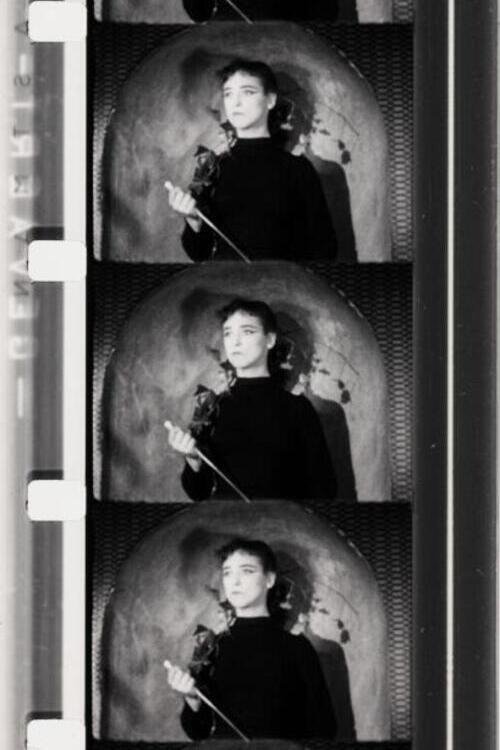
Luc de Heusch (7 May 1927 – 7 August 2012) was a Belgian filmmaker, writer, and anthropologist, professor emeritus at the Université libre de Bruxelles . His 1967 film Thursday We Shall Sing Like Sunday was entered into the 5th Moscow International Film Festival. Luc de Heusch began his career in film in 1947 as assistant to Henri Storck . From 1949 to 1951 he lived in an artists' commune, the Ateliers du Marais. In 1951, under the pseudonym Luc Zangrie , he directed Perséphone , the only film produced by the CoBrA artistic movement. In 1953 and 1954 he carried out anthropological fieldwork in the Belgian Congo and Ruanda-Urundi . Like Henri Storck and Charles Dekeukeleire , he also made documentary films about the Congo. From 1955 to 1992 he was professor of social and cultural anthropology at the Free University of Brussels , later Université libre de Bruxelles.
Known For

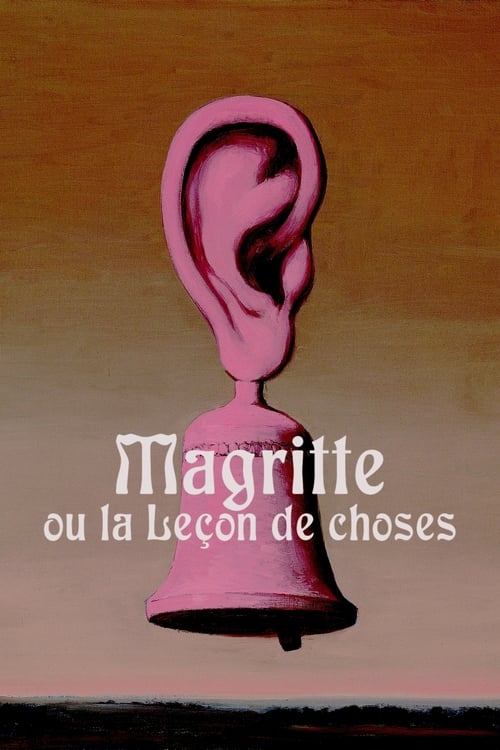
The surrealist painter René Magritte questions the objective reality and emphasizes the arbitrariness of the relationship between an object, its image and its name: the evocation of mystery consists of images of familiar things gathered or transformed in such a way that they no longer conform to our ideas, whether naive or wise.
Magritte or the Object Lesson

Documentary exploring why Belgian television doesn't invest more money in Belgian cinema as is the case in e.g. the netherlands.
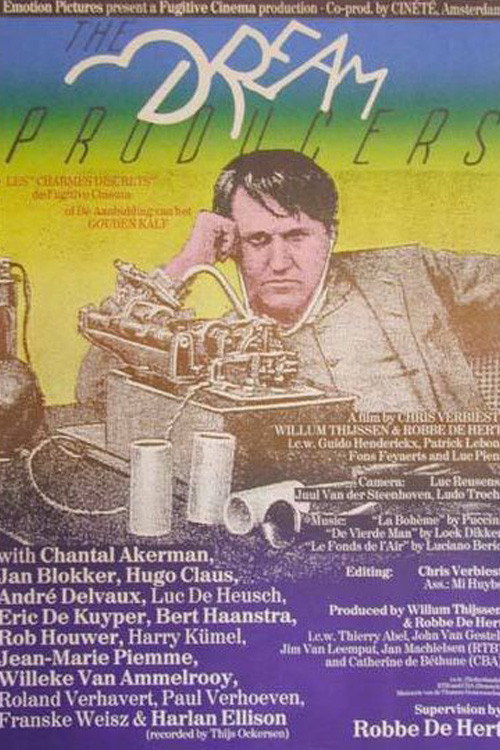
De droomproducenten

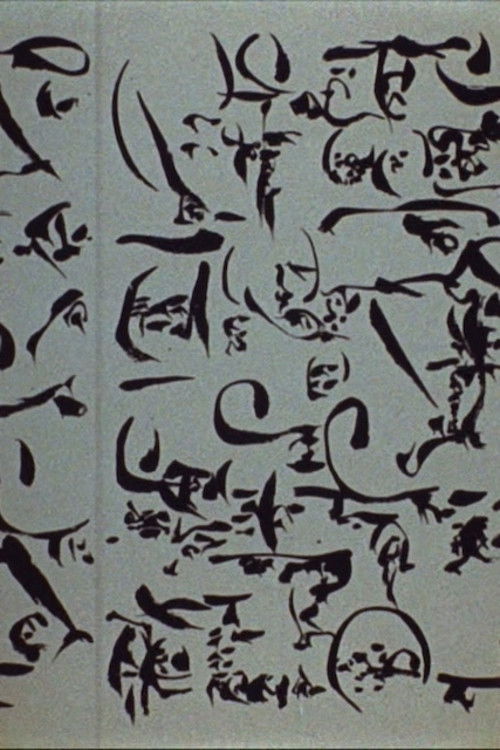
The Belgian poet Christian Dotremont, organiser of the COBRA movement, invents a graphic writing system
Dotremont-les-logogrammes

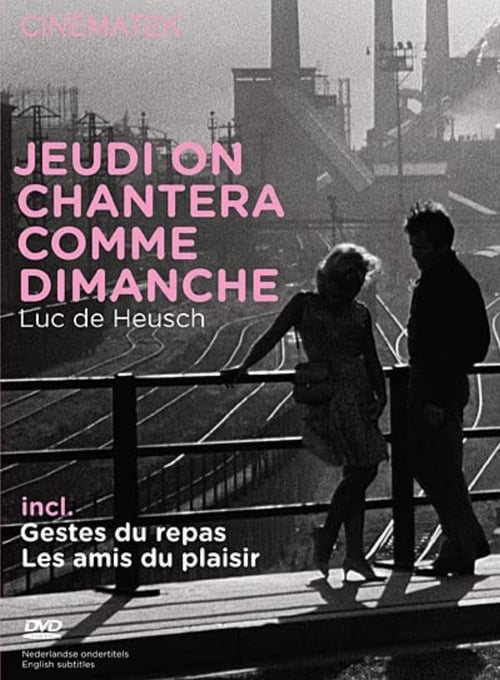
A bitter-sweet story of a young sales assistant and a truck driver trapped between their dreams and the economic depression.
Thursday We Shall Sing Like Sunday
Short ethnographic documentary on the Tetela tribe in Congo based upon footage and commentary by director Luc de Heusch from 1953 reassembled by Damien Mottier (Université Paris Nanterre) and Grace Winter (CINEMATEK).
Burial among the Tetela
Short ethnographic documentary showing some everyday life scenes based upon footage shot by director Luc de Heusch in Congo in 1954 reassembled by Damien Mottier (Université Paris Nanterre) and Grace Winter (CINEMATEK).
Nkumi, everyday life

No description available.
Perséphone

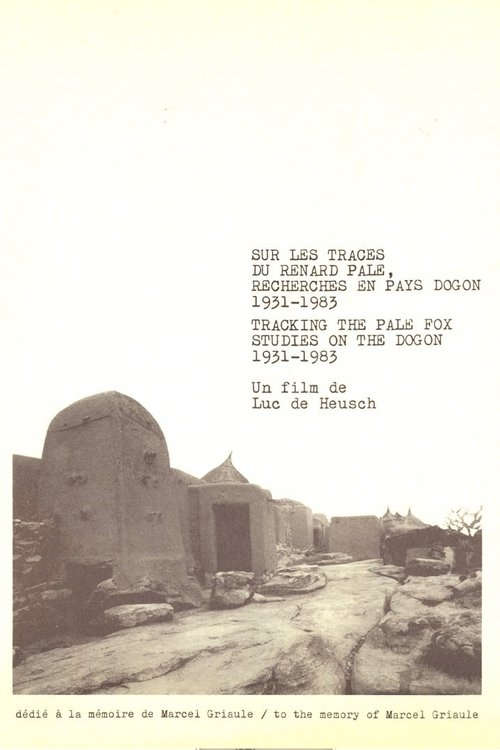
The filmmakers find the Abruzzo National Park to be the most suitable place in Europe to film the wild fox, one of the most elusive and fearful animals in the forest, with its proverbial cunning that allows it to escape all the traps set by man. For five months, the documentary filmmaker and his assistants live in these forests, observing the landscape and its inhabitants: deer, bears, wolves, wild boars, and roe deer. They manage to gain the trust of a female fox, accompanying her, waiting for her, losing her, and finding her again.
In the Footsteps of the Pale Fox
Short ethnographic documentary showing a leopard dance based upon footage shot by director Luc de Heusch in Congo in 1954 reassembled by Damien Mottier (Université Paris Nanterre) and Grace Winter (CINEMATEK).
Lotoko
Film edited and directed by Luc de Heusch using images never used that Henri Storck turned in Ostend in 1930 while he was "cinégraphiste" of the city.
Ostende 1930
A history of racialism in Rwanda, from the European colonization to the 1994 genocide.
A Republic Gone Mad: Rwanda 1894-1994

After Perséphone, his first film which he describes as “an experimental, mythological poem” and shoots under the pseudonym Luc Zangrie, he makes a portrait of playwright Michel de Ghelderode together with his friend Jean Raine. It introduces us to the world of a creator obsessed with and fascinated by death. If biographic references are present, they are only there in order to place the writer in the right setting: nostalgia for Bruges and Flanders, solitary wanders through a backward-looking, legendary Brussels. Ghelderode’s gravelly voice is the leitmotiv of the film, which focuses on rehearsals of his plays at the Théâtre de Poche and with the puppets of the Théâtre Royal de Toone. We accompany him into his study, a place of dreams and fantasy, full of baroque objects that define his world.
Michel de Ghelderode

No description available.
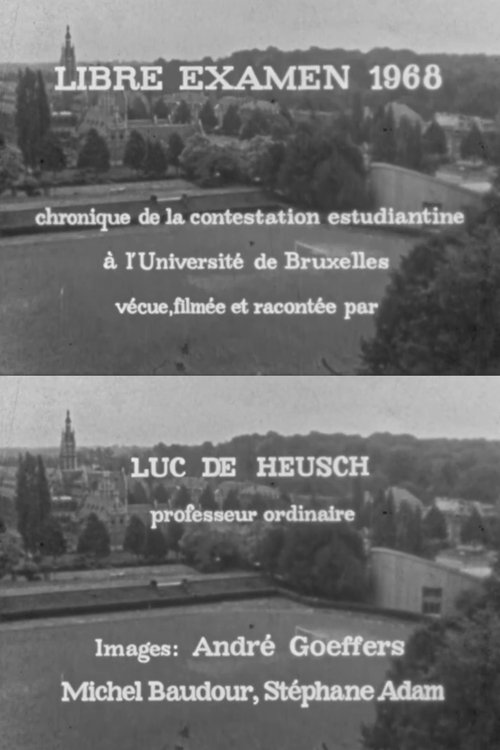
Libre examen 1968
No description available.
Fête chez les Hambas
The work and fantasies of one of the COBRA group's principal painters, with the participation of Alechinsky
Alechinsky d'après nature

Ethno-fiction: a sociological portrait of a small Belgian village, Moulbaix, through the passion for amateur theater.
Les amis du plaisir

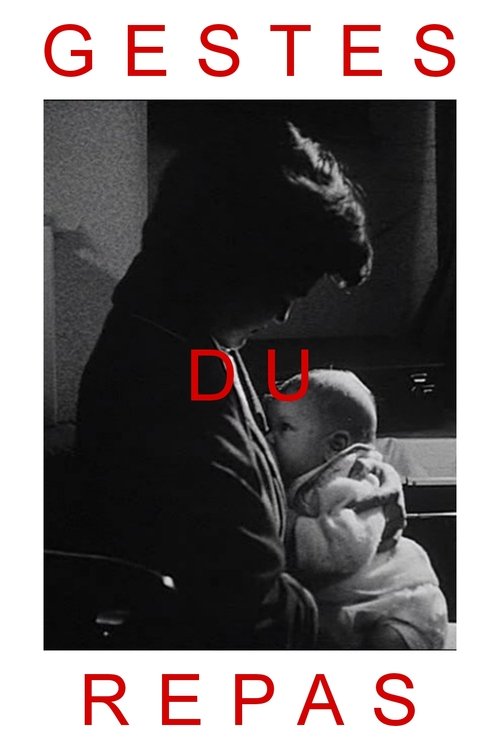
This ethnographic film sends us the image of the man who eats, a stark look at Belgium. We spend about one-eighth of our days eating. Luc de Heusch films these repetitive gestures that seem trivial, yet reveal so much of a particular culture and a civilization. From morning to night, from the market installation to dinner, from the daily and fast meal to the feast, the ethnologist is interested in all social classes. Originally, an attempt of cinematographic ethnography, neutral and distant, intended to define the Belgians by the way they eat. In fact, Luc de Heusch films his contemporaries as if they were Papuans.
Gestes du repas
From the young Ensor, brilliant artist, rebel and relatively unknown, to the esteemed Baron Ensor, who only painted scenes in which he plagiarized himself, Luc de Heusch provides an interpretation of a man and an oeuvre. A Sunday musician, out-and-out misogynist, talented utterer of curses, lover of the mermaid, seller of beach souvenirs, he left dazzling drawings and major 20th century paintings. At the centre of the film is the creative impotence he experienced halfway through his life. The setting is Ostend, queen of beaches, the city that he never wanted to leave, and the North Sea, beautifully photographed. A film on art which provides outstanding answers to the following questions: how to film a scene, how to find a dramatic structure, how to avoid narratives being too educational. The scenes are shot in full screen: the film imposes its format of continuity and narration on the museological ‘framework’.