Acting
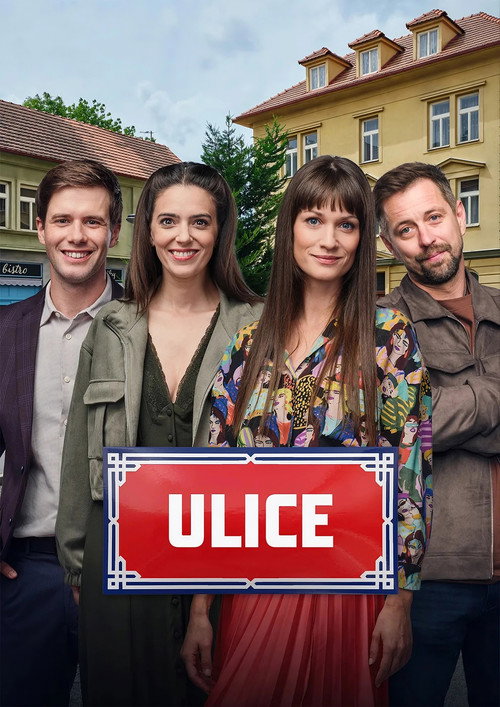
Ulice is a Czech soap opera produced and broadcast by Nova. In the Czech language Ulice means street. The show describes the lives of the Farský, Jordán, Boháč, Nikl, and Liška families and many other people that live in Prague. Their daily battle against real problems of living in a modern world like divorce, love, betrayal and illness or disease. Ulice often shows crime.
No description available.
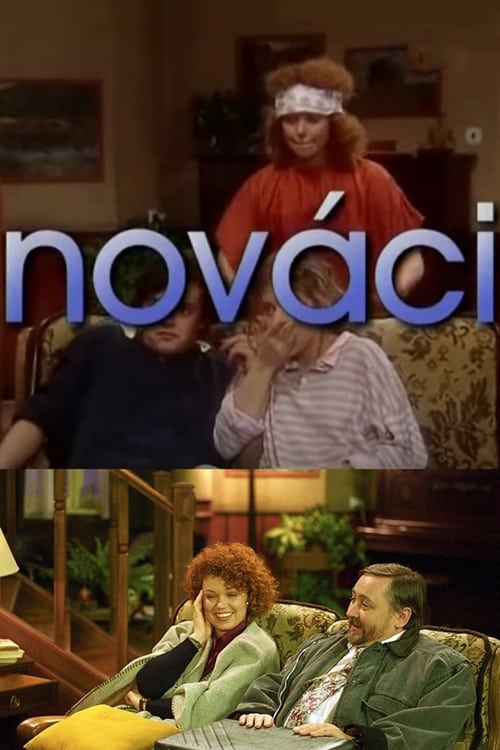
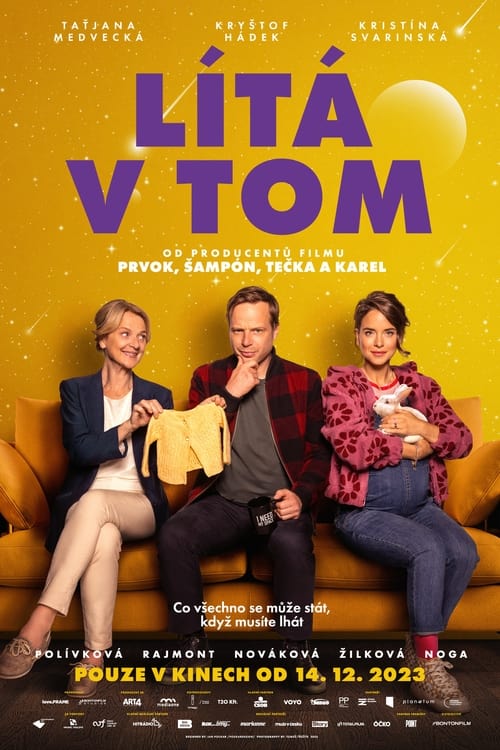
The misadventures of the Nováci family.
Iveta wants to be a famous singer. The journey leads from the children's choir through singing competitions, recording the first hit and record to nationwide fame. Iveta has to convince parents, jurors, producers, spectators. The only one who believes in her from the beginning is Petr Sepéši. Her first love. What is the price of a dream come true? The beginning of Iveta Bartošová's life story.
Black-and-white comedy about two young people who want to lose, finally, their innocence, and about life in a very boring city of Brno ...
The film, which opens with students arriving at a police academy, is a crazy comedy that is more a series of zany episodes and jokes than a coherent story. They are linked by a simple plot in which the commander of the police academy, Major Maisner, searches among his recruits for an alleged FBI spy and, after a not-so-subtle practical joke, gets into a dispute with his subordinate, a dispute that ends in a genuine bank robbery.
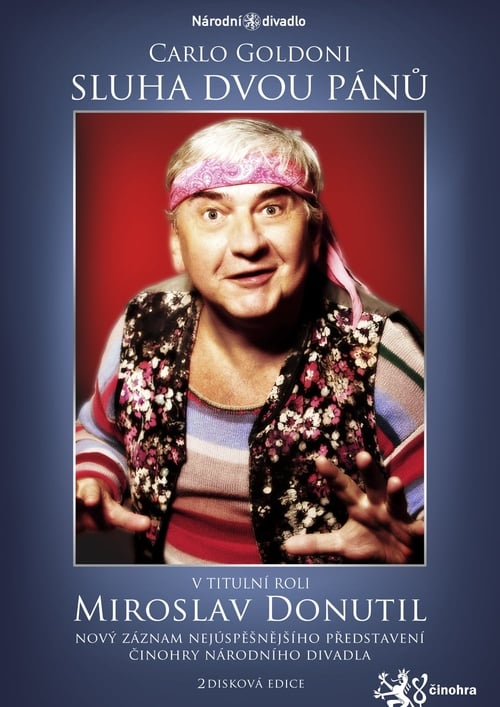
New recording of the most succesful play of Prague's National Theater starring Miroslav Donutil. Goldoni's comedy "Servant of Two Masters" is typical example of classical "commedie dell'arte". Beatrice arrives in Venice dressed as her brother who was killed by her lover Florindo. Florindo also escapes from Tourine. Beatrice hires Truffaldino, a servant who also lets himself be hired by another master to get twice as much money and food. The second master is indeed Florindo, who coincidentally accomodates in the same hostel as Beatrice...
Human kindness and purity in a corrupt world will never go out of style. This is proven by Fyodor Dostoyevsky's more than 150-year-old story "The Idiot," which continues to inspire new adaptations and resonates with contemporary audiences thanks to its timelessness.
A cheerful fairy tale about a prince whose parents wanted to cure him with a magic potion. The king and queen are very unhappy with their son's irresponsibility, as they would like to marry him off and hand over the reigns of power to him. They therefore invite the witch Valentina to the castle to prepare a magic potion of responsibility for Prince Hector. However, the potion is too strong, and so everything begins to unfold a little differently than the royal parents had imagined.
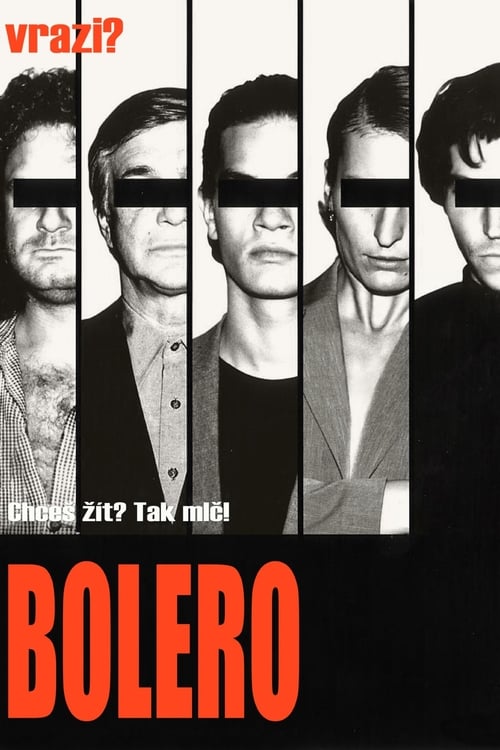
The story begins at the airport in Bandung, an abstract, attractive city somewhere in Southeast Asia, where Czech tour guide Tomáš Egermaier witnesses the arrest of 21-year-old Patrik Lovický. It is only back in the Czech Republic that he learns that the man arrested had attempted to smuggle four kilograms of heroin out of Bandung. Egermaier's surprise is all the greater when he discovers a plastic bag with five videotapes for a camera on the conveyor belt at Ruzyně Airport. Together with Egermaier, we then watch the story of Patrik Lovický, his girlfriend Elena, and her mother Michaela on the videotapes.
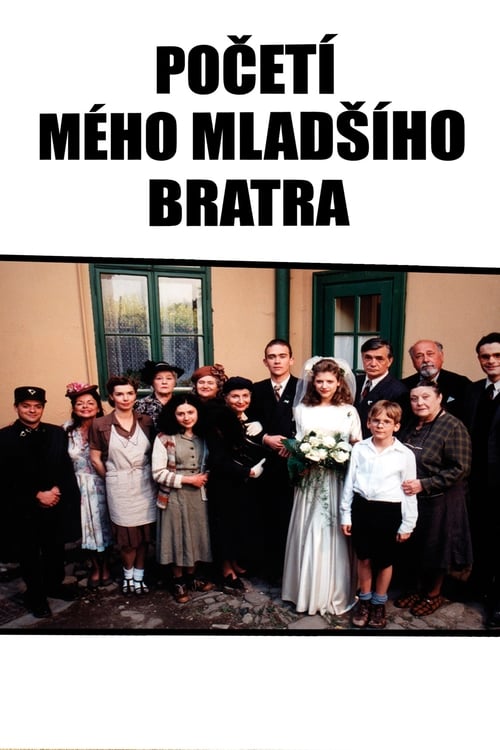
Director's memoirs of his childhood in a lively tenement house, in particular one hot summer day in 1949 when all tenants gathered to celebrate the wedding of the landlord's daughter. Small details slowly reveal that the narrator's recollection of the events may not be altogether correct.
The psyche of a ruthless secret agent in Cold War Czechoslovakia begins to unravel when he obsesses over the girlfriend of a suspected subversive he is tracking. This taut political thriller is a bleak and potent rendering of the emotional destruction wreaked by totalitarianism.
"A documentary anatomy of mass murder for one monitor and 34 talking heads." These are the words the filmmakers use in the credits to describe their project, which thematises the execution of more than 260 Carpathian Germans, Hungarians and Slovaks by Czechoslovak army soldiers near Přerov in June 1945. The “massacre at Přerov” is made present through a minimalist dramatisation of the interrogation footage of direct participants, eyewitnesses, and others. It is as if the characters of ancient theatre were entering the Zoom “stage” and delivering a tragic message of fear, hatred and disinterest across the chasm of time.
A fairy tale full of mystery, love, and heroic battles. A story about the love of Knight Cornelius and comedian Vendelin for a mysterious beauty, about whom legend says that when she cries, real pearls roll down her cheeks.