Acting
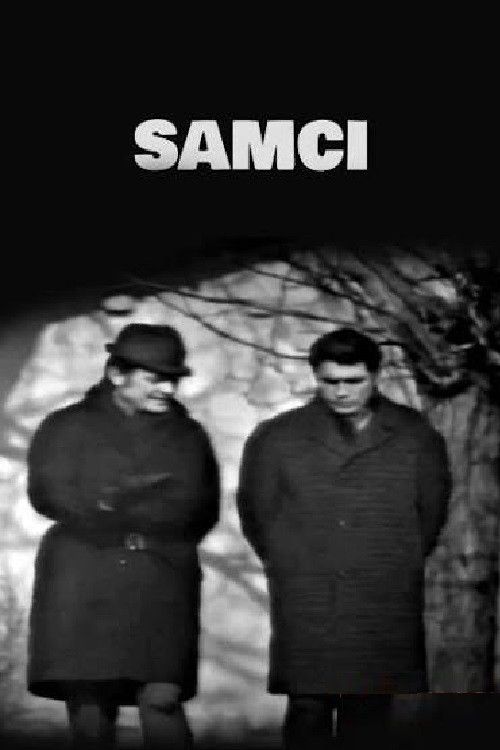
Samci is a Yugoslav black-and-white television anthology produced by RTV Belgrade and broadcast in 1968. It consists of seven episodes, which are short romantic comedies. It was directed by Aleksandar Đorđević and written by Gordan Mihić.
Adaptation of an eponymous Albert Camus novel.
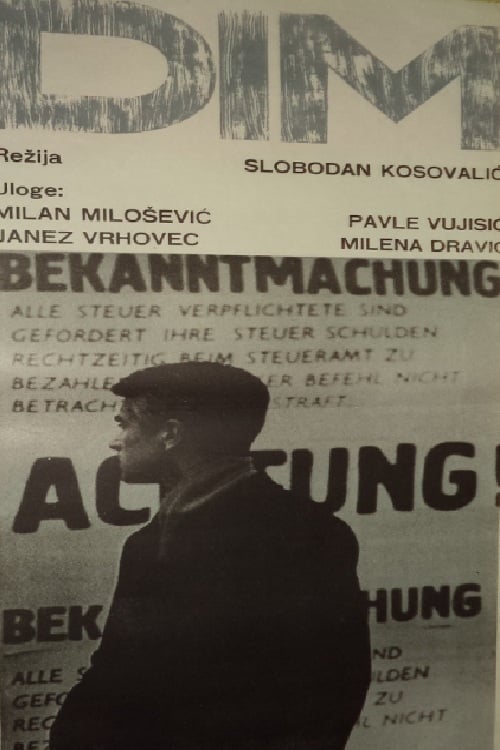
In the whirlpool of WW2, two peaceful towns that have already tasted peace are once again attacked by the Germans. Casualties are high, but the dream of a boy and a girl about their liberated towns cannot be destroyed.
Short music film dedicated to the pre-WW2 performer Sofka Nikolić.
An engineer and his wife move to Zenica where the construction of the first plants is taking place, during highly progressive industrialization of the country. Her dreams are not in accordance with the reality, which makes their marriage impossible to function.
A group of children discover the new continent of the world, uninhabited by adults. Soon, many other children are joining them in that new paradise, leaving their parents and other adults baffled on all remaining continents.
The last months in the life of a Serbian philosopher and socialist activist Svetozar Marković and his exile by the government of the Serbian Princedom.
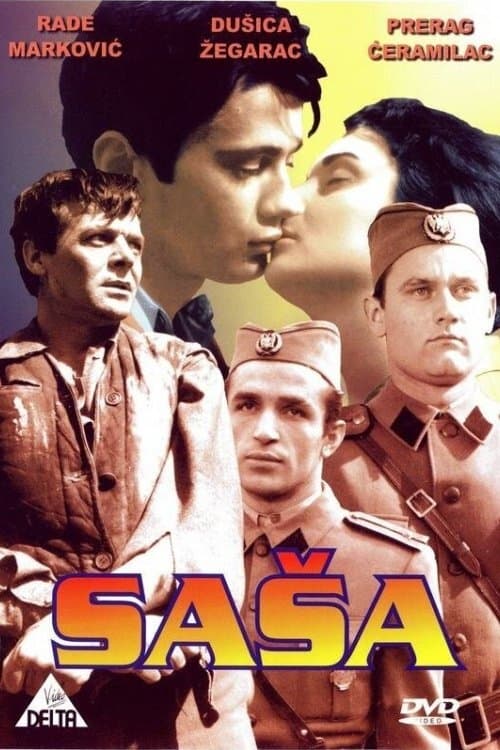
A mysterious person is killing pro-Nazi officials in a small Serbian town. A group of children accidentally reveal his identity.
Driven by the trauma of the Holocaust, a young Jewish man arrives in a small town to hunt down the former commandant of the concentration camp where his family was exterminated. Upon discovering that the man has been released after serving only a minimal sentence, he prepares to exact his own brand of justice.
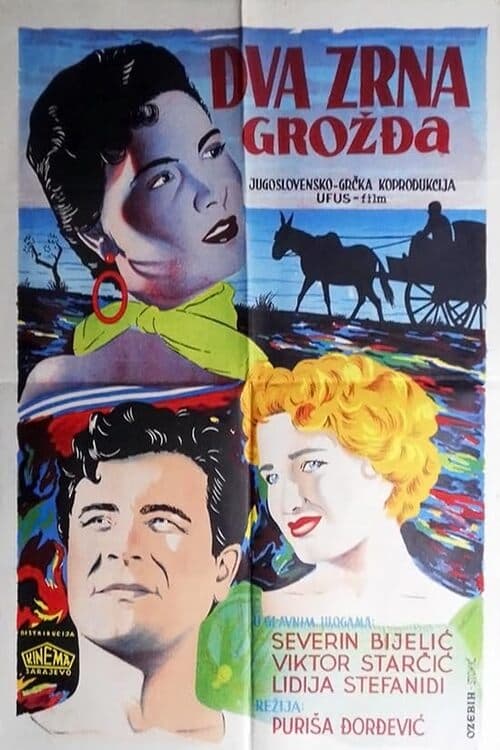
After finding out about the affair between young farmer and his spoiled daughter, the landlord persecutes the former, takes away his family's rented vineyard and wine barrels, de facto dismantling this family. The young man returns on his father's funeral, and meets his old love again.
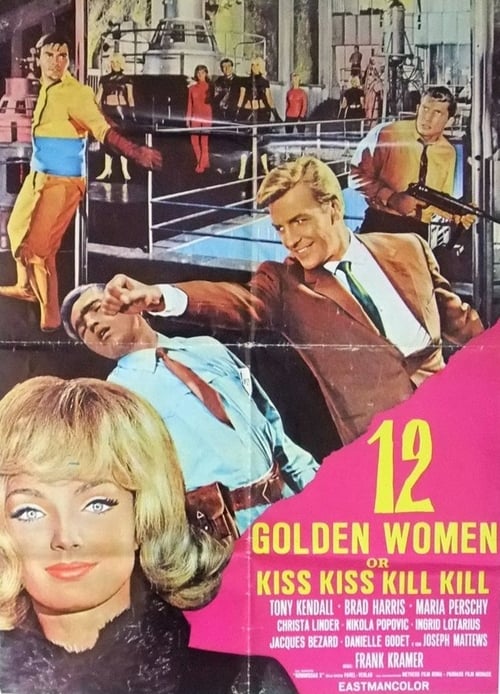
Tony and Brad investigate the murders of politicians and scientists. They soon face off against a team of super hit women with their usual flair.
As a young woman, Klara left her hometown in disgrace. Now she is old and unimaginably rich, as for the first time she returns. The town is nearly bankrupt and in urgent need of money. Everybody hopes Clara will come to the rescue. And she will. However, there is a condition: somebody must kill the man who was her lover all those years ago.
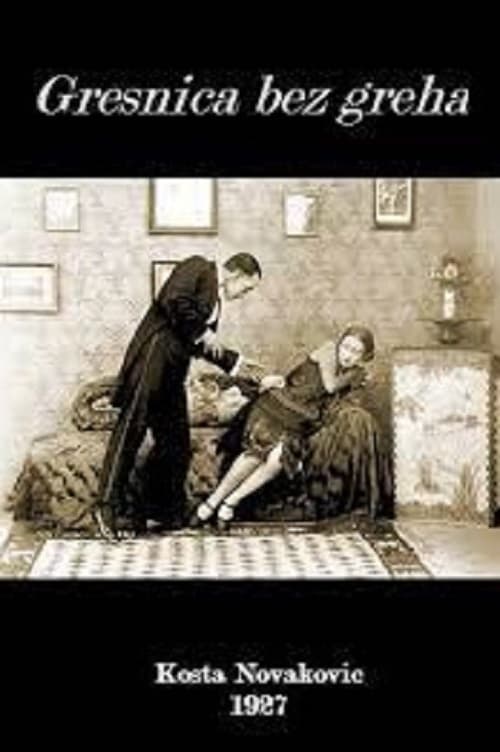
A young village girl with traditional upbringing comes to the big city where she meets an elegant man. She forgets about her boyfriend, and everything goes fine until she discovers that he's a vicious bank robber, finding herself being arrested as an accomplice. Her boyfriend decides to save her.
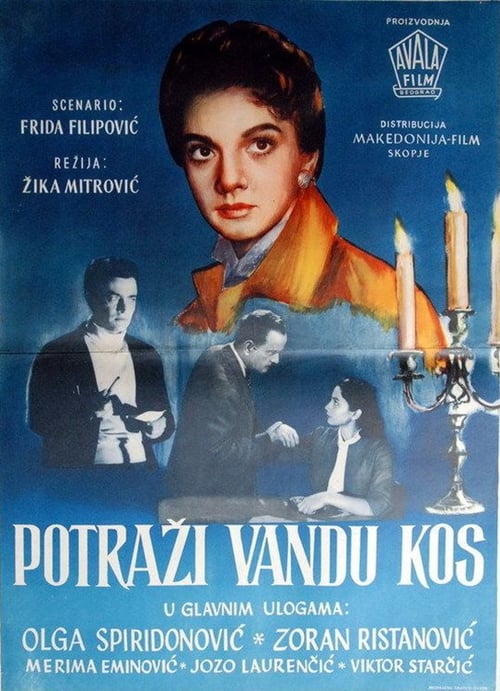
A woman comes to Sarajevo to find out more about her brother's death. The only source she has is a message on a piece of paper she got from him: "Look for Vanda Kos".
The story of the strange friendship between 70-year-old wheelchair bound man Tadeus and six-year-old Hildi. Tadeus's medical records reveal that he is suicidal. One day, while she is searching for her dog, Hildi prevents one of Tadeus's suicide attempts.
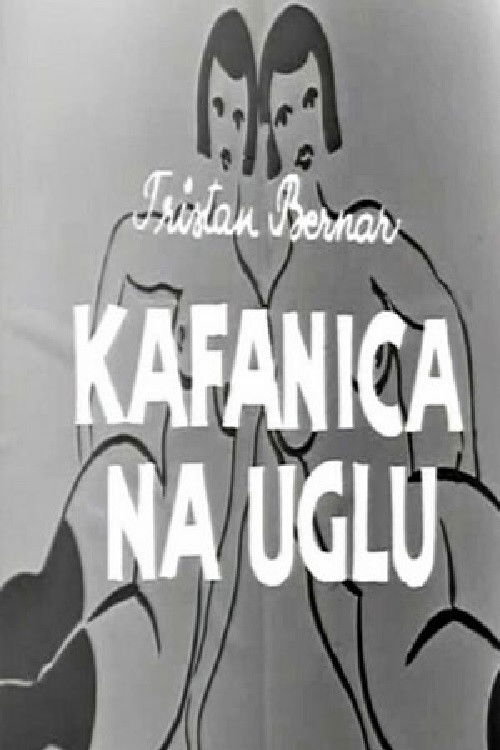
TV adaptation of the French comedy play "The Little Cafe", first performed in 1911. Albert Loriflan, a waiter in a Paris cafe, unexpectedly inherits a large sum of money from a wealthy relative. His unscrupulous boss, Philibert, refuses to release him from his long-term contract in the hope that Albert will buy him off with a large payment. But Albert refuses, and continues to work at the cafe even though he is now very rich. Before long he falls in love with Philibert's daughter Yvonne.
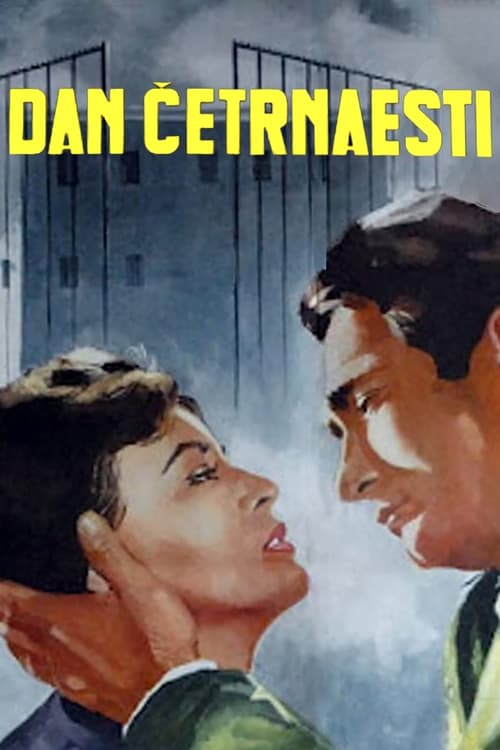
The topic of this routine, romantic drama is a little unusual - it concerns what some prisoners do when they are allowed out of jail for two weeks before their sentences are up. Rather than receiving some special dispensation, it turns out that in Yugoslavia this was the custom. Most of the time, the men here are engaged in pursuits that forward their relationships with the fairer sex, as might be expected after a long and lonely incarceration. There is nothing particularly profound about their two weeks of liberty, and no deep message in the tale.
A well known theater and movie actor, dissatisfied with his conditions at home and at the theater suddenly stops the dress rehearsal of a play in which he has one of the main roles, and goes on the Danube to visit his friend, a boatman transporting bricks on his small barge from a brick plant in a poor settlement to Belgrade. This unexpected action confuses everyone in the actor’s environment. Everybody sets out to the Danube in order to find out the real reason for the actor’s odd behavior and to find out when he will return to normal life. The actor refuses to talk, stating that he only knows what he does not want! The young director, who had started working on filming a portrait of the actor prior, doesn’t know what to do. The opening night is postponed.
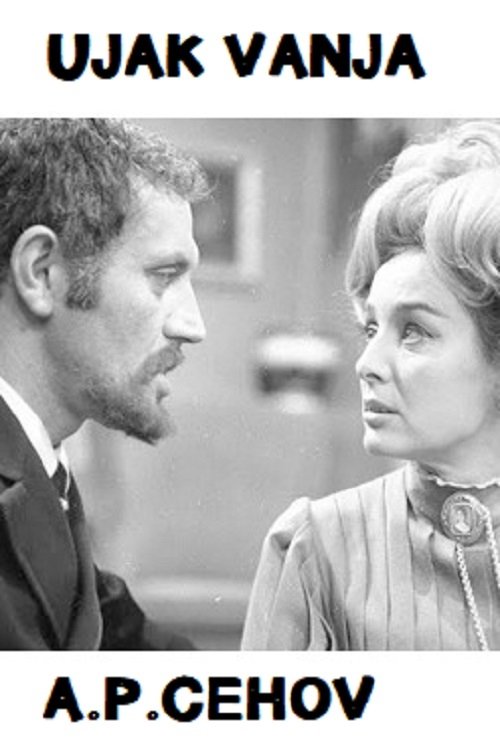
A retired professor returns to his estate with his beautiful young wife Yelena. The estate originally belonged to his now-deceased first wife; her mother and brother still live there and manage the farm. For many years the brother (Uncle Vanya) has sent the farm's proceeds to the professor, while receiving only a small salary himself. The professor's daughter Sonya, who is about the same age as his new wife, also lives on the estate. The professor is pompous, vain, and irritable, and calls Dr. Astrov to treat his gout, then sends him away without seeing him. Astrov is an experienced physician who performs his job conscientiously, but has lost all idealism and spends much of his time drinking. Yelena's presence introduces a bit of sexual tension into the household: Astrov and Uncle Vanya fall in love with her and she spurns them both.
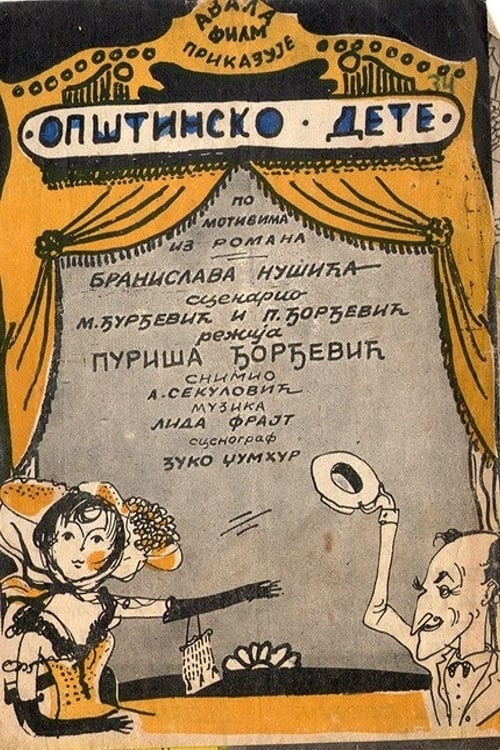
While everybody show off by giving a child to community's custody, and make career in the process, the child remains alone and neglected.