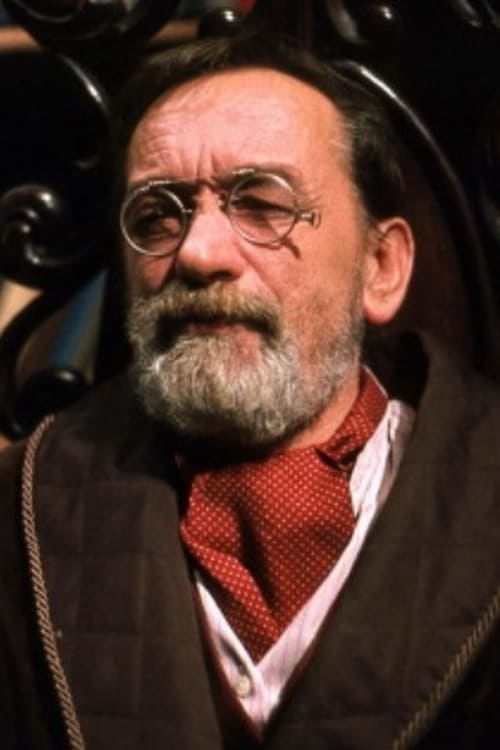
Mihajlo Viktorović
Acting
Known For

A biopic of an influential Serbian political activist, literary critic and philosopher. Svetozar Markovic developed an activist anthropological philosophy with a definite program of social change, which set foundations for socialist ideals in his homeland.
Svetozar Markovic

Vruć vetar is one of the most popular Yugoslav TV miniseries that aired in 1980. The show and movie cut from scenes of the show were popular in neighboring countries-also very popular in Czechoslovakia. Its main theme became very popular and enjoying a bit of a cult status. The story follows Shurda, a man in his 30s, who comes from a small town to Belgrade to get rich. However, as no job is good enough for him, he tries his luck in Germany, but this venture proves to be the same, so he returns to his native Yugoslavia.
Hot Wind
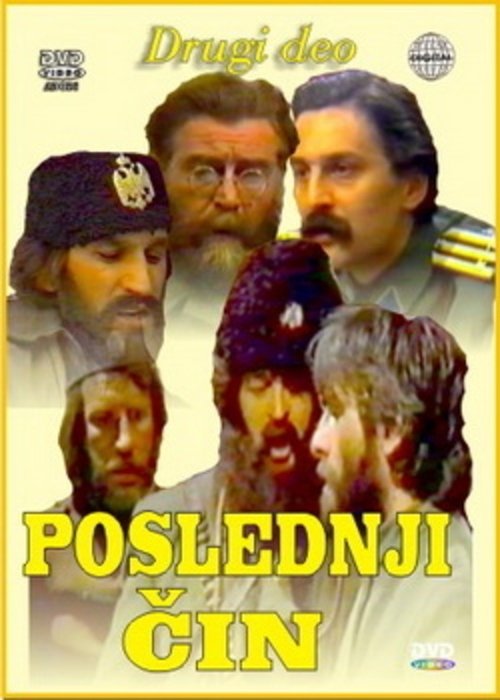
The story of the capture of General Draza Mihailovic and his Chetniks.
The Last Act
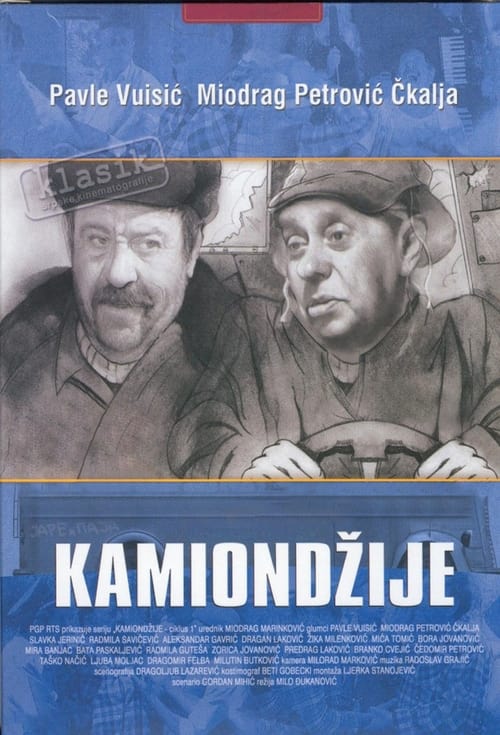
The adventures of Paja and Jare, the two honest and good-natured truck drivers and partners in business. They meet various people while on the road, which mostly turns out bad for them, but at the end it's their friendship that saves the day.
Truckers
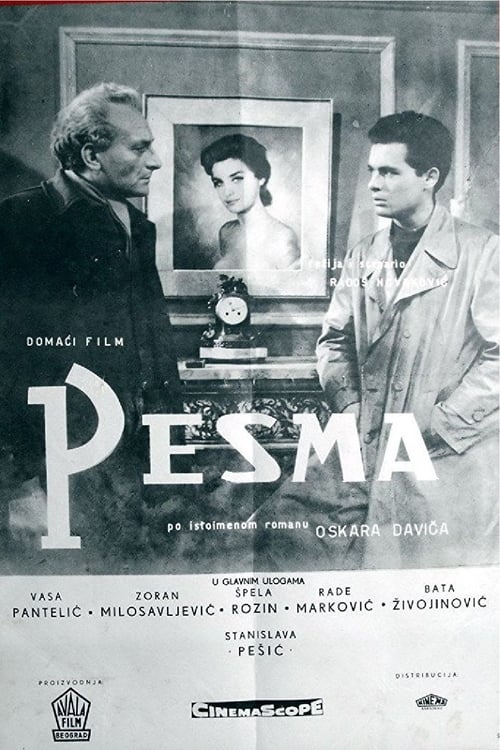
An influential Serbian poet decides to leave Nazi-occupied Belgrade and join partisans in the country. A young resistance activist, however, is not so thrilled with the idea because the old and womanizing intellectual doesn't fit in with his strict moralistic standards.
The Poem
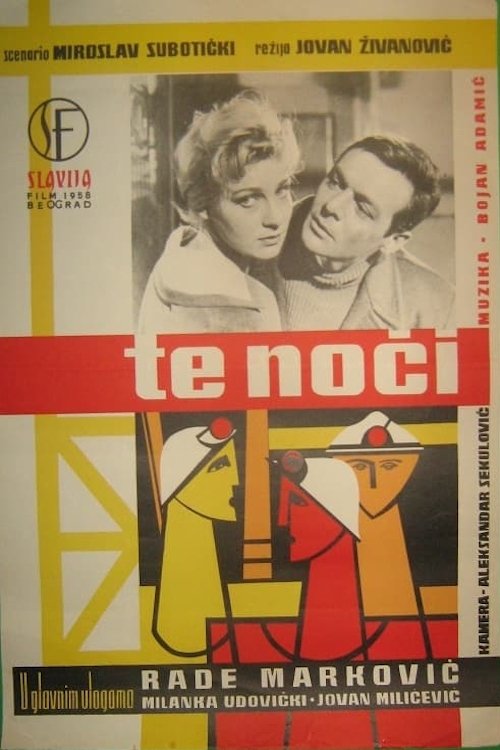
Following an accident in the mine on New Year's Eve, the task of bringing oxygen to the buried miners is to be performed. Driven by jealousy, Pavle founds himself in a dilemma of killing his wife's former lover, or saving the miners' lives.
That Night
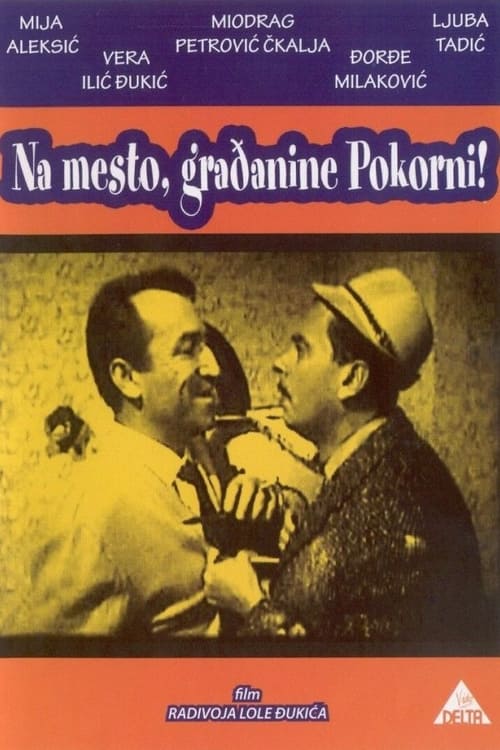
A story of Cule Pokorni, an intimidated and obedient economist devoted to idea of making society a better place to live.
Citizen Pokorni
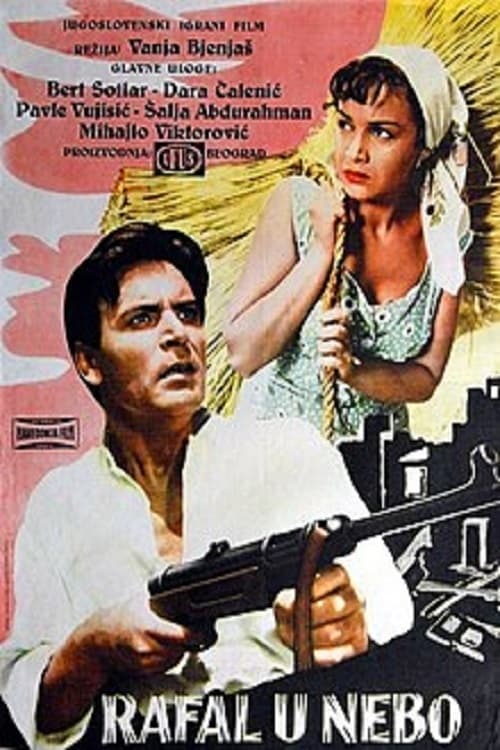
Upon returning home at war's end, a young lieutenant discovers that his family has been murdered by the Nazis. It's all the handiwork of a treasonous "Chetnik," who during the war worked against the partisans on behalf of the Germans. In bitter retaliation, the lieutenant sets about to decimate the Chetnik's family. He stops short, however, when he realizes that the sins of the fathers are not always passed down to the innocent children.
Shots in the Sky
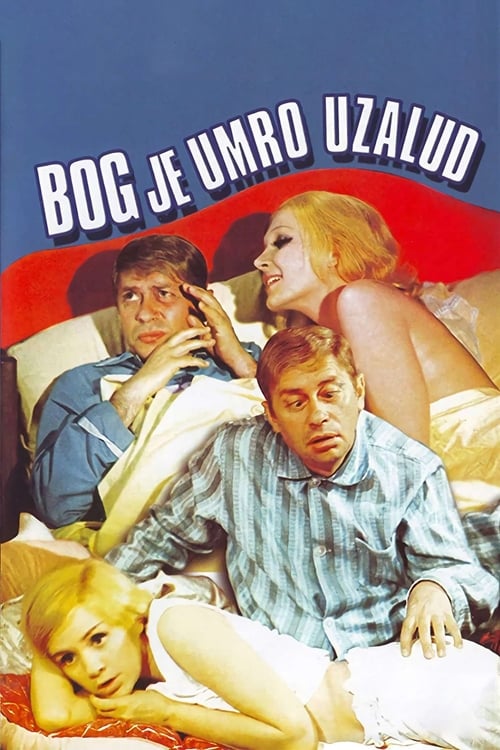
A trademark comedy by well known Yugoslav writer Radivoje 'Lola' Djukic. Nenad and Predrag are twin brothers. Nenad is the poor carpenter who works in the factory with deep financial problems, and he is one of the union leaders. On the other hand, his twin brother Predrag is the successful executive of a large socialist company, and he enjoys all the benefits of his position. As Predrag's company refuses to give a loan to Nenad's factory, Nenad decides to kidnap his twin brother with his union mates and to take his place in order to get the credit. But in the process, their plan has been unexpectedly changed.
God Died in Vain
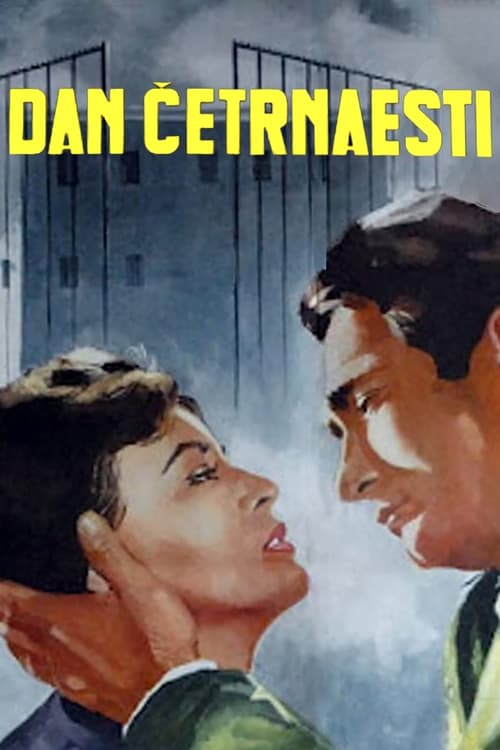
The topic of this routine, romantic drama is a little unusual - it concerns what some prisoners do when they are allowed out of jail for two weeks before their sentences are up. Rather than receiving some special dispensation, it turns out that in Yugoslavia this was the custom. Most of the time, the men here are engaged in pursuits that forward their relationships with the fairer sex, as might be expected after a long and lonely incarceration. There is nothing particularly profound about their two weeks of liberty, and no deep message in the tale.
Fourteenth Day
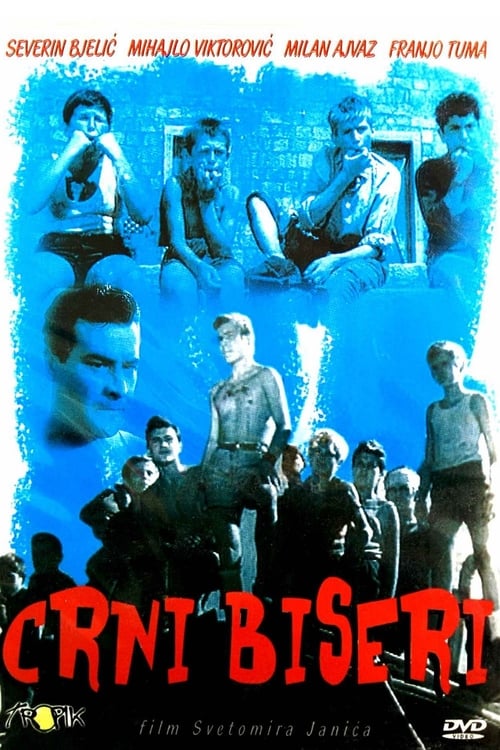
Reform school teacher tries to carry his class to the right path by teaching them diving.
Black Pearls
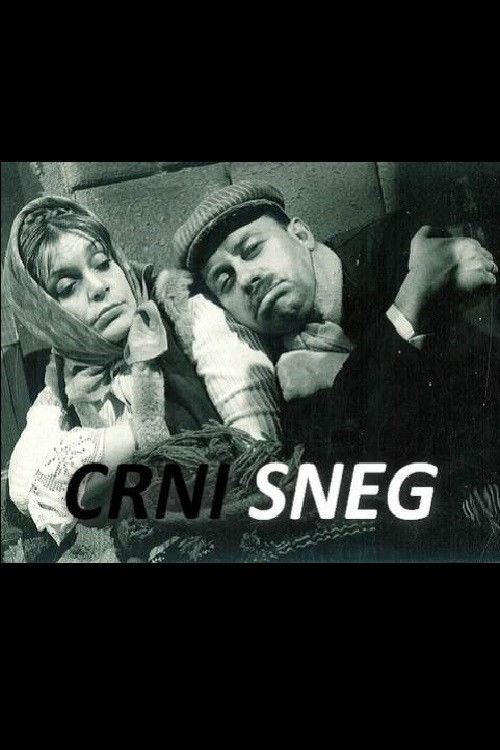
A group of train travelers get stranded by blizzard. They take shelter in a train station, where each episode focuses on two of the characters.
Black Snow
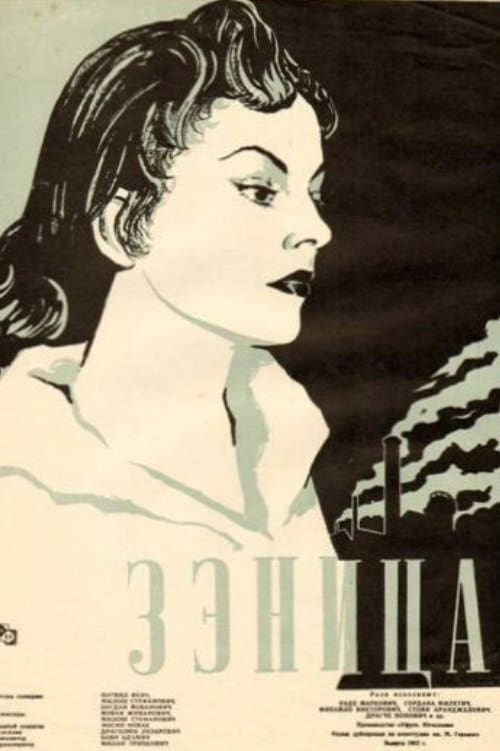
An engineer and his wife move to Zenica where the construction of the first plants is taking place, during highly progressive industrialization of the country. Her dreams are not in accordance with the reality, which makes their marriage impossible to function.
Zenica
TV adaptation of the Bora Stankovic drama, the most staged play in the history of Serbian theatre. Set in the southern Serbian town of Vranje, it is a tragedy about a Gypsy singing girl destined to marry but not for love. The old man Mitke loves her beauty and singing, but doesn't love her as a woman. Her talent and free spirit reminds him of his youth, young age and all he had to sacrifice for loveless marriage and unhappiness in order to fit into conventions.
Koshtana
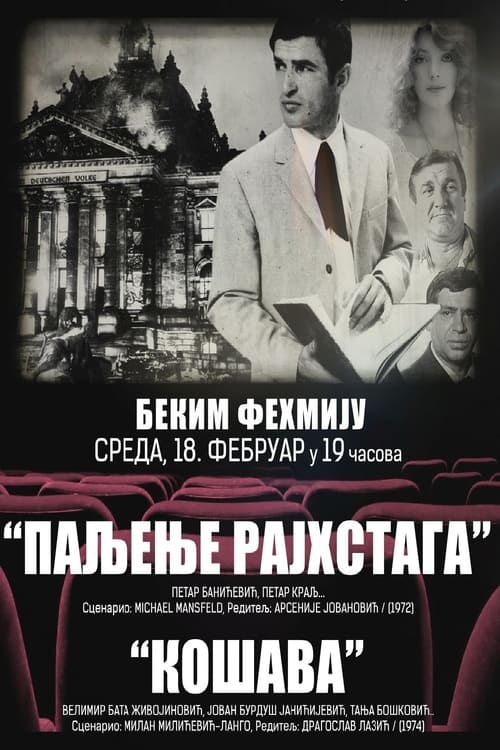
The court trial of the 1933 arson attack on the Reichstag building, home of the German parliament in Berlin by a Dutch communist Marinus van der Lubbe. The incident took place only four weeks after Adolf Hitler sworn as the German chancellor The film was damaged and only 23 mins are preserved.
The Reichstag Fire
It follows the events at the University of Belgrade that were the basis for this dramatic story. Students are on strike, and the story of Josip Broz’s illegal stay in Belgrade is taking place in parallel. It takes place at a time when Broz is taking over the leadership of the Party.
Wrong Assessment
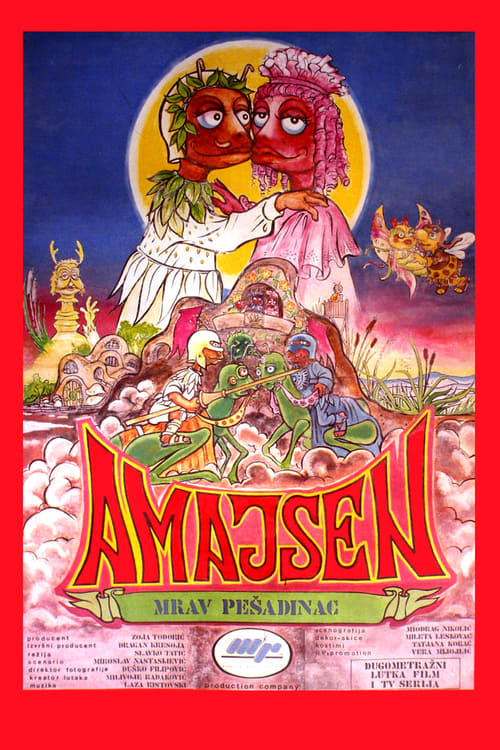
Black ant Ameisen, the infantry ant, got mixed up in war and love turmoils. He's an experienced military slacker who does not respect strict military standards, but performs each task successfully. Red ants, headed by their clumsy general, are on the war path with black ants. Unfortunately for both sides, war happened because of a jar of moldy marmalade.
The Infantry Ant
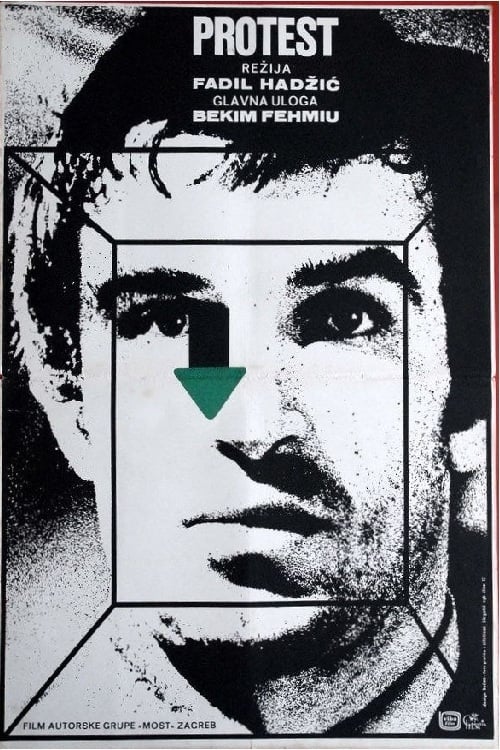
A man cannot bear the superficiality of human relationships, and when his best friend lets him down, he commits suicide by jumping off a skyscraper.
Protest

The true story of a rather unusual gymnasium class on the end of the 19th century and their professor. Full of intellectuals and young scientists, writers and artists, this class was highly with potential and many of them became famous in Serbian history.
Professor Kosta Vujic's Hat
Raissa is unhappy with her husband and enamored with the young postman. The husband, Savely, accuses his wife of being a witch because of all the young men who keep disappearing and accuses her of using her witchcraft on the postman.