Jacques Duron
Directing
Biography
Born in 1954 in Montpon- Ménestérol (Dordogne). In 1980, he graduated with a diploma from the Institute des Hautes Études Cinématographiques (Institute for Advanced Film Studies) in the production and editing department. From 1981- 1989, he was assistant editor to Agnès Guillemot on the films of Alfredo Arias, Jean-Claude Brisseau, Francesca Comencini, Richard Dembo, Peter del Monte, Michel Soutter and Jean-Charles Tacchella, at the same time he collaborated in the casting of feature films. After several short films with limited screenings, he directed a medium length film: Une histoire sans importance (A history without importance) which received amongst others, the Prix Spécial du Jury at the Belfort Film Festival; selected into various festivals including the Mostra de Venise, the London Film Festival and the Festival d’Automne/Semaine des Cahiers du Cinéma in Paris. The film was bought by the Fédération Jean Vigo, released on video by Platypus and on DVD by Antiprod, and in cinema in Paris at Le Marais (distributor Le Marais). With the support of the Centre National de la Cinématographie, he directed another medium length film : le Voyage à Deauville (The Voyage to Deauville, prod. : Filmodie) which received, amongst others, the Prix des courts métrages at the Rencontres Cinématographiques Internationales de Prades and a Prix de qualité from CNC; selected into various festivals including the Festival Internacional de Cinéma de Figueira da Foz and the Semana Internacional de Cine de Valladolid. The film was bought by Vidéothèque of Paris, released on video by Platypus, bought by PinkTV and France 3 and screened in Paris at the Entrepôt cinema (distributed by Gérick/Parifilms). From 1991 to 1993, he was a resident in the artistic section of the Casa de Velázquez in Madrid and directed another medium length film: el Modelo (prod. : Intégral). In 1994, in collaboration with Fabienne Morel, he shot a documentary series in Marid in video: el Cuadro, ¿Quién sabe dónde? and la Casa de Velázquez, a por a y be por be. In 1995, he undertook the directing of Souvenirs de Madrid (Memories of Madrid), a documentary video for which he received a Louis Lumière/Villa Médicis grant, the filming continued until the end of 1997. On his return to Paris in 1998, he obtained the film rights for the adaptation of the novel Dance on My Grave by Aidan Chambers (published by The Bodley Head, London). He has written the adaptation but was unable to secure funding. From November 2005 until august 2008, he has been in residence at the Abbaye de la Prée at the invitation of the association Pour Que l’Esprit Vive where he was able to write another feature film script la Peur du gendarme (Fear of the Policemen) for which he is seeking funding. Meanwhile with the support of Fabienne Morel- he finished editing Souvenirs de Madrid.
Known For
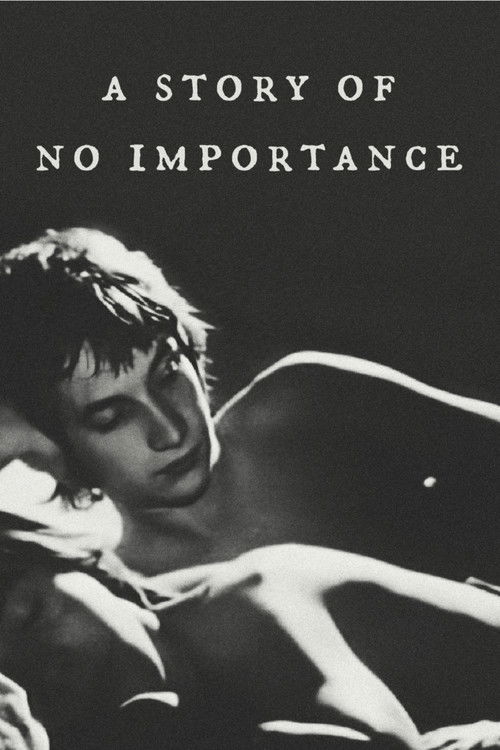
A coming of age story about two great friends during the school years whose friendship is truly tested when one of the boys start to develop different feelings for the other. At first, it seems Philippe and Claude are just experimenting new sensations, everything is pure curiosity to them. But total reciprocity isn't the name of the game and Philippe is clearly infatuated with his friend.
A Story of No Importance
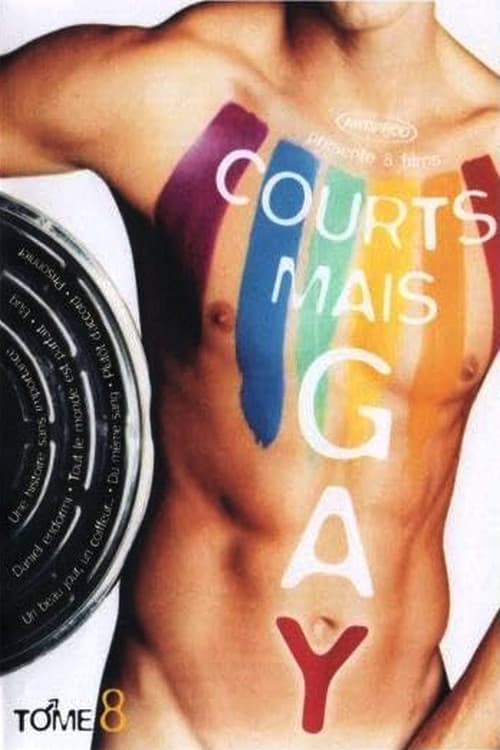
A collection of gay short films. The 8 short films are: A Story of No Importance [Une histoire sans importance] (1980); Daniel Asleep [Daniel endormi] (1988); Everyone is Perfect [Tout le monde est parfait] (1994); Bug (2003); One Fine Day, a Hairdresser [Un beau jour, un coiffeur] (2004); Same Blood [Du même sang] (2004); Somewhat Agree [Plutôt d'accord] (2004); Prisoner [Prisonnier] (2004).
Courts mais Gay : Tome 8
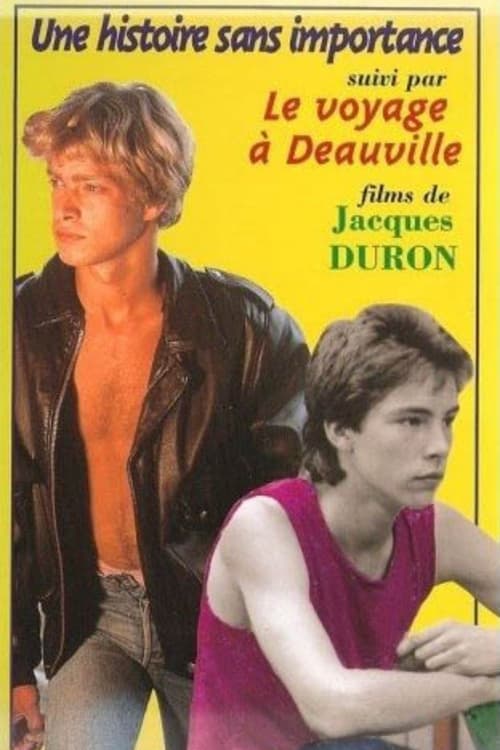
One afternoon in Saint-Germain-des-Prés, 18-year-old Philippe meets 16-year-old Frédéric. Their eyes meet, they talk and decide to spend a sensemble weekend in Deauville. But it's not that easy to get to know each other. From surprises to concessions, this weekend teaches them how difficult it is to understand each other and not waste the pleasures that come our way; and that sometimes, at the end of the day, we'd like to do the trip all over again, in reverse.
The Trip to Deauville
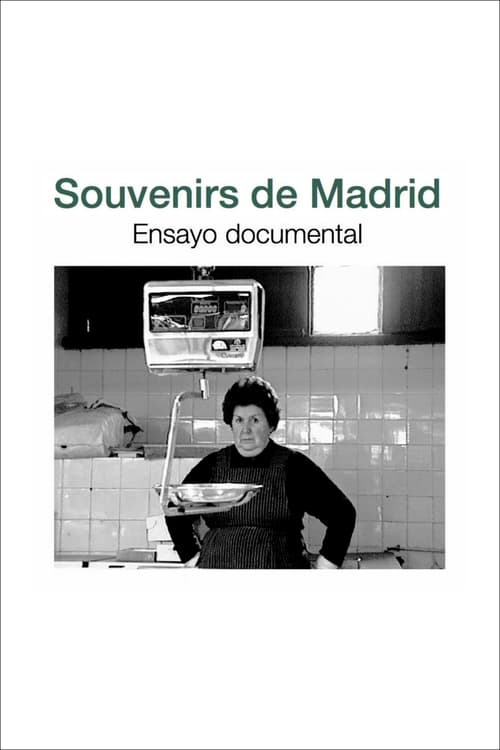
A camera shows, always in a fixed shot, the traditional Madrid of the nineties, bequeathing to the future images of acts and customs that are gradually being lost: it records the spontaneous words and gestures of anonymous people who behave in a natural way, as they would if the camera were not present.