Directing
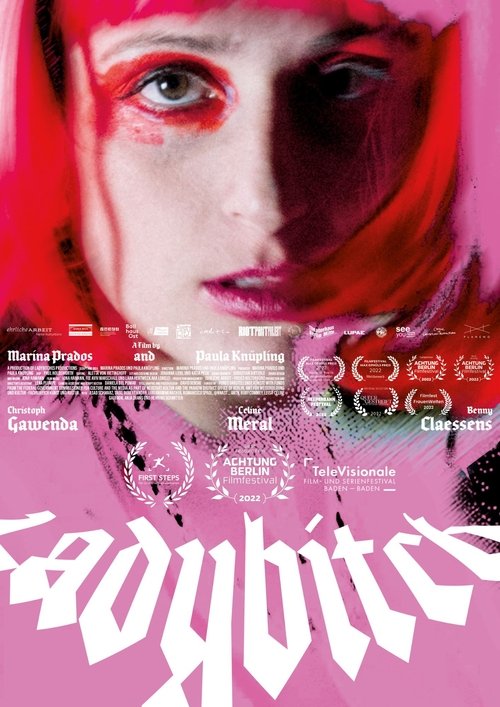
Ela, a young actress, gets a role with the well-known theatre director Franz Kramer. The production is a great opportunity for Ela, but also comes with pressure. Kramer constantly oversteps Elas boundaries, and the situation worsens when Kramer sexually harasses her. Ela struggles to reconstruct her role as a self-confident character-and realizes that to do so, she has to take the same steps of self-empowerment in her real life.
A day in the European Parliament and surrounding area. This dance film is inspired by the work and lifestyle of the Eurocrats in Brussel’s EU district and features five dancers. The characters dance, run and glide through the empty spaces in an atmosphere beyond time, decontextualized, in an architectural non-site.
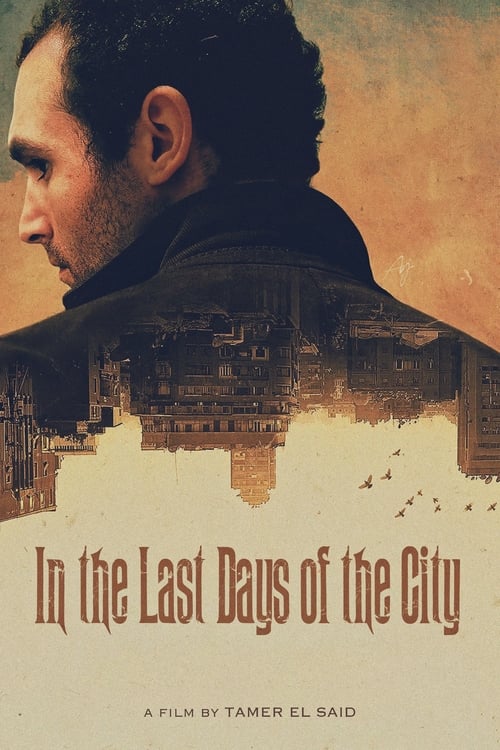
In the fading grandeur of downtown Cairo, Khalid, a 35-year-old filmmaker is struggling to make a film that captures the pulse of his city at a moment when all around him dreams as much as buildings are disintegrating. With the help of his friends who send him footage from their lives in Beirut, Baghdad and Berlin, he finds the strength to keep going through the difficulty and beauty of living IN THE LAST DAYS OF THE CITY.
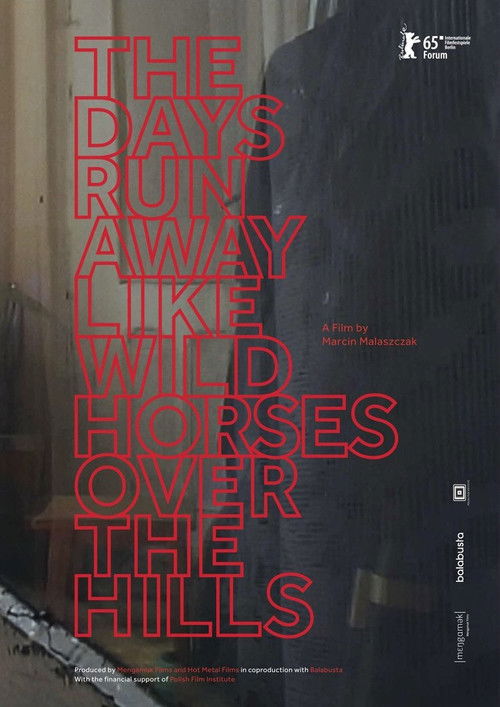
This experimental documentary contrasts the daily life of a nanny in buzzing Berlin with the tranquil existence of a group of pensioners in provincial Poland. A reflection on female biographies that draws a line between the beginning of life and its end.
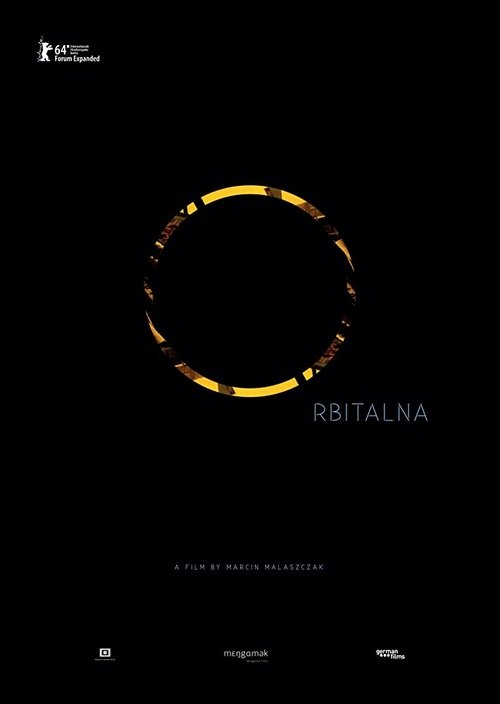
In the first shot, the place depicted by Marcin Malaszczak looks like a space station on a foreign planet. The camera approaches it from above, identifying only a few islands of light in a sea of darkness. Outside the film, it is - one can assume - part of a quarry: a conveyor belt on which earth and rocks are transported. There is a machine that runs the conveyor belt and a woman with tinted glasses who seems to be in control of the process. The film makes this handful of elements absolute: the conveyor belt, the machine, the woman and the dusty, deserted and unreal seeming horizon. The machine is not a functional tool in a process based on the division of labour, but the world’s motor. Without it, the conveyor belt, and thus the film’s conveyor belt, i.e. the entire world, would come to a standstill. The woman is, therefore, not a wage-earning employee, but the spirit of film and the world.
The end of the Cold War did not bring about a definitive thaw in the former republics of the Soviet Union, so that today there are several frozen conflicts, unresolved for decades, in that vast territory. As in Transnistria, an unrecognized state, seceded from Moldova since 1990. Kolja is a silent witness of how borders and bureaucracy shape the lives of citizens, finally forced to lose their identity.
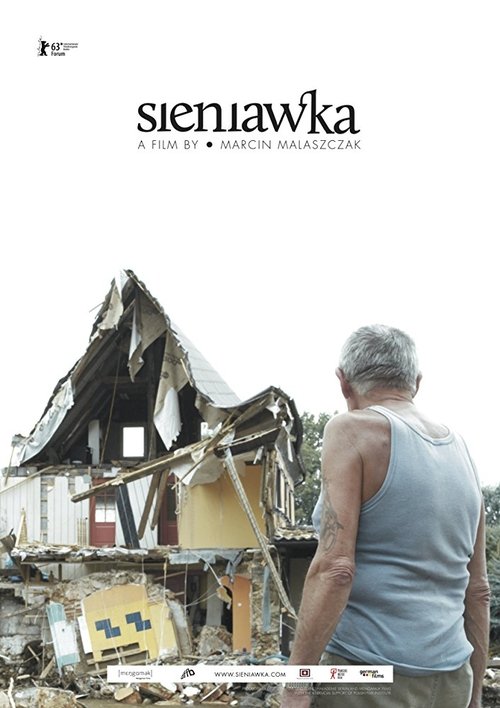
Sieniawka is a journey into the irrational subconscious of humanity.