Directing
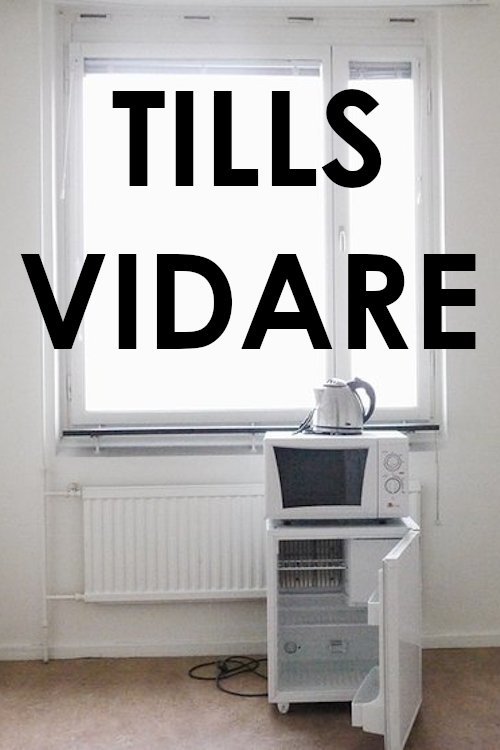
An office gets furnished. Shelves, chairs and a projector. Then it's filled with people who practice pitching sales at each other over the phone.
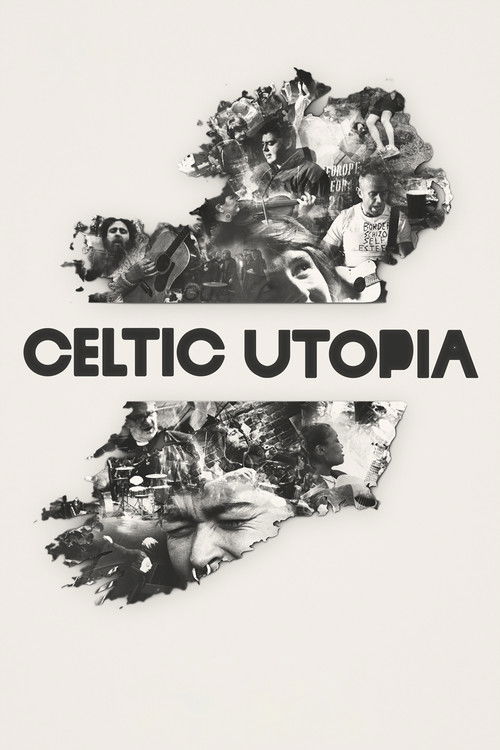
The story of a new Ireland and its vibrant music scene, but also that of a postcolonial society wrestling with its heritage. A society where folk music carries both the oppression of the past and the dream of a bright future.
'Do you feel cheaper?' We are filming young Lithuanian men working in Sweden. They do not want to be caught on camera, they do not want to participate in creating yet another media image of guilt and pity. They film us. We empty a bottle of moonshine, we dance on their porch. They might let us film them tomorrow. Second Class is a time document about class, respect, the value of work and human being.
The documentary filmmakers Marta Dauliute and Viktorija Šiaulyte step into the closed-in collective with as much curiosity as much-needed skepticism. Here, capital is synonymous with the individual’s ability, and innovation is the confounding keyword. At the same time, we get to know those who rent a little “pod” that barely offers space for a bed and desk, raising questions about how the entrepreneurial ideology affects us as people. Good Life reflects on a modern phenomenon, where community has become the product of a company, but which at the same time reminds us of other collectives from a completely different time.
They go sledging behind a car. They earn extra by fixing the roof of a neighbor's house. They are young and want to fulfill their dreams, but before them an uncertain future prevails. We are there as one of them, equally present, equally absent.
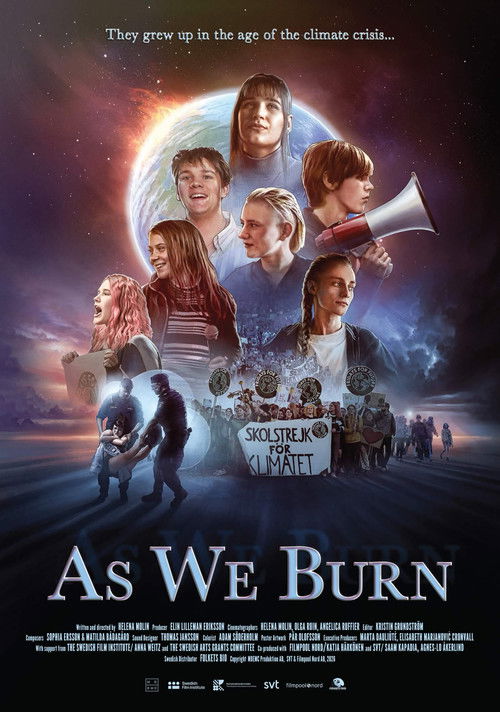
It begins at the margins of power: a few teenagers protest outside parliament, cardboard signs in hand and an unyielding determination in their eyes. From there, Helena Molin’s long-term portrait unfolds—of a generation forced early on to confront the ruthlessness of politics. Their fight for the climate and for justice runs parallel to a life that should be about friendship, play, and future dreams, but is repeatedly interrupted by the failures of the adult world. The result is an intimate and powerful depiction of what happens when moral responsibility is placed in the hands of those still searching for their place in the world.
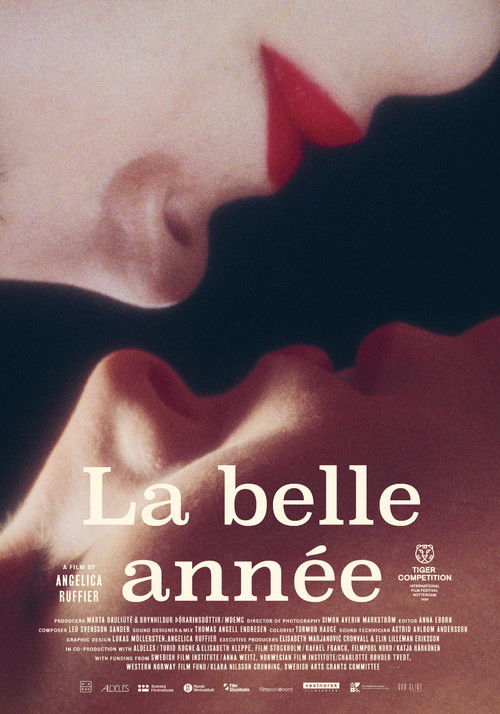
Revisiting a teenage crush on a female teacher, Angelica Ruffier embarks on a delicate journey of memory and desire. A finely woven, reflective essay on past longings and present selves infused with the subtle glamour of French cinema.
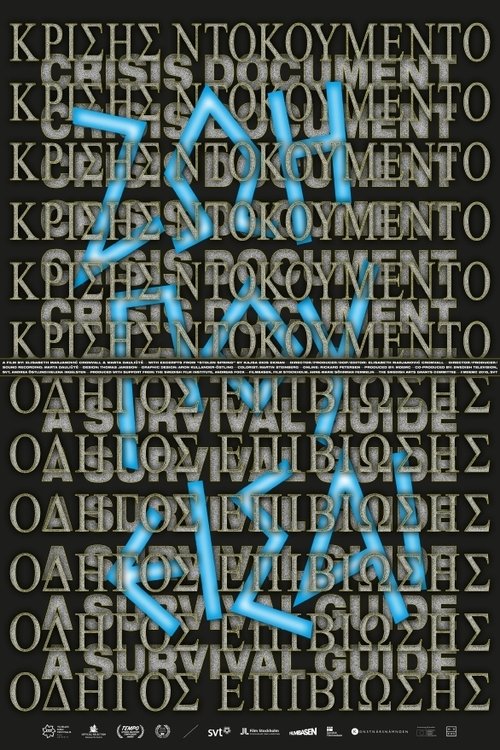
Two Swedish directors set off for Greece to find out how the local residents feel about the media images of the crisis.
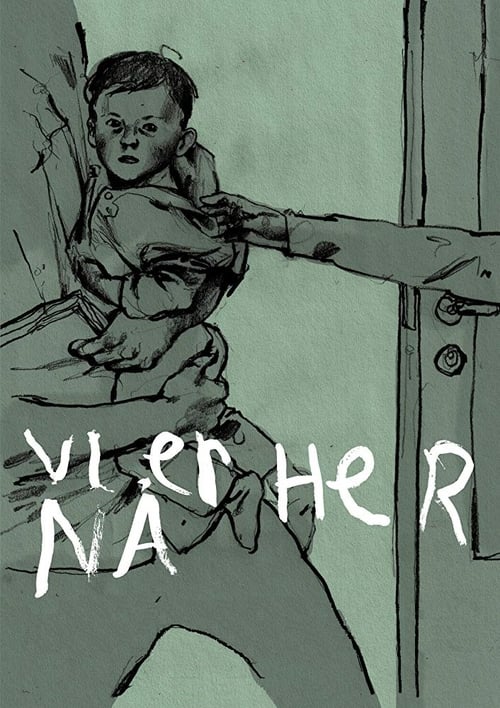
fifteen zero three nineteenth of january two thousand sixteen explores how everyday routines and gestures are transformed when a mother loses her child in the violence impacting Swedish outskirts since the early 2000s. The film resists simplistic media depictions of the suburbs and shows how a home can hold both mourning and the mobilization of women to fight for their own and others' children.
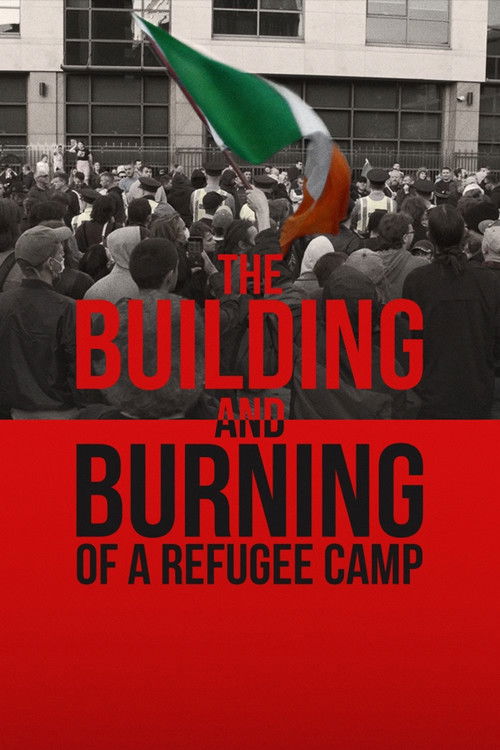
Three men seeking asylum in Ireland find themselves on the streets, caught between restrictive migration policies and an increasingly aggressive far-right movement. Dennis Harvey captures an explosive sequence of events on the streets of Dublin.
We follow a maternity group for a year. Parents and babies who are put together in groups of the health station and who meet at each other's home and eat lunch. Some of them have big plans. They will buy and sell property. Some are concerned about doing things right. Can babies eat cucumbers? What about cheese?
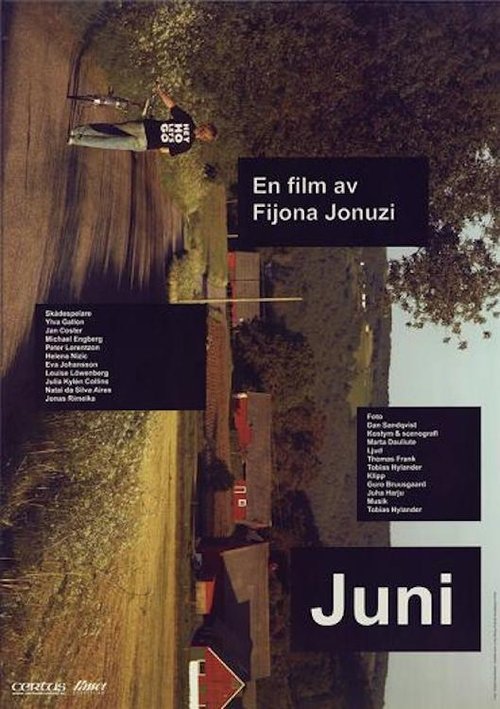
Three unconnected scenes; each a study of betrayed friendships, too much alcohol, the hurtful exercise of power. Somewhere in Sweden, sometime in June.