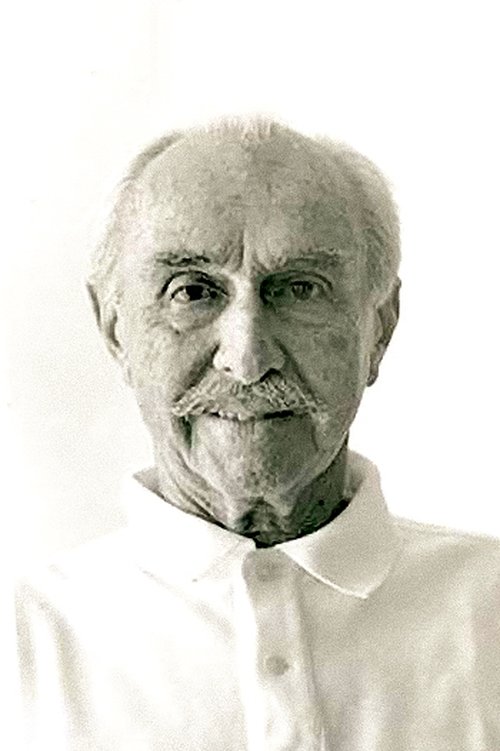
Thomaz Farkas
Production
Known For

Deformed form by which the word "beast" (medieval weapon) is pronounced in the north of the Brazilian state of Bahia and was still present in the cultural memory of the region.
Beste
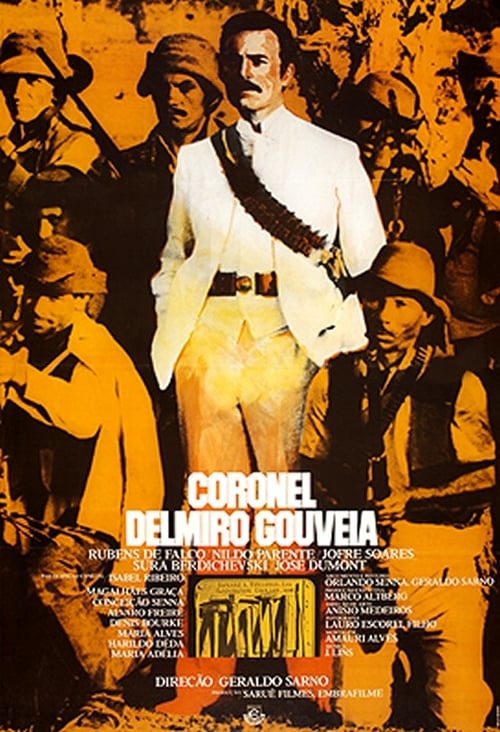
In the beginning of the 20th Century, in the Northeast of Brazil, one of the first Brazilian industrialists is persecuted because he refuses to sell his business to a British company.
Colonel Delmiro Gouveia
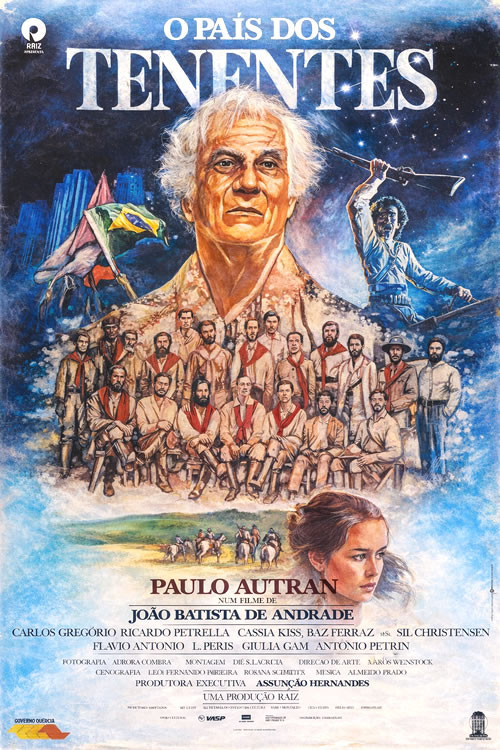
With death getting near, a retired officer remembers the most important passages in his life and his participation in historical events in Brazil, such as the Lieutenants' Movement, and the 1964 coup.
O País dos Tenentes
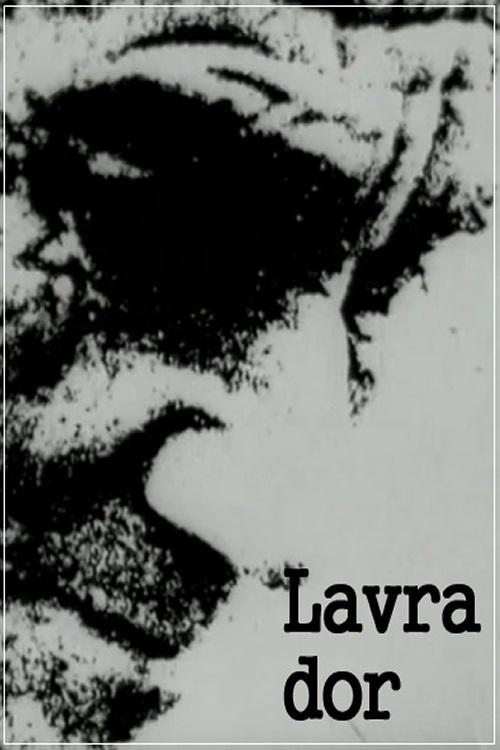
A debate about the agrarian reform in Brazil, in free and poetic form, showing the countrymen's struggles and hardships, and rural unionism issues after the military coup, kind of a nonlinear interpretation of Mário Chamie's poem "Lavra-Lavra".
Lavra Dor
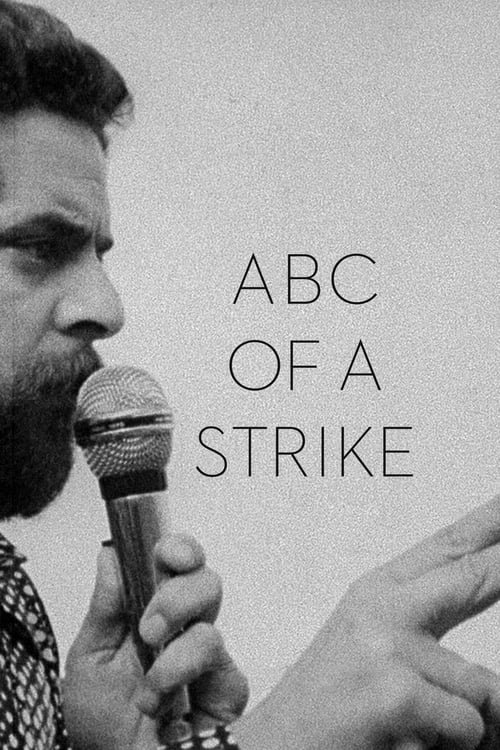
ABC of a Strike captures the 1979 metal workers strikes outside of São Paulo. The footage sat untouched until after the death of highly-regarded director Leon Hirszman in 1987, by which time the material had a new relevance. The gripping film captures the negotiations between the labor unions and the factory bosses and shows the birth of the region’s Worker’s Party, as well as the emergence of its charismatic leader, Luiz Inácio Lula da Silva. Rising from extreme poverty, Lula gained national prominence as a union activist during the late 70s and early 80s. After being jailed during his time as a union leader, he eventually becomes Brazil’s president from 2003 to 2010.
ABC of a Strike

Photographs present Hermeto Paschoal in the middle of the instruments he plays in the studio in his house. The rehearsals where the sounds are discovered and improvisation sets the tone. Hermeto's testimonies on the self-taught construction of his theoretical knowledge about music and his political position on the market. The musicians who are part of his band talk about the joint process of creation and the admiration they feel for the multi-instrumentalist. The creation of Hermetus from the sounds of bees and next to the frods. The use of unusual objects made of iron and the use of the body itself to generate new sounds.
Hermeto, the Champ
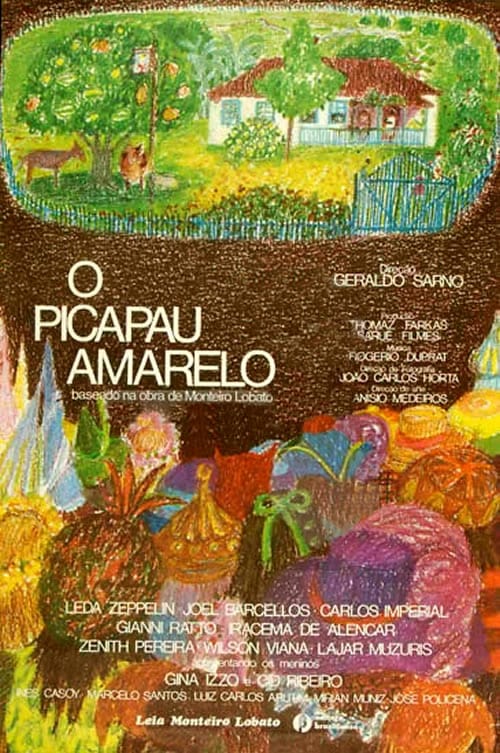
The Viscount of Sabugosa is locked in the library writing an encyclopedia about the characters in children's fables. Dona Benta receives a letter from little Thumb, written on a rose petal, in which he, realizing that the inhabitants of the world of fables are forgotten in the books on the shelves, requests that everyone live in Sítio do Picapau Amarelo. Emília and the children love the idea, and Dona Benta says yes. They move
O Picapau Amarelo
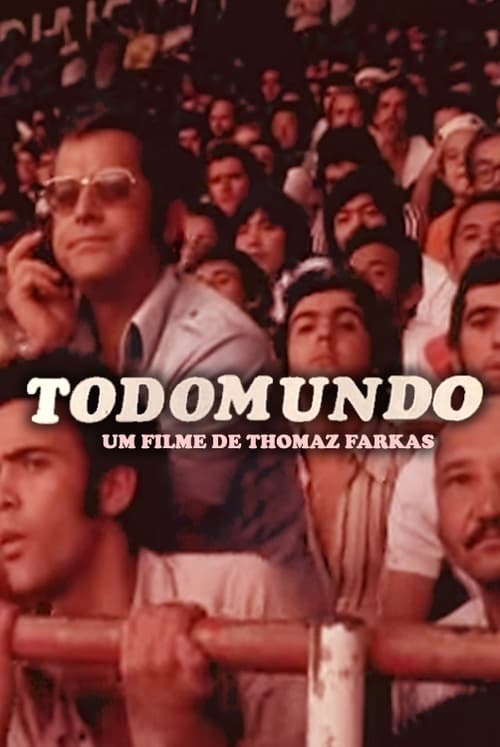
The crowd is the focus of this documentary, which presents historical scenes of the Brazilian Championship. Irreverent and poetic, the movie pays homage to the spectacle provided by football.
Todomundo
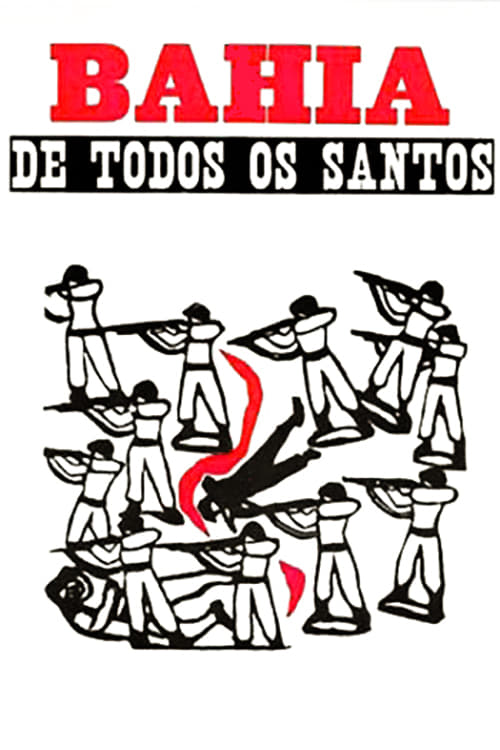
Salvador, Bahia, Brazil, during the dictatorship of Getúlio Vargas. Outlaw Tonio is involved in a conflict between strikers and the police. His mistress tries to keep him from his companions, but he steals her belongings to help the persecuted. Dissatisfied, she denounces him, compromising him politically.
Bahia of All Saints
No description available.
O Homem de Couro
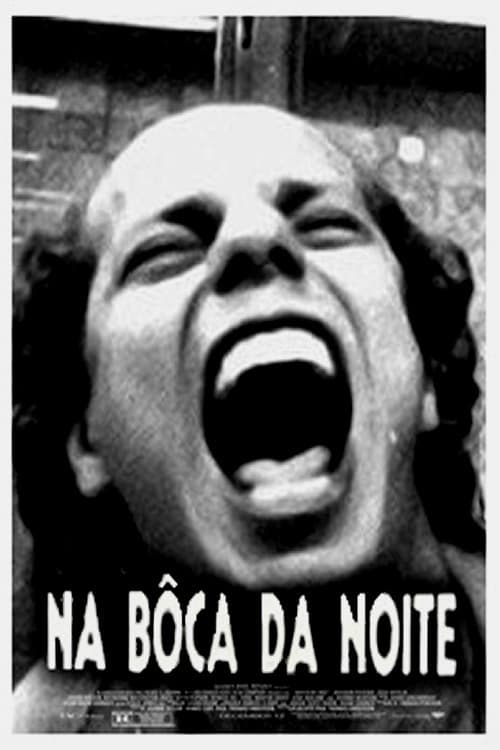
After years lost in a ingrate job, Hugo decides to take a drastic measure: to compensate for the time he lost, he will rob the bank in which he worked all his life. Everything goes well in the execution of the plan, but the appearance of the firm's cleaner can put everything to waste.
Na Boca da Noite
Report of a crawler, who helped the steering wheels to find traces of the cangaceiros in the caatinga and their knowledge to survive in this environment.
Rastejador, Substantivo Masculino
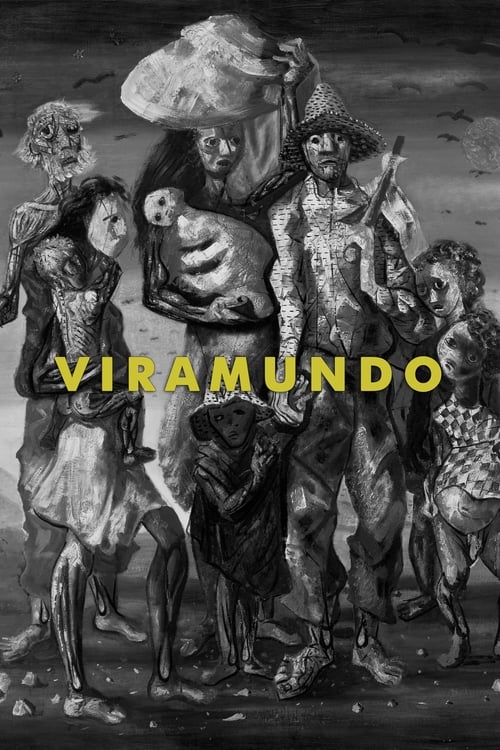
Viramundo shows the saga of the northeastern migrants that arrive in São Paulo, beginning with a train arriving and ending with a train leaving São Paulo in a cycle repeated every day. Viramundo's aim was to question why the military coup d'état in Brazil happened without any popular resistance or revolution or reaction of the society.
Viramundo
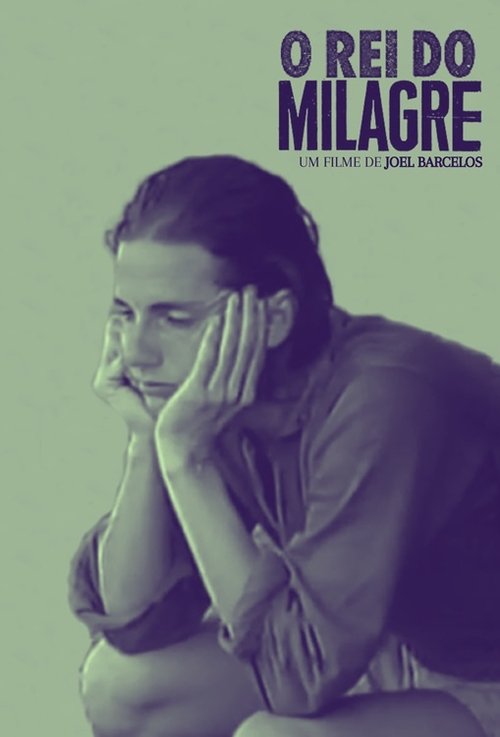
Expedito, after being abandoned by his parents, became Zefa's adopted son until he became a man and started earning his living as an independent fisherman. As soon as he finds out that Zefa is very ill, Expedito runs back home and finds his adoptive mother in agony. At the edge of the bed, a mysterious woman, who claims to be Death, sits.
Tatu Bola
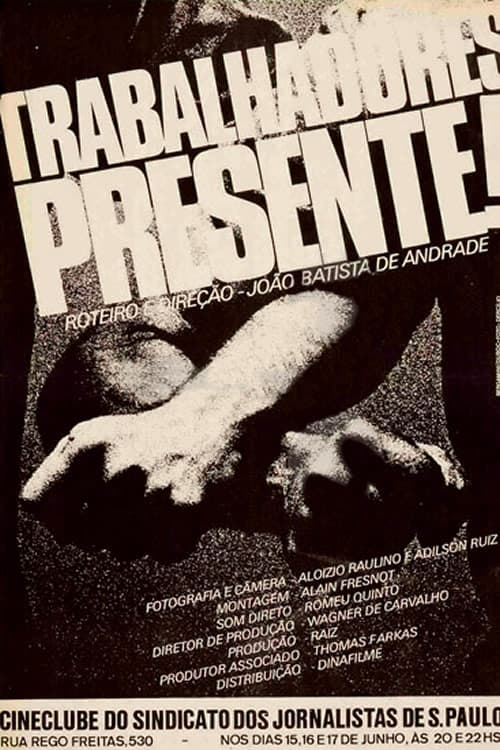
No description available.
Trabalhadores: Presente!

No description available.
Eu Carrego um Sertão Dentro de Mim
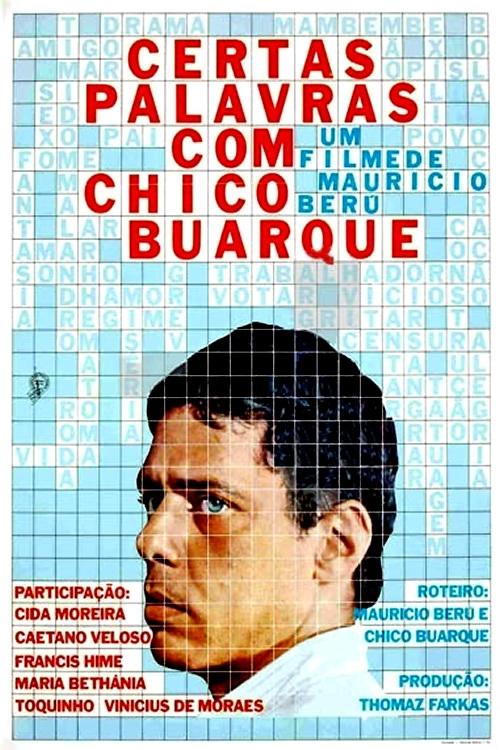
The life and work of Brazilian singer-songwriter, guitarist, composer, playwright, writer and poet Chico Buarque de Hollanda.
Certas Palavras com Chico Buarque
No description available.
Amizade
No description available.
De Raízes e Rezas, Entre Outros
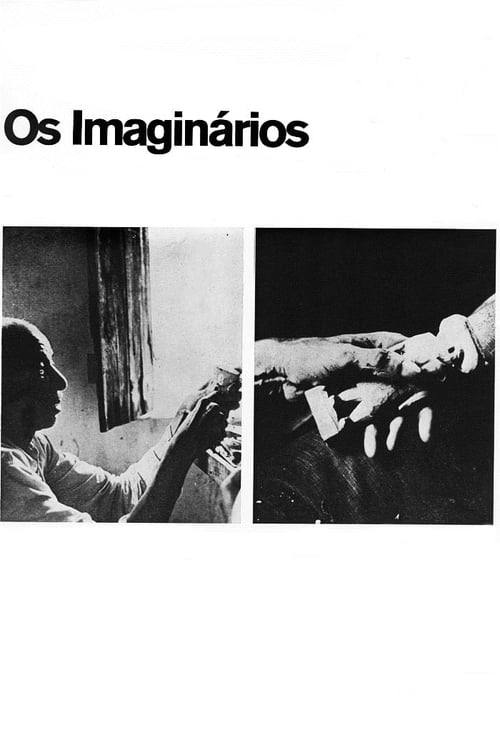
Pilgrims from the Northeast have the habit of buying images of characters in whom they identify exemplary behavior. By carving wood to shape these figures, the imaginary artists, artisans who make images of typical characters from the traditional Northeast, perpetuate a tradition that has changed over time. The ways of the traditional artist adapt to the demands of the tourism market and the dissociation between their conscience and the real meaning of the work to which they dedicate themselves.