Directing
A news magazine series which features stories related to the African-American experience, examining some of the contemporary issues facing the black community and profiling its public figures.
The Behind-the-Scenes documentary of the dramatic comedy Do the Right Thing.
Paul Robeson: Here I Stand presents the life and achievements of an extraordinary man. Athlete, singer, and scholar, Robeson was also a charismatic champion of the rights of the poor working man, the disfranchised and people of color. He led a life in the vanguard of many movements, achieved international acclaim for his music and suffered tremendous personal sacrifice. His story is one of the great dramas of the 20th century, spanning an international canvas of social upheaval and ideological controversy.
This video portrait, filmed in the days leading up to Amiri Baraka’s appeal of his 90-day sentence for resisting arrest following an argument in his car outside the 8th Street Playhouse movie theater, documents Baraka at his radio show, at home with his wife and children, and performing at readings. It is a delicate vision of a revolutionary who has grown quieter—though never at rest, and as sage as ever.
John Henrik Clarke talks about Black history.
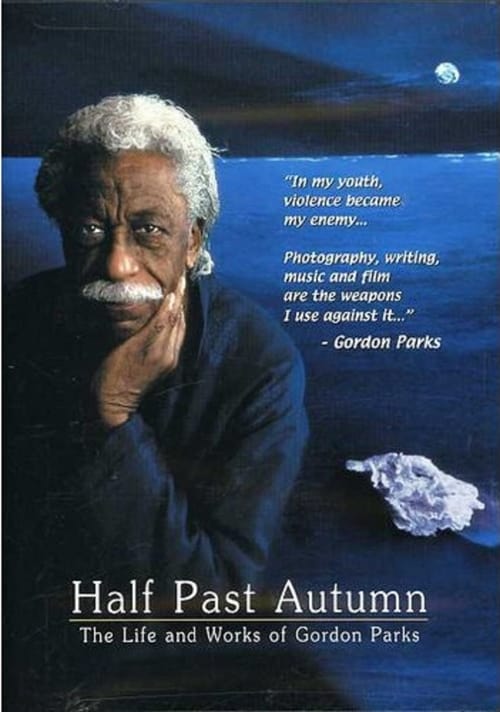
An intimate look at the life and career of Gordon Parks a true Renaissance man who has excelled as a photographer, novelist, journalist, poet, musician and filmmaker.
A documentary on the career of William Greaves, featuring Greaves, his wife and co-producer Louise Archambault, actor Ruby Dee, filmmaker St. Clair Bourne, and film scholar Scott MacDonald. Released within Criterion's Symbiopsychotaxiplasm set.
Edited by famed filmmaker Kathleen Collins, Statues Hardly Ever Smile follows a group of middle school children during a six-week project at the Brooklyn Museum, where they collectively discover and respond to the Egyptian collection. With narration by a member of the museum’s education department, we witness the group’s daily exercises and reflections as they create a theatre piece centered on the relationships developed with the objects and each other.
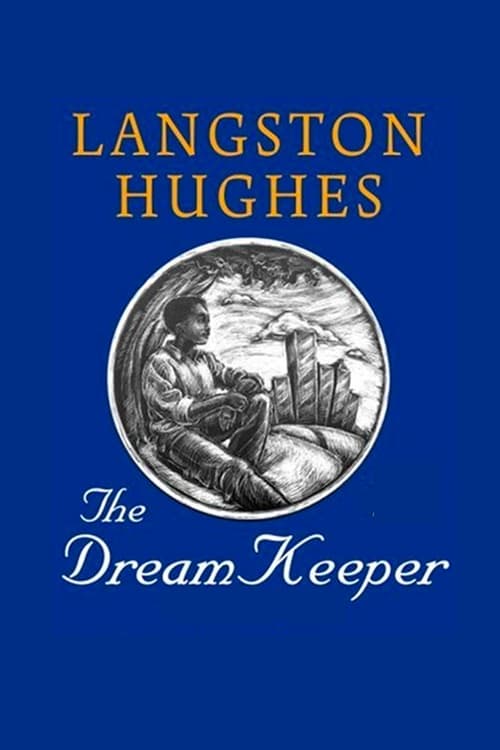
One in a series of 13 documentaries on renowned American poets produced by the New York Center for Visual History. Described by director St. Clair Bourne as “a narrative performance documentary,” this category-defiant film on the life of poet and writer Hughes and the times in which he lived and worked moves from America to Senegal to Paris, from the 1920s Harlem Renaissance to the Black Pride awakening of the 1960s.
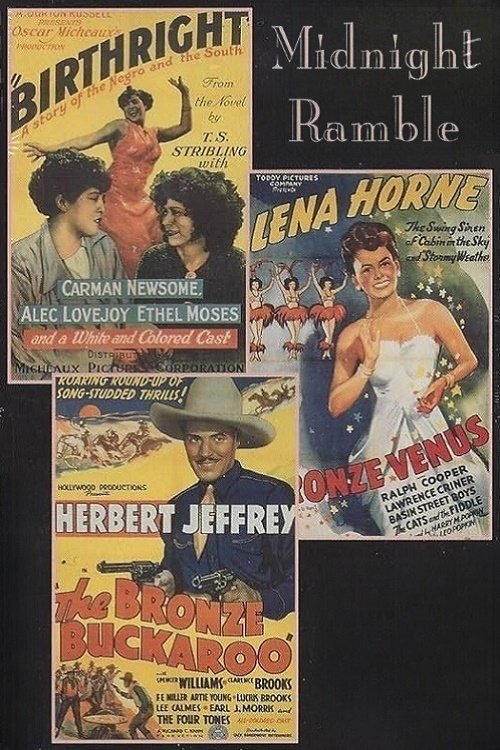
A documentary chronicling the pioneering efforts of black filmmaker William D. Foster in the early years of the industry and Oscar Micheaux's controversial impact on the subsequent "race movies".
The film mixes scenes of the city of Chicago with musical performances and interviews with people connected with the Blues. In Big City Blues, the film examines the links between the past and the present: the old time blues singer Jim Brewer is presented alongside Son Seals, Queen Sylvia Embry and Bill Branch.
Explores the influence of the African American civil rights movement, both in philosophy and strategy, on the fight for Catholic independence in Northern Ireland during the Troubles.
A short documentary subject made for National Educational Television's Black Journal television program documenting a political rally in Newark, the 1970 mayoral campaign of Ken Gibson, and an African-American voter registration drive with special musical performance by Stevie Wonder.
Bourne's first fiction film, which stars Lawrence Hilton-Jacobs as an unemployed musician who falls for a dancer on the streets of Hollywood. - Wheeler Winston Dixon, The Exploding Eye: A Re-Visionary History of 1960's American Experimental Cinema
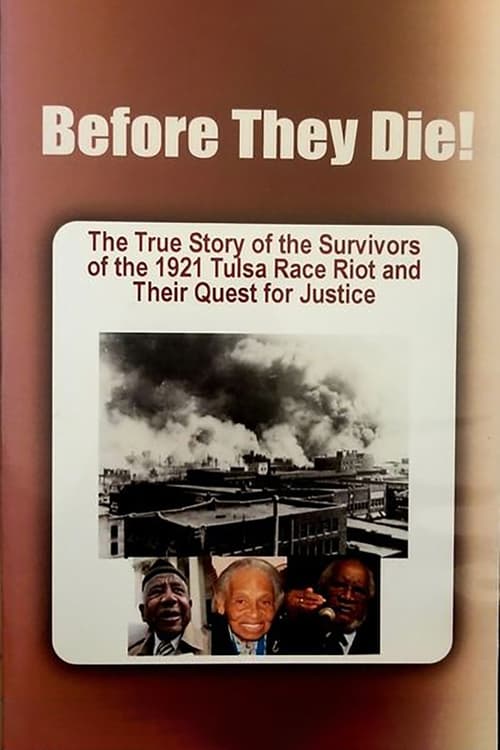
Before They Die! A film chronicling the survivors of the 1921 Tulsa Race Riot and their quest for justice.
A film examining Black musicians in the record industry, including Smokey Robinson, Isaac Hayes, and Gladys Knight and the Pips. - Wheeler Winston Dixon, The Exploding Eye
James Forman, a 31-year-old public defender and son of a civil rights leader, provides representation for black youth in Washington, D.C., who can't afford their own attorneys in this riveting documentary that goes inside the criminal justice system. Director Kirsten Johnson's award-winning film also sheds light on the difficulties that ex-offenders face when trying to break the cycle of crime and imprisonment.
A short feature on boxing star "The Brown Bomber" Joe Louis.
An educational film about engineering, modern technology and problem solving; filmed in New York, Philadelphia, Michigan and Newark. Produced for the Engineers Council for Professional Development, Inc.
It covers the activities of Malcolm X University in Durham, North Carolina (which operated for only three years), but above all devotes an entire segment to the Black athlete, focusing on an episode at the University of Wyoming, where 14 football players were suspended after attempting a protest against the rival team’s religious and racial views, the Brigham Young University. The 1960s black student movement at Duke University evolved into a separate institution to study and engage with the history and culture of the African diaspora. This film was produced for the National Educational Television (WNET) Black Journal.