Moumen Smihi
Directing
Known For

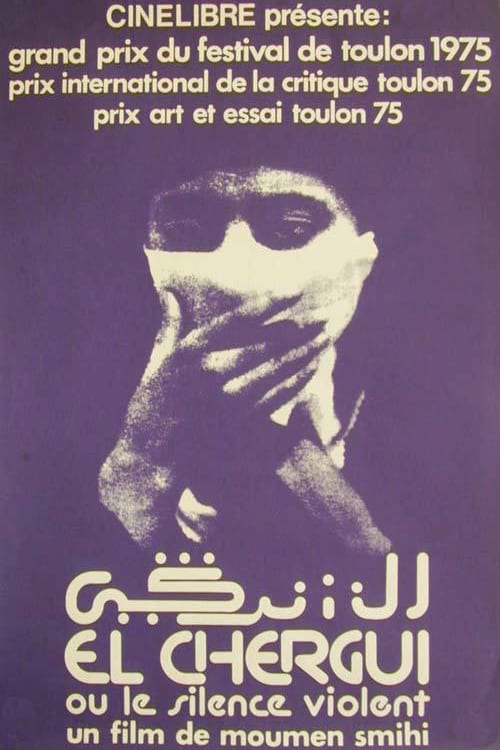
Set in the mid-1950s when Tangier was still an international zone, El Chergui presents the city on the eve of its independence, as Aïcha resorts to magical practices to try to prevent her husband from taking a second wife. Around her, a society of women creates its own form of active resistance even as the larger independence movement grows around it. Through his unique use of montage, Smihi creates arresting images that present a society torn by the contradictions of colonialism, religion, patriarchy, and resistance. (Block Cinema)
The East Wind

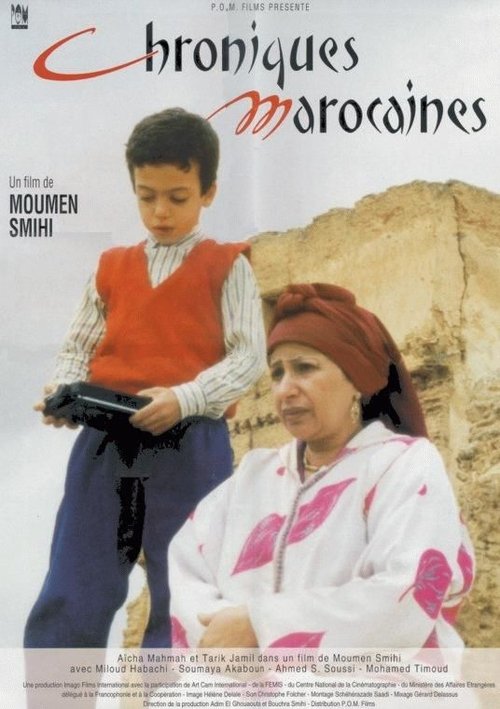
In Moroccan Chronicles, set in the ancient city of Fez, a working class mother, abandoned by her husband who has emigrated to Europe, tells three tales to her just-circumcised ten-year-old son. In the first, Smihi re-stages the Marrakech market scene from Hitchcock’s The Man Who Knew Too Much, in which a monkey trainer makes children dance for tourists. In the second, two lovers meet on the ramparts of Orson Welles’s Essaouira locations for Othello and speak of their own forbidden love. And in the third, set in Smihi’s home town of Tangier, an old sailor dreams of vanquishing a sea monster: the Gibraltar ferry that connects Europe to Africa.
Moroccan Chronicles

The chronicle of two Moroccan families between 1912 and 1956, in the colonial era. A university professor from Fes hires one of his best students as a tutor: Moussa, from Chaouen, who is passionate about drama.
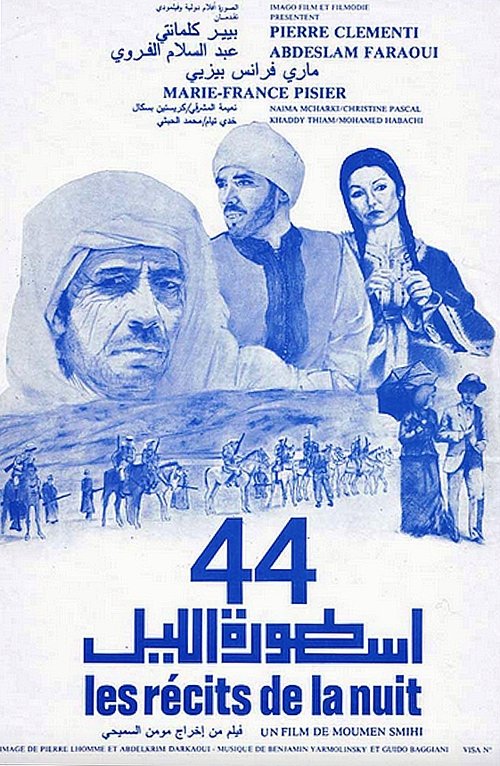
Forty-four, or Bedtime Stories
A countryside girl moves to Cairo searching for her brother. She meets a rich man and marries him and enters the artistic field because of her beautiful voice. She becomes a big star, but she's unsatisfied with her marital life, so she drifts in a number of relations.
Lady of Cairo

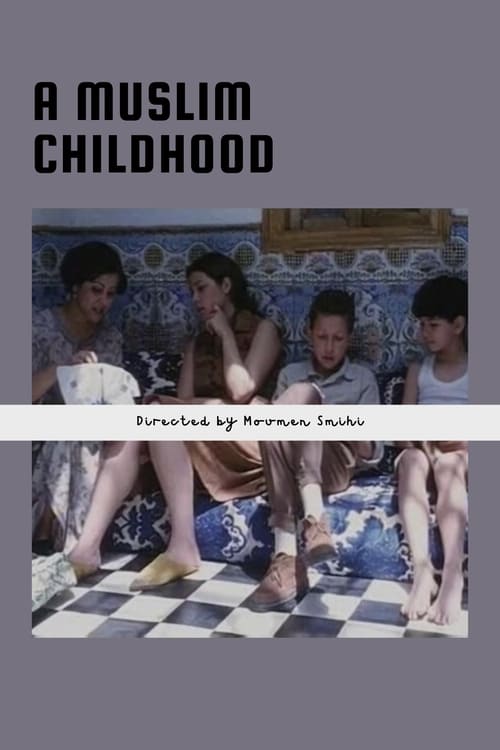
This film, the first in what has become a semi-autobiographical trilogy for Smihi, follows the everyday experiences of Mohamed-Larbi Salmi against the changing Moroccan society. In 1950s Tangier, Larbi Salmi is a young, timid, pre-teen, boy, trying to make sense of the gentle religious upbringing of his father, the secular education offered him in French school, and his budding desires for the forbidden pleasures of the cinema and the women he meets through it.
A Muslim Childhood

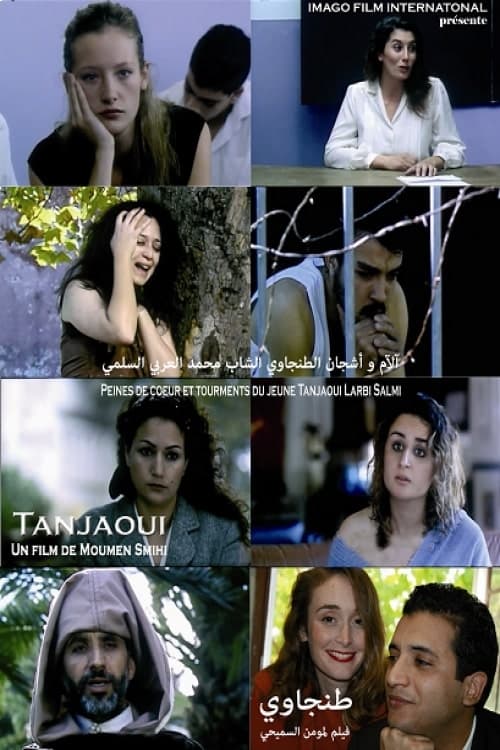
Full of revolutionary romanticism and also influenced by western culture in his final years at high school, Salmi declares his atheism to his father, but hides from everyone his love for his English teacher, a beautiful young woman from Paris.
Sorrows of a Young Tangerian

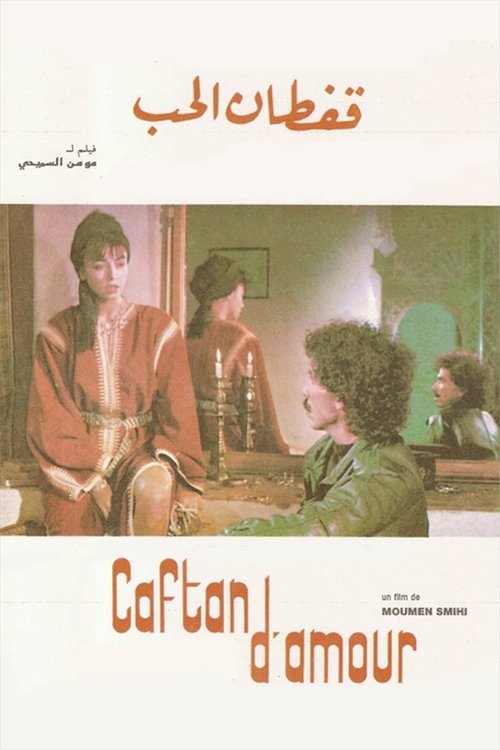
Khalil, a young bachelor who tends to his family's farm on the outskirts of the city, is looking for his soulmate. He sees her in his dream: a young woman of exceptional beauty. He decides to marry her. By chance, the next day, in the alleys of the medina, he meets this girl, Rachida. In addition to her exceptional beauty, she has an exceptional behavior and by marrying her. Rachida, once a dream, quickly becomes a nightmare.
Caftan d'amour

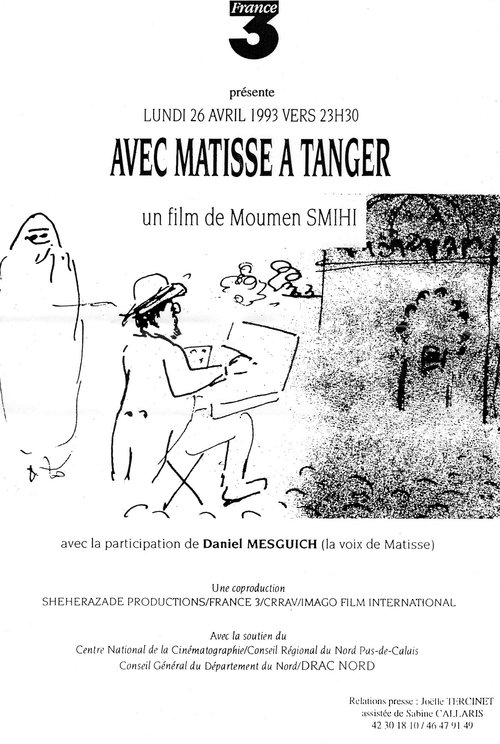
The film chronicles Henri Matisse's travels to Tangier as he seeks new motifs for his paintings from a Moroccan perspective. Henri Matisse made two trips to Tangier in early 1912 and in the winter of 1912-1913, seaching for new motifs for his paintings. The lush colors and sensuous imagery of North Africa proved extraordinarily fruitful. Matisse completed twenty-three paintings – many of them master works – and more than sixty pen-and-ink drawings.
Avec Matisse à Tanger

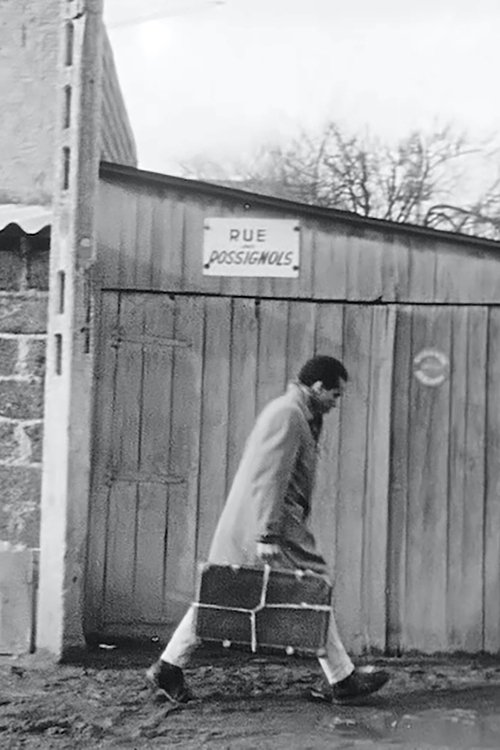
Shot in Paris after Moumen Smihi completed film school, Si Moh, pas de chance is an investigation into the lives of migrant workers in France. Connected back to the Maghreb by postcards and to his fellow migrants by shared experiences of alienation, the character Si Moh negotiates the industrialized suburbs of Paris as the subject of Smihi’s intimate camera.
Si Moh, the Unlucky Man
An intimate, personal testimony about the intellectual life of one of Smihi’s most cherished cultural figures, the Egyptian writer and scholar Taha Hussein. Smihi speaks at length about Hussein’s life and work, and includes an interview with Hussein’s granddaughter, Amina Taha Hussein.
With Taha Hussein
In an impressionistic fashion without commentary or interviews, Smihi follows the work of the painter and educator, Arno Stern, who established the Closlieu studio in Paris and has spent a lifetime with “Painting play” workshops for children and adults. The surviving 16mm is in poor shape and not currently available for viewing.
Colors on Bodies

Larbi Salmi, the 15 year old son of Sidi Ahmed, a theologian and Lalla Alia, the daughter of one of the scholars of Fes, is full of desire to know women. His mother presents Rabea to him, a beautiful young girl, aged 17, and fascinated by love stories.