Acting
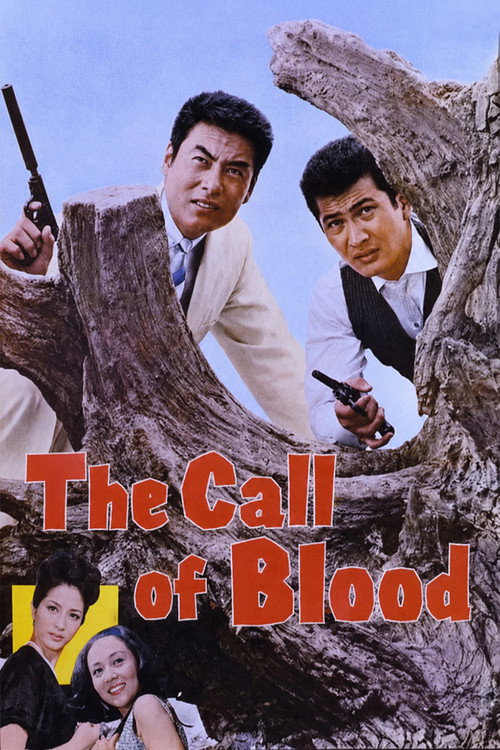
Two brothers seek revenge on the yakuza responsible for the death of their father.
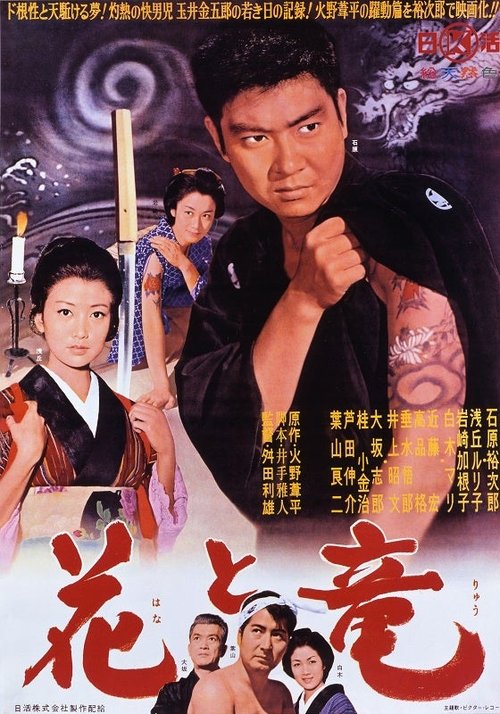
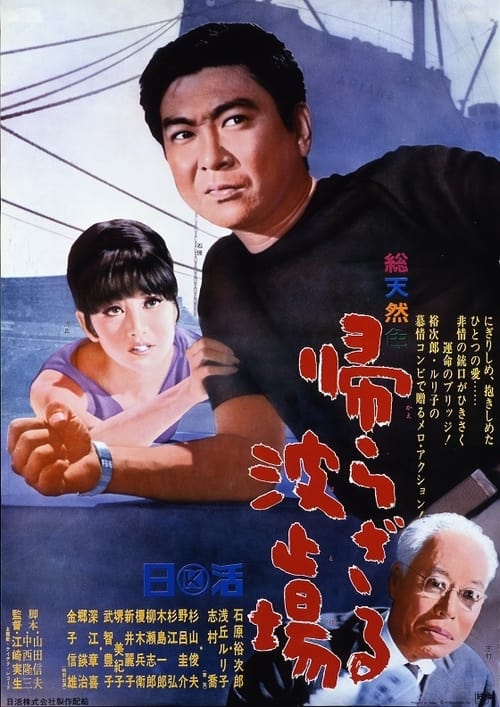
In the late 1890s, coal is a precious new natural resource. During an era of rapid economic growth, dreams are instilled into the lives of many across Japan. A vigorous young man with a look of fearless determination, sets foot on the northern part of Kyushu, an area where Yakuza thrived. His name is Kingoro Tamai (Yujiro Ishihara). With plans to travel the world, Kingoro worked diligently at a coal mine. His loyalty and hard work earned the respect of his peers, his courage won the heart of the beautiful Mon (Ruriko Asaoka), and his success evoked jealousy in his enemies.
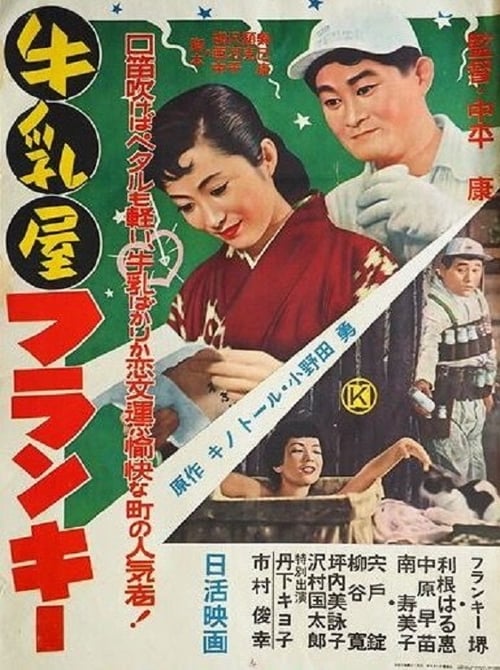
Roppeita is big in size, clumsy and full of energy. When his grandfather orders him to move out to Tokyo to save a sinking milk delivery business a distant relative of his runs, he encounters the most strangest of clientele.
Newly out of prison after killing his boss' rival, Akio Maki is eager to move on and start a new life with the boss' daughter. However, the chains of the past are not so easily broken and Maki is soon ordered to kill again.
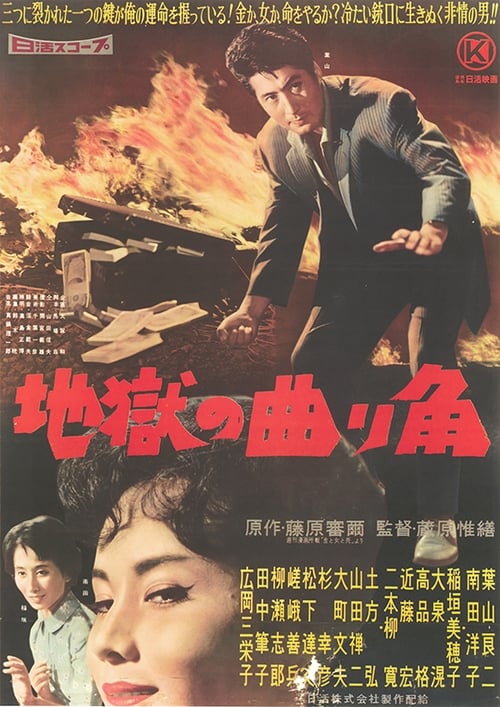
Maki, a porter at the Sakura Hotel, finds a body in Room No. 2 and picks up a piece of paper on which is written "one-third of the key", also the part of a key. From a newspaper he learns that the dead man is an official who has been detained as a suspect in a bribery case involving 150,000,000 yen and that another suspect named Matsunaga is still in custody. Maki realizes that if he can obtain the other two-thirds of the key, he will be a multi-millionaire.
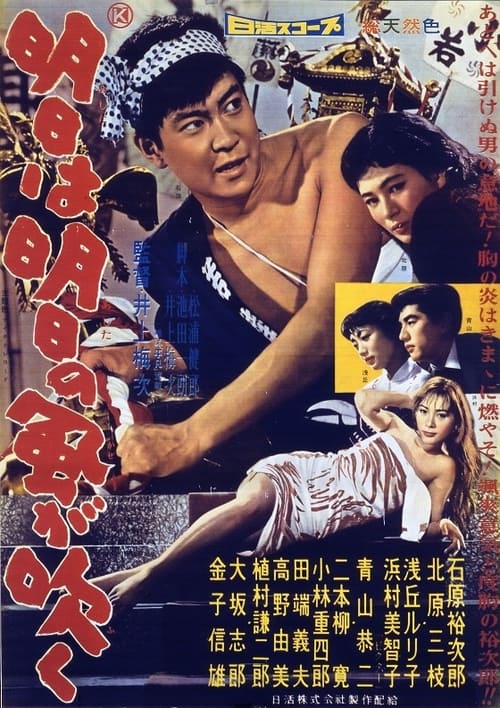
The story of three brothers who struggle to shake free of the father's ties to the yakuza underworld. A star vehicle for the popular singer/actor Yūjirō Ishihara.
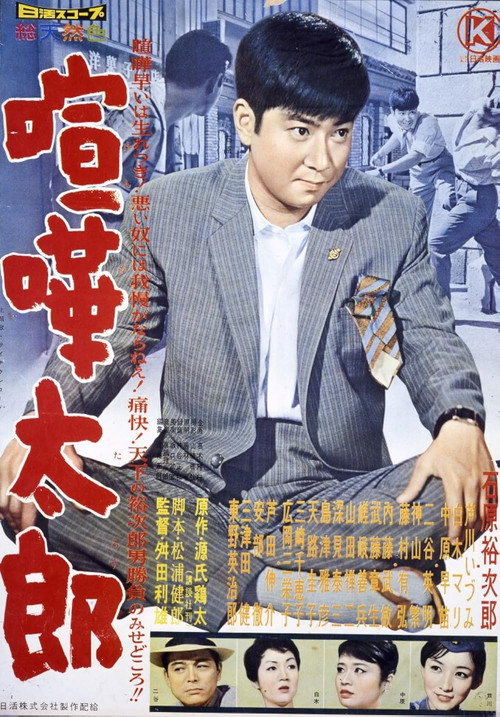
Taro Uno, nicknamed "Fighting Taro," has joined Hyakusho Trading Company, which is currently busy with bidding for Southeast Asian reparations supplies. This is because their competitor, Toyo Bussan, is considered a strong contender. One day, Taro comes to the rescue of Toyo Bussan's president, Iwashita, and his illegitimate son, Kenji, who are being harassed by a local gangster named Kankichi.
1967 Nikkatsu film.
A gang lord hires Kamimura, a hit man, to take out a rival boss who's gotten greedy.
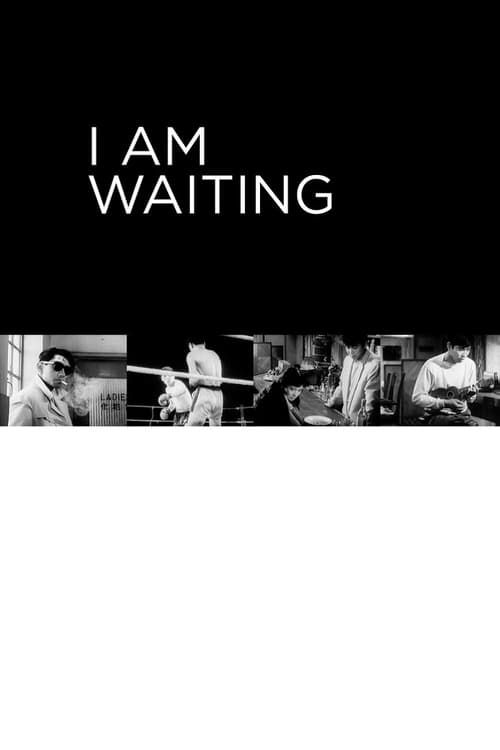
A former boxer gets involved with a club hostess trying to escape the clutches of her gangster employer.
A jazz pianist named Shiro Tsuda returns from an overseas tour unwittingly carrying drugs that have been sewn into his jacket. When he stops by to see his girlfriend Kyoko, he walks in to find an unknown man attacking her. While struggling with the man, who is armed, Shiro accidentally shoots and kills her. The intruder knocks Shiro down and takes the drugs from Shiro's jacket. Shiro realizes that he was being used as a drag smuggler. He is sent to prison for three years for killing his girlfriiend. When he is released, he is determined to find out who set him up.
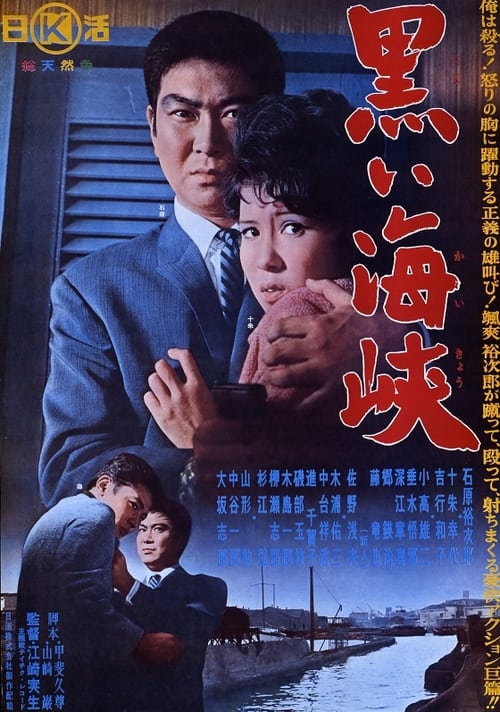
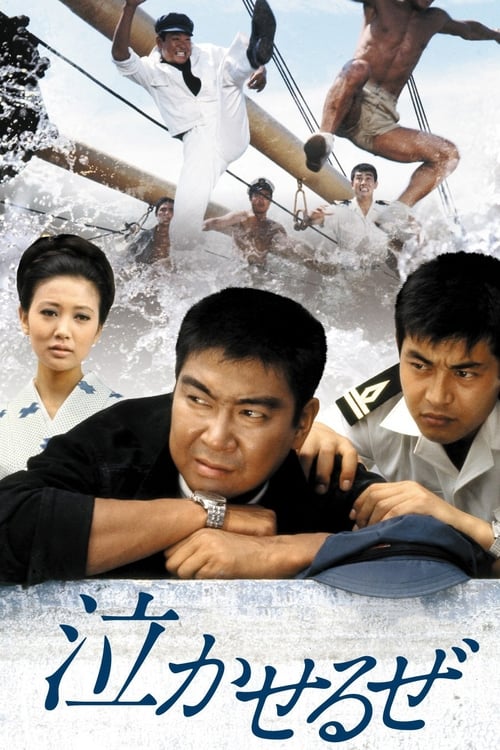
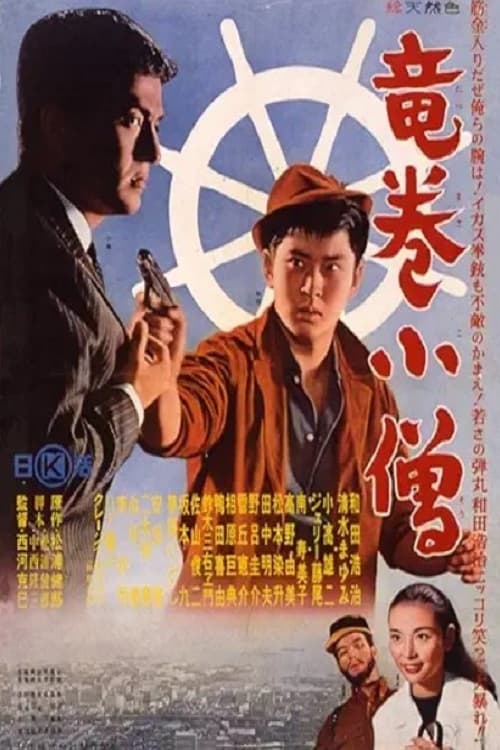
Hiroshi is the second officer on board the Hakuromaru. Lead by his captain, he heads out to town to recruit new crew members for their next voyage. Hiroshi is baffled when his captain approaches the Daigo-Kuroshiomaru crew, a notorious group nicknamed "the hoodlums of the sea". Their offer is greeted with scoffs and quickly turned down.
Tommy, a tornado boy who arrived at Arima Onsen in search of his father, whom he separated from when he was young, meets a girl named Eiko after driving away a group of thugs causing trouble at a variety show venue. Additionally, a drifter named Nanajo, impressed by Tommy's skills, approaches him with a story about a smuggling ship sinking off the coast of Kobe...
At Tokyo Gakuen University, Takema, son of Tatsunosuke, chief of the Waku gang, is a freshman who wishes to prepare himself for a better life away from gang activities despite the wishes of his father who wants him to assist strengthen the gang against the Kawano group. Takema's classmate, Akiko, is the daughter of Eiko who operates a restaurant, and through her he obtains a lodging in the house of Shiu, a dancing mistress. The students enjoy their life, but most have their troubles. Sakamoto works as a laborer on the docks to help pay for his schooling, and Akiko worries over the relationship between her mother and Sakurai, a corrupt politician, suspected to be involved in graft over jet aircraft.
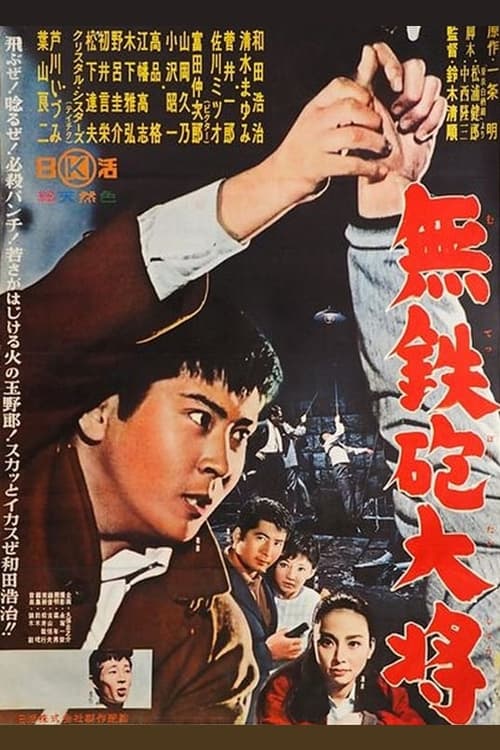
Wada Kōji is a chivalrous young man who leads a group of youths that take on a yakuza boss.
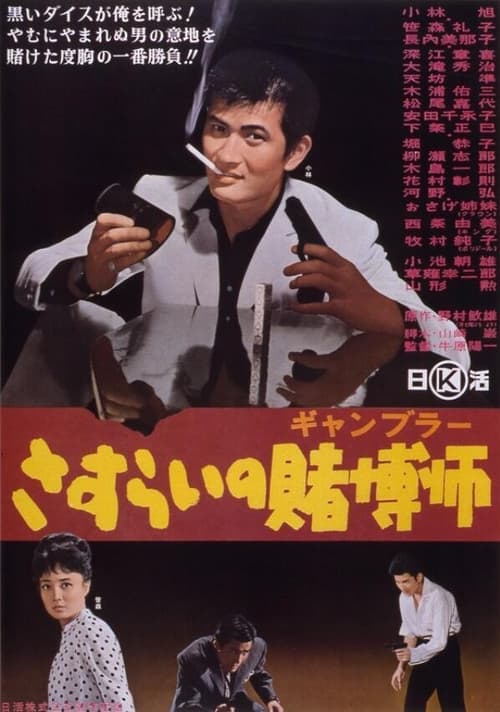
Koji Himuro is the wandering gambler. His brother and his girlfriend were both murdered because he was determined to expose a gambling cheat. As a result, he vows to never gamble again, but in the end, his rage against cheats spurs him to action once again, with deadly consequences.
A high-school vigilante protects his community from the extortions of mobsters from a neighbouring city.
Based on the loosely autobiographical novel of the same name by Toko Kon. Ken Yamanouchi stars as Togo Konno, the titular bastard.
Kosuke Suzuki returns to Hakata's hometown after learning that his best friend Takehara has disappeared. Kosuke is persistently hindered by Hasebe from Omura Sangyo. Kosuke's partner Kumagoro investigates and finds out that Hasebe, who killed the head of the Muraoka clan, made Takehara disappear in order to keep him silent. The third film in the series.
Hanayome wa Jūgo-sai, directed by Mio Ezaki and distributed by Nikkatsu, stars Masako Izumi and Ken Yamauchi. The high-key pink background and casual photographic portrait embody Nikkatsu’s 1960s youth-film aesthetic. Clean, hopeful, and pop-oriented. The large white title, handwritten for a softer impression, injects playful energy that contrasts with the strict vertical text blocks. As Japan’s youth culture blossomed after the 1964 Tokyo Olympics, posters like this captured the spirit of romance and rebellion marketed to teenage audiences. The vivid color palette and carefree composition signal a stylistic shift from postwar black-and-white melodrama to the vibrant optimism of modern Technicolor cinema.