Anton Petje
Acting
Known For
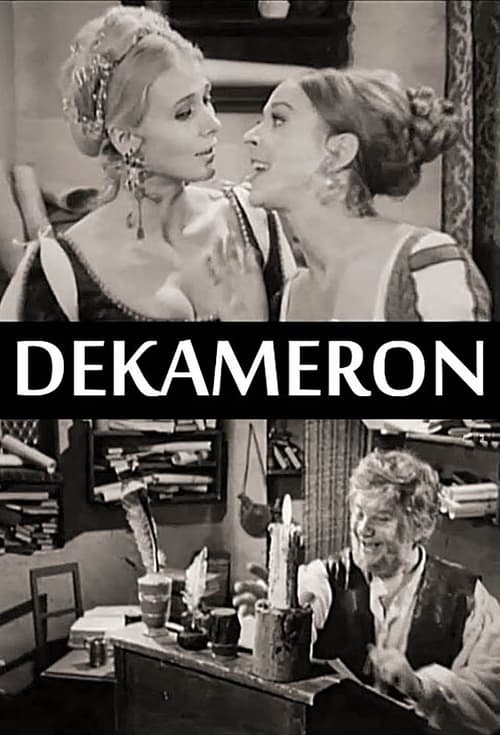
Depicts many funny and satirical tales from Giovanni Boccaccio. Around 200 actors, among them almost all the greatest of the time, with Stane Sever at the helm. He played a mischievous writer who, in each episode, leads viewers into new intriguing stories of the human spirit. After the eighth part, he was replaced by Stevo Žigon due to his death. In 2013, the series was digitized and restored. After many years, it was then broadcast again, but not in the original order.
Decameron
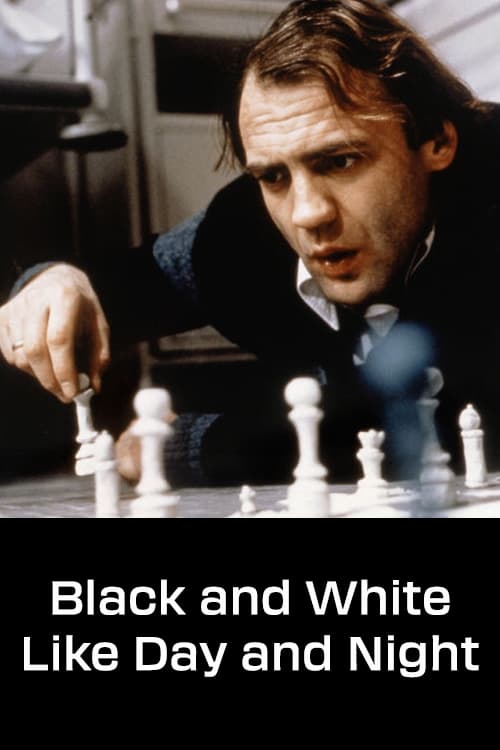
A scientist who swore off playing chess after a nervous breakdown as a boy wunderkind, creates an undefeated chess program. But the Russian world champ beats Tommy Rosemund's masterwork in a televised match. So the West German mathematician becomes a top chess pro himself, which the West German media boast will prove the superiority of Germany and democracy. The jowly, white-faced Rosemund believes that the entire Red Communist bloc is out to stop him from vanquishing their atheist pretty boy, Stefan Koruga, to become the next Bobby Fischer and a symbol that capitalism is preferable to socialism.
Black and White Like Day and Night
The manager of a whorehouse is in love with a young woman who works as a maid, there. He believes that his feelings are reciprocated, but the woman chooses instead to marry a rich man who has also been courting her. Punctuating the story of this romance are a magician's show, and an earthquake.
Fear
Miha, Pipi and Andrej finally convince Bobo to take them on a trip in a used car Old girl, but soon an unforeseen complication hits them. The boys then encounter Janja, who has run away from home and who steals the heart of one of them. But what about when Bob is secretly colluding with the militia.
The Expedition of the Green Dragon
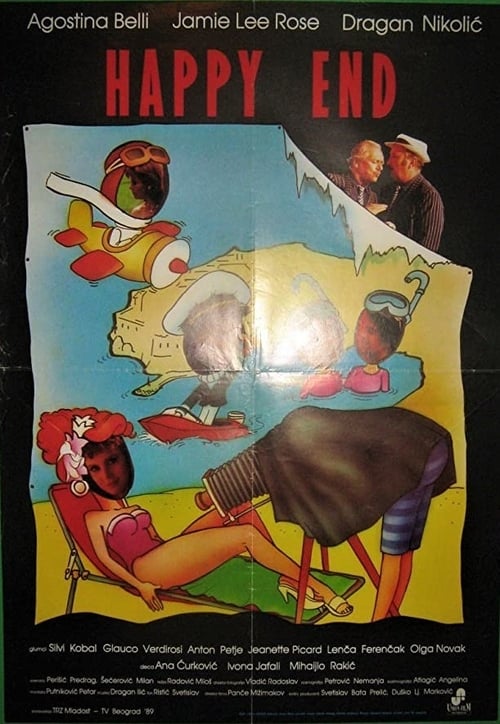
Father goes on a honeymoon with his American wife, but the children go along with them.
Happy End
The adaptation of notable work by Slovenian writer France Bevk about catholic priest who maintains national dignity among his villagers, and doesn't fall under fascists' influence during Italian occupation of the area.
The Vicar Martin Cedermac
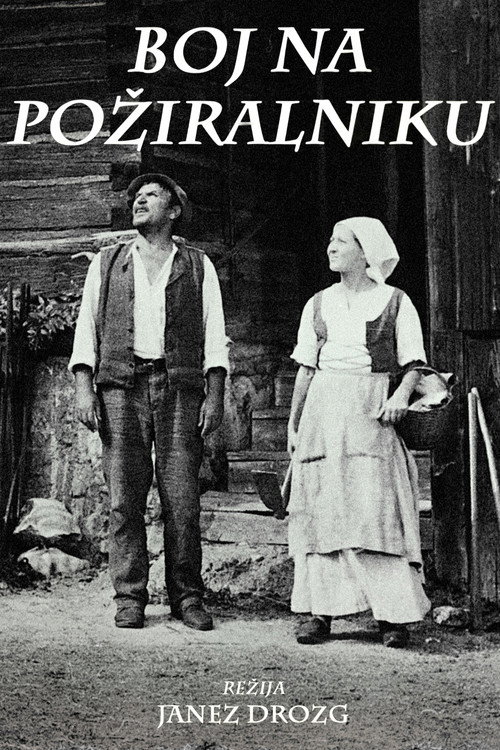
Based on a novel by Prežihov Voranc, it tells a story about a farmer's family who live in Northern Slovenia before WW2.
The Esophagus Battle
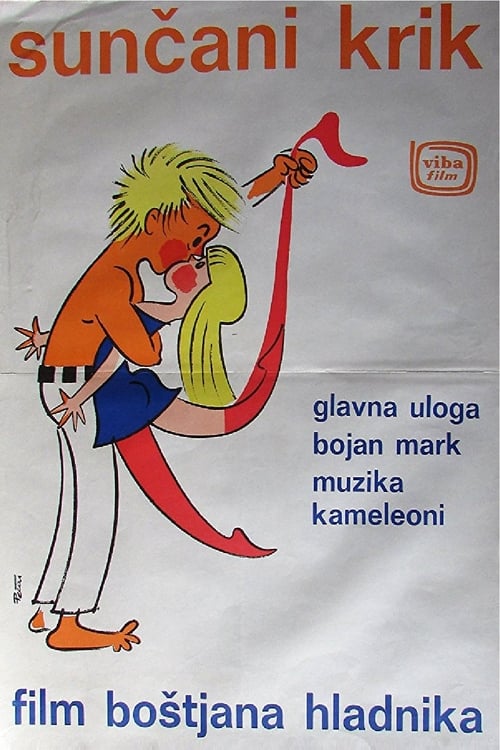
Gangsters hide the stolen money in the refrigerator, which is committed to the school for the arrangers on the seashore. In the same school, a young man responses the advertising for the photographer, so he could provide a free holiday for himself and his friends. Gangsters come there as well, accompanied by detectives. On top of all that, the school is full of girls who try to win the confused young man's heart. This generates a series of comic complications in which the young man finally discloses the gangsters from prosecution, while at the same time being rescued from girls by his friends who have now arrived on holiday.
The Sunny Whirlpool
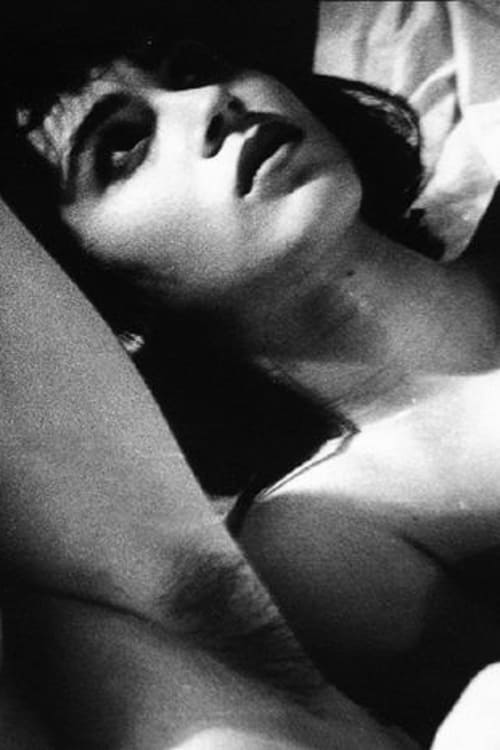
This three-part historical epic of the lives and misfortunes of the Vrhunc family in the former Yugoslavia is divided into the years of 1914, 1924, and 1944. In 1914, the wealthy Vrhunc patriarch owns valuable land and operates a lucrative mine. He is conservative and wants to hold on to the status quo, and so when the region breaks away from Hapsburg rule, he loses out. His wife, in the meantime, is a tragic figure who has an unhappy solution to her stifling existence with her husband and children. In part II, set in 1924, the fascists and communists are fighting for footholds among the population and in the government, and the Vrhunc family is torn apart because their own allegiances are divided between the two opposing extremes. In part III, the family suffers the most, as Nazi collaborators are rounded up and shot by Partisans, and chaos reigns.
Heritage
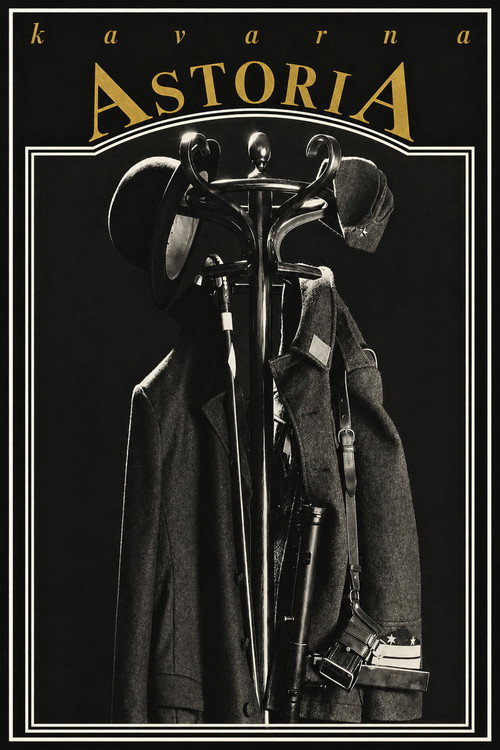
The city of Maribor before the Second World War, and Maribor after its liberation mark the period in which the film Cafe Astoria is set. The story relates with a gentle melancholy and a slight irony the lives of a middle-class family: the cafe owner, his wife and their son. Through their individual destinies we become acquainted with the social and historical background of a by-gone era; the social and national differences of pre-war Maribor, divisions among the wealthy and poor, and nationally minded Slovenes and fanatic Germanophils. The first year after the war introduced the absurd characteristic cruel measures of the so-called revolutionary social transformations in which calamity and coincidence intervene, resulting in events of comic nature, of course, as seen from a safe distance of fifty years.
Café Astoria
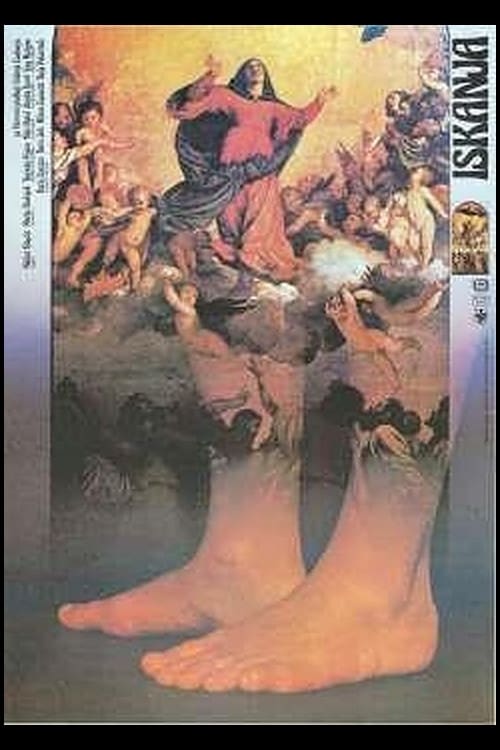
Some years before WWI, art historian and priest Ciril from Ljubljana and his friend Fritz set out on a journey through Italy. Ciril hopes that his doctorate on Italian art would provide him inner peace, thus starting a new life. Emotionally disturbed Fritz, on the other hand, tries to escape everyday life, as well as from commitment he has to his female friend.
Temptations
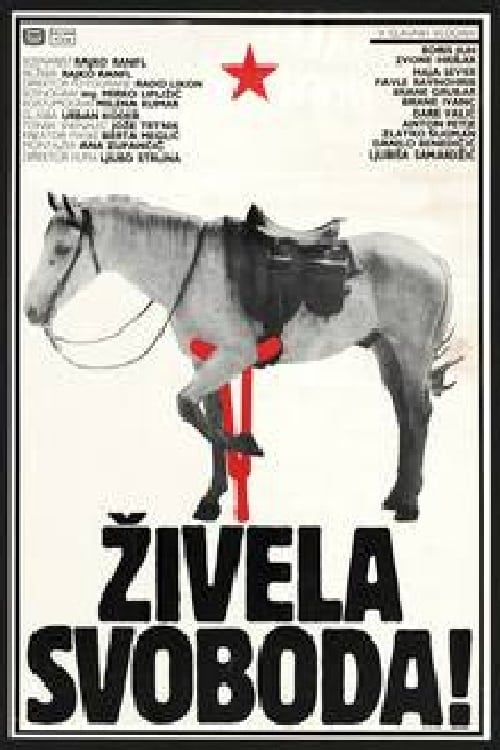
Old man Repovz recalls experiences of the WWII in an entertaining, comic way rather than tragic. A man breaks his arm to avoid being drafted; the other man shoots fire to scare enemy soldiers; love stories, as well as troubles with forced collectivization took place there. A partisan hero finds out that he lost her fiancee, but somewhat cheers up when his white horse comes back to him...
Long Live Freedom
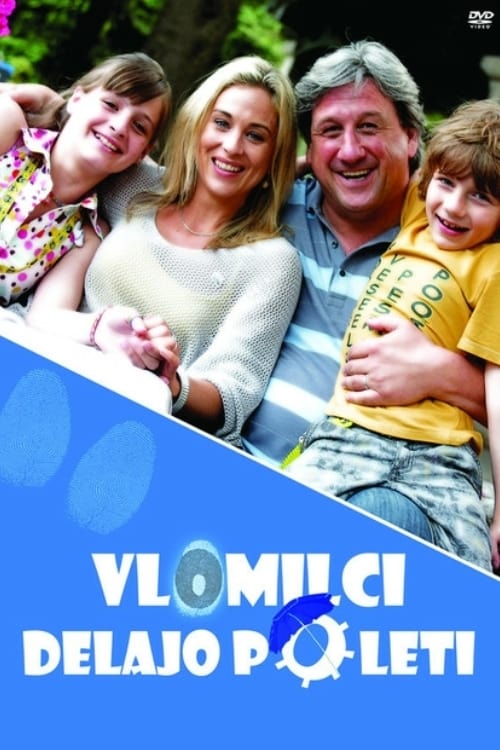
Erjavec family (dad, mom, daughter, son) go camping in Slovenian Alps. Instead of a peaceful vacation, they end up involved in detective kind of story.
Burglars are at Work in the Summer
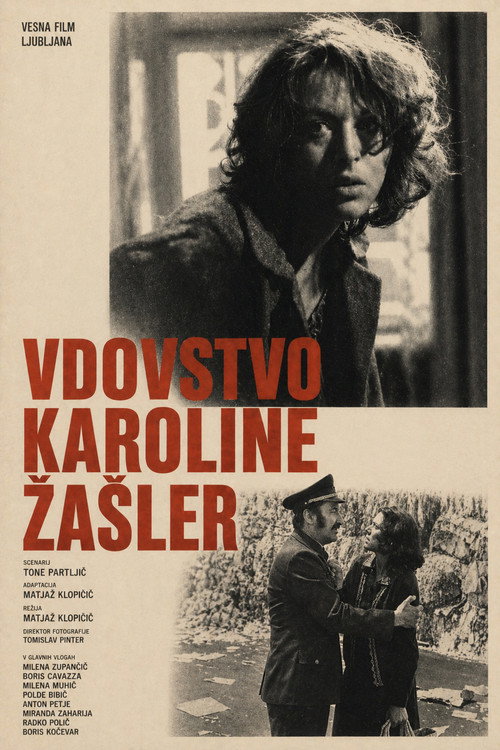
As she tries to cope with the changes in Yugoslav rural life brought about by increasing modernization, the Widow Karolina wishes she had become a mother. As difficult as things are for her, they are nonetheless much more difficult for her more-conservative and less-thoughtful neighbors.
The Widowhood of Karolina Žašler

Vrnitev is a Yugoslavian (Slovenian) Fiction TV Film. Featuring Miha Baloh, Maks Furijan, Ivanka Mežan. It was directed by Anton Tomašič. It was produced by RTV Ljubljana. It has received 1 award.
The Return
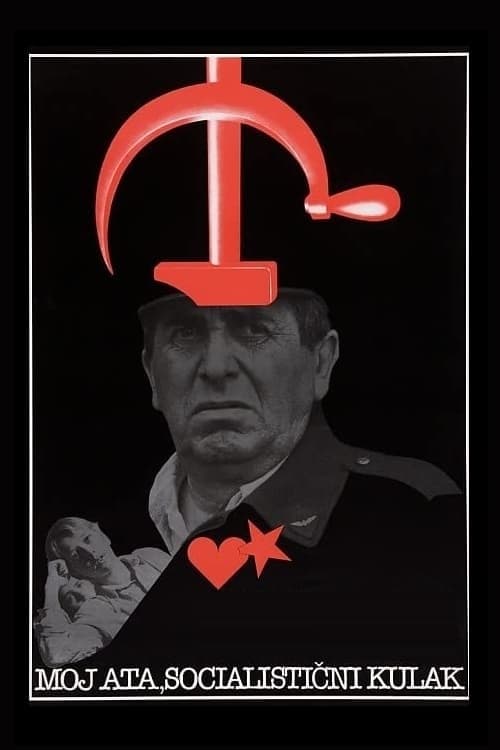
Year 1945. The second World War is over and the soldiers from the disbanded army are returning home. Yet there is still no sign of Joze Malek.
My Dad, the Socialist Kulak
Slovenian actress with the pseudonym Mary comes from a well-to-do bourgeois family. She falls in love with Petar Kocmur, a final-year architecture student. One day she finds a girl in his bed, but she throws herself into the river because nothing in her life makes her happy.
Miss Mary

A 1973 Serbo-Croatian-Italian language drama film directed by Matjaž Klopčič, starring Mira Stupica, Radmila Andrić and Dare Ulaga.
Hard Way
A three-part omnibus drama that shows destinies of three grown men: first segment (Escape) is about a sculptor, the second segment (Shade) is about a loner, while the third segment (Ring) is about a movie star.
P.S. - Post Scriptum
Šelig's heroine Agata lives torn between everyday, real life and the eternal woman within her: a woman who connects Agata with the mythical, the archetypal, the forces of nature and the primal elements. The primal forces and energies of life intrude into Agata's everyday life of voluntary servitude or passive devotion. Agata experiences them as a possibility for a different existence, while Agata Schwarzkobler's triptych, with its depiction of Agata's double image, presents the viewer with the eternal mystery of human existence.