Directing
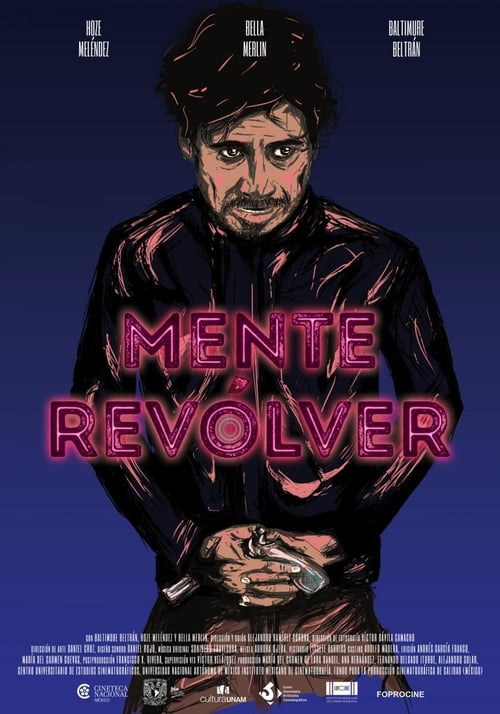
Hector is a man of the third age with serious problems of memory, the small homemade tasks of the daily life will be complicated as the day passes.
Chicali is a young street cop who starts killing for the mafia by an unexpected situation. Mario, locked up for killing the Mexican presidential candidate in 1994 comes out of prison after 20 years of lockup and returns to Tijuana to rebuild his life. Jenny is an American homeless who decides to cross the border to Mexico in order to change her condition. Jenny falls in love with young Chicali, who is assigned to kill Mario.
Get to know the work of some women who were part of the first generations of one of the most important filmmaking schools in the world.
No description available.
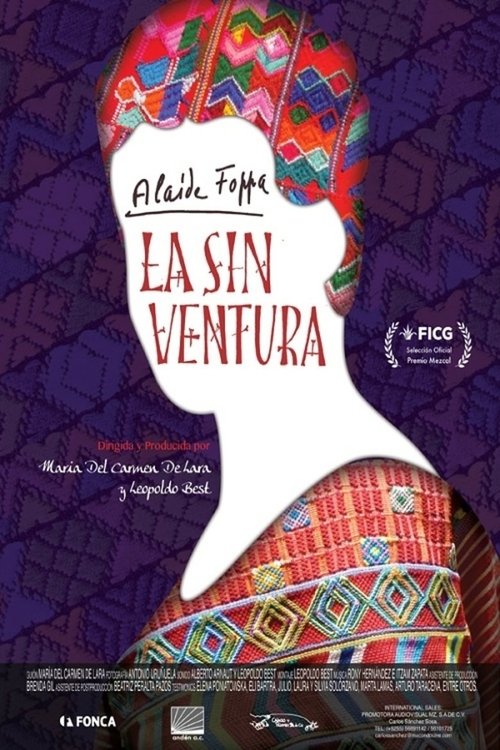
In the course of Alaide Foppa's life, she became a precursor of feminism in Mexico. She was an immigrant who, in her own way, tried to break the molds established by her upper-class upbringing. Her sensitivity and intellectual development made her question matters of social injustice, educational and gender inequalities, the importance of socially-committed art forms and the vindication of democracy throughout Latin America. Her tragic end reveals much about the history of Guatemala.
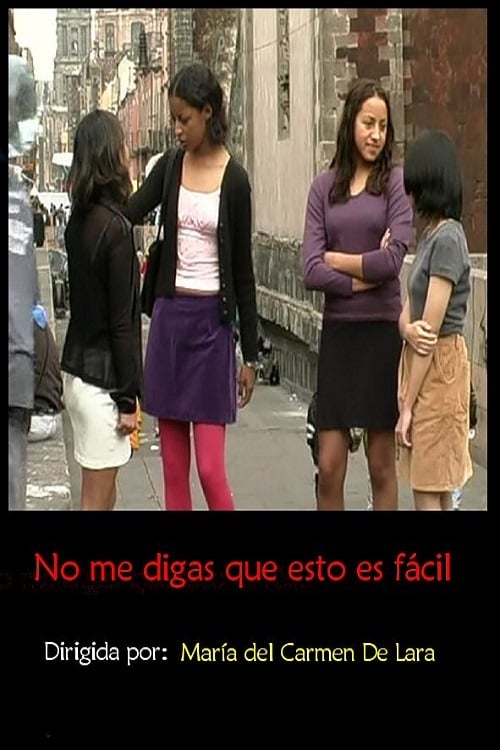
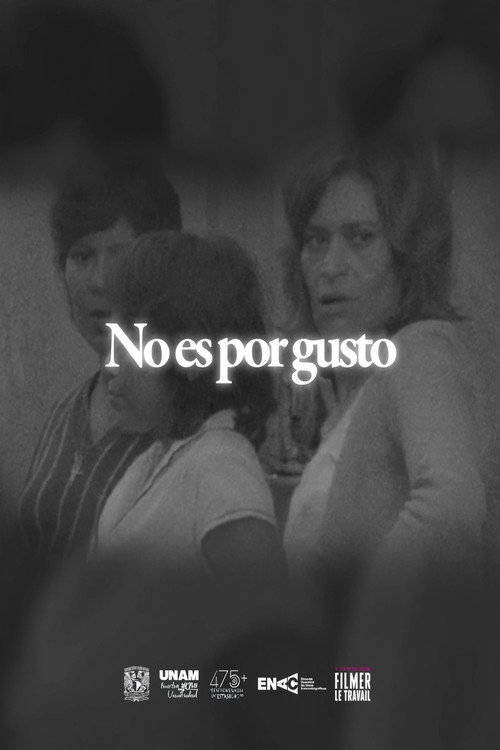
The first documentary directed by Maria del Carmen de Lara, together with feminist producer, scriptwriter and director Maria Eugenia Tamés. A direct cinema experience, based on research on the harsh reality of sex workers in Mexico at the time. Testimonies from several women, who have different life paths, but share the violence to which they’re exposed: precariousness, prison, mistreatment, discrimination and dehumanisation.
A crooked CEO is kidnapped and nobody cares enough to pay his ransom.
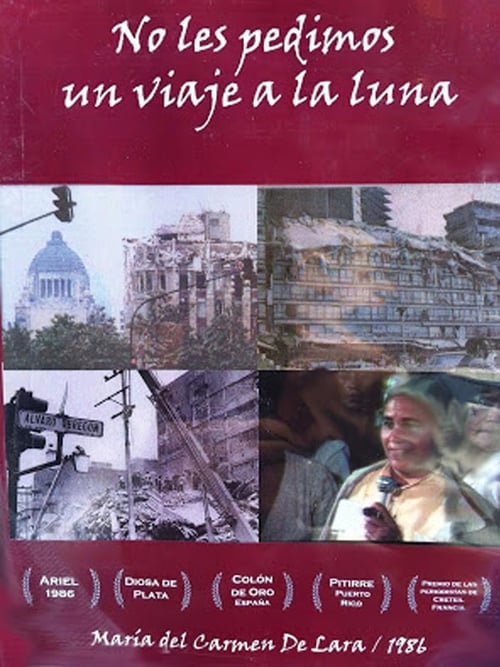
It focuses on the struggle of seamstresses whose workplaces in Mexico City were affected by the devastating 1985 earthquake and exposes their employers' refusal to pay fair compensation.
Mexican feature film
The polemic departure of Carmen Aristegui from W Radio brought a disturbing fact to light: a new party in power in Mexico did not mean the dawn of a new era of free speech in the media. The alarming persecution of independent journalists and the approval of reforms that perpetuate the monopoly position of certain media giants show that there is still an imbalance of power between the political sphere and the media moguls.
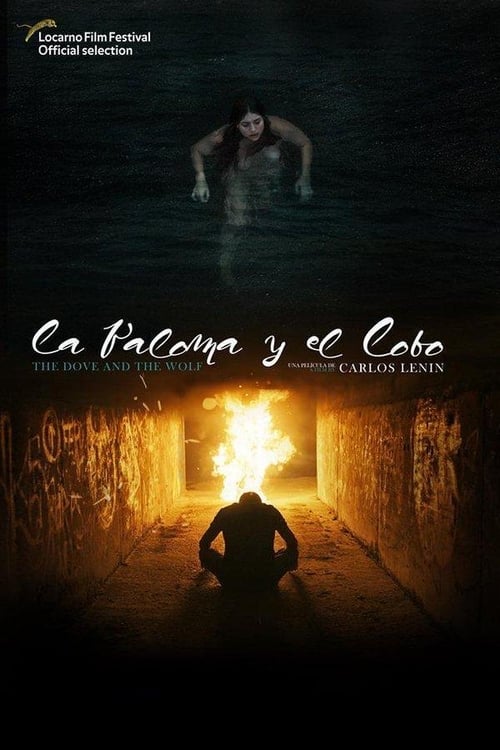
Displaced by the violence that swept their town, Paloma and Lobo survive trying to love each other. Through thirst, fear and nostalgia, Paloma wishes to go back home but Lobo lives tied to a memory that stops him from returning.
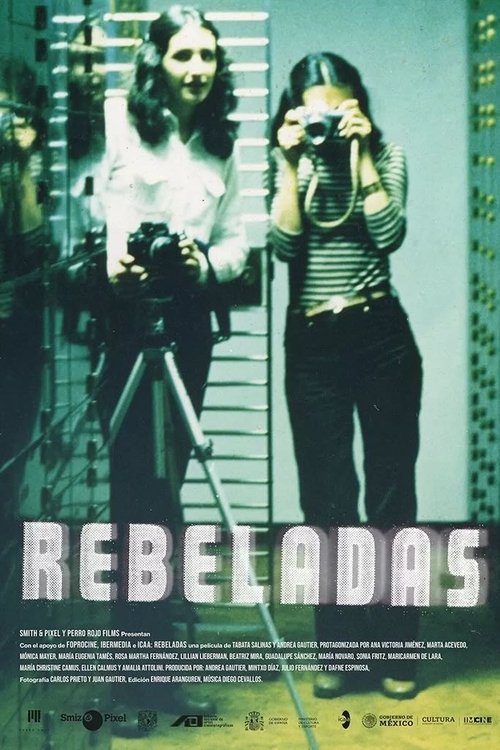
40 years ago in Mexico, a group of women filmmakers gathered to make films dealing with taboo subjects, gender violence, rape, feminicide, clandestine abortion, labor discrimination. They called themselves “Cine Mujer” and were active as a collective for over 10 years. Today they reflect on violence against women and their continuous struggles, which are still prevalent in modern society.
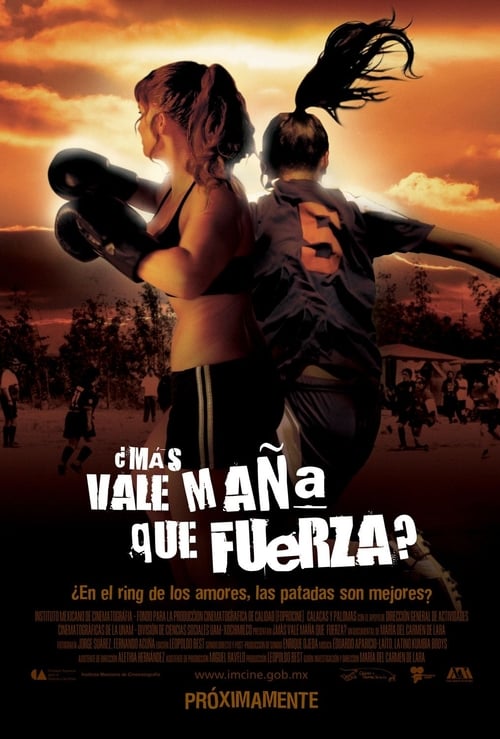
This documentary deals with the stories, achievements and difficulties of women boxers and footballers. Their stories are told from the point of view of their daily lives where sport, family live and relationships intermingle in a complex and often contradictory whole. All these women share the desire to triumph in sports normally considered to be men´s sports. Some of them pursue their dream while working at other jobs such as driving taxis, selling tacos or being lawyers. They are not women victims, trapped in the family or in marriage; for the simple reason that they are still fighting, they have not accepted defeat. This documentary looks at the feminine aspect of these sports and the unfairness that there is.
Under the water of the dam Miguel Alemán rest the remains of the ancestors of the Mazatec people of San José Independencia and its surroundings.