Sound
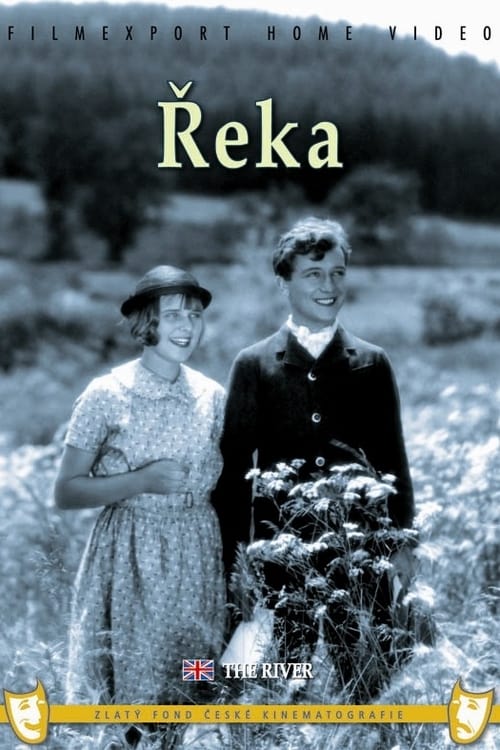
The story of love, between a sturdy village boy and a gentle country girl, filmed with a movingly genuine charm.
Even children in an over-technified civilization need fairy tales, and Mrs. Fairy Tale invites them into her world. The woodcutter goes to the forest with his children, Hansel and Gretel. While their father works, the children pick strawberries. However, they get lost deep into the forest and lose their way back. After a sinister night, they find themselves in front of a honey gingerbread house. While peeling gingerbread, the witch catches them: she locks the skinny Hansel in a cage to fatten him up, and makes the plump Gretel her helper. However, benevolent angels watch over both children, appearing to them in their dreams and giving them hope for salvation.
No description available.
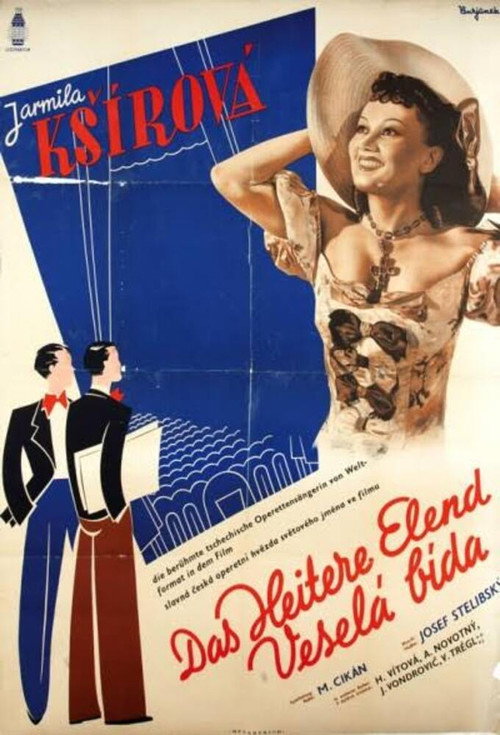
Two young composers offer their operetta in vain - it is rejected before anyone reads it. By a coincidence, when its text ends up in the wrong briefcase, it ends up with a popular singer who, on the contrary, likes it very much, but has no idea who wrote the play... The search for the authors, personality confusion and budding love become the main plot elements of this pleasantly naive film, where there is constant singing.
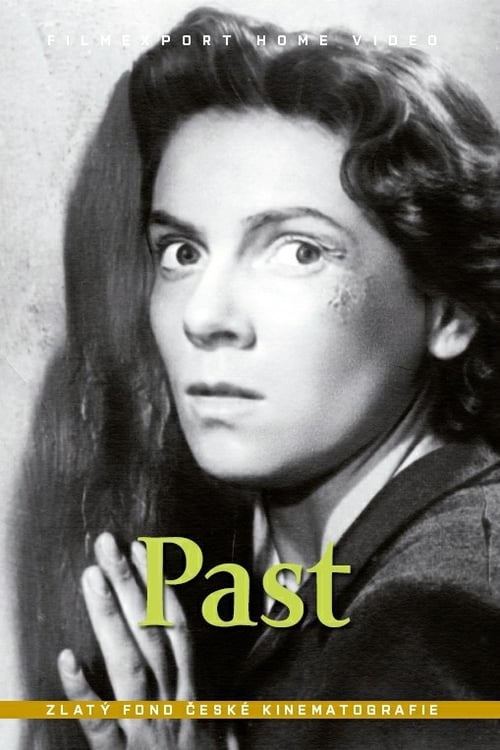
The drama from the time of the Nazi occupation begins at the train station, where a transport with German soldiers is passing. The train is stopped due to improvised sabotage by one of the railway workers. Resistance liaison Růžena Kubínová is arrested in a random raid. The cynical councilor Dönnert discovers her false documents and has her brutally interrogated. He suspects that she could contribute to exposing the entire group. He puts a informant, Herta, in her cell.
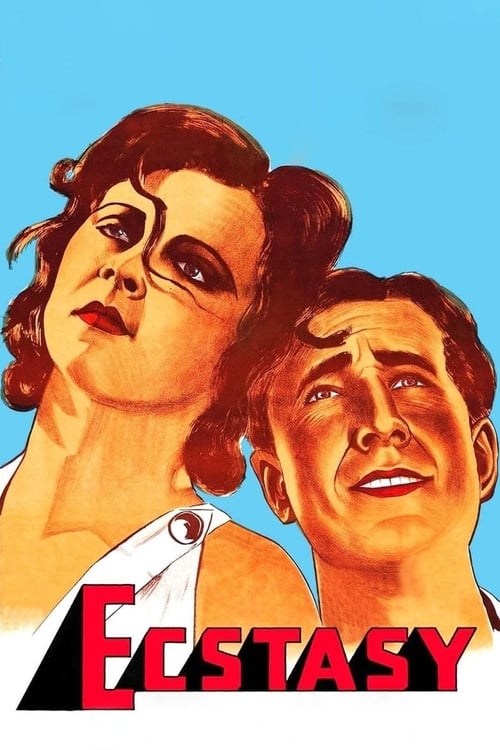
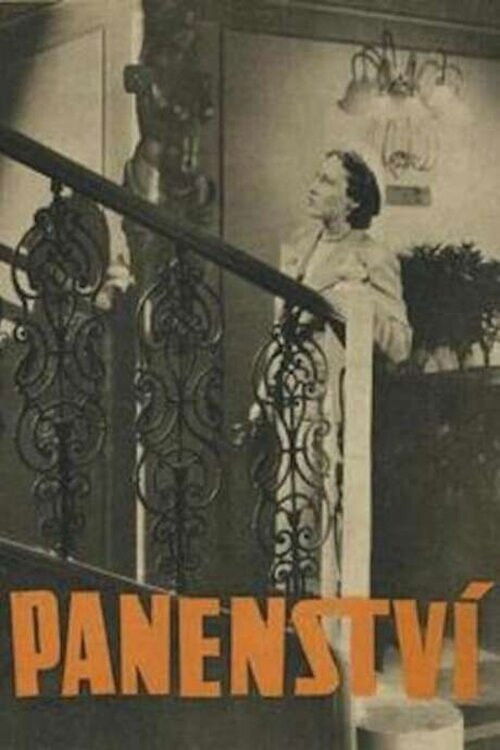
Eva has just gotten married to an older gentleman, but discovers that he is obsessed with order in his life and doesn't have much room for passion. She becomes despondent and leaves him, returning to her father's house. One day while bathing in the lake, she meets a young man and they fall in love. The husband has become grief stricken at the loss of his young bride, and fate brings him together with the young lover that has taken Eva from him.
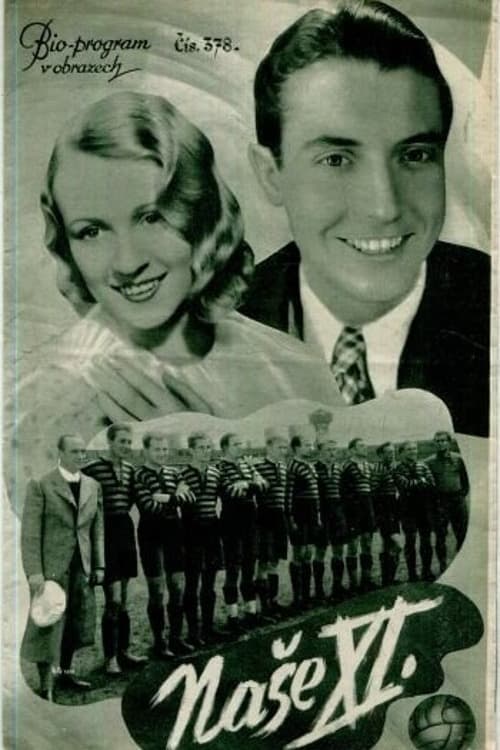
A young farmer, Jan Aleš, is drafted from his native Pošumaví to join the army. Since he likes his new environment, he stays with the army as a long-term serviceman. He even successfully passes the exams for the military academy. There he becomes friends with his Slovak colleague Milan Jurčík. He studies diligently, but thanks to Milan he sometimes finds time to go out into the city. That is how he meets the factory owner's daughter, Zdenka, with whom he falls in love. However, her father is not very happy about the promising relationship.
The doomed love of a city girl caught in the vise of poverty is detailed in Vavra’s fluid, romantic work, one of the most elegant creations of the Czech Modernist era... The film lingers over its characters’ habitats and haunts, finding psychological truths in what each owns or desires, and countering every Hollywood-ready scene of gleaming restaurants and dazzling penthouses with realist moments of employment lines and crammed flats. Vavra’s classical camerawork and aura of romantic defeatism give Virginity a force comparable to the master of this genre, Hollywood’s Frank Borzage. (BAM/PFA)
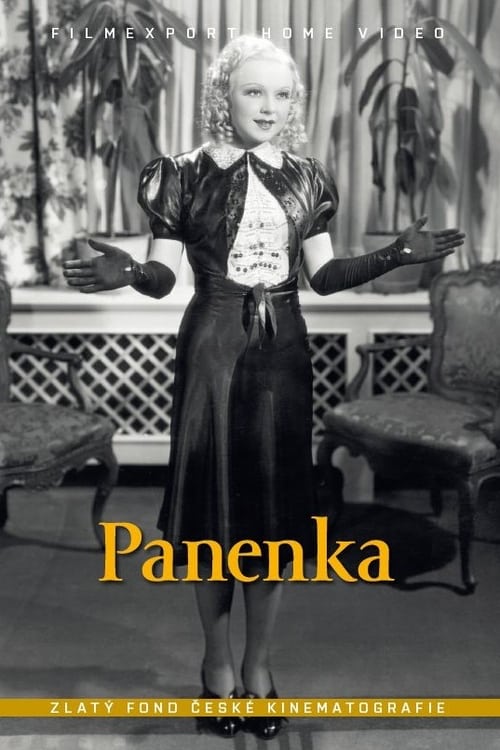
Věra accepts the offer of her friend Kajetán, who arranges a position for her in Dominik's puppet factory. The spirited girl impresses her employer, Antonín Dominik, so much that he falls in love with her. Dominik's mother notices her son's interest in Věra and immediately fires her. Kajetán, who works in the studio of sculptor Výr, who is engaged in the production of mechanical puppets that can be used to advertise goods, asks Věra for help...
A cinematic poem with an impressive soundtrack that complements and completes the cinematic sketches of the folk culture of the Slovak nation previously made by ethno-photographer and director Karel Plicka. With its perfectly constructed dramaturgy, the documentary follows the beauty of the natural cycle of the seasons and shows peasant life in an isolated village in the Carpathian mountains of Slovakia from the end of winter through spring and summer to the traditional harvesting methods of autumn. This creates a tribute to traditional culture and the secular connection between man and nature. The aesthetically extraordinary visual representation of folklore comes to life through the editing technique influenced by the Soviet avant-garde and is complemented by poetic intertitles by the Slovak poet Ján Smrek.
The family of the worker Kučera lives happily. His daughter Anežka, engaged to technical draftsman Adolf, is a seamstress. His son Váš is studying to be a machinist. The family also includes his grandfather, a former miner. However, an economic crisis is beginning. Factories stop production. Adolf loses his job and has an argument with Anežka, who has no idea the cause of his nervousness.
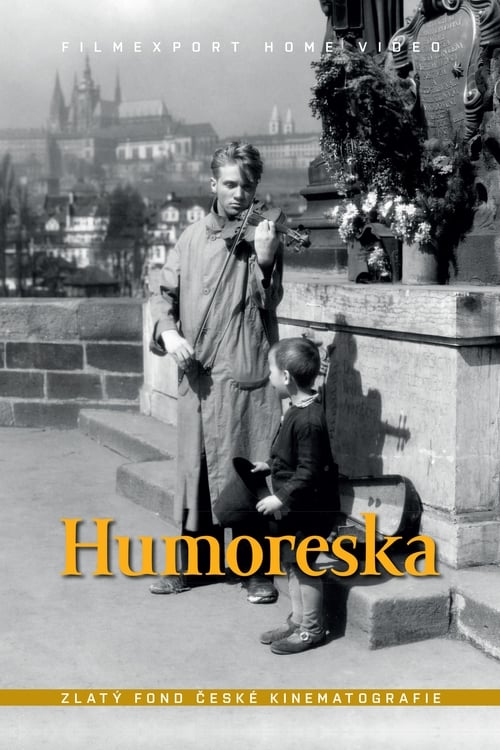
Dvořák's well-known composition reappears again and again in the serious moments of the lives of the father and son Hupeks - talented non-professional musicians for whom music gives them the opportunity to rise above difficulties and problems...
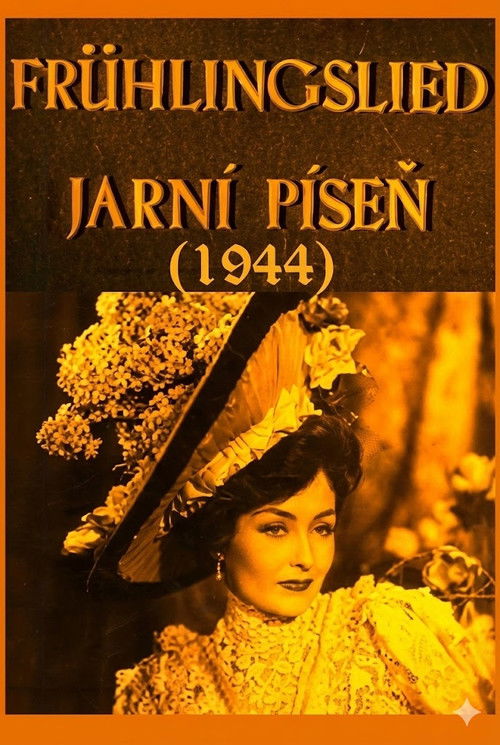
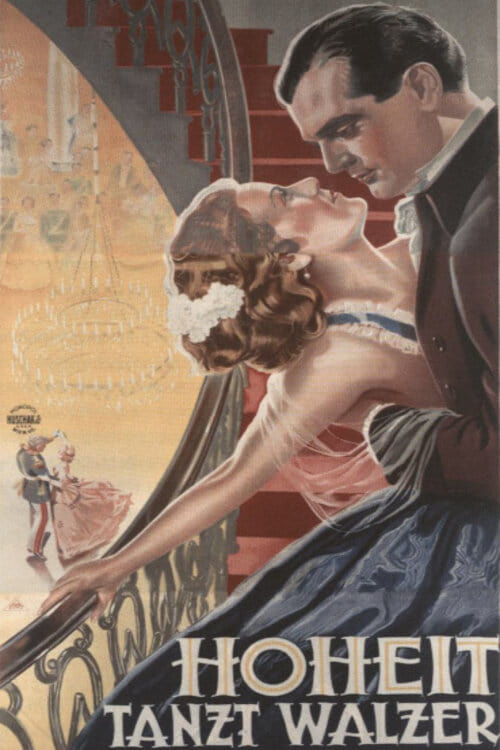
The young musician and composer Josef lives with Beethoven's music copyist in Grinzing. In the evenings, he plays for dances in the Prater, often his own melodies, although he doesn't make much effort to spread them, as they're almost all waltzes, a dance not well-regarded in high society because they're too sweaty. When one evening a lively princess—fresh from the convent—mingles incognito with the Prater crowd and falls in love with the dashing conductor Josef, an entire cultural system of values begins to crumble.
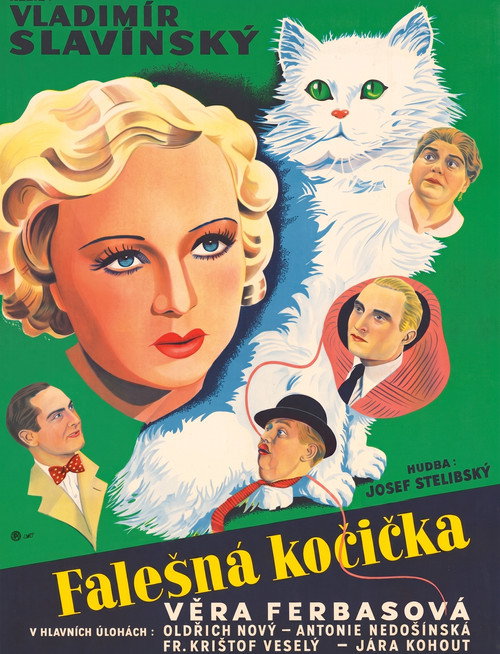
A fortune teller predicts that Dr. Přelouč will marry the third poor girl he meets. Míla, the daughter of factory owner Janota, likes the doctor and, with the help of his housekeeper Amálka, sneaks into his home disguised as a poor shoelace saleswoman. She first prepares for her role by exploring the outskirts, where she meets Vendelín Pleticha, who becomes her guide to the local pubs and her teacher of the vernacular. Dr. Přelouč is enthusiastic about the poor, uneducated girl and tries to teach her the basics of social behavior and standard language. All this until he discovers that Míla has deceived him and that Pleticha is not her father, as she had claimed...