Directing
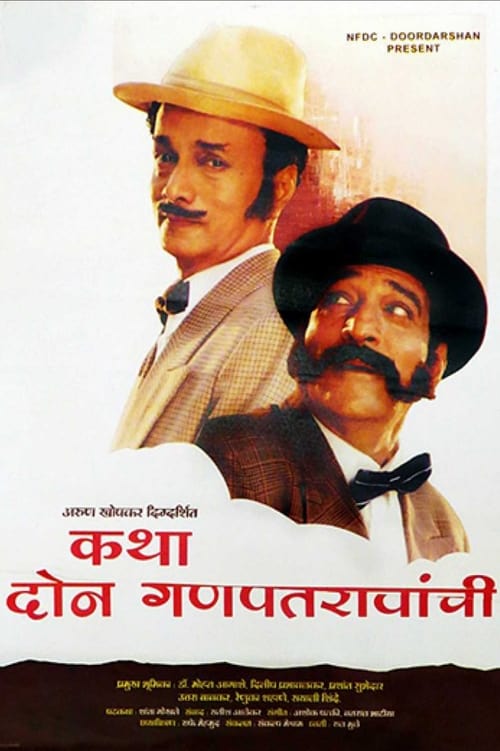
Located in a seaside village in Maharashtra during the 60s, the film unfolds over two decades. It is a tragic tale of how the best of friendships can rupture over a trivial quarrel. Once a rupture takes place, there are always people who know how to turn a quarrel to their own advantage, even if the main adversaries are completely destroyed in the process.
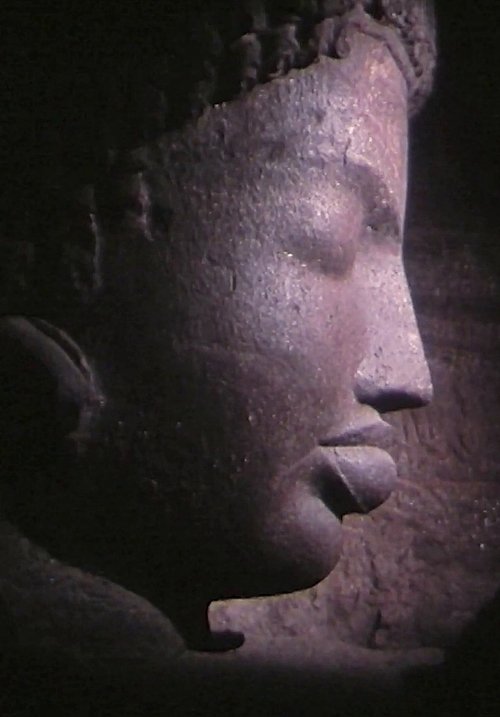
Rasikapriya’ is a cinematic exploration- the camera's desperate attempt to "see" music. The journey becomes a meditation on Indian rock paintings, sculpture, nature and cities and what the camera manages to create is a canvas of vivid calligraphic designs that often allude to poetry and rhythms of Indian classical music.
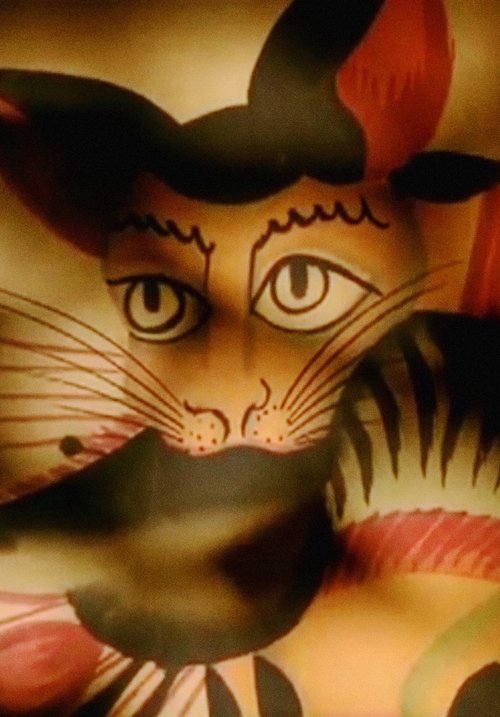
Rediscovering the intricately designed puppets of the Marathi legend Vishnudas Bhave. Screened at Atlanta and Milan.
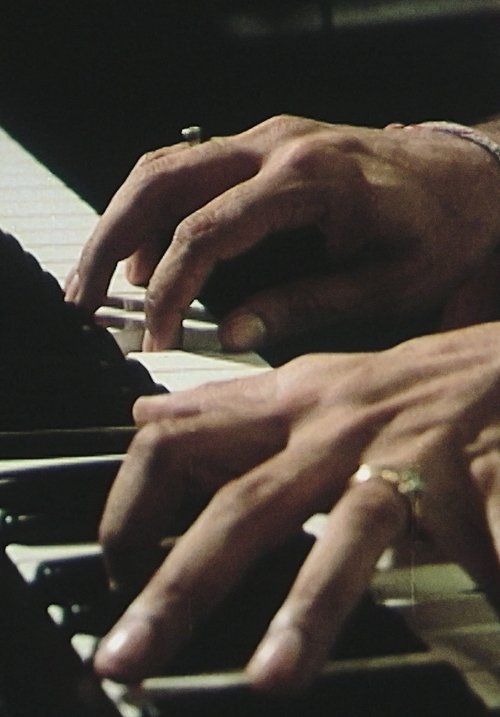
Music has the capacity to breathe life into a cinematic image. The evolution of Hindi film music has been shaped by technological changes in the recording industry as well as other cultural forces like the local Ramlila tradition, the narrative structures of Hindi films and the rising prominence of women characters within those narratives. But despite these wide range of influences, what remains central to Hindi film music is the way the sounds, lyrics and notes touch a chord with the common man. From the streets of Bombay, to the local barber shops and the booming remixes floating in urban clubs that has generations of youth gyrating to the beats very few spaces have been left untouched by Hindi music. Arun Khopkar's musical journey is accompanied by equally joyous camera movements and thus, manages to provide a nuanced understanding of the elements of Hindi film music and how the orchestra, percussion and western influences created a harmonious confluence of unique musical patterns.
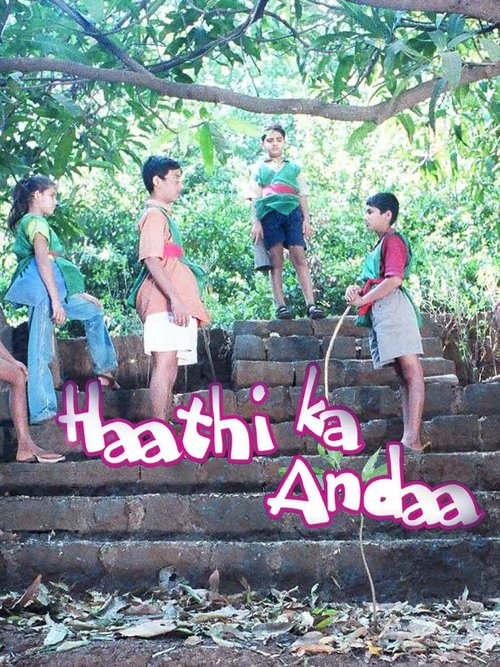
Kintoo, a nine-year-old boy, learns from his friend Baba that his grandfather's favourite book was 'Arabian Nights'. Kintoo finds the book at his uncle's house and decides to take it to Baba.
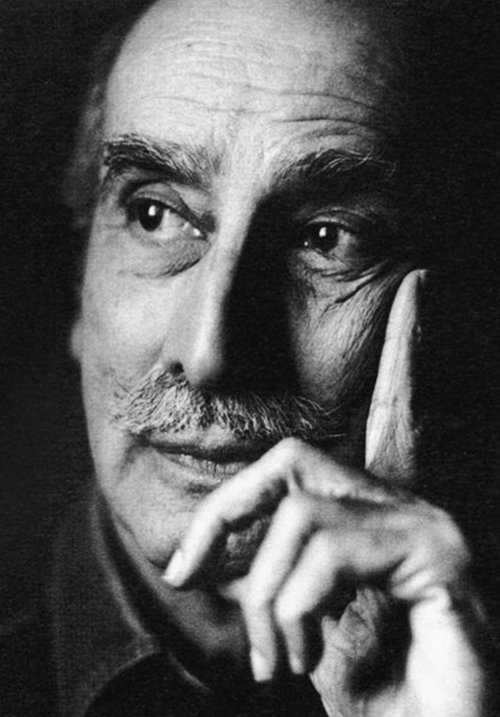
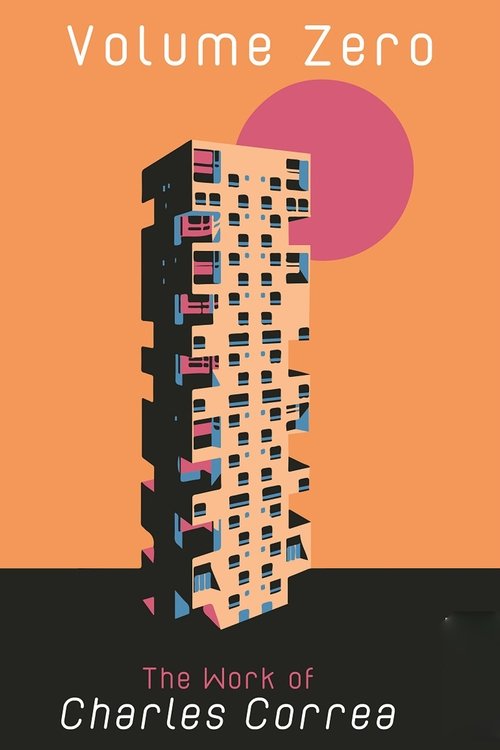
A film on the work and ideas of the world renowned architect Charles Correa, using interviews, live action, stills, diagrams, animation and archival footage to open up the thought process that generates architectural space and form.
A literary film based on a play in three acts, One Day Before the Rainy Season (Ashad Ka Ek Din) portrays the love of Mallika and Kalidasa, the renowned Sanskrit poet and dramatist. Vilom, a friend to both and interested in Mallika, is a passive onlooker for the first two acts. Kalidasa leaves his verdant mountain valley home for the splendour of far off Ujjain, where he wins fame. The action of the film is rooted in the village to which Kalidasa returns years later and finds Mallika married to Vilom and the mother of his child. Mallika sacrificed her love so that the poet could pursue his muse.
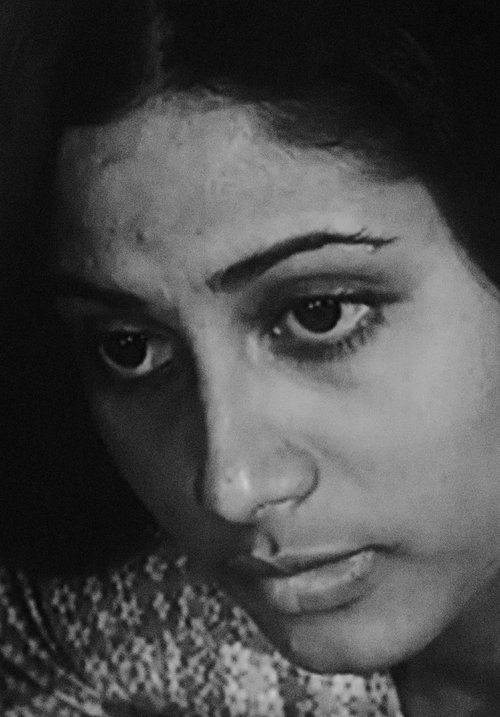
Shama and Ravi are members of a Marxist party. Shama loves classical Indian music, a luxury of a few, and Ravi is in love with quotations and the philosophy of Marx - a need of the masses. Due to a strike, Ravi is compelled to work full-time for the party. Shama decides to give up music reluctantly and joins Ravi.
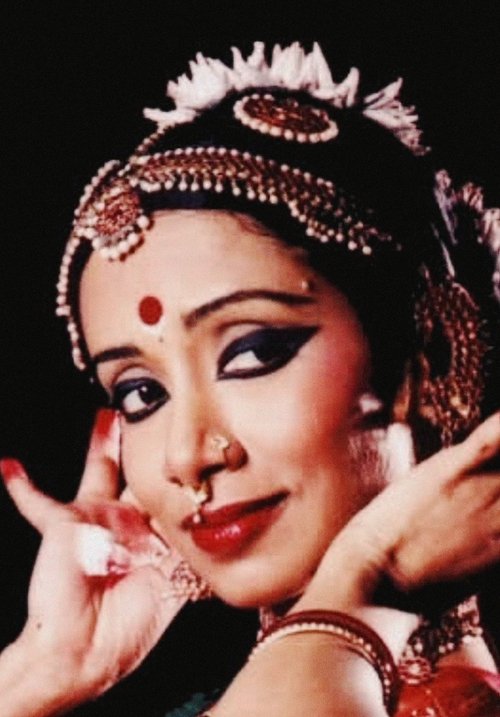
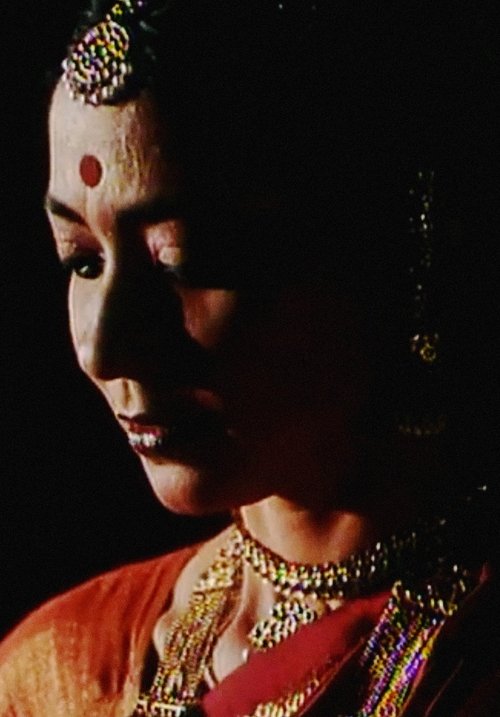
Pravahi is a film that documents and cinematically interperts the dance of Alarmel Valli, one of India’s foremost Bharatanatyam dancer.
The film shows the emergence of individual modern artist as a result of colonial transformation of the country, colonial hegemony and its nationalistic negation and also focused how Gandhian and Nehru influenced the artist during the years leading to and following independence.
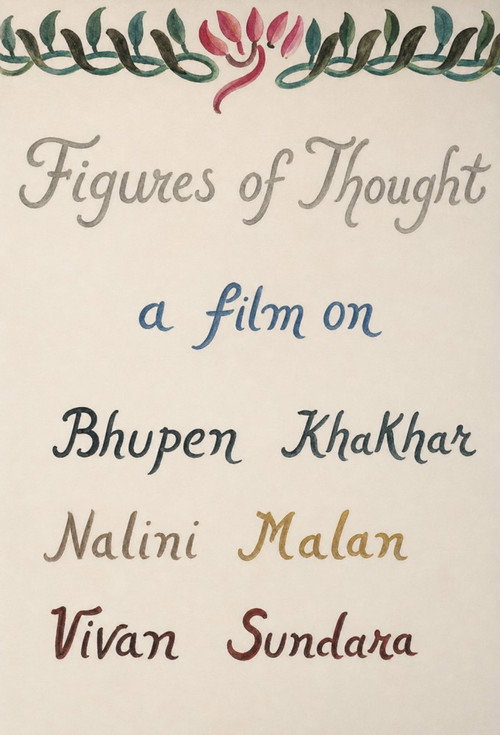
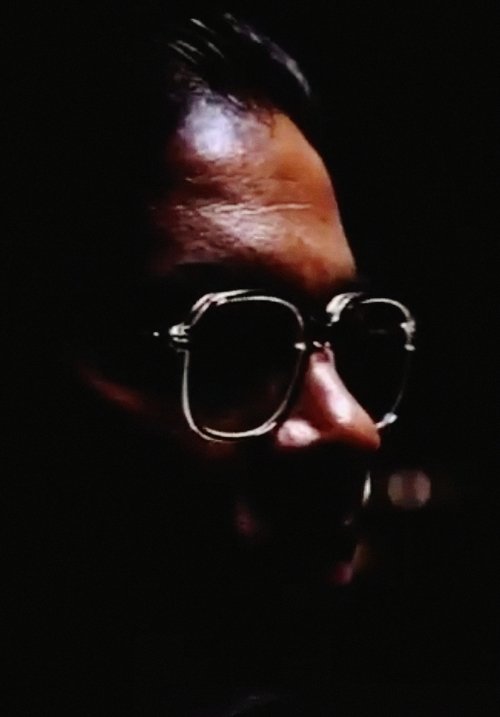
A film about three of our leading visual artists, Bhupen Khakar, Nalini Malani and Vivan Sundaram. It takes, as its point of departure, a glass mural on which all three were working, then zeros into each of them. It links them to their physical and mental worlds through cinematic devices like associative sounds, variable light and montage. Compositionally, the visuals aim to link with the styles of each artist, as well as the larger narrative traditions of India.
This eponymous film depicts the life and poetry of Narayan Gangaram Surve who is recognized as an outstanding poet of Marathi, through landmark events and a number of his outstanding poems. The film won the National Award for Best Film.
The film documents the life and art of painter Jehangir Sabavala, capturing the intricate relationship between the artist’s vision and his environment. Khopkar describes the challenges of conveying Sabavala’s creative spirit through film, emphasizing the need to engage with the subtleties of colour, light, and composition.
VOLUME ZERO is an hour-long documentary on the work and the ideas of Charles Correa, one of the world’s most important architects. It deals with his childhood, architectural training, formative years and the paradigm underlying his large and complex oeuvre spanning over five decades – as well as his pivotal role in addressing issues of urbanization in the Developing World. It uses first person narration by the filmmaker, combined with extended excerpts of interviews with Correa, live action, stills, diagrams, animation and archival footage to open up the thought processes that generate architectural space and form.
A holistic view of the classical dance form of Bharatanatyam.