Acting
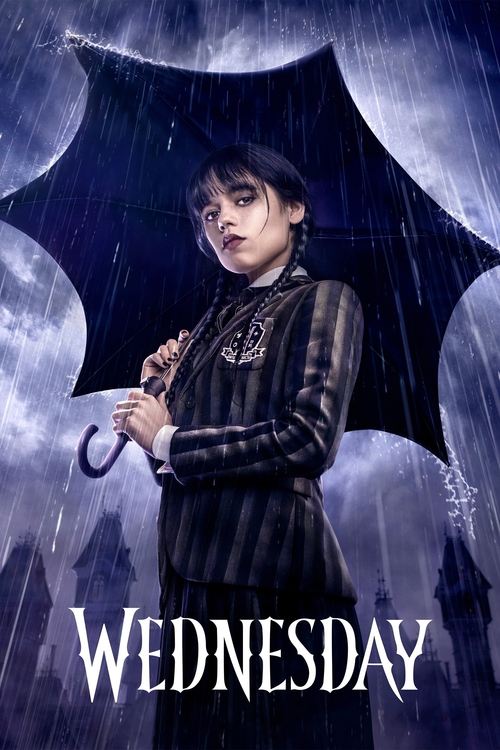
Smart, sarcastic and a little dead inside, Wednesday Addams investigates twisted mysteries while making new friends — and foes — at Nevermore Academy.
Japanese silent film from 1929.
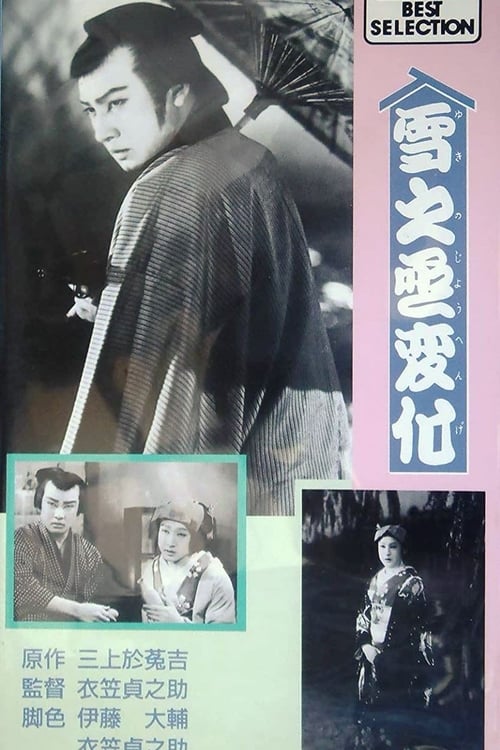
An onnagata (female impersonator) of a Kabuki troupe avenges his parents' deaths. Remade in 1963 as Yukinojô Henge.
A feature-length work based on Kan Kikuchi’s newspaper novel, adapted for the screen by Kōgo Noda. With performances by stars such as Shizue Ryūda, Kinuyo Tanaka, and Yukiko Tsukuba, alongside handsome leading men like Shin’ichirō Komura, Hikaru Yamauchi, and Ichirō Yūki, the film outshone its contemporaries. The collaboration between director Heinosuke Gosho and cinematographer Mitsuo Miura, recently returned from America, gave rise to a work of first-class quality in the Japanese film world, distinguished by its brilliance and delicacy.
Early pinku.
In late 19th-century Tokyo, Kikunosuke Onoue, the adopted son of a legendary actor, himself an actor specializing in female roles, discovers that the praise he receives is only due to his status as his father's heir. Devastated, he turns to Otoku, a servant of his family, for comfort, and they fall in love. Kikunosuke becomes determined to leave home and develop as an actor on his own merits, and Otoku faithfully joins him.
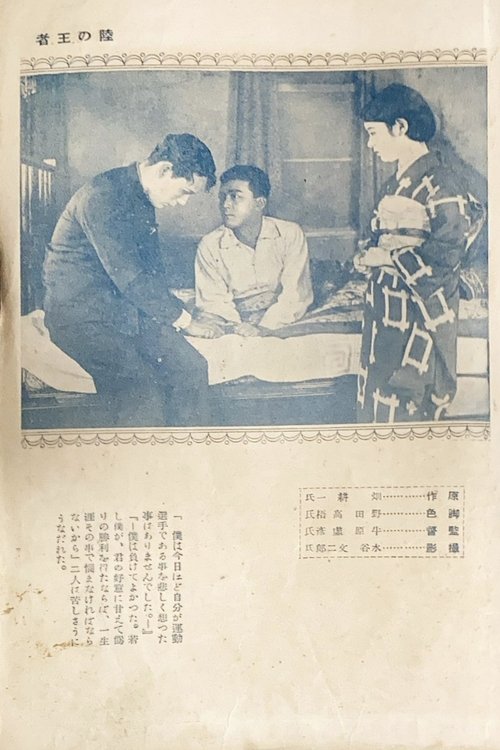
Japanese silent film from 1928, ranked as Kinema Junpo's second-best Japanese movie of the year.
1958 Japanese movie
No description available.
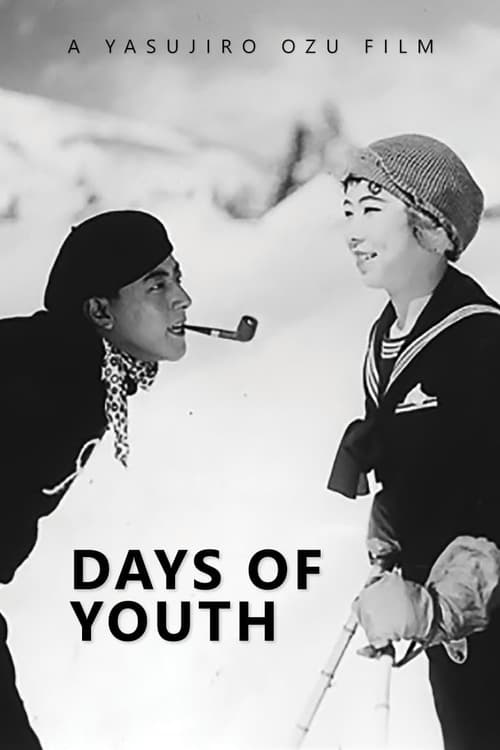
University friends Ben and Shūichi unknowingly vie for the attention of the beautiful Chieko while on a skiing trip.
It is considered to be a lost film.
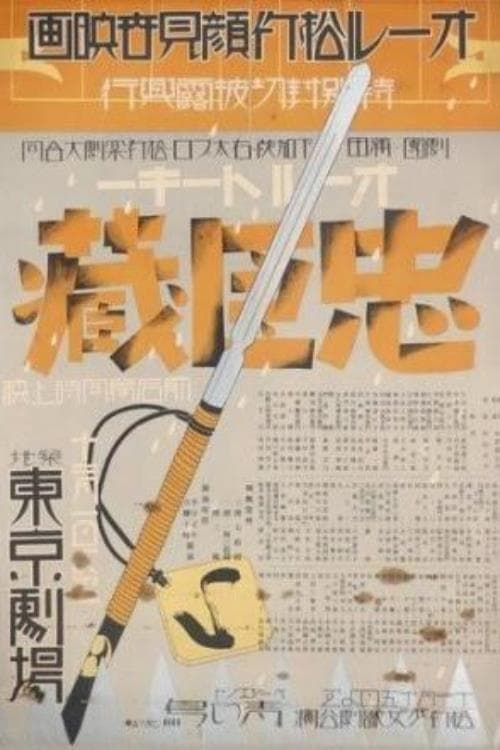
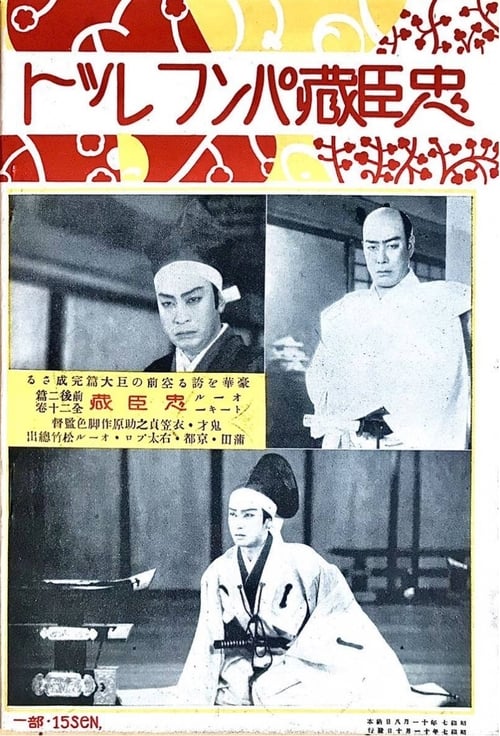
This 1932 adaptation is the earliest sound version of the ever-popular and much-filmed Chushingura story of the loyal 47 retainers who avenged their feudal lord after he was obliged to commit hara-kiri due to the machinations of a villainous courtier. As the first sound version of the classic narrative, the film was something of an event, and employed a stellar cast, who give a roster of memorable performances. Director Teinosuke Kinugasa was primarily a specialist in jidai-geki (period films), such as the internationally celebrated Gate of Hell (Jigokumon, 1953), and although he is now most famous as the maker of the avant-garde silent films A Page of Madness (Kurutta ichipeji, 1926) and Crossroads (Jujiro, 1928), Chushingura is in fact more typical of his output than those experimental works. The film ranked third in that year’s Kinema Junpo critics’ poll, and Joseph Anderson and Donald Richie noted that 'not only the sound but the quick cutting was admired by many critics.
Japanese drama from 1934. A major production of Shochiku Studio, directed by Hiroshi Shimizu.
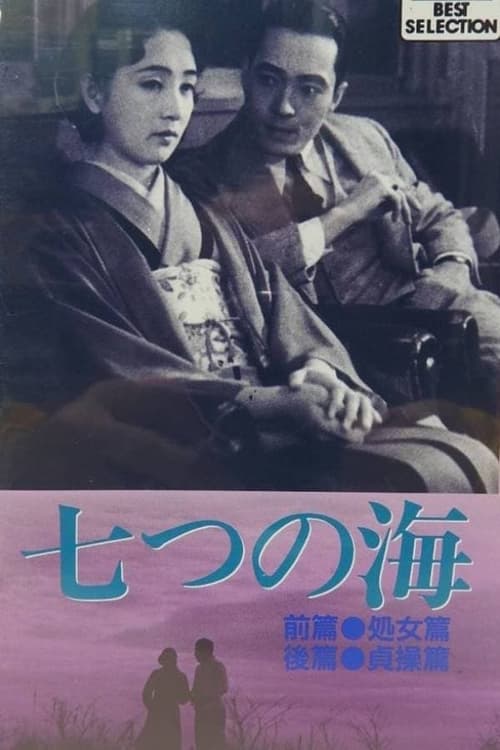
Part two of Shimizu's major silent Seven Seas, a family drama of the intertwining fates of the rich, decadent Yagibashis and the far less prosperous Sone family.
An actress returns to Tokyo after a successful stint in Hollywood to reclaim—with the help of her gangster brother—the daughter she abandoned years before.
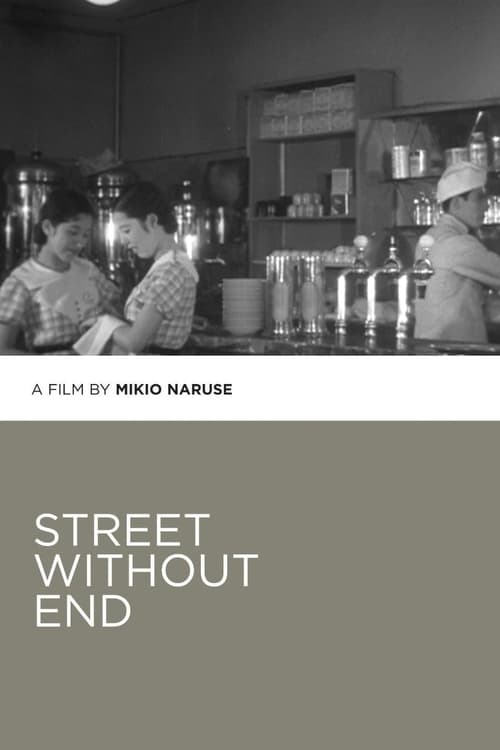
Mikio Naruse’s final silent film is a gloriously rich portrait of a waitress, Sugiko, whose life, despite a host of male admirers and even some intrigued movie talent scouts, ends up taking a suffocatingly domestic turn after a wealthy businessman accidentally hits her with his car.
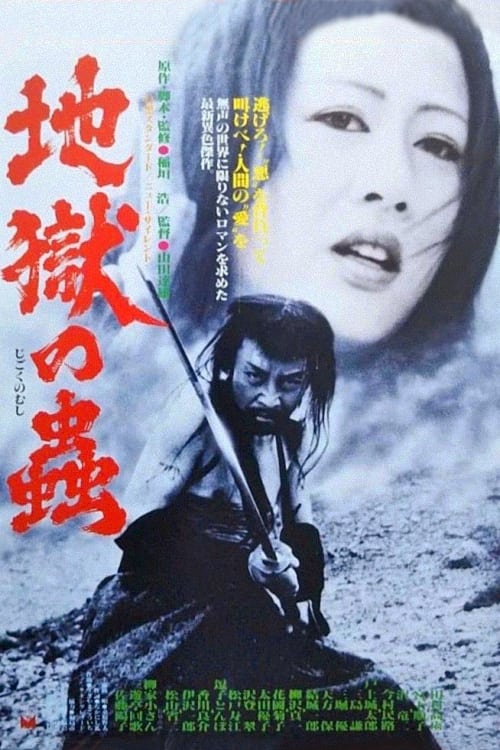
A group of bandits flee to the mountains after killing an evil moneylender. Remake of Hiroshi Inagaki's Jigoku no mushi (1938).