Acting
Japanese silent film from 1929.
Lost silent film
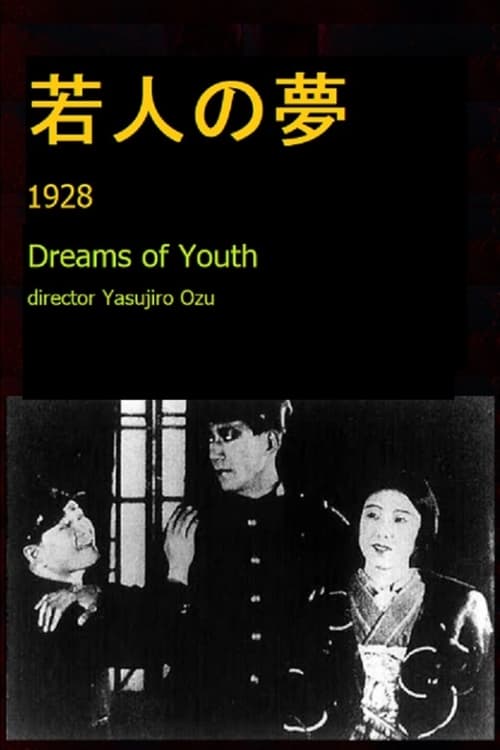
Japanese silent film from 1928, ranked as Kinema Junpo's second-best Japanese movie of the year.
A farmer’s boy, obsessed with his balsa-and-paper flying models and with dreams of real aircraft, develops a friendship with the daughter of the local squire, who introduces the lad to her pilot brother and his flying officer friends; through hard work, and despite the handicap of a lowly class status, he eventually succeeds in qualifying as a pilot and joining the air force.
Hirano's wife Yasuko had grown weary of her life of poverty. Her feelings of dissatisfaction deepened when she met her elegantly dressed friend Hanako. When Yasuko asked Hanako for advice, Hanako spoke at length about the restrictions and meaninglessness of married life and encouraged Yasuko to divorce her husband. Persuaded by Hanako’s words, Yasuko divorced Hirano and, hoping to emulate Hanako, adorned herself in fine clothes, applied heavy makeup, and sought to revel in her newfound freedom. But instead of admiration, she was met with ridicule and contempt. Even her attempts to gain recognition from magazines like Hanako’s went unanswered. She applied to work as a café waitress but was rejected, and when she became an office clerk at a company advertised publicly, she was treated as a nuisance. After being tossed about by these setbacks, Yasuko finally came to understand the love of her husband, Hirano.
No description available.
A state-sponsored film featuring singers who embodied the joys of rural life.
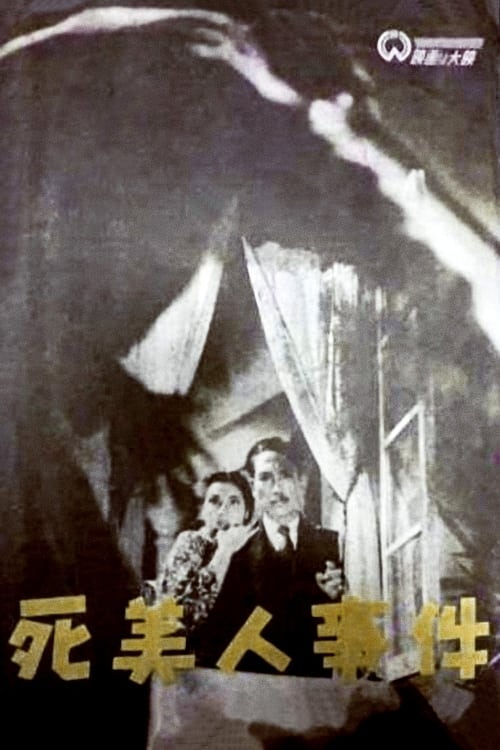
A dead beauty is found in the trunk. Kubota (Miaki), Okayama (Kawazu) and Tsuji (Funakoshi) begin investigating this mysterious crime at the investigation headquarters. Since the cause of death was poison gas, he asked Yusaku Tominaga (Tsukigata), a now retired drug crime specialist, to cooperate. Kubota and his friends soon find the house of the murdered beauty and upon entering, they are surprised to find another corpse, this time of a man…
A playwright moves to a rural neighborhood to avoid the distractions of the city, but he discovers there are plenty of ways to get sidetracked in his new home, too.
A counterintelligence film about an American spy who conspires to spread infectious bacteria inside a Japanese factory.
A film adaptation of Nobuko Yoshiya’s popular novel.
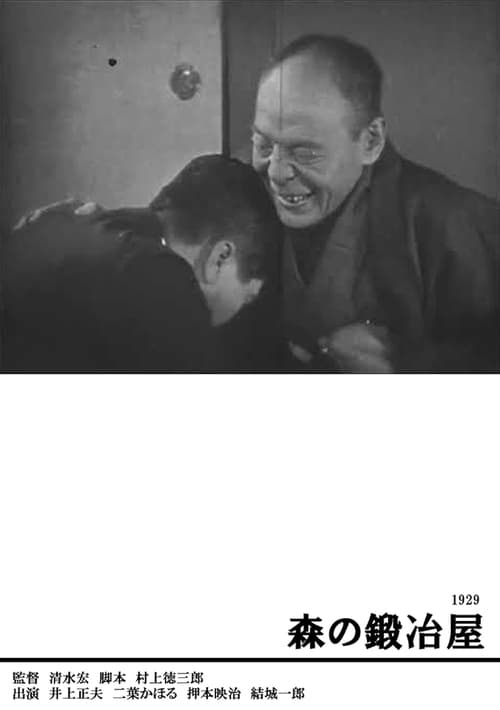
A blacksmith is chased out of the village by the sinister village chief and forced to move to the forest with his wife and two sons. The blacksmith's younger son is disabled, and the other children in the village tease him. The older son aspires to become a doctor in order to fix his brother's leg. The film depicts the bond between a father and his sons. Only 18 minutes survive.
Hideki Yamaga runs a used bookstore in Ginza. He is a man known for his great physical strength, helping the weak and standing up to the strong, and is deeply respected and loved by the women of the city. Nicknamed “The Lone Wolf,” Hideki takes special care of street children. One morning, he rescues Kim Ono, a country girl who was standing there dazed with a single duffel bag, and asks Katsuko, the owner of a dressmaking shop he knows well, to hire her.
Japanese silent comedy from 1930. The directorial debut of Hiromasa Nomura.
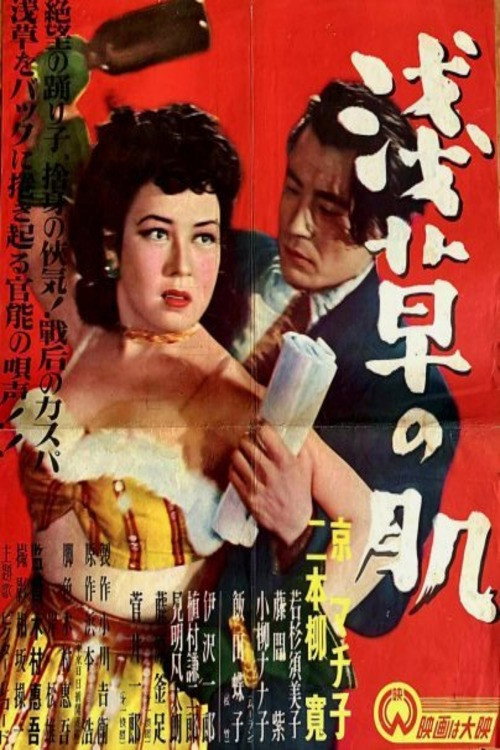
Yoshio Kawai is a lowly singer at the Bonbon-za, a third-rate theater in Asakusa. Together with fellow low-ranking actors Tokuri, Kameda, and Hanayama—and centered around Yumi, the beautiful dancer who serves as their mascot—they form a poor but cheerful group of five.
Raucous small-time thief Kenji falls in love with sweet and simple Yazue, but when she finds out what kind of guy he really is, she leaves him until he proves to be honest. Kenji soon finds it's not so easy to get rid of one's past.
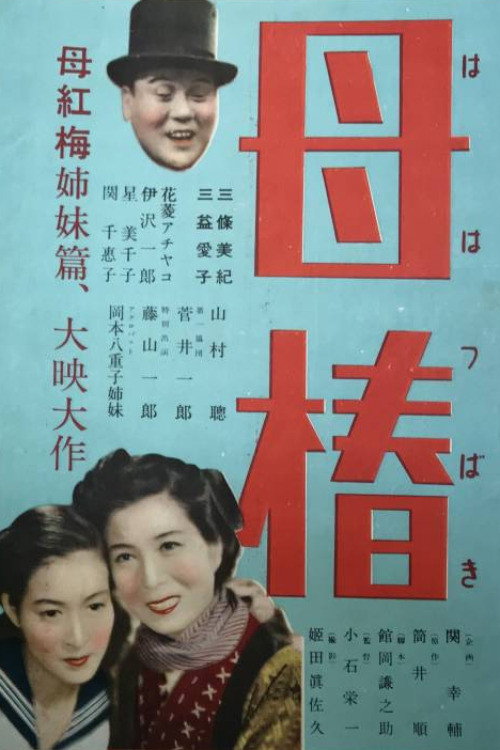
Kamezo, a manzai comedian, had been taking a break from performing while his partner Tsuruko was giving birth, but Tsuruko announced that she was retiring from the stage. That child was, in fact, the son of Takashi Yashiro, a politician with a promising future. Believing that a relationship between a politician and a female manzai comedian would bring unhappiness to Yashiro and his wife, Tsuruko changed her address and was even preparing to leave the stage. Tsuruko’s alcoholic father, having caught wind of this, snatched the child, Yoko, and squandered the small sum of money he had received from Yashiro on drinking.
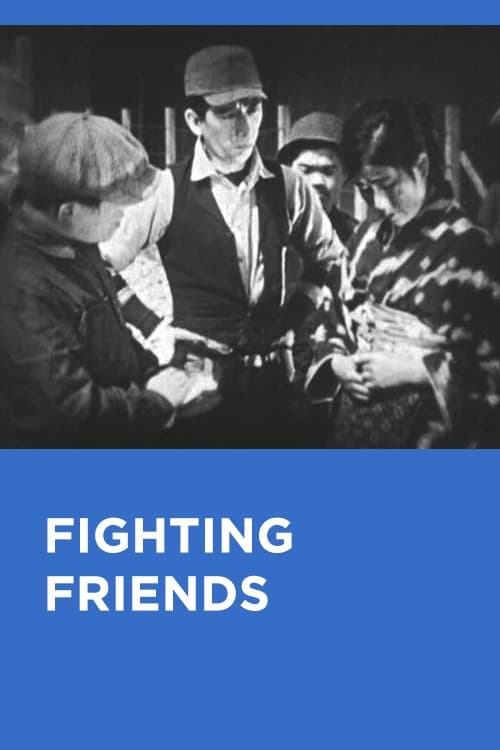
Two friends accidentally run into a young, homeless woman, so they take her in.
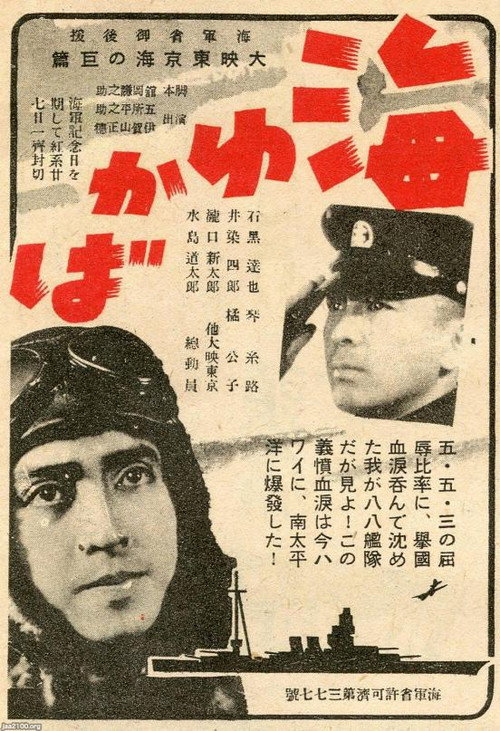
Depicting the International Disarmament Conference and the Japanese Navy’s Struggle.