Stanisław Ignacy Witkiewicz
Writing
Known For
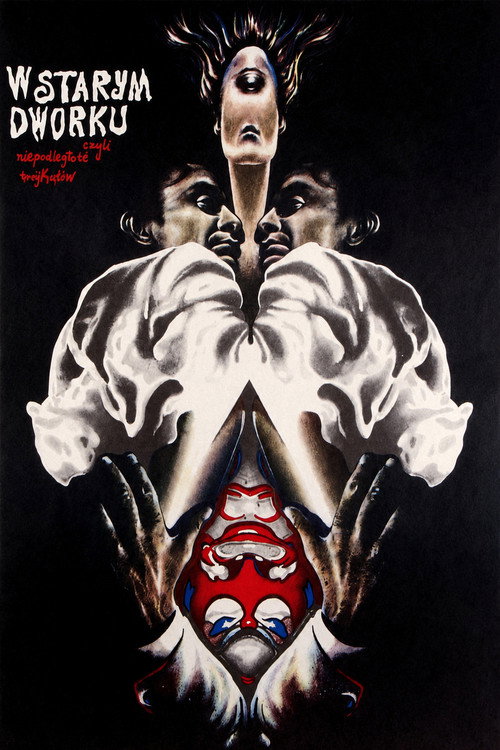
In a country house at the turn of a century live a family of eccentrics. Anastasia, the beautiful mistress of the manor, enjoys the amorous attentions of her stepson Blarney so openly that her husband Diapanasius takes out his shotgun and shoots her. The rest of the family accepts her end as a matter-of-fact, and soon - her return as a voyeuristic ghost who interferes with their love lifes. Anastasia has a posthumous son Tadeusz, "born" by clambering out of the tree trunk. Anastasia seduces him too, and drives another men so crazy that they kill her another couple of times. Finally, Tadeusz, the arch-rebel, leads a mob on a raid of the old manor.
In an Old Manor House or The Independence of Triangles
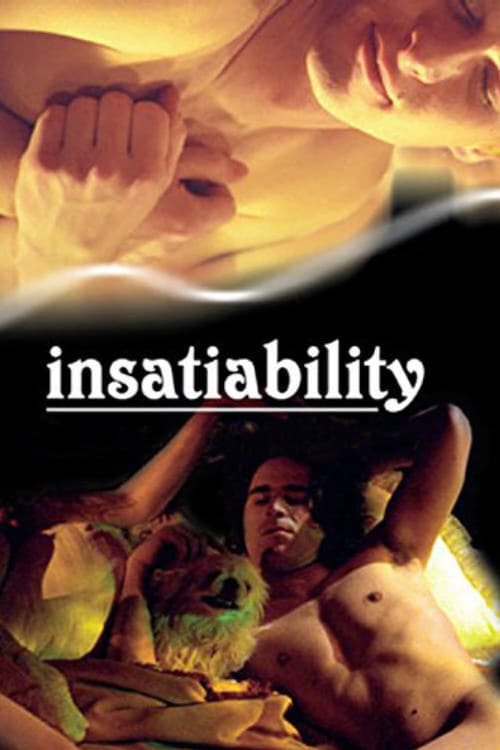
Zypcio is an idealistic heir to a large brewery in Poland. In the face of Chinese invasion threatening Eastern Europe, he is corrupted by the advances of both Princess Irina, who is after his money, and the court jester, who is after his virginity.
Insatiability
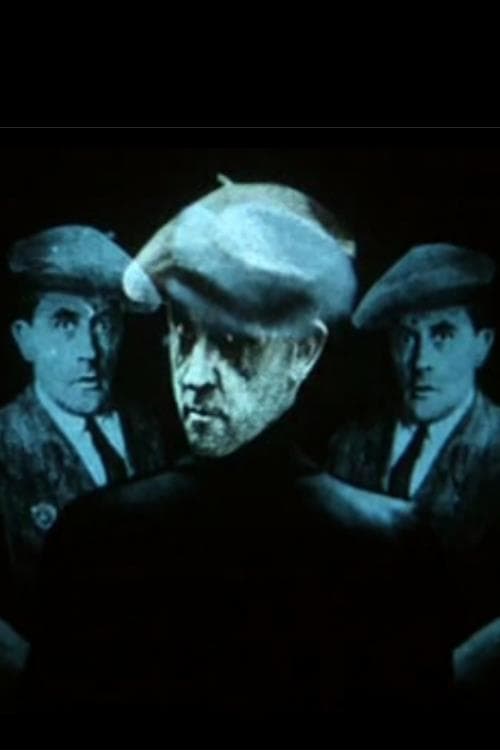
Stanislaw Ignacy Witkiewicz, better known as Witkacy, enivsages the future horrors of the Polish nation, as embodied by Stalin and Hitler, and the world collapsing into chaos.
The Spirit Of Witkacy
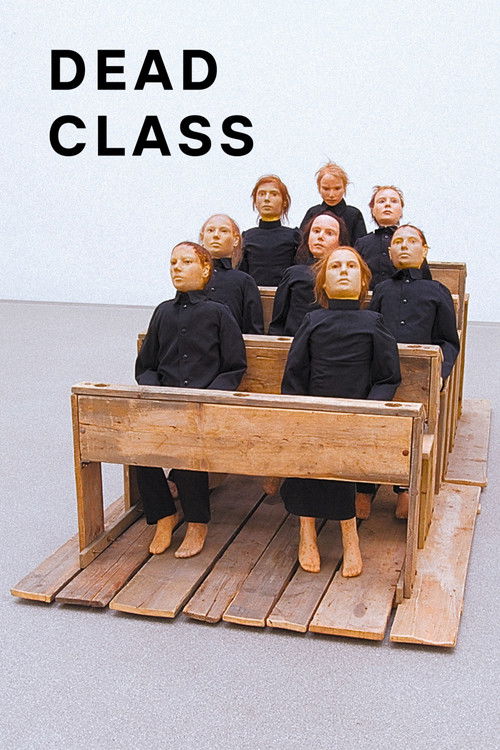
The Dead Class (1975), by Tadeusz Kantor and the Cricot 2 company, is considered one of the most innovative and influential works of twentieth-century theatre. The breakthrough first version of the production - performed to great critical acclaim, but only rarely seen live by audiences outside Poland - was documented on film in 1976 by the Oscar-winning director Andrzej Wajda.
The Dead Class
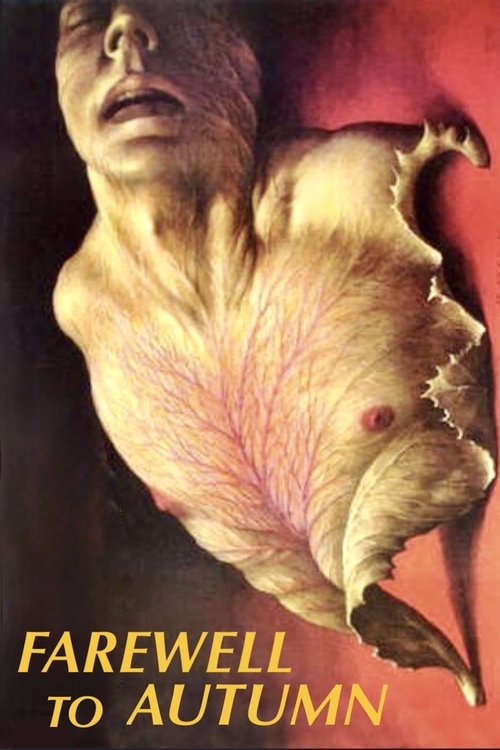
Atanazy Bazakbal navigates a destructive love triangle between his innocent fiancée Zofia and the decadent Hela Bertz while seeking meaning through hedonism. As their personal lives unravel, a communist revolution sweeps through Poland, crushing the aristocracy's old world.
Farewell to Autumn
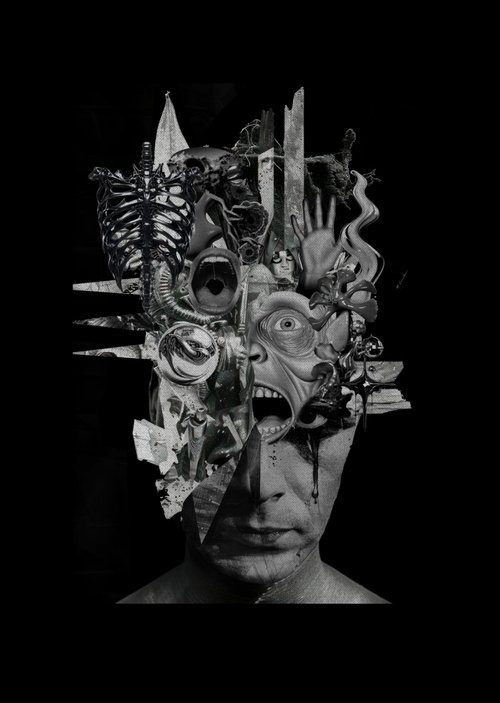
A theatrical attempt to reconstruct the last, lost play by Stanisław Ignacy Witkiewicz. An amalgam of themes permeating the author's oeuvre.
So-Called Humanity in Madness
A film sketch for a portrait of Stanislaw Ignacy Witkiewicz by multimedia artist Jozef Robakowski.
Witkacy
If those who knew him are to be believed, Stanislaw Ignacy Witkiewicz was always surrounded by women intrigued by this "demigod of Zakopane's Olympus." They were attracted not only by his painterly and literary fame, but also by the extraordinary beauty of the artist: tall, well-built, with beautiful gray-green eyes and very proportional features. Magdalena Samozwaniec, who knew him from childhood, recalled: "He was always and constantly in love. Just as others could not imagine life without money, he could not imagine life without love."
"Demoniczne" kobiety Witkacego

Documentary film based on unique found footage shot in the 1920s by count August Zamoyski. A valuable insight into Polish artistic life between the world wars.
Sculptor with a Camera
The film was produced as part of the "Our Contemporaries" series.
Stanisław Ignacy Witkiewicz. Witkacy
Reconstruction of the last days of Stanislaw Witkiewicz's life and recording of the ceremony of bringing his remains to Poland.
Epilog
Who was Stanislaw Ignacy Witkiewicz? Are we able to answer this question? Do we understand his strangeness, perversions and insatiability? Are we able to decipher and understand his games with identity and image? A film essay made with the use of modern technology (for example, videos recorded with a cell phone were used) creates a spiritual image of the writer as seen through the eyes of contemporary scholars of his work and interpreters of his works. The images were recorded at Witkacy's photography exhibition 'Witkacy. Psychoholism' in Krakow's Bunkier Sztuki and during the academic session 'Witkacy: near or far', held on the 70th anniversary of the writer's death at the Museum of Central Pomerania in Slupsk.
Witkacy ID
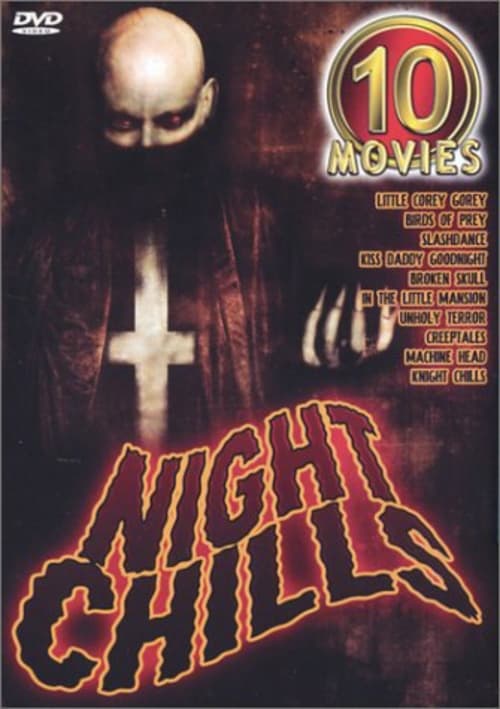
A man murders his wife, but she comes back as a ghost and bedevils the family.