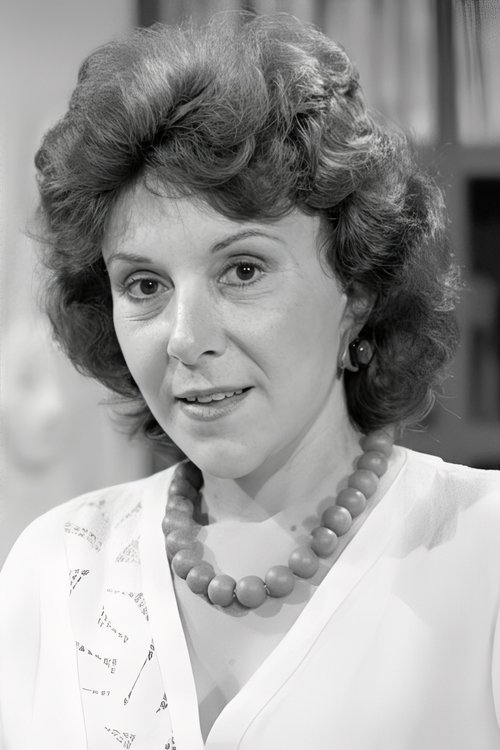
Beatriz Lyra
Acting
Known For
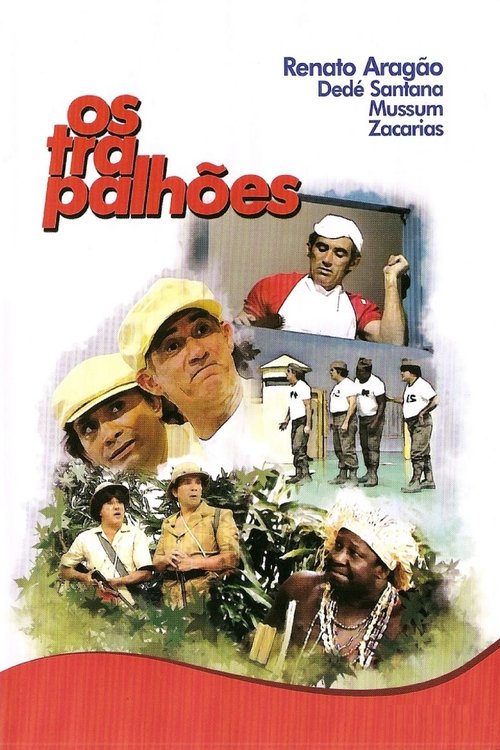
Os Trapalhões was a Brazilian comedy group and also a Brazilian television series created by Wilton Franco. Its members were Dedé Santana, Zacarias, Mussum and their leader Didi Mocó, that was played by Renato Aragão. The name Trapalhões is derived from the Portuguese verb atrapalhar, which means the opposite of helping, to do something the wrong way or to Those that confuse. The name is translated "Tramps" in English DVD subtitles. It was aired by Rede Globo from 1977 to 1999. On March 18, 1990, Zacarias died due to respiratory failure, but the group and the series didn't come to an end until July 29, 1994, when Mussum died due to an unsuccessful heart transplant.
The Trapalhões
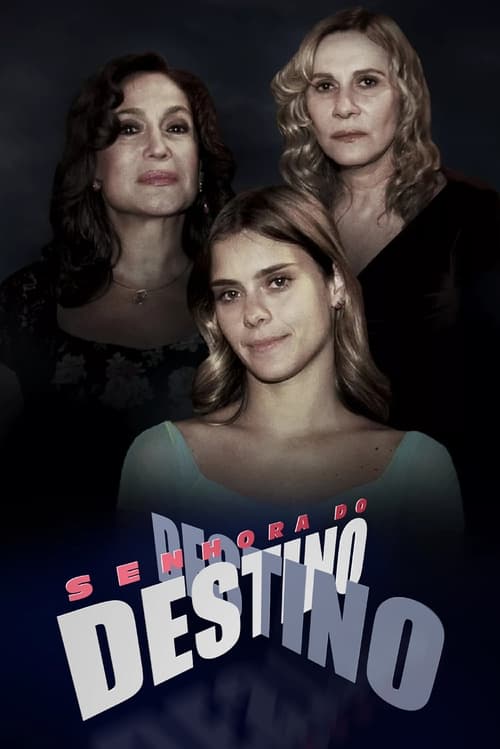
A story about people who succeed in life thanks to nothing but their own efforts. Maria do Carmo is the main character of the telenovela; a mother of five who struggle to be successful in life, but whose most important will be recovering the love of her daughter who was kidnapped when she was just months old.
Her Own Destiny
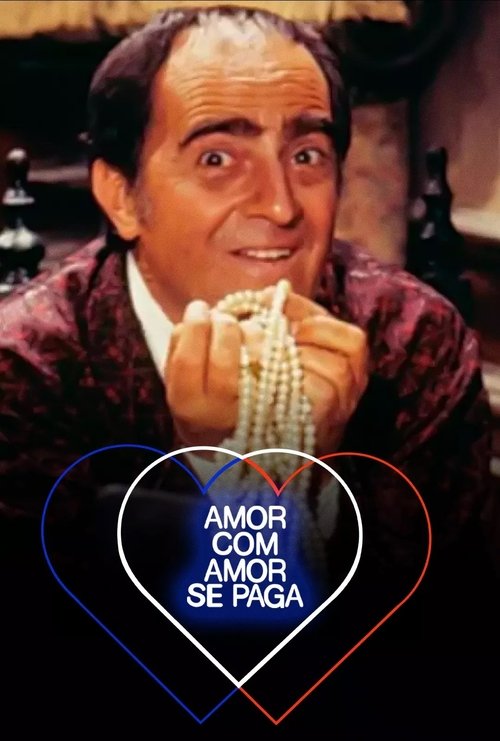
Nonô Corrêa, extremely stingy, puts padlocks on the refrigerator and pantry cupboards to prevent his children, Elisa and Tomaz, from eating more than he considers necessary. Nonô never forgets to raise the rents on the apartments he rents, leaving the tenants desperate. The funny thing is that Nonô is very rich and hides his precious fortune from everyone. The only one who knows his secret is Anselmo. Another character who suffers from Nonô's miserliness is the maid Frosina, who has worked for him for over 20 years. At a certain point in the story, an orphan, Zezinho, crosses Nonô's path. The boy wins the heart of the neurotic man.
Amor com Amor Se Paga
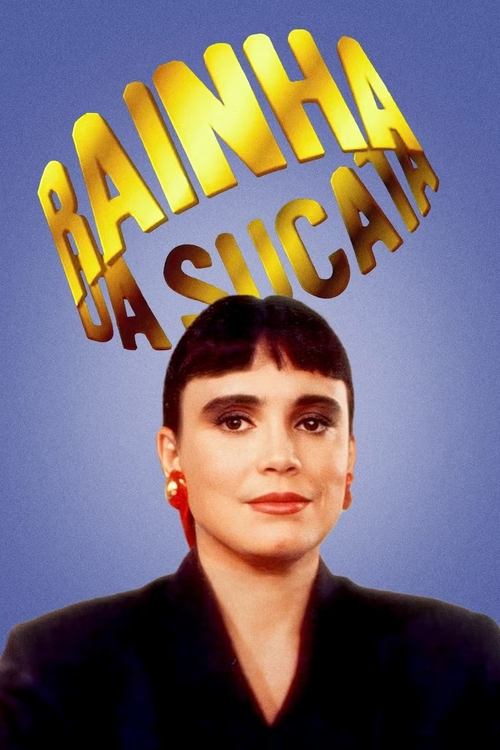
Maria do Carmo becomes wealthy through her father's business dealings and becomes a successful businesswoman, but she retains the habits of her humble past.
Queen of Scrap

Helena is a sweet, honest, sensitive and a warrior woman who faces the premature pregnancy of her daughter Joyce, who in turn is abandoned by her boyfriend, the irresponsible Caio. The biggest problem is the girl's father, Assunção, Helena's ex-husband, who does not accept the situation. Lonely and alone, Helena awakens a passion for the endocrinologist Carlos Alberto, and has her feelings matched. But Carlos is committed to the possessive Paula. The girl's parents, Zuleika and Rômulo, anxiously await their daughter's wedding with Carlos, who will save the family from financial decay. But Carlos is the type of man that women don't really forget. Even married to Paula and in love with Helena, he is still harassed by ex-wife Sheyla, who is not satisfied with having lost him and dreams of a rapprochement.
Love Story

Helena is an independendent woman with strong emotions. More than a dedicated mother, she is also a friend to her daughter. Her daughter is experiencing difficulties in her marriage with Marcelo because of his renewed interest in a formoe girlfriend. Marcelo‘s mother deslikes Helena and would like nothing better to see her son‘s marriage destroyed. Helena starts her life over again when she falls in love at first sight with Atilio, whom she marries. Although of poor health, her daughter wants to have a baby, believing that by fulfiling her husband‘s dream, she can save her marriage. As fate would have it, mother and daughter fall pregnant at the same time, each giving birth to a boy.
Anything for Love
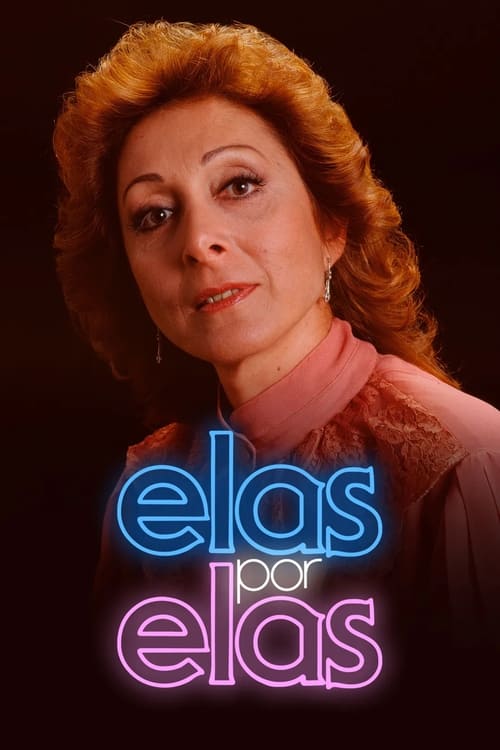
Seven high school friends reunite after 20 years. Memories of the past and coincidences of the present reveal the secrets and affections that bind the women and their families.
Elas por Elas

A mature and successful woman, Helena becomes involved with Edu, who is twenty years her junior. She battles prejudice in order to live her love, but their romance fizzles out when she realizes that her daughter Camila has also fallen in love with him. Her dilemma grows even worse when she discovers that the girl has leukemia. Helena must disclose the real identity of Camila‘s father in order to try and find a compatible bone marrow donor. In order to save her, she decides to give up her new love and have another baby with her daughter‘s father.
Family Ties
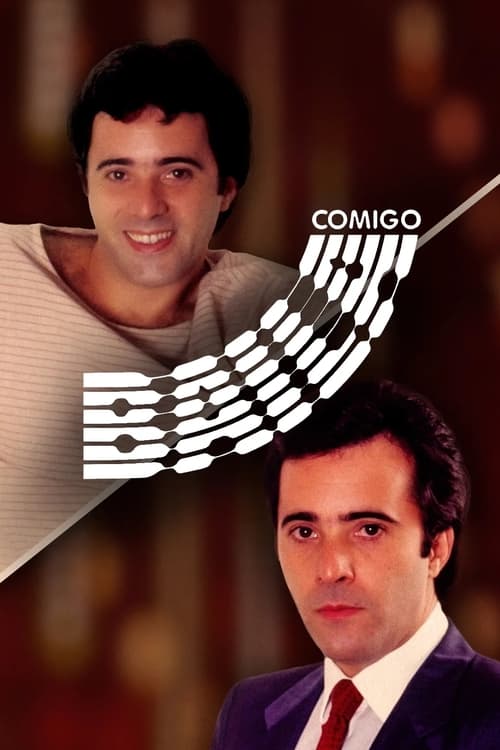
Quinzinho and João Victor are identical twins separated at birth, unaware of each other's existence. The brothers eventually draw closer, guided by their instincts.
Dance with Me
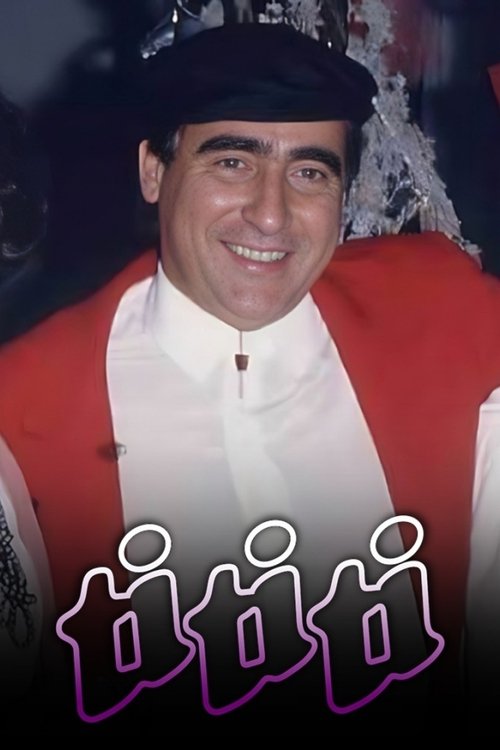
'Ti-Ti-Ti' presents a humorous plot, set in São Paulo, whose central theme is the professional, familial, and romantic rivalry between André Spina and Ariclenes Martins, or Ari, as he is known to those closest to him. The two were childhood friends and always fought a lot, engaging in tireless disputes over the same girlfriends.
Ti Ti Ti

No description available.
O Dono do Mundo
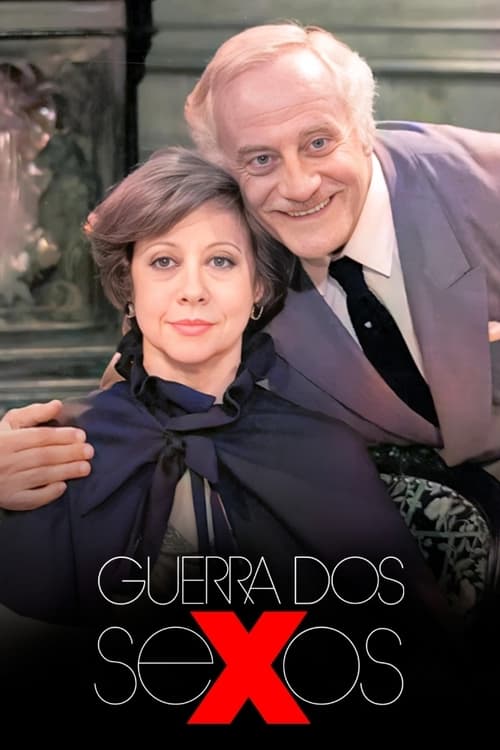
Cousins Charlô and Otávio once had a romance, but today they detest each other. However, fate plays a trick on them: they will receive a large inheritance, on the condition that they live together.
Guerra dos Sexos

Tancinha is a charming fruit seller known for her hot temper who gets torn between an explosive relationship with passionate truck driver Apolo, her neighbour and childhood sweetheart, and an irresistible attraction for Beto, a lady-killer who will not take no for an answer. The girl ends up being caught up in a family feud over the disappearance of her father whom she believed to be dead. Tancinha will leave a path of turmoil along her way to unveil this mystery.
Burning Hearts
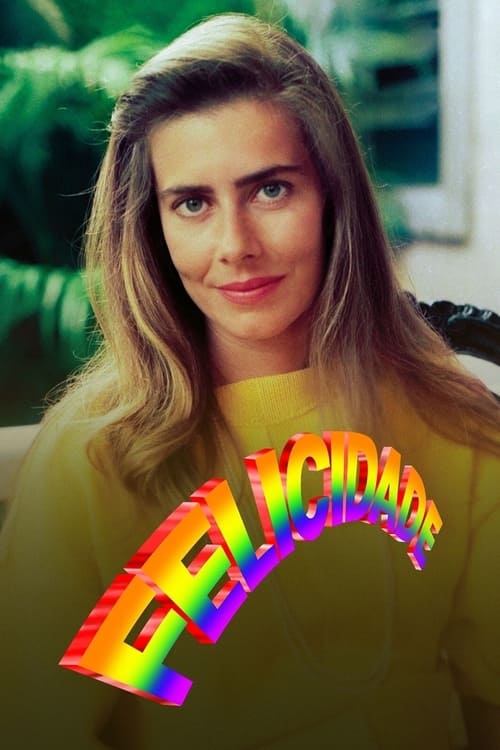
Helena and Álvaro fall in love, but she marries someone else. Years later, they meet again and Helena becomes pregnant, but keeps it a secret because Álvaro is now the one who is engaged.
Happiness

Unhappy in her marriage, Rachel decides to separate from her husband, the businessman Virgílio. Determined to turn her life around, she moves from Petrópolis to the southern zone of Rio de Janeiro with her daughter, Clara, and goes to live in her mother Laura's house in Ipanema. There she falls in love with the charming, but gruff, Heitor, owner of a mechanic shop. He lives with his sister, Irene, in an old townhouse, one of the main settings of the telenovela.
The Summer Sun
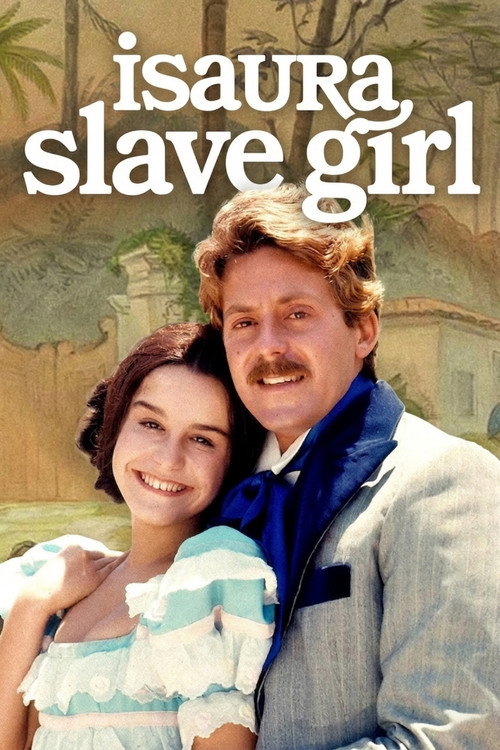
Set in 19th-century Brazil during the waning years of slavery, Escrava Isaura tells the story of Isaura, a white-skinned enslaved woman raised with the manners and education of a noble lady. Though treated with affection by her mistress, Isaura remains legally enslaved and becomes the object of obsessive desire by Leôncio Almeida, the cruel heir to the plantation. After the death of her protector, Isaura falls under Leôncio’s control. Despite his attempts to seduce and dominate her, she resists, determined to preserve her dignity and freedom. Her father, Miguel, helps her escape to Recife, where she adopts a new identity and meets Álvaro, a wealthy and principled abolitionist who falls in love with her. Leôncio eventually tracks her down, leading to dramatic confrontations. In the end, Álvaro rescues Isaura by purchasing Leôncio’s debts, securing her freedom and affirming the story’s central themes of justice, love, and resistance against oppression.
Isaura: Slave Girl
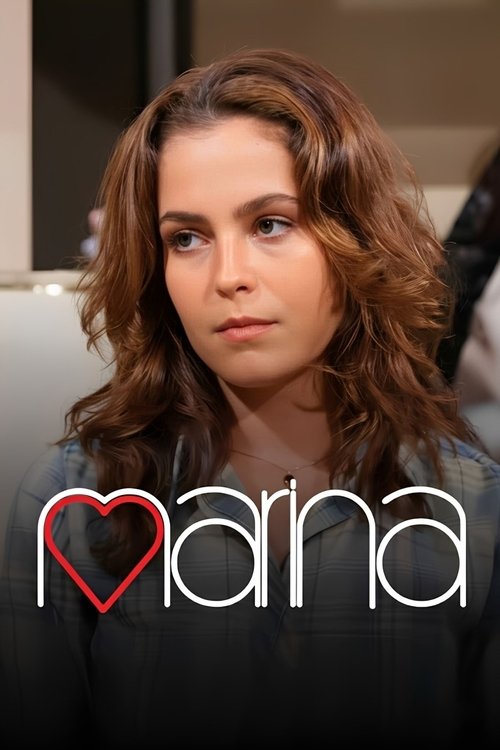
Marina is raised by her father on an island after her mother's death. As a teenager, she moves to Rio de Janeiro to study and live with her godparents, where she ends up falling in love with Marcelo.
Marina
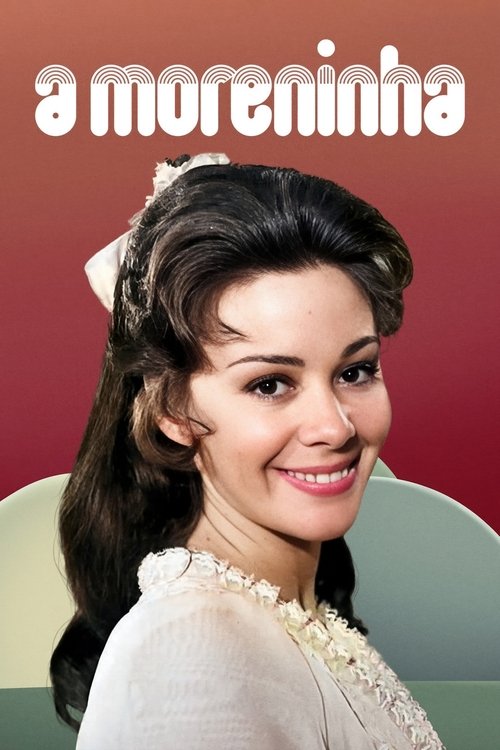
On Paquetá Island, Carolina dreams of reuniting with a childhood sweetheart, unaware that it's Augusto, her brother's friend. After adventures and misunderstandings, the couple struggles to stay together.
A Moreninha
No description available.
Novo Amor

Malu Mulher was a TV series broadcast by Rede Globo from May 24, 1979 to December 22, 1980, written and directed by Daniel Filho. The theme song, Começar de novo, was a great hit in the voice of one of Brazil's greatest popular female singer, Simone.