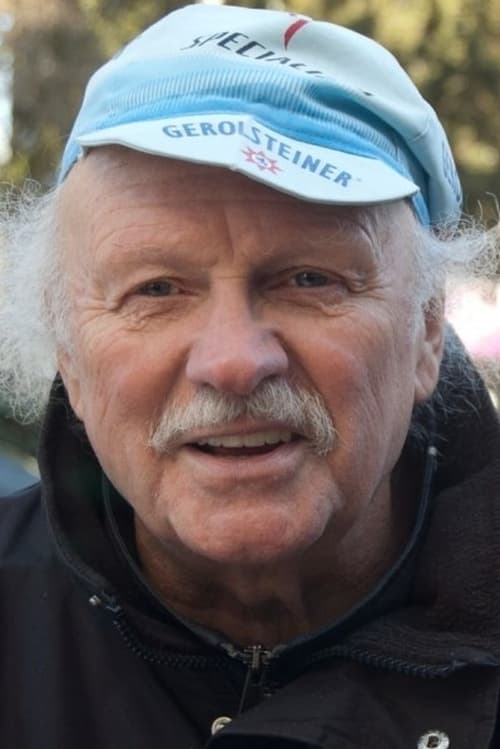
Horst Tomayer
Acting
Biography
Horst Tomayer (born November 1, 1938, in Asch; died December 13, 2013, in Hamburg) was a German poet, columnist, and actor. After training as an insurance clerk, Horst Tomayer worked as—among other things—a journalist, radio contributor, and satirist. He became particularly well-known for his long-running column, *Tomayers ehrliches Tagebuch* (Tomayer’s Honest Diary), which appeared in the magazine *konkret* from 1982 until shortly before his death. During the 1970s and 1980s, he also garnered attention through satirical telephone stunts, in which he posed as a conservative persona to elicit provocative statements from prominent public figures. Tomayer authored numerous radio pieces—including contributions to the WDR program *Kritisches Tagebuch*—and performed as a spoken-word artist alongside Hermann L. Gremliza. In 1990, a ruling by the Federal Constitutional Court attracted nationwide attention when it classified his parody *Deutschlandlied ’86* as protected satire. In addition to his journalistic and literary work, Tomayer also appeared as an actor in film and television productions. His credits included the *Otto* films; TV series such as *Kir Royal*, *Tierarzt Dr. Engel*, and *Der König von Bärenbach*; and the feature-film comedies *7 Zwerge – Männer allein im Wald* and *7 Zwerge – Der Wald ist nicht genug*. In 1994, he took on a more substantial film role in Hans-Christoph Blumenberg’s *Rotwang muß weg!*. Tomayer died in 2013 at the age of 75 due to complications from cancer.
Known For
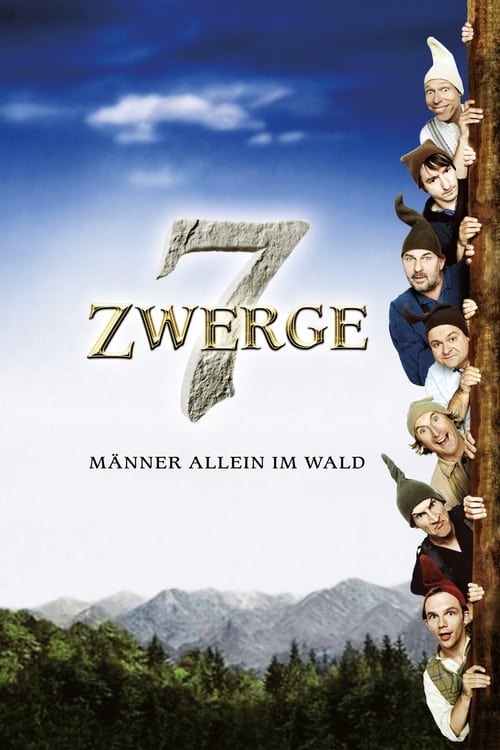
The Seven Dwarves live deep within a female-free-zone of the Enchanted Forest, but they cannot resist the innocent charms of Snow White when she enters their world. So when the evil queen abducts her, it is up to the dwarves to save her life.
7 Zwerge - Männer allein im Wald
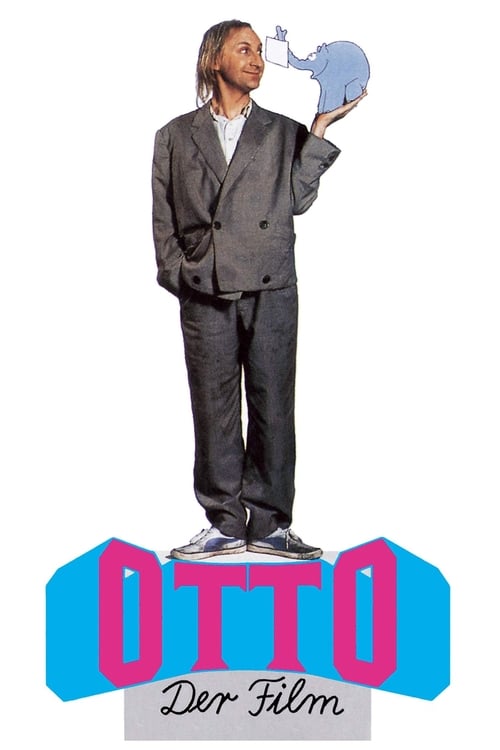
East Friesian Otto moves to the big city Hamburg. There he gets into trouble with a loan shark and needs to find a way to impress his love interest Silvia.
Otto - The Movie
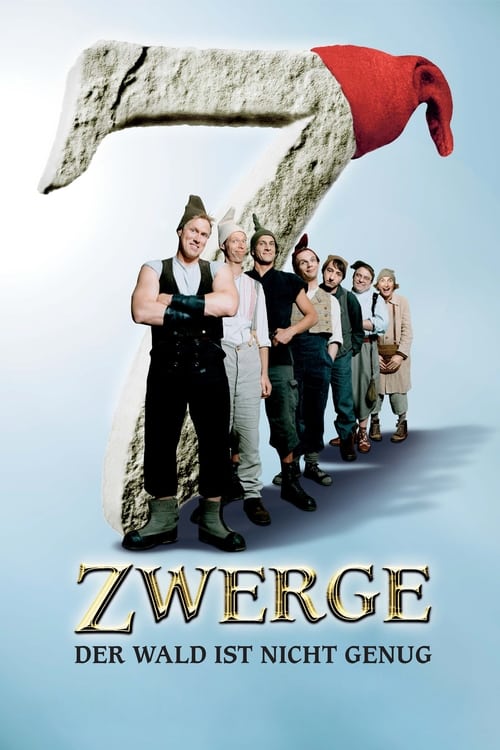
Snow White asks the seven dwarfs for help, because if they don't manage to find out the name of a little boy (Rumpelstiltskin) within two days, her newborn child will be taken away from her. The journey takes the dwarves to a depressive, rhyming Pinocchio and the omniscient wizard Helge, among others, and all the way to the world of humans.
7 Dwarves: The Forest Is Not Enough
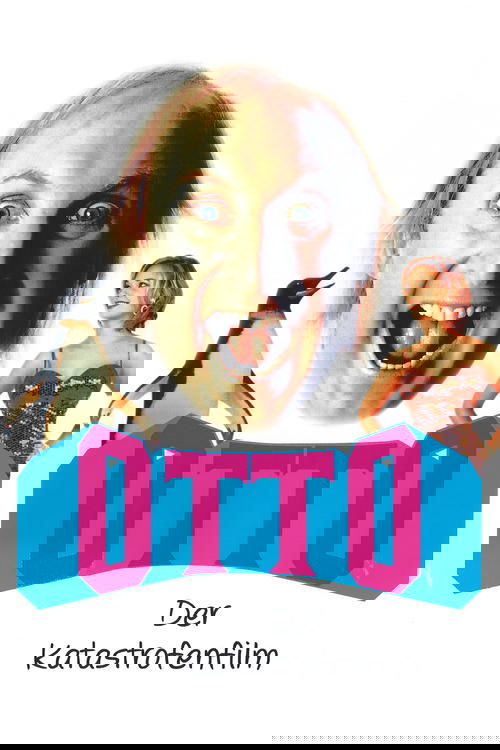
A man from Ostfriesland travels to Hamburg and sets course for America on a steamship to conquer this New World as well. What he leaves behind is a swath of devastation, a breach of confusion, a Milky Way full of music, a dead end full of mad jokes and perhaps a touch too much wordplay at the expense of others. But what is worst of all: he has also made a film about it!
Otto - The Disaster Movie
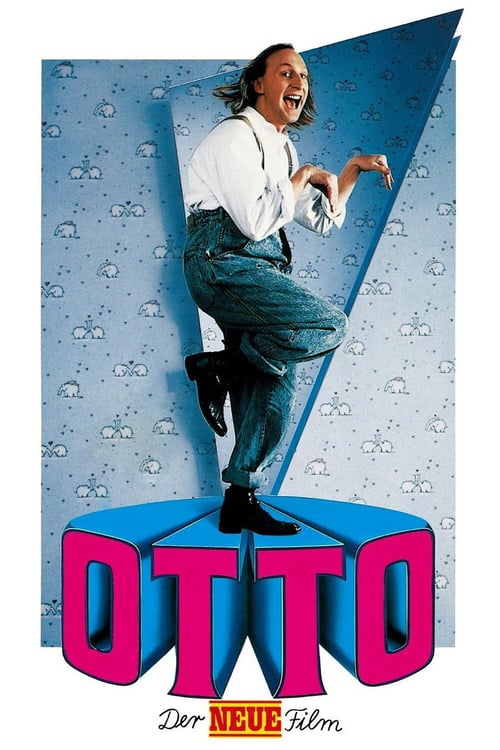
Otto is Friesland's answer to Rambo and stands between two worlds, two women and two animals. While he's trying to cure a dog with bite inhibition and a cat with suicidal tendencies, the dream of his sleepless nights crosses his path: Gaby. Otto falls instantly in love, but Gaby thinks only of Amboss, a real guy with muscles of steel and a brain of rubber. Well, Otto on the other hand is not exactly well built and attractive. But he's determined to get the lady's attention, even if it means taking part in body-building competitions...
Otto – The New Movie
Business tycoon Rotwang has been murdered. In a series of intertwined, loosely connected flashbacks, the film recounts the ludicrous events leading up to the bloody deed, while also pursuing some bizarre side plots. There are many possible perpetrators because everyone agreed on one thing: Rotwang had to go! Whether it was his wife Clarissa, the former RAF terrorist and current fashion guru Arthur Eigenrauch, or the rustic snack bar owner Udo Ringeltaub—they all had a personal or professional reason to eliminate Rotwang.
Rotwang Must Go!
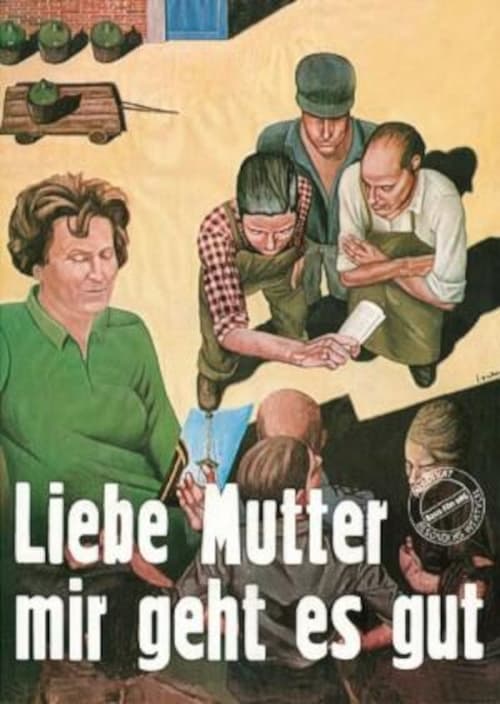
The unemployed machinist Alfred "Scheff" Schefczyk moves from Württemberg to West Berlin full of hope, where he finds a job as a transporter. There, however, he despairs at the seemingly insurmountable dependency structures and the lack of solidarity among his fellow sufferers. The rent in the workers' hostel is raised disproportionately, but nobody wants to mess things up with the landlord or janitor. At work, piecework hours are tightened, but nobody wants to go on strike, and when they do, they are quickly crushed by the management's tactics. When Scheff tries to mobilize against the dismissal of one of the delegates, he finds only one worker willing to sign. "Dear mother, I'm fine," he nevertheless writes on a postcard.
Liebe Mutter, mir geht es gut
Short film about the ”Ball paradox“, a dance event at the Café Keese, Berlin.