Pere Joan Ventura
Directing
Known For

Joan Mares obsession for the lovely and luscious Norma Valenti takes epic proportions because he cannot let go of her. After he is injured by some skin heads, he uses his scars to pursue his life as a street musician. He devices a plan to get to Norma and she never catches on to his deceit, except she realizes that as Juan Faneca his performance in bed is exactly what she had experienced with Joan Mares because she concludes they were taught sex by the same prostitute.
The Bilingual Lover
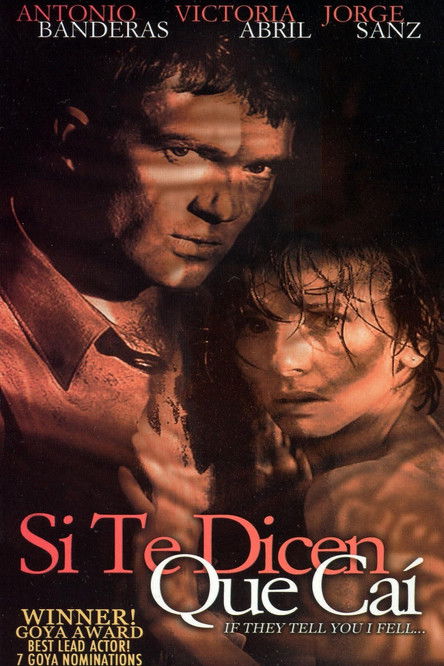
In the post Spanish civil war years, Catalan kids would sit in circles among the ruins and tell stories, known as "aventis" (the film's original title in Catalan, its original language). These tales mix war stories, local gossip, comic book characters, fantasy and real events. The "aventis" told in this film are told in flashback. In the mid 80s, 45 or so years after the age of the "aventis," a doctor and a nurse-nun (who grew up together, and now are co-workers in a hospital) identify the corpse of one of the main characters of the "aventis" of their childhood and adolescence. Besides the interesting flashbacks - a chronical of the Civil War in a "typical" Barcelona microcosm itself, the discovery of this body (belonging to someone long presumed dead) leads to other surprises and unresolved doubts, several decades later
If They Tell You I Fell
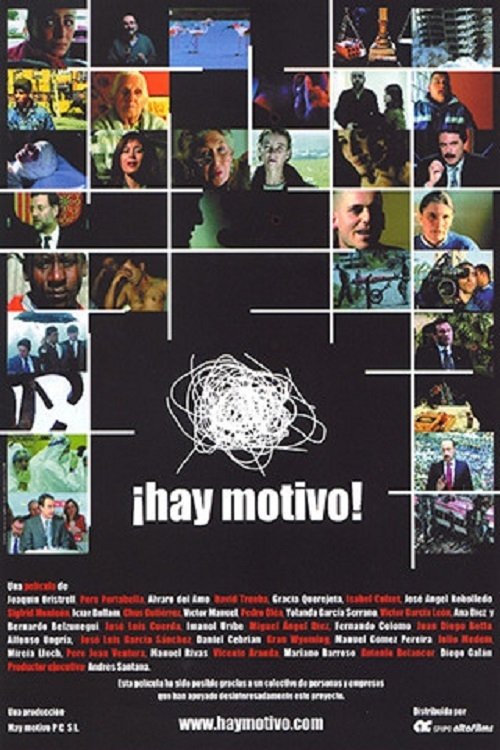
A multi-part feature on the governing body of Spain, the Popular Party under Jose María Aznar. Themes include the bombing of Iraq, immigration, U.S. fire in Baghdad, and the manipulation of the media.
With Good Reason

An atmospheric essay, which is an alternative version of Count Dracula, a film directed by Jess Franco in 1970; a ghostly narration between fiction and reality.
Vampir Cuadecuc
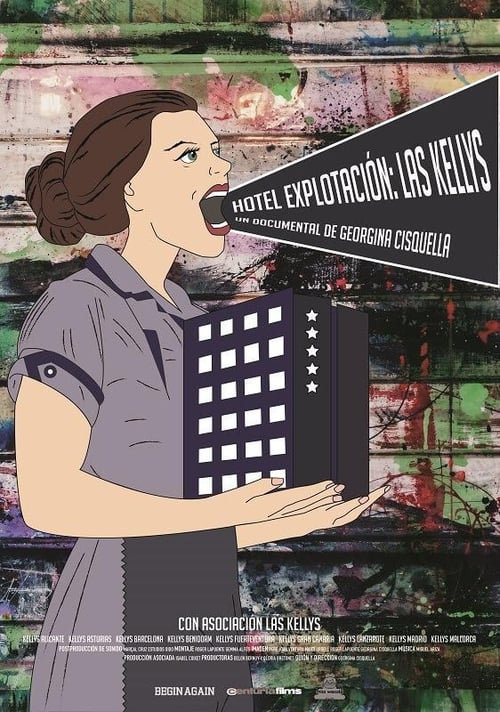
More than two hundred thousand women work as maids in Spain, and perform a task as fundamental as invisible in the hospitality sector. Our documentary covers the life, problems and struggle of the Kellys (the ones that clean the hotels). While the government proclaims the strength of the tourism industry in our country, as a flagship of GDP, its working conditions have progressively worsened, reaching a charge of one and a half euros per room. 'Hotel Explotación: Las Kellys' is the story of a fight to empower, organize and restore dignity.
Hotel Explotación: Las Kellys
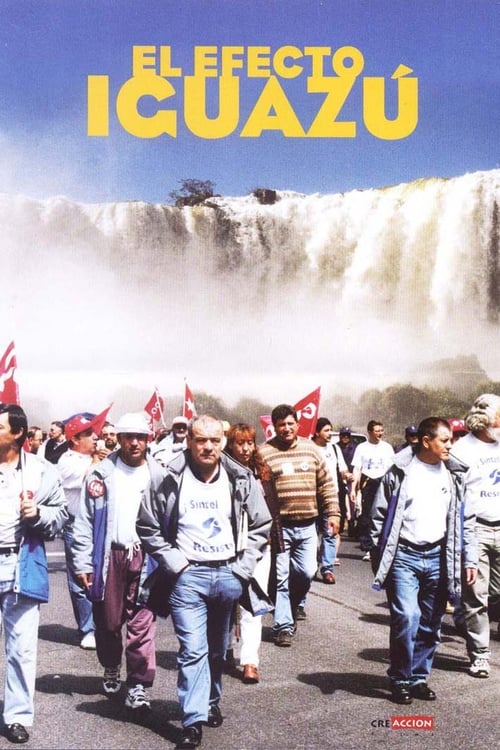
Documentary about the so-called "hope camp", which narrates the long protest carried out by the Sintel workers camped in the middle of Castellana Street in Madrid in defence of their labour rights. The documentary follows the evolution of the events during 4 months, from April to August 2001, reflecting the life of these people during their encampment and the negotiations between the government and the trade unions.
El efecto Iguazú
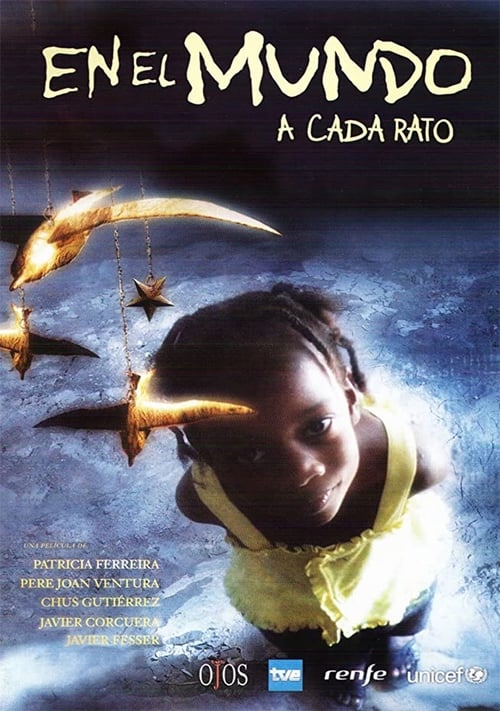
Five documentary shorts about various children from the third world.
Every So Often in the World...
Commissioned by the Maeght Gallery with the exhibition of Joan Miró, organized by the French Ministry of Cultural Affairs at the Grand Palais, which opened on May 17, 1974 in Paris. This film was shot in six days in Montroig del Camp (at the Miró) and Tarragona during the implementation process, by Josep Royo, a tapestry by Joan Miró. Five people worked for eight months in the realization of this tapestry, using wool 1200kg and 600kg for the warp. The total weight of 3500kg and a half was six meters wide by 11 meters long. They need a purpose built weaving loom. The day of the attack on the World Trade Center in New York on September 11, 2001, the tapestry was placed in the lobby of one of the towers when they were demolished.
Miró tapís
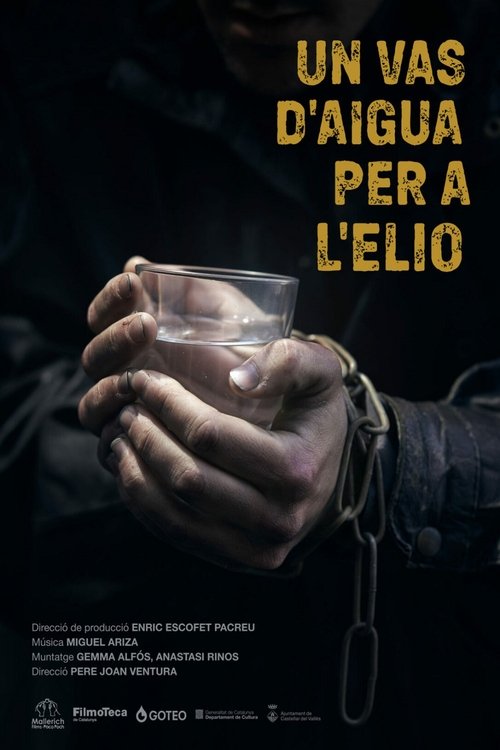
No description available.
Un vas d'aigua per a l'Elio
No description available.
El campo de batalla
No description available.
Plou I Fa Sol
No description available.
En la calle
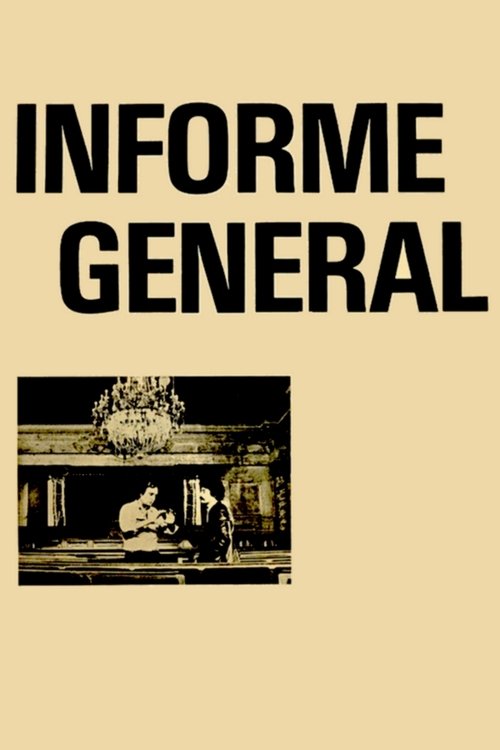
How does a country go from a dictatorship to a democracy? A detailed report on the political representation in the heart of the Spanish Transition, only a few months after General Franco’s death, when the sincere democratic vocation of Spanish people must effort to destroy, one heavy brick after another, the wall that those who supported the dictatorship and those who fought it from the exile built with resentment, hatred and prejudices.
General Report
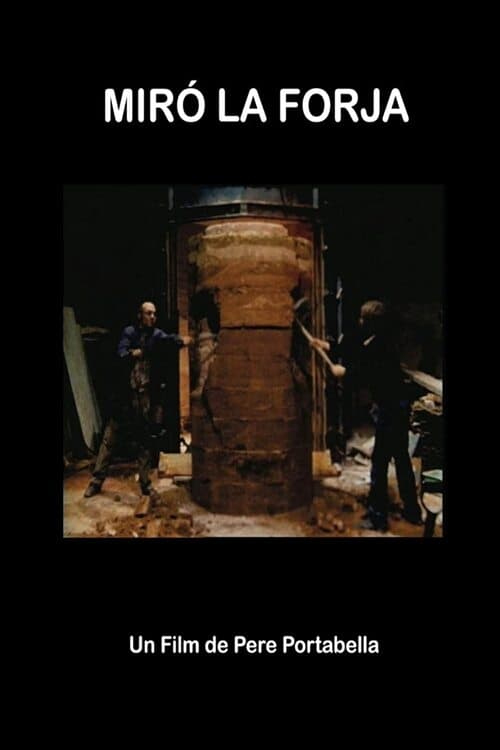
The film was conmissioned by the Galeria Maeght to commemorate the Joan Miró exhibit organized by the French Minsitry of Cultural Affairs in the Grand Palais in Paris that opened on May 17, 1974. The film, that took five days to shoot, shows the smelting and casting process of the work known as Puertas Mallorquinas by Joan Miró. The filming team travelled to the foundry owned by the Parellada family in Llinars de Munt.
Miro Forja
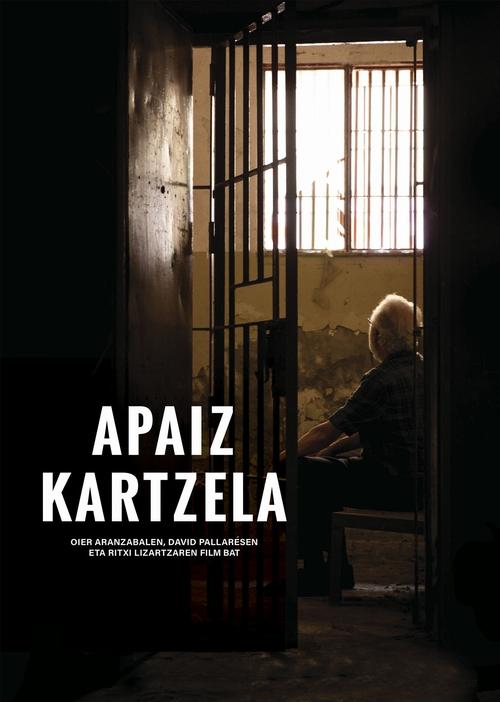
A real voyage in an apparently unreal situation. Four priests incarcerated in Zamora's prison for priests (1968-1976) return to visit the jail where they were condemned, in some cases, to sentences of more than ten years for having given sermons in which they denounced the repression under Franco.
Apaiz kartzela
A choral history of the people who shake up life every day in different Spanish cities to try to change things. Through their lives we discover the reason and strength of social activism in our country.