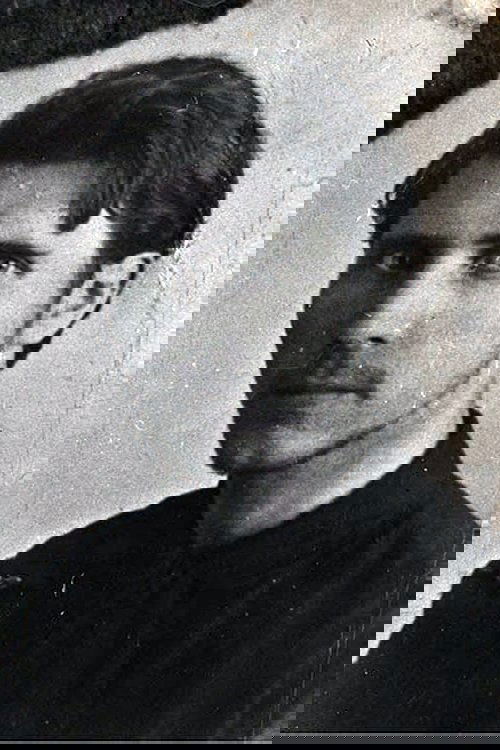
FEEL IT.STREAM
Ivan Kavaleridze

Ivan Kavaleridze

Directing

Biography

Ivan Kavaleridze (1887–1978) was a sculptor and director; he was an author of the first statues of Taras Shevchenko and Bolshevist politician Artem (one of the first Constructivism monuments in Europe); he was a director of several avant-garde historical films, and after the Socialism focus in the Soviet art he became a pioneer cameraman. Soviet critics ranked Kavaleridze, the author of nine full-length films, together with such personalities as Dovzhenko, Pudovkin and Eisenstein. However, Kavaleridze still remains an outsider in Ukrainian culture. He was born in Talaivka, Poltava region, in a Georgian-Ukrainian family. He studied at the Kyiv Art School, Saint Petersburg Academy of Arts, and in 1910-1911, he went to Paris to study at Naoum Aronson’s private studio. Upon his return, he took part in a contest for the best project of Princess Olga’s statue in Kyiv and for some time he served in the Russian army. In 1918, he returned to Ukraine where he worked as an art director of Romny Workers’ and Peasants’ Theatre and opened the talent of a bricklayer and amateur actor Stepan Shkurat for Ukrainian cinema. After his acquaintance with Oleksandr Dovzhenko and VUFKU’s deputy head Zinovii Siderskyi, he started his filmmaking career. The biggest mystery of Kavaleridze’s filmography was his lost début film Downpour (1929) inspired by Constructivism, Berezil Theatre’s creative works and Taras Shevchenko’s poetry. The film received severe criticism and polar feedback from press, so in his following works Kavaleridze tried to curb his avant-garde ambitions, however, the epic Perekop (1930) and the edited Штурмові ночі (1931), and one of the first Ukrainian sound films Коліївщина (1933) tended to Constructivist aesthetics and did not receive enough positive reviews from film critics. Kavaleridze’s Prometheus (1936) became a groundbreaking film for Soviet cinema, and even the head of the Soviet film industry Boris Shumyatsky joined the debate over it with his article “To Clear and Understandable Cinema Arts.” Destructive criticism of the Communist party marked the final establishment of Socialist Realism in cinema. Later, Kavaleridze was assigned with shooting conflict-free musical film operas like Наталка Полтавка (1936) and Запорожець за Дунаєм (1937). While shooting the film Oleksa Dovbush (1941), Kavaleridze found himself in German occupation, where he tried to temporarily cooperate with the new authorities. As a result of this, Kavaleridze managed to return to the Soviet arts only during the Thaw, when he shot two of his last films Hryhorii Skovoroda (1959) and Повія (1961) in an old-fashioned manner for the time and occasionally returned to sculpture.
Known For

Cossacks Beyond the Danube
9.0

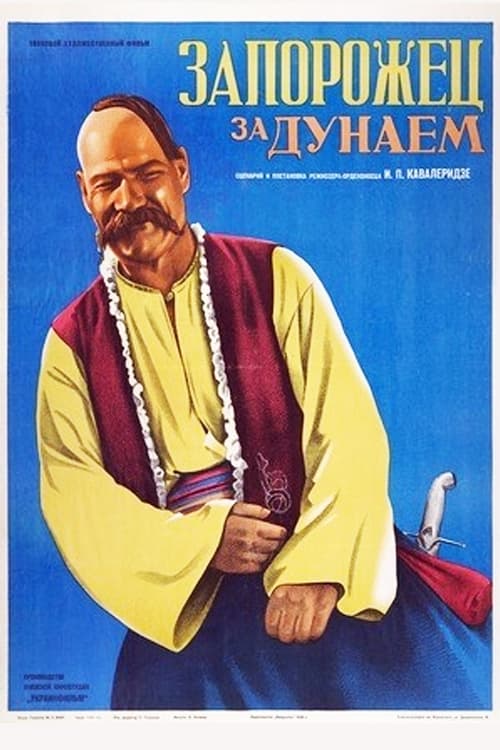
Adapted from the opera written by the composer Semen Hulak-Artemovsky.

Cossacks Beyond the Danube

1937
The Loose Woman
8.0

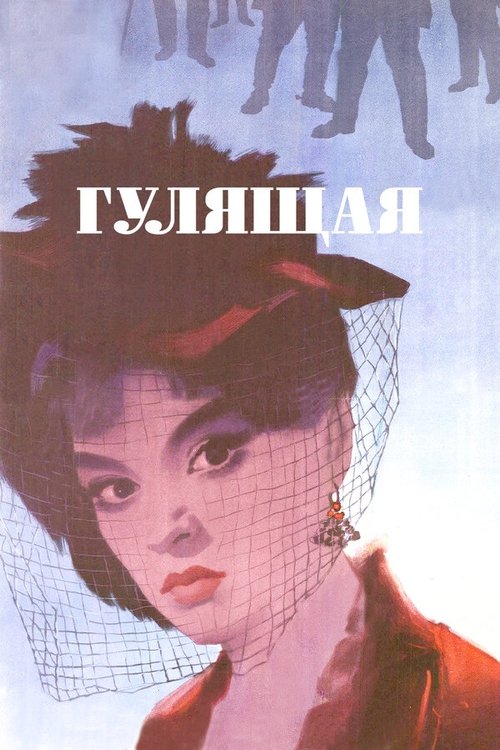
Khrystia, a peasant woman from a provincial village, decided to leave for the city in search of a better life. But, having not found there either a better life or happiness, she perishes ...

The Loose Woman

1961
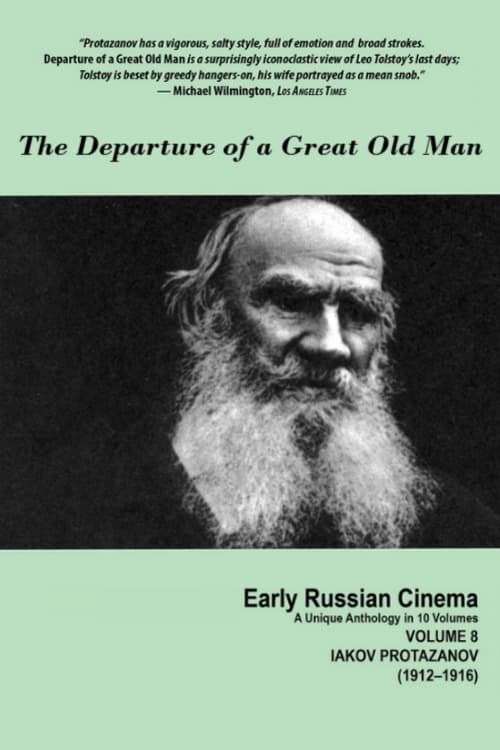
The Departure of a Great Old Man
4.7

A group of peasants comes to see Leo Tolstoy and his wife, the Countess, to request some land. Tolstoy must explain to them that it is his wife who has authority over their land-holdings, and she will not help them. Stung by their negative reaction to him, Tolstoy becomes increasingly preoccupied with the problems of the poor. This leads to a number of conflicts with his wife, and then to a deep despondency, as the noted writer continues vainly to search for answers to the sufferings he sees around him.

The Departure of a Great Old Man

1912
Night Raids
N/A

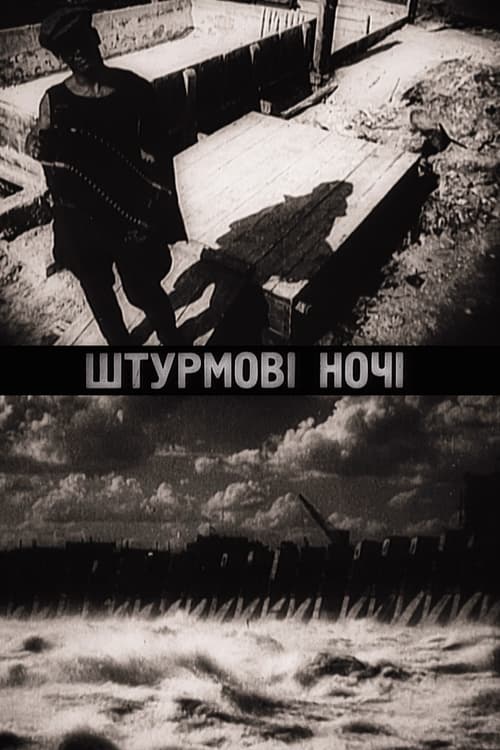
A peasant visits the DneproGES construction. Agitprop film about industrialisation and Dnieper Hydroelectric Station construction.

Night Raids

1931
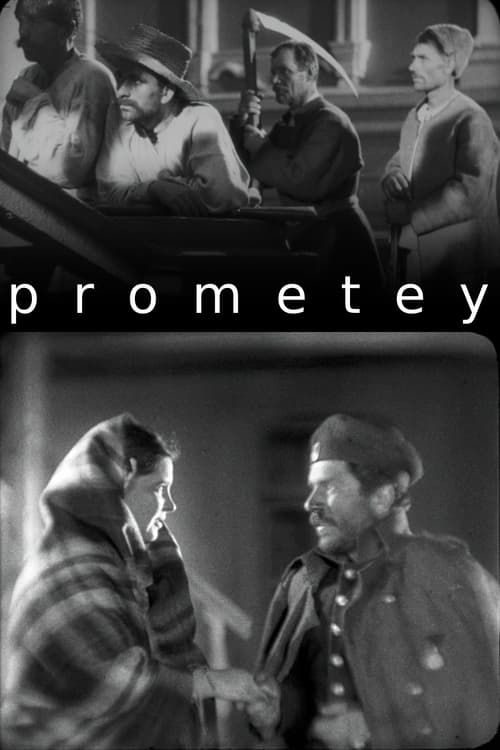
Prometey
4.7

A young man, Ivan, is forcefully mobilised and sent to fight in the Caucasian War as a soldier of the Russian Empire by his landlord, leaving his wife behind. In the Caucasus, Ivas experiences the fierce local resistance to the Russian military, and returns home to launch an uprising against the Russian government.

Prometey

1936
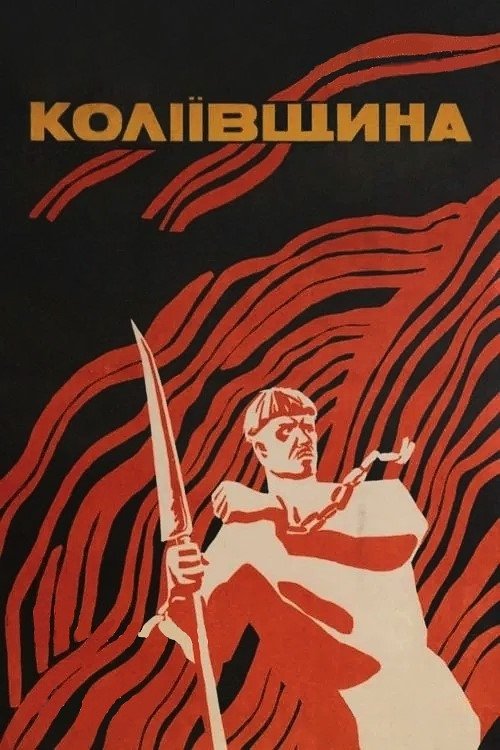
Koliivshchyna
9.0

An episode of the liberation movement in Ukraine - the uprising of Kolievs (serfs, artisans and fishermen) against the tyranny of the feudal lords and the Polish nobility, which ended with a brutal massacre performed by a Russian punitive expedition in 1768.

Koliivshchyna

1934
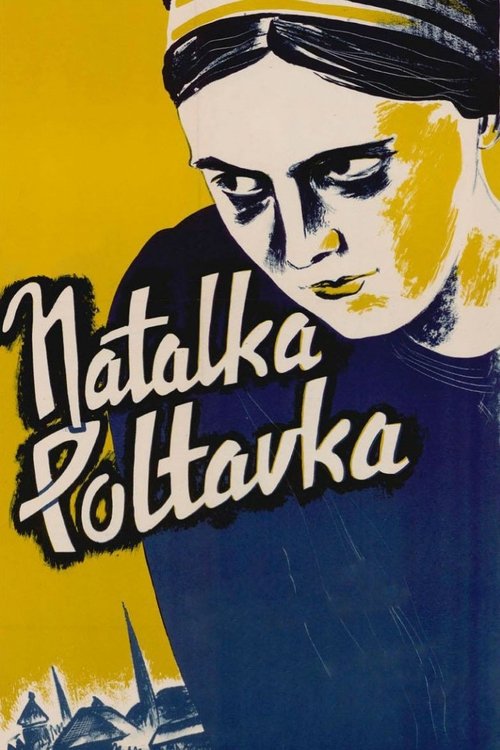
Natalka Poltavka
7.0

The trials and tribulations of Natalka and Petro. The sweethearts plan to get married, however, Natalka's father does not approve of the marriage because Petro's not affluent enough to keep Natalka in the manner he thought that she should be kept. Petro goes off to earn the required fortune. With no news from Petro for five years, Natalka succumbs to her mother's wishes and finally accepts her next offer of marriage, which happens to come from an old, but relatively wealthy government official.

Natalka Poltavka

1936
No image
N/A

On the patriotism of Ukrainian collective farmers. Tractor driver Andrei Stozhar decides to go to the Far East instead of his brother Maxim killed on the border.

Stozhar Family

1939
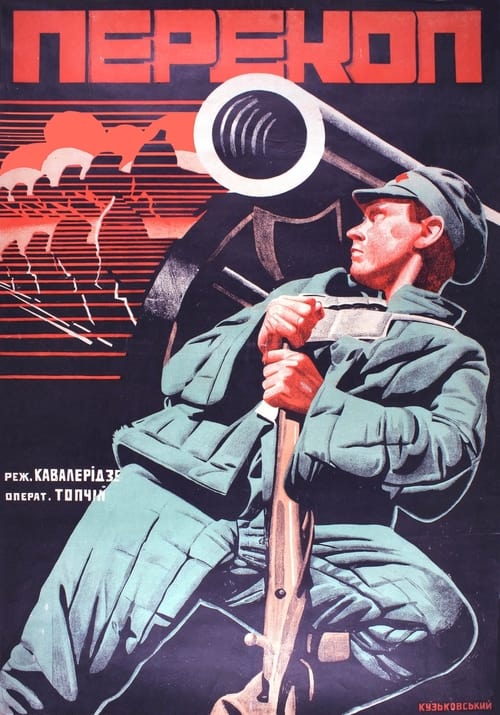
Perekop
6.4

This revolutionary epic likens the push for industrialization of Soviet Ukraine with the battle for Perekop during the Civil War. A missing plow blade is presented as a symbol of the country's backward peasant economy that needs to be transformed in the course of the industrial construction. In an onslaught of rapidly changing images, Ukrainian village with its peasants suspicious of everything new, dramatically collides with the frenzy of working factories, plants, and mines.

Perekop

1930
How Beautiful And Fresh Were The Roses...
N/A

No description available.

How Beautiful And Fresh Were The Roses...

1913
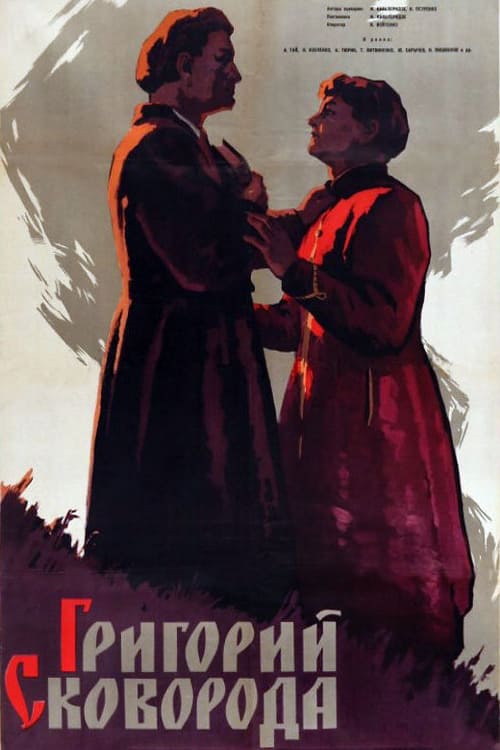
Hryhorii Skovoroda
N/A

It is a life story of one of the most famous Ukrainians and certainly a faithful servant of his nation, of Hryhorii Skovoroda. Neither promises, nor suggestion of high ranks, nor flattery, could shake his fidelity to his ideals. A wandering philosopher, who loved Ukraine with all his heart, he left an eternal trace in its history and culture.

Hryhorii Skovoroda

1958
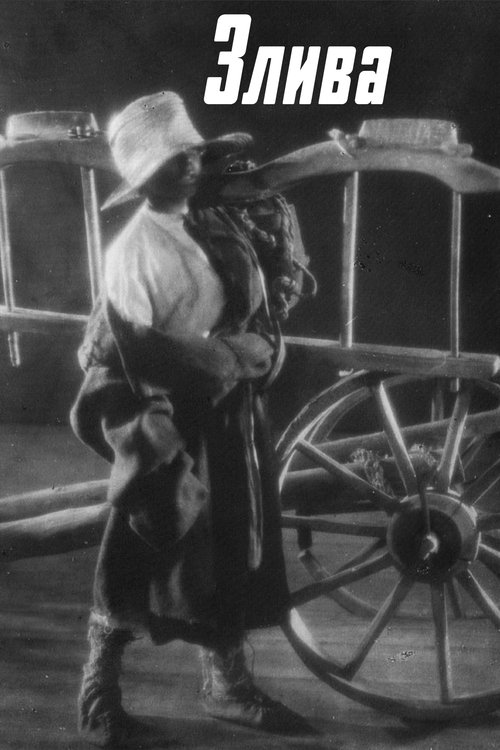
Downpour
N/A

The lost film about the peasant rebellion of the 18th century in Ukraine, led by Maksym Zalizniak and Ivan Honta. The history of the haydamak movement became a trigger for authors to have experiments in the field of film language: shooting against the background of black velvet, focus on the static character of the picture, the sculptural nature of composition mise-en-scène solutions, replacement of dramatic collisions with cinema engravings depicting the historical past.

Downpour

1929