Acting
Fitil is a popular Soviet/Russian television satirical/comedy short film series which ran for about 500 episodes. Some of the episodes were aimed at children, and were called Фитилёк, Fitilyok, Little Fuse. Each issue contained from the few short segments: documentary, fictional and animated ones. Directed by various artists, including Leonid Gaidai who presented his famous trio of Nikulin, Vitsin and Morgunov into the cast. It was called in USSR as "the anecdotes from the Soviet government".
The children's humorous film magazine "Yeralash" is a one-of-a-kind work of cinematography that ironically approaches the solution of everyday problems, focusing on the views and needs of modern society, allowing different generations to achieve mutual understanding.
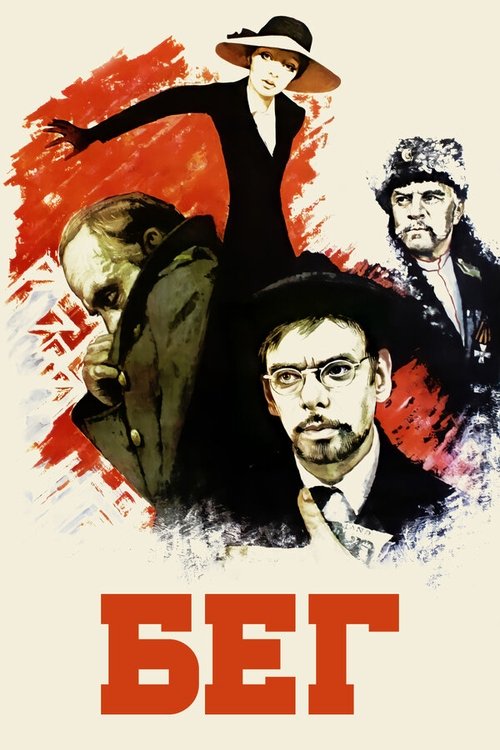
No description available.
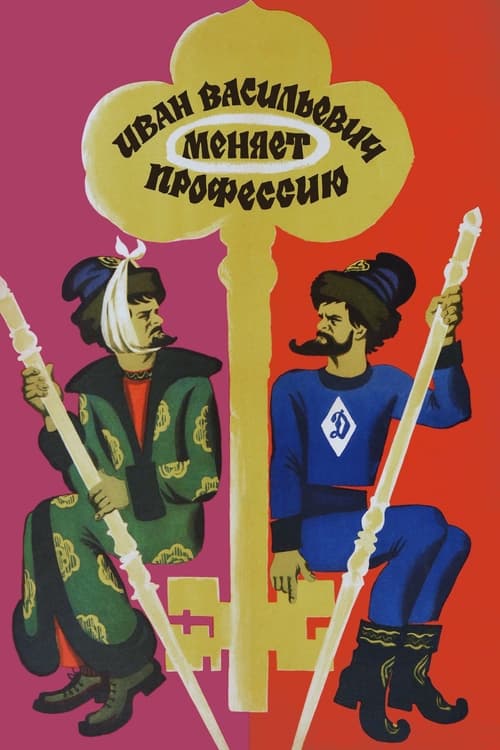
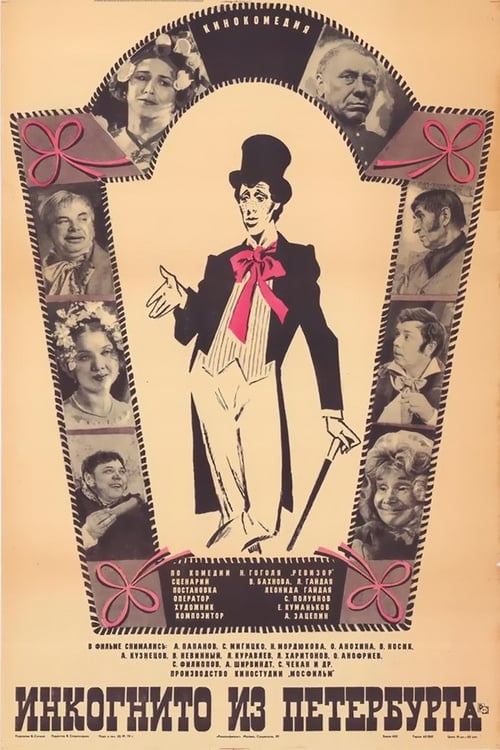
A scientist builds a time machine and accidentally sends his apartment complex manager and a petty burglar to 16th century Moscow, while Tsar Ivan the Terrible travels to 1973.
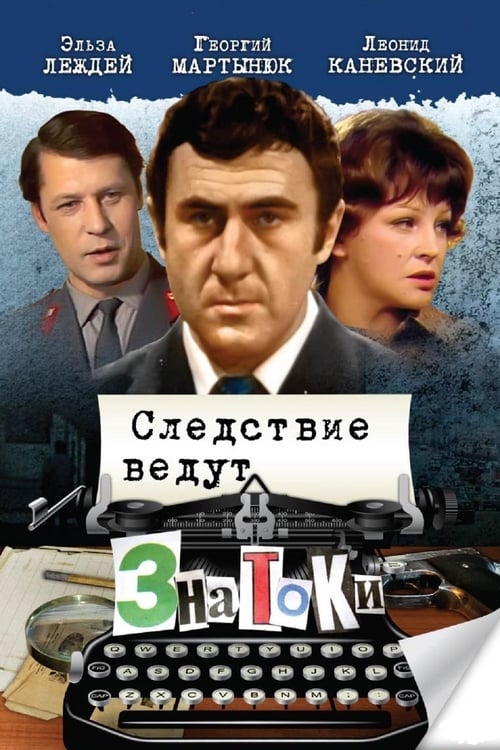
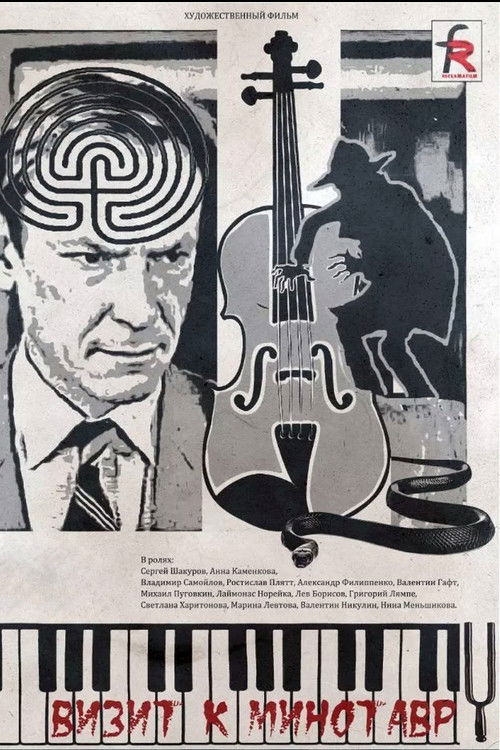
The detective story is based on the search for Antonio Stradivari’s missing violin. An additional historical storyline takes the viewer back to the 17th century and focuses on the life of the Master and his work on the violin.
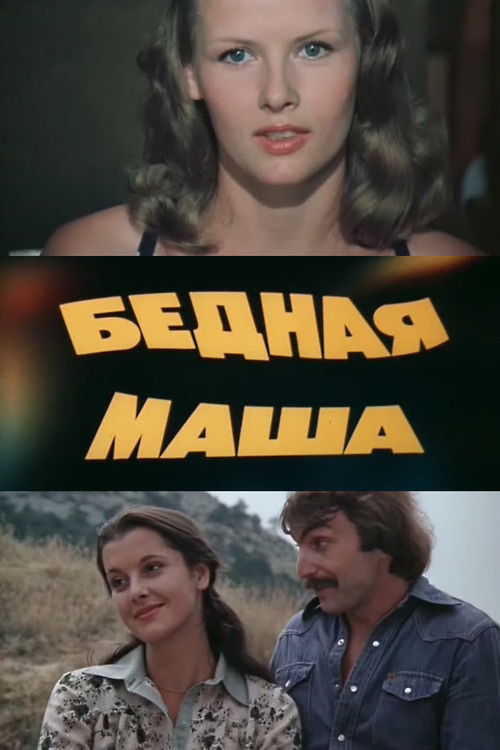
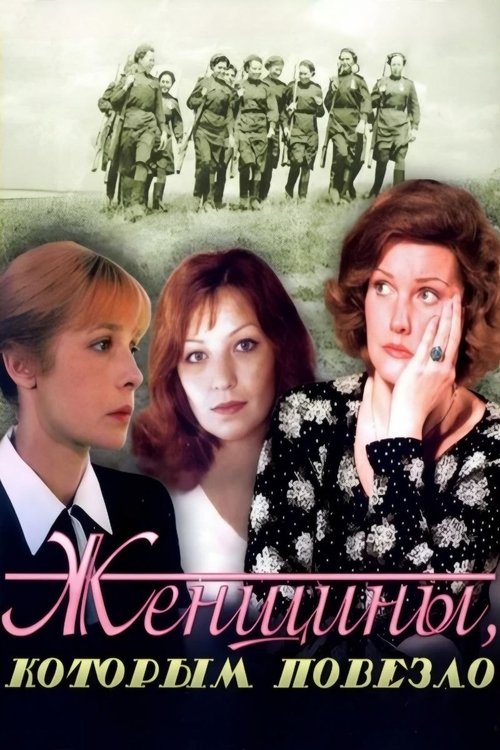
Plot revolves around the post-war decades and tells about the fate of former participants of the Great Patriotic War - Vera Boglyuk, Nina Verkhovskaya, Dusya Koroleva, Zina Skvortsova and Natasha Druzhinina.
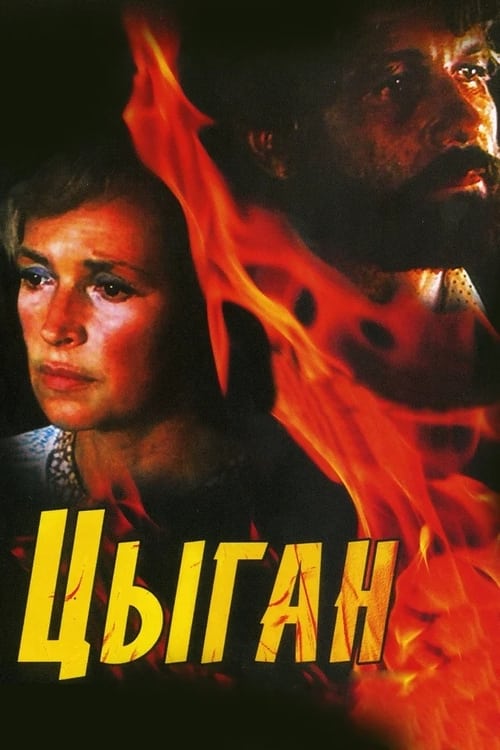
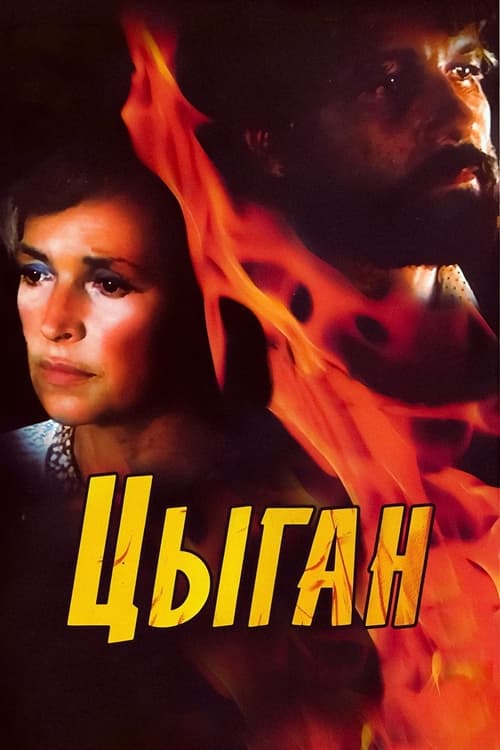
A story about old Gypsy man Budulay, his troubled life, and the difficult love to a Russian woman.
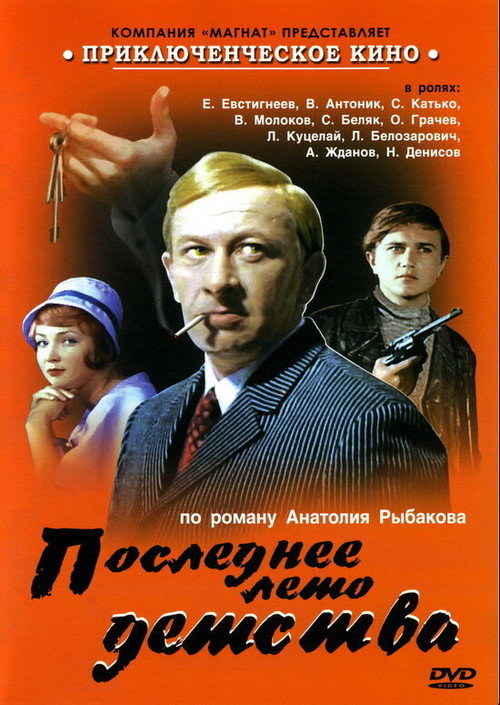
The film takes place in Moscow in 1925, during the New Economic Policy (NEP). The three main characters - Misha, Genka, and Slava - have grown up and become Komsomol members. A murder occurs in their courtyard: engineer Zimin is shot dead at night. The prime suspect turns out to be a local hooligan. But Misha refuses to believe him completely and tries to find evidence on his own.
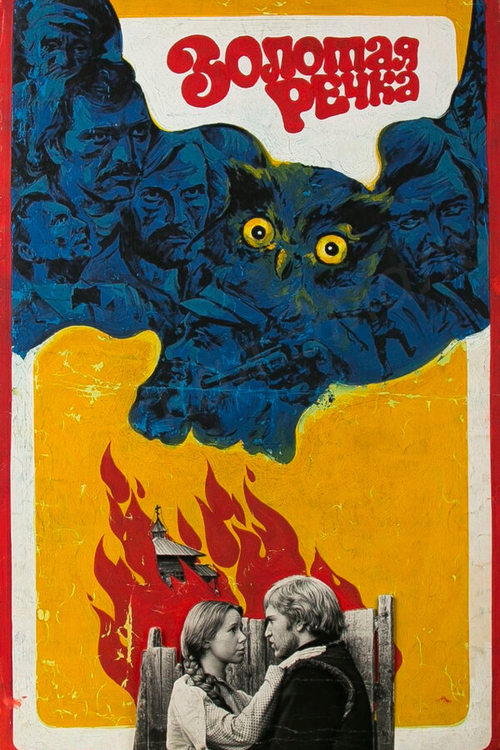
Danka's and Ksanka's childhood in the village brutally ends when their father is killed by a White Guard officer in front of their eyes. Seeking revenge, they join forces with Valerka, an intellectual from big city, and the gipsy Yashka, but before they can get close to their enemy they have to help their village and the advancing Red Army.
Ukraine, 1918. Underground worker Sigismund Raevsky organizes a Komsomol cell and gathers young people to fight against the German invaders...
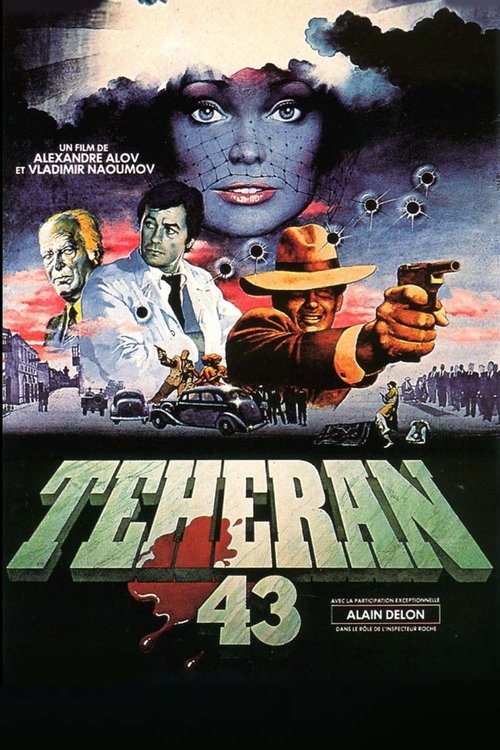
This story starts in 1980 in Paris as the memories of Andrei Borodin, a Soviet agent, take the action back to 1943 during the Teheran meetings of Stalin, Roosevelt and Churchill. A high-ranking Nazi officer developed a plan to assassinate the three world leaders in order to undermine the Allied forces. He commissioned the German agent Max Richard to carry out his plan, but it failed miserably due to the quick action and thinking of Andrei. While in Teheran, Andrei met a French woman, Marie Louni, living in the city and they had a brief but intense affair. Nearly four decades later, the Nazi officer has been captured - but not for long. Freed by terrorists, the officer is hunting down the German agent who failed to carry out the planned assassinations. Max lives at Françoise, a young French woman, who hides him.
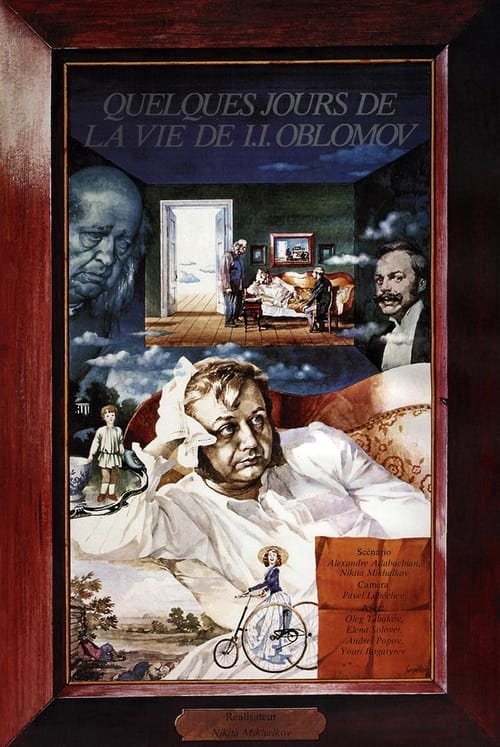
St. Petersburg, mid 19th century: the indolent, middle-aged Oblomov lives in a flat with his older servant, Zakhar. He sleeps much of the day, dreaming of his childhood on his parents' estate. His boyhood companion, Stoltz, now an energetic and successful businessman, adds Oblomov to his circle whenever he's in the city, and Oblomov's life changes when Stoltz introduces him to Olga, lovely and cultured. When Stoltz leaves for several months, Oblomov takes a country house near Olga's, and she determines to change him: to turn him into a man of society, action, and culture. Soon, Olga and Oblomov are in love; but where, in the triangle, does that leave Stoltz?
A first episode in the trilogy about the Russian partisan's resistance against the Nazi occupation of Russia during WWII. The film is set in August of 1941, when the Nazi forces invaded and occupied the European part of Russia. Major Mlynsky is in charge of the special group of partisans. His group is absorbing other small groups of Russian soldiers, who managed to survive from the attacks of the overwhelming Nazi forces. The Nazi Armies are advancing to Moscow. Major Mlynsky is organizing the Russian partisan's resistance against the Nazis, behind the enemy lines.
A story about old Gypsy man Budulay, his troubled life and the difficult love to Russian woman.
The continuation of the story started by adventure movie "The Lost Expedition" set in 1923.
The film includes three short stories based on the stories of Mikhail Zoshchenko: "Crime and Punishment", "Fun Adventure", and "Wedding Event" about the negative phenomena of the provincial life of the young country of the Soviets: stupidity, drunkenness, money-grubbing, lack of spirituality.
A former aristocrat Ippolit Vorobyaninov leads a miserable life in Soviet Russia. His mother-in-law reveals a secret to him - she hid family diamonds in one of the twelve chairs they once had. Vorobyaninov in cooperation with a young con artist Ostap Bender start a long search for the diamonds.
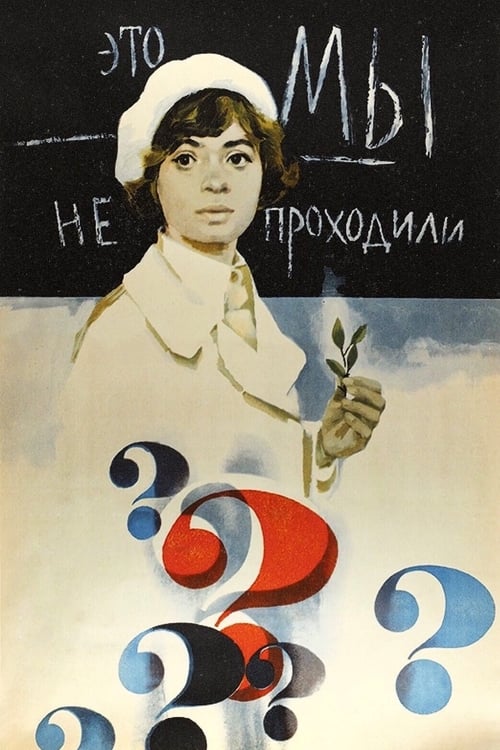
The heroes of the film are students of a pedagogical university, those who, after a year or two, have to carry knowledge to schoolchildren, "to sow the rational, good, eternal." In the meantime, student practice. True, the practice is not quite ordinary, because for the first time students leave far from the walls of their own university, for the first time they meet with students in the classroom not in the presence of their teachers, those with whom life encounters them daily at the institute, but with those who have been working for more than a year at school.
A graduate of the village school Pyotr Gorokhov from the village of Dyadkovo comes to Moscow to enter a prestigious economic university; he succeeds, albeit literally by a miracle. However, Petya was always helped out by chance and mysticism. Compared to other students (mostly Muscovites and residents of other big cities), this guy from the province stands out sharply — both in manners, in reprimand, and in behavior. Accustomed to defend their principles to the end of Gorokhov was called Balamut (Troublemaker). Nevertheless, in the student community, he quickly mastered and became a leader. Everything would be fine, but he has two problems — unrequited love for the dark-skinned beauty from Cuba and English...