Anne Feinsilber
Directing
Known For
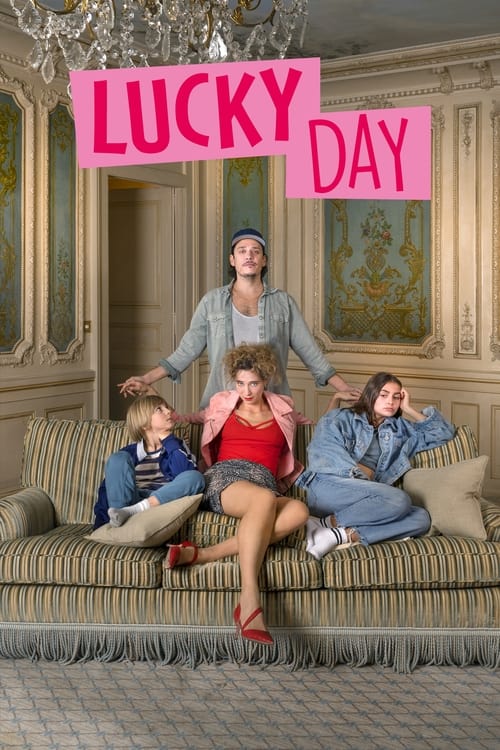
A dysfunctional family is propelled into sudden wealth when Loic, the father, wins the lottery. Despite every piece of advice, the family decides to move into a Geneva Palace where Loic meets Jean-Hubert, an ill-qualified financial advisor who will help him achieve his dream of buying back Montrex, the watch factory that fired his father – but nothing will happen as expected.
Lucky Day
A breathtaking investigation into blockbusters, a film genre that enjoys worldwide success yet keeps its secret weapon well hidden backstage in Hollywood. The blockbuster appeals to a very wide audience, from 7 to 77 years and from Paris to Beijing. These films, which have boosted the film industry, started out with "Jaws" and "Star Wars" and are still prospering with Avatar or Alice in Wonderland. To succeed, the films must meet a few precise criteria, one of them being their cost - at 100 million dollars minimum. But in Hollywood, the films' ingredients are a well-kept secret; perhaps for fear of discovering that the studios' house rules are not as rosy as in certain fruitful happy endings? The pressure and the stakes are colossal. This fascinating documentary reviews the numerous professions affiliated with the blockbuster, via interviews with producers of the major studios (Walt Disney Studio, 20th Century Fox...)...
Made in Hollywood
No description available.
L'autre Fille
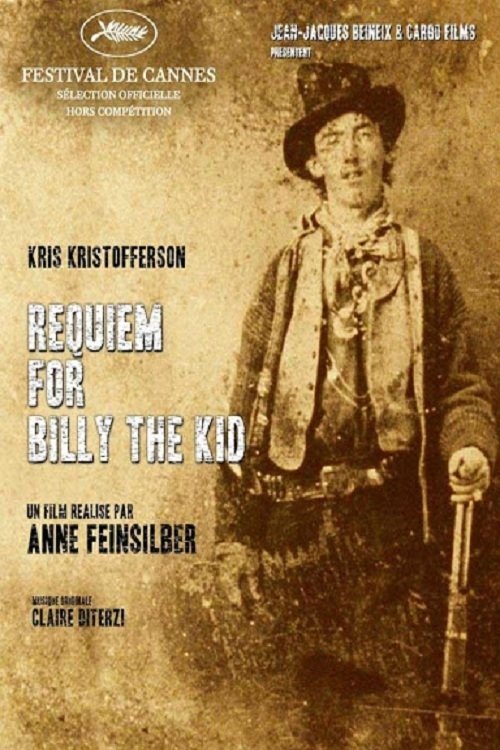
Requiem for Billy the Kid recounts the life of Billy the Kid. The premise of the film is an investigation into the often-challenged circumstances that led to the death of the 21-year old outlaw in the hands of sheriff Pat Garrett on July 14, 1881. As we follow the modern sheriff on camera, off camera Billy the Kid, gives his own account of the events. Part poetic evocation, part road-movie, Requiem for Billy the Kid is essentially an homage to the western genre and to the people who today still live up to that life.
Requiem for Billy the Kid
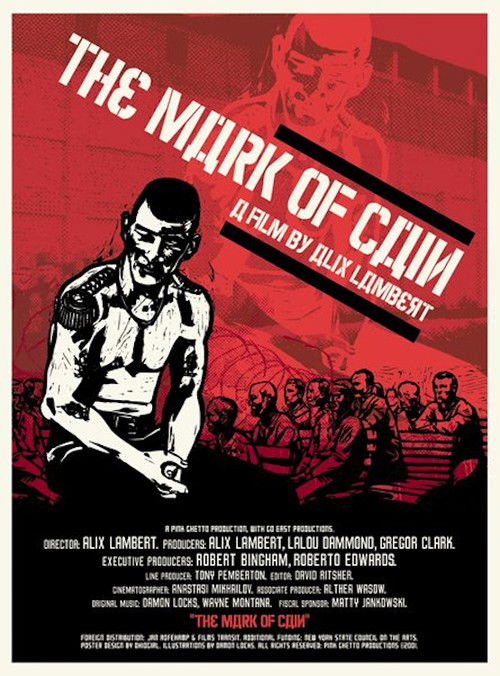
The fading art form and ‘language’ of Russian criminal tattoos, formerly a forbidden topic in Russia. The now vanishing practice is seen as reflecting the transition of the broader Russian society. Filmed in some of Russia’s most notorious prisons, including the fabled White Swan, the interviews with prisoners, guards, and criminologists reveal the secret language of “The Zone” and “The Code of Thieves” (Vor v zakone).