Kurt Hübner
Acting
Known For
Polizeiruf 110 is a long-running German language detective television series. The first episode was broadcast 27 June 1971 in the German Democratic Republic, and after the dissolution of Fernsehen der DDR the series was picked up by ARD. It was originally created as a counterpart to the West German series Tatort, and quickly became a public favorite.
Polizeiruf 110
No description available.
3 nach 9
No description available.
Theatergarderobe
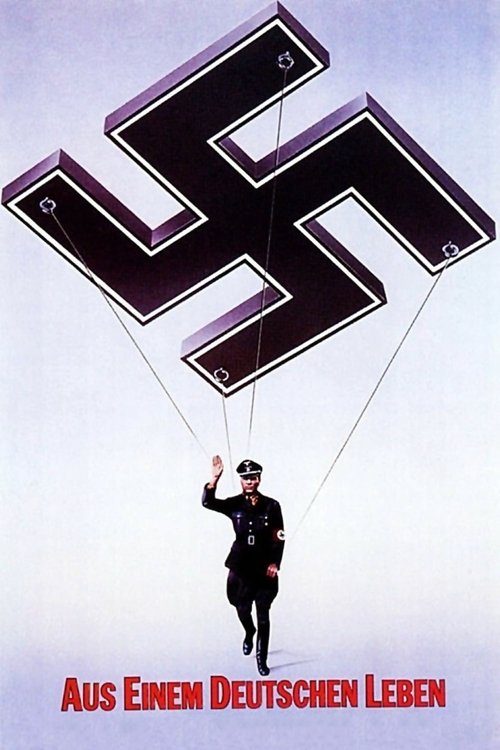
A biography of Auschwitz commander Rudolf Höss.
Death Is My Trade
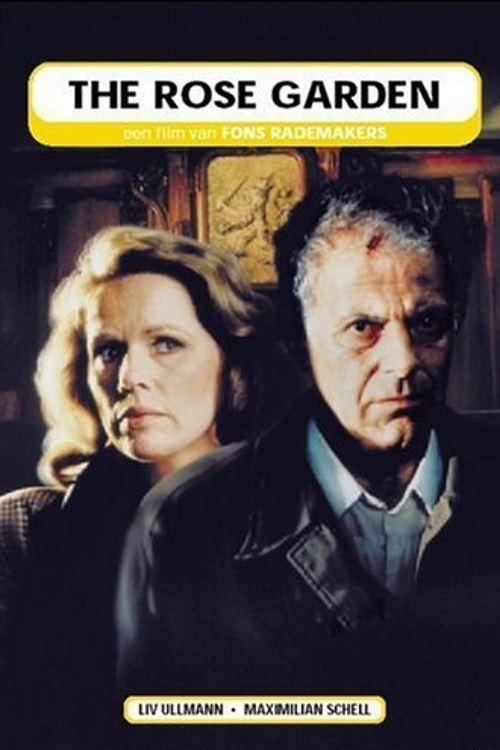
In Germany, an old man attacks another old man and is arrested. The attacker refuses to speak. A female lawyer is appointed to him. She discovers that the attacker has numbers tattooed on his arm and the attacked man was a German officer.
The Rose Garden
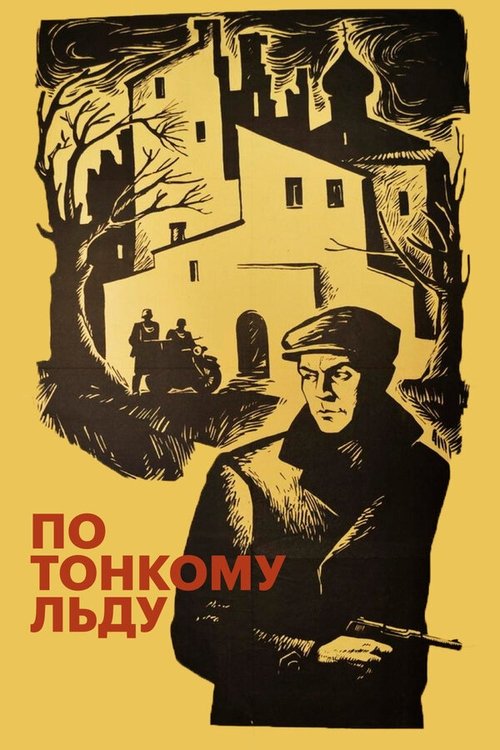
Two KGB agents are fighting against foreign spies before and during WWII.
On Thin Ice
No description available.
Old Shaky
The TV documentation reconstructs the incidents between May and November 1989 from the point of view of the Politburo of the GDR (German Democratic Republic). The incidents include the fraud of local elections, the opening of Hungary's borders towards Austria, the ensuing tide of East German refugees to Hungary and Czechoslovakia for transfer to West Germany, the pompous ceremonies at GDR's 40th anniversary, the inept transactions the Politburo took to salvage the situation, the resulting dismissal of their leader Erich Honecker, the international press conference in East Berlin on 9th November 1989, at which Politburo member Günther Schabowski erroneously announced the immediate opening of the 'Iron Curtain', which finally led to the collapse of socialism in the GDR and the other East Bloc countries.
Wer zu spät kommt – Das Politbüro erlebt die deutsche Revolution
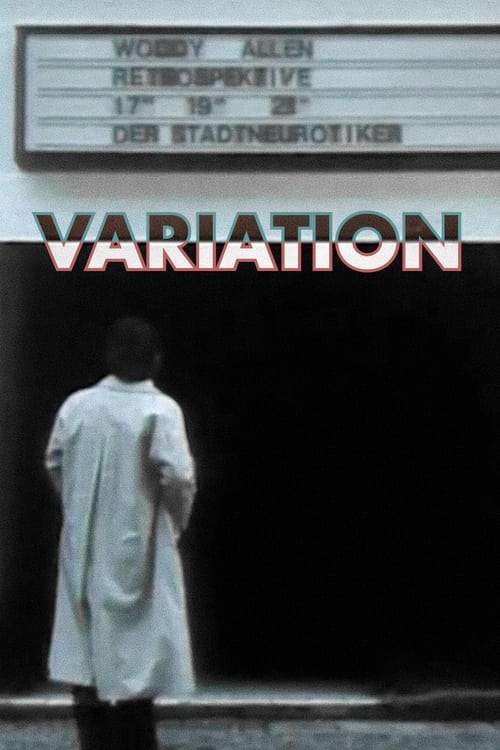
The emotional story of an adulterous relationship between a journalist and a teacher.
Variation
No description available.
Beethovens Zehnte
No description available.
Gladiatoren

After a flirtatious encounter, a young man finds it difficult to organise the hoped-for reunion with the object of his desire. Calls remain unanswered and he is left with only a drink, his bed and images of soldiers in combat to fill his inner void. Meanwhile, the boundaries between imagination, reality and dream dissolve, and a cinematic chess game ensues in which queer identity is pitted against patriarchal violence.