Acting
A just man becomes an outlaw. He is pursued by the police over the years, while he tries to fight the injustice in the world, but he can't figure out the minds of his fellow men, and is often misunderstood.
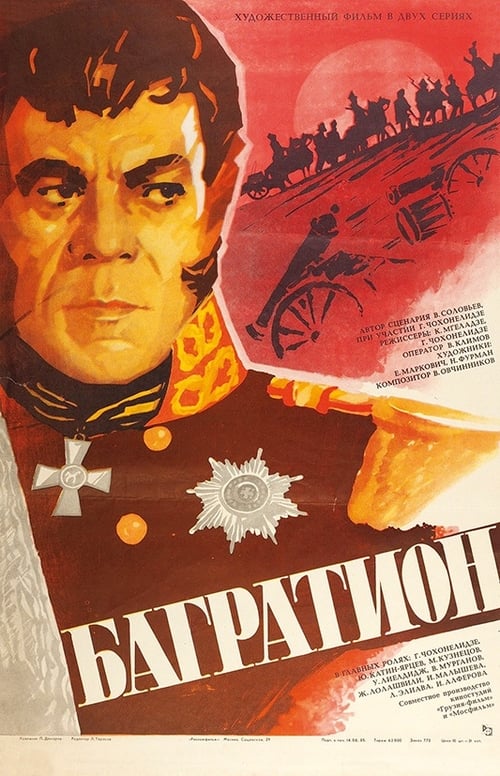
About the commander Pyotr Ivanovich Bagration. Mortally wounded in the Battle of Borodino, he slowly dies in the village, at the estate of his aunt. The hero recalls the past, his experiences. Each episode of Bagration's life is a page of Russian history: the military march across the Alps, the capture of the impregnable Devil's Bridge, meetings with Alexander I, the battle of Borodino.
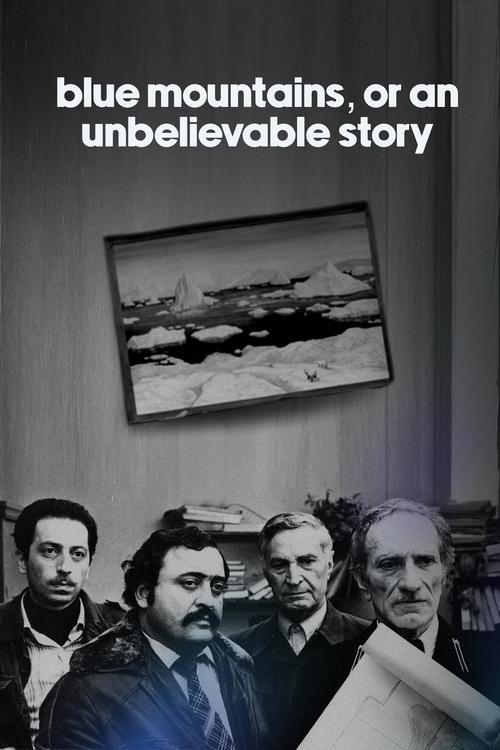
An author - a passive young man - enters the Soviet-controlled bureaucracy of Georgia attempting to get his novel published only to be neglected and compartmentalized at every turn.
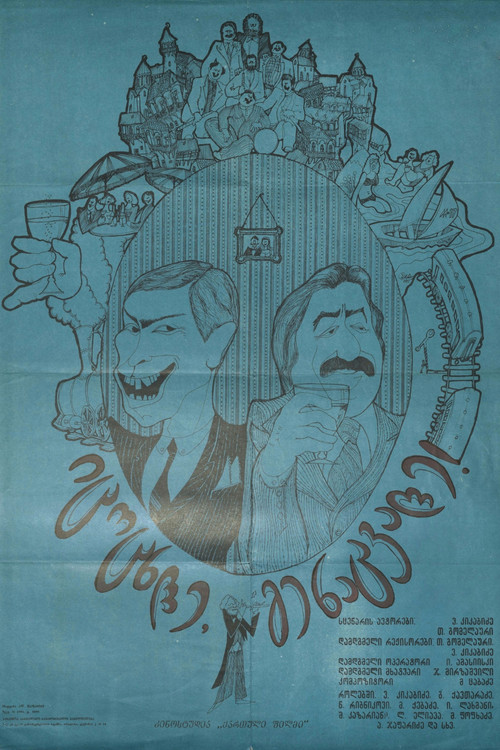
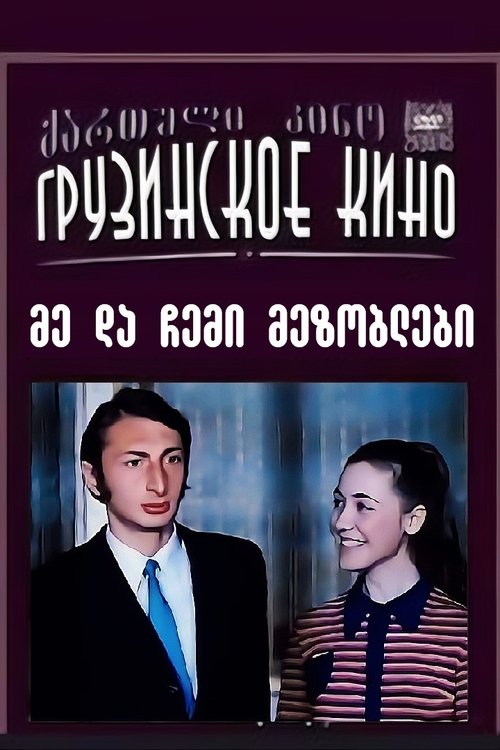
Four novels "Dinner", "Secret", "business Trip" and "Mozart", United by a common theme of kindness and attention to the surrounding people, tell about the adventures of two elderly, but not lost the taste for life of Georgians!
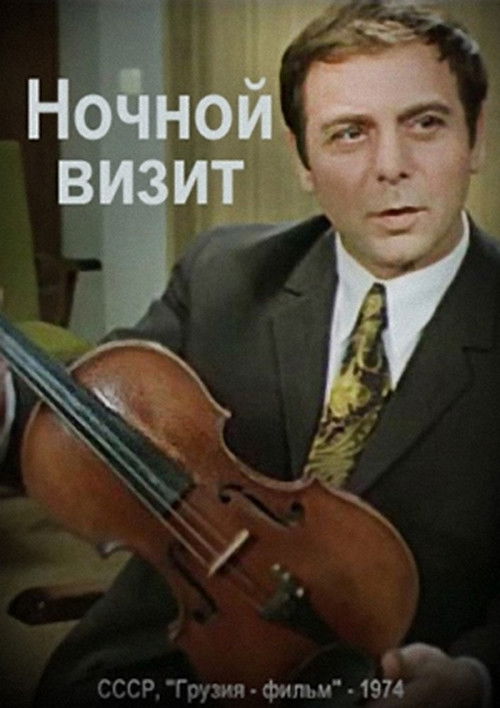
Police officers are investigating the theft of a Stradivarius violin.
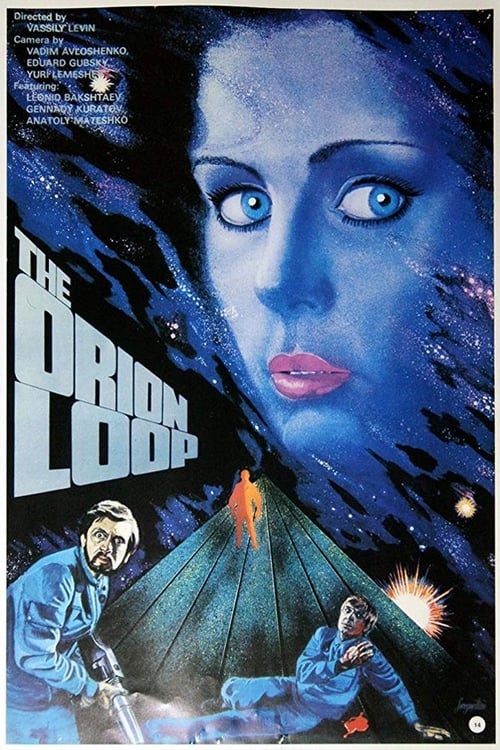
A strange phenomenon has been noticed on the outskirts of our Solar system that quickly approaches the Earth. It's called "Orion's Loop." A spaceship with a crew of people and androids identical to them is sent to intercept the anomaly. But strange events start happening as the spaceship approaches the mysterious loop.
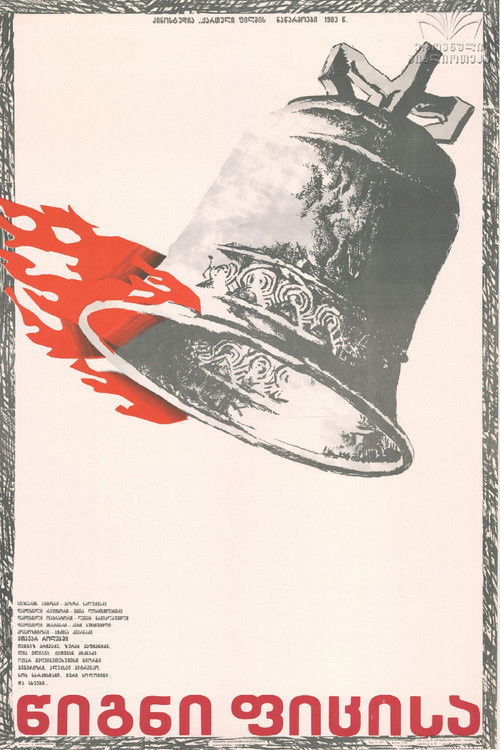
The tragic events in Georgian history, spanning from the 16th to the 18th centuries, culminated in the signing of the Treaty of Georgievsk in 1783, which placed Georgia under Russian protection.
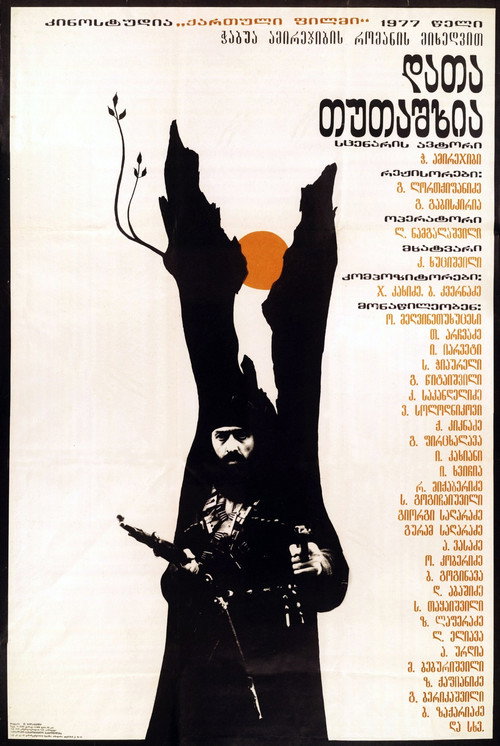
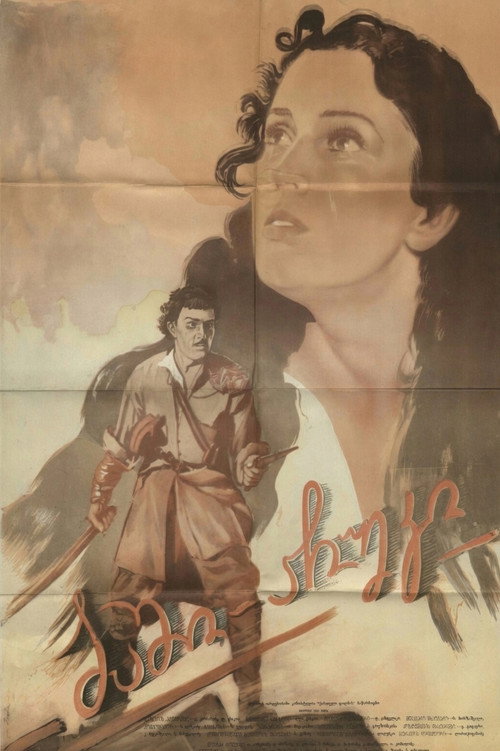
The 17th century rebellion in Kakheti masterminded by Bidzina Cholokashvili gets about the whole Georgia. An Imeretian youth nicknamed as Bashi-Achuk is a real exterminator of the Persians. He attacks the Persian escort and sets free the Georgian women who were supposed to be locked up in the Shah’s harem. Bashi-Achuk’s twin sisters are among the rescued captives. Abdushahil, a Persian warrior who was defeated by Bashi-Achuk in wrestling, falls in love with Mzisa, Bashi-achuk’s sister. Mzisa brings Abdushahil to the camp of the Georgian rebels. Abdushahil learns that he is a Georgian too. As a child he was kidnapped and brought up in Persia. Abdushahil’s army gives up and the Georgians win the battle.
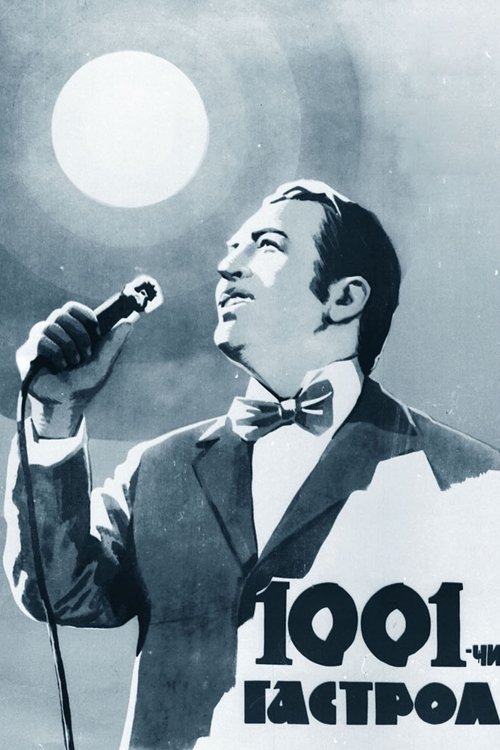
A musical TV film about the creation of the Song Theater by Rashid Beibutov, telling humorous stories related to it.
A man has died in a mountain village. The bandsmen are forbidden to accompany the deceased to the cemetery. There is a war going on, and this is the border that the locals are not allowed to cross...
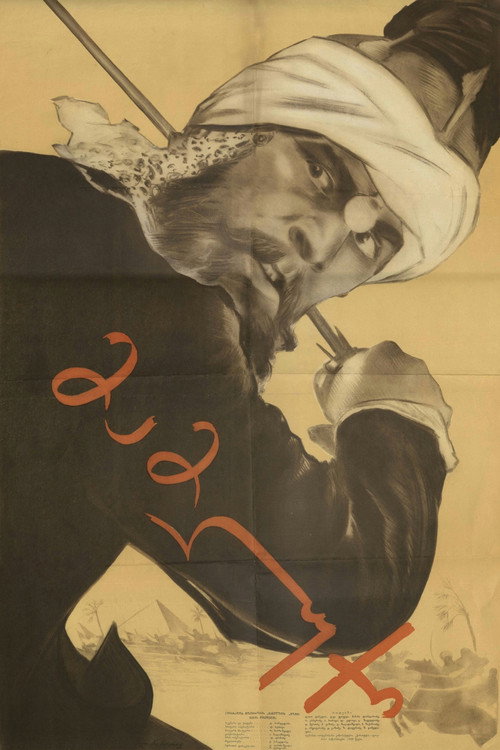
In Arabic, “mameluke” means a white slave, a prisoner. In Egypt, this name was given to prisoners of war who had been sold into slavery from Georgia and other countries of the Caucasus. The action of this drama starts in Georgia in the late 18th century. Two friends are abducted and sold into slavery. One ends up in Egypt, the other - in Venice. Years later, they meet by the ancient pyramids, in the desert where a battle is going on between the armies of Bonaparte and Ali-bey, the ruler of Egypt. In a combat with a French officer, the Mameluke injures him. Falling from his horse onto the sand, the officer exclaims in Georgian: “Vai, nana!” (“Oh, mother!”). And the Mameluke recognizes in him a mate of his childhood games.
The old peasant Minago Iremadze and his wife miss their children who live in the city. The older brother married a city girl, the younger studies there. Minago decides to bring them back home. He goes to the city and tells everything to his sons. The brothers understand their dad well but cannot abandon the city life.
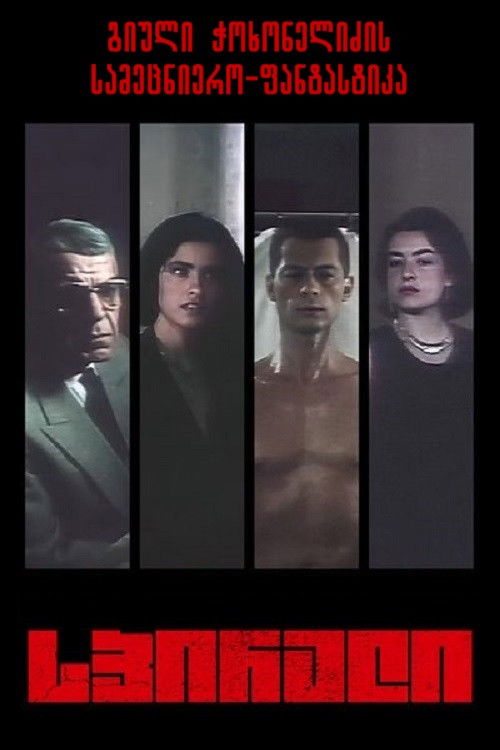
In an extreme emergency, a professor’s brain is transplanted into the body of a recidivist who died in a disaster, leading to dramatic consequences.
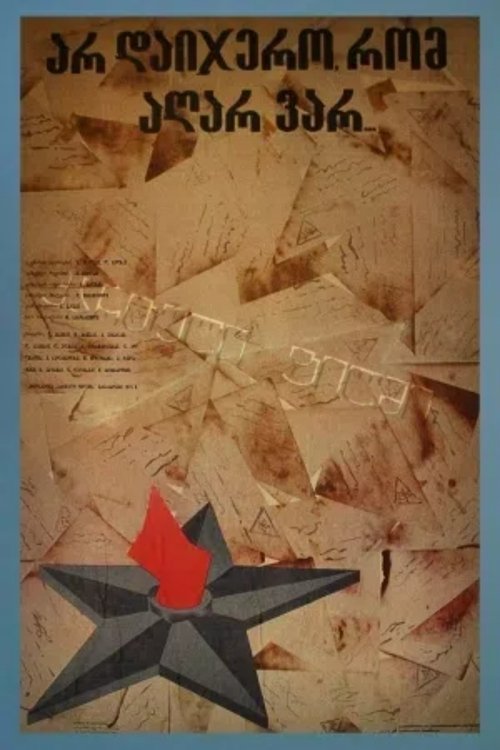
The film is based on a real story. Climbers found the purse of a military postman killed during World War II, letters sent 30 years later.
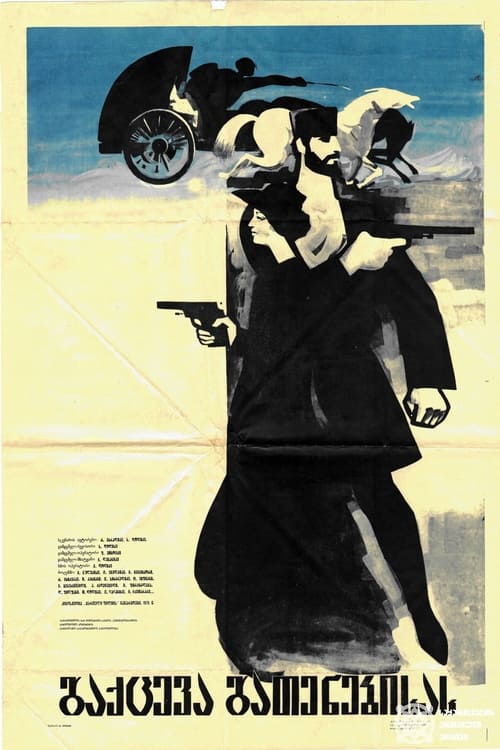
The trial of political prisoners is taking place in the Kutaisi prison. They face hanging or life imprisonment. In order to release them from prison, a party figure, nicknamed "Chagara" and a revolutionary woman, "Vardo", aka Nato Nakashidze-Volfisa, come to the city. She rents a house near the prison, supposedly to open a knitting workshop. Will they be able to escape?
Every day, Niko, a mechanic’s apprentice, walks in front of his girlfriend’s house, hoping to see her. However, her strict father won’t let her alone. Despite this, the young people manage to meet and continue to see each other.
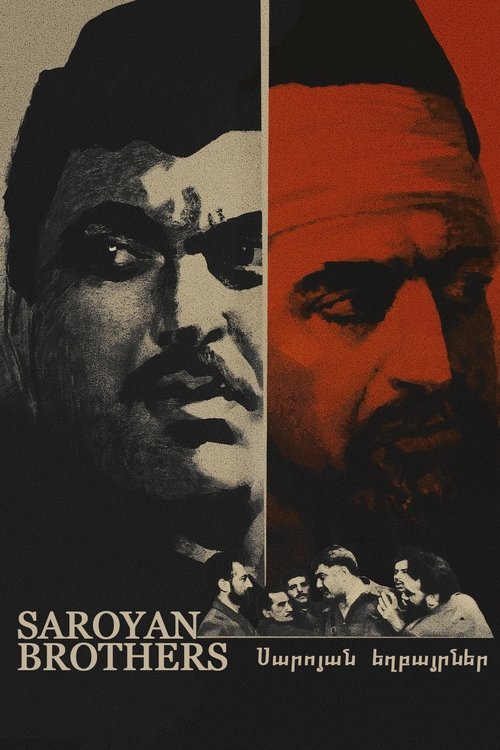
1920. Last days of the first Armenian Republic. Armenian Army fights on two fronts: war with Turkish army in the west, and Red Army incursion and Bolshevik mutiny in the northeast. Hayk Saroyan returns to his native provincial town from Russia to assume a minor post at Dashnak Army command center. His brother Gevorg, captain at the same command center, is a real patriot prefering death to "eternal exile", army power to relegious mercifullness. Very soon a suspicion creeps inside him: his beloved brother is Bolshevik spy.
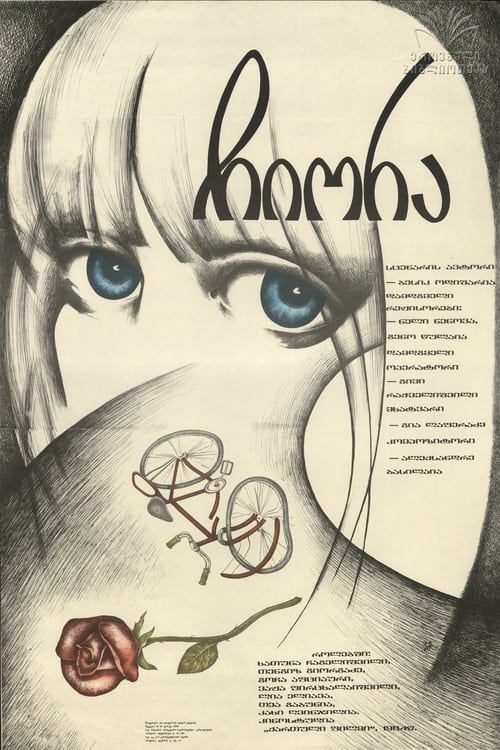
Mari and Nika decide to stay together and sneak off to a seaside town, intending to stay with Nika’s uncle, who is out fishing. Unable to rent a room due to not being married, Nika gets into a fight at a cafe, where Chiora helps him. They continue their journey with Chiora, who shows interest in Mari. Chiora, a risk-taker, tries to blame a driver for an accident to earn money but accidentally crashes and dies in the hospital. Mari grows bored and, returning to Tbilisi by train with Nika, leaves him in the carriage. In Tbilisi, she meets Mari again, but Mari no longer wants to talk to her.
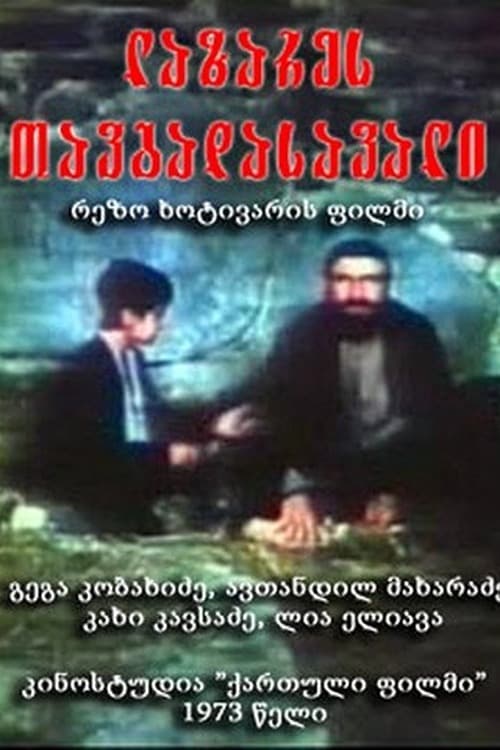
An orphaned boy, Lazare, follows a wandering blind man from village to village to find the daily bread. Despite the extreme hardships, their relationship becomes a kind of moral support for the child.
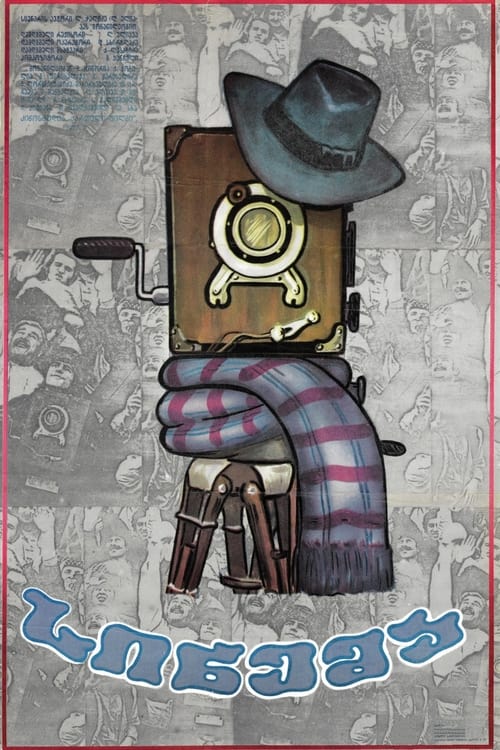
At the end of the 20th century, the son of a distinguished family, Sosiko Cholokashvili, became interested in cinematography, a field unknown to the public. Despite his inexperience, financial difficulties, and disappointment, one of the first enthusiasts of Georgian cinema recorded many shots depicting the appearance and existence of old Tbilisi on tape.