FEEL IT.STREAM
David Perlov

David Perlov

Directing

Biography

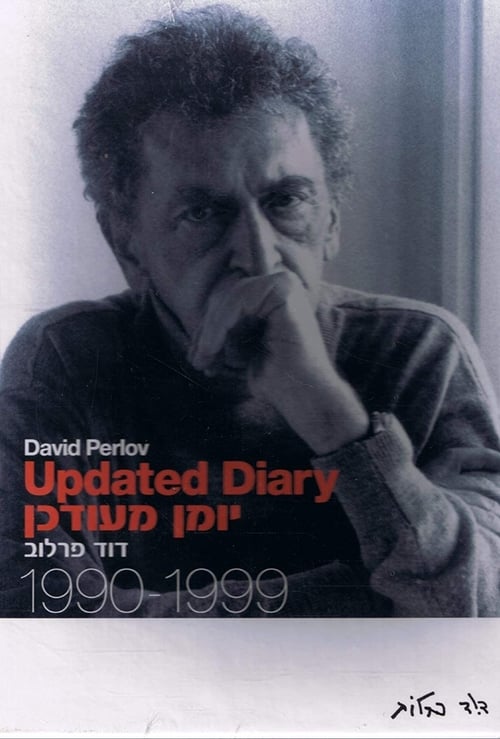
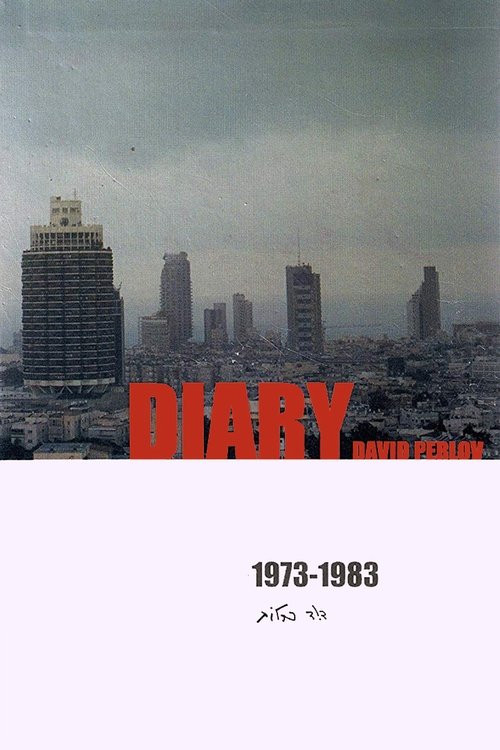
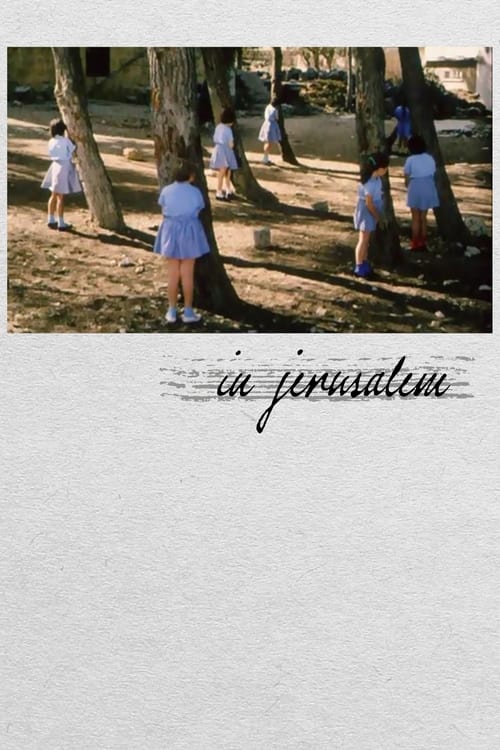
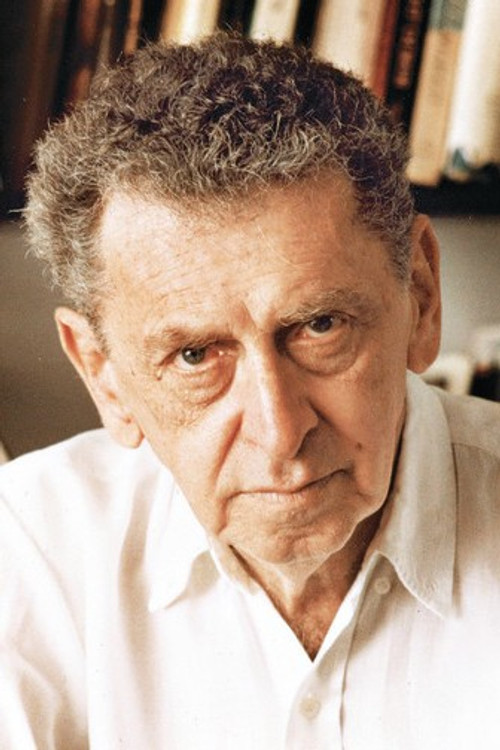
David Perlov (Hebrew: דוד פרלוב) (born 9 June 1930 in Rio de Janeiro, Brazil; died December 13, 2003, in Tel Aviv, Israel) was an Israeli documentary filmmaker. David Perlov was born in Rio de Janeiro and grew up in Belo Horizonte. At the age of 10, he went to live with his grandfather in São Paulo. At the age of 22, he moved to Paris and worked as a projectionist for the newly established Cinematheque. In 1957, he made his first short film, Tante chinoise (Old Aunt China), based on drawings of a 12-year-old girl of the French provincial bourgeoisie of 1890 which he found in the cellar of the Paris house in which he was living. In 1958, Perlov immigrated to Israel, settling with his wife Mira on Kibbutz Bror Hayil. The couple had two daughters, the twins Yael Perlov and Naomi Perlov. In 1963, Perlov made a 33-minute documentary In Jerusalem (בירושלים, Be-Yerushalayim). This film came to be one of the most important films of Israeli documentary cinema. Although Perlov made two feature films by 1972 (The Pill and 42:6), his film proposals were repeatedly rejected by the Israel Broadcasting Authority and Israeli film board, which found his work too lyrical. In May of the year 1973, Perlov bought a 16 mm camera and filmed his everyday life alongside dramatic events that took place in Israel at the time. He continued this work for 10 years, sometimes with almost no economic resources, until Channel 4 of British television expressed an interest in the project in 1983. Produced in association with Israel's largest television and film studio, Herzliya Studios (Ulpanei Herzliya), the result was Perlov's work Diary (יומן). From 1973 Perlov taught in the department of film and television at Tel Aviv University.
Known For

My Conversations on Film
3.2

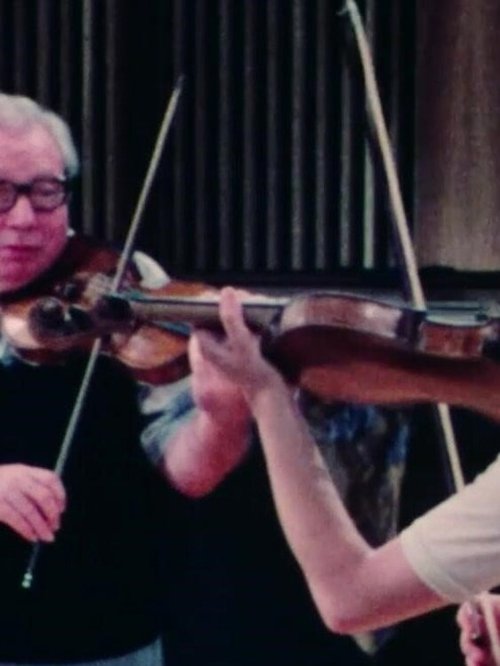
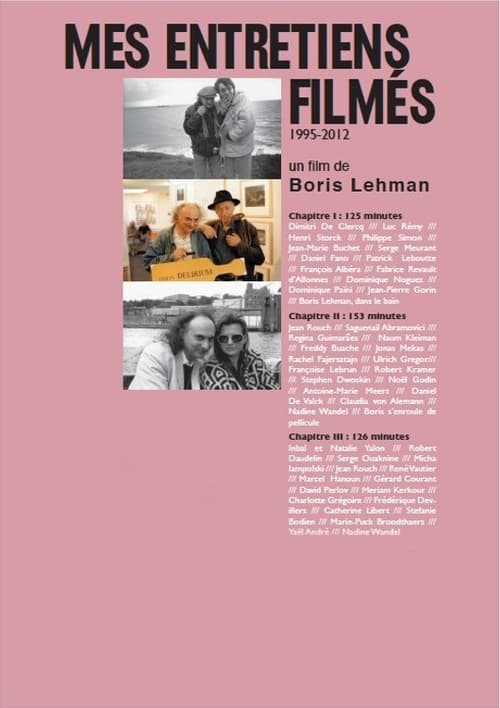
This distinctly personal journey into the artistic possibilities of independent film is not to be missed. Jonas Mekas, Jean-Pierre Gorin, Robert Kramer and many other visionaries and mavericks of the silver screen – as well as a book seller, a critic and a psychoanalyst – discuss what cinema has meant to them, what it is and what it could be and, implicitly, how it has changed over the 18 years in which this film was shot. Director Boris Lehman leads the charge, drawing in moments of absurdist humour and inventive camera work; he keeps things raw and spontaneous. His encounters with the now much-missed Jean Rouch and Stephen Dwoskin are particularly touching and stand testament to their personal playfulness and candour. An engaging, absorbing, epic odyssey of a movie.

My Conversations on Film

2013Movie
42:6 - Ben Gurion
8.0

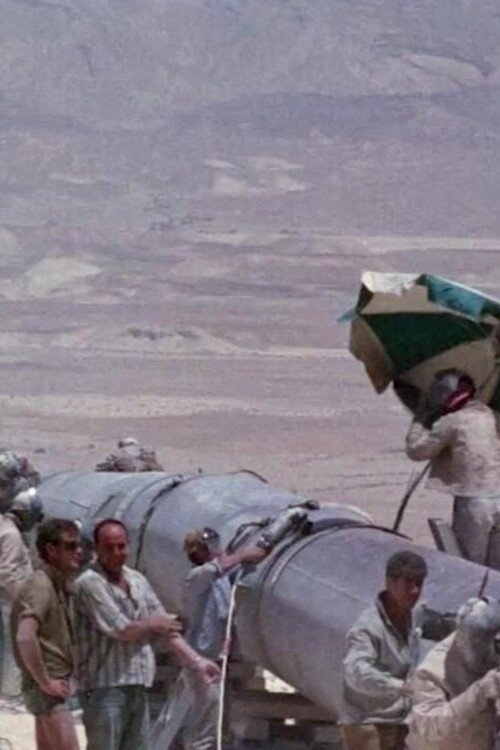
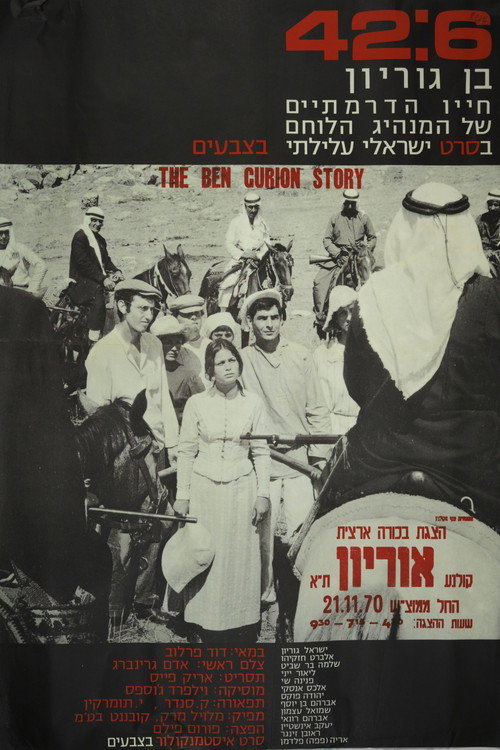
The title is a reference to the Book of Isaiah 42:6, “I, the LORD, have called thee in righteousness, and will hold thine hand, and will keep thee free, and give thee for a covenant of the people, for a light of the Gentiles.” The film is an episodic, cinematic biography of David Ben-Gurion, from his days as a youth in Poland when he met Herzl in the town of Plonsk, through his move to Palestine/Israel, becoming leader, the days of the Independence War and the establishing of the State of Israel, signing the reparations agreement with Germany, and all the way to the making of this film – in the aftermath of the Six-Day War. Perlov’s film highlights all the key milestones in the leader’s life which it goes about doing in the tradition of the reflexive documentary, through the creator’s subjective and artistic pov. The film goes back and forth between documentary and scripted scenes, black and white and technicolour, and even archival footage colourised in bold, artificial colours.

42:6 - Ben Gurion

1969Movie