
Jan Laskowski
Camera
Known For

Polizeiruf 110 is a long-running German language detective television series. The first episode was broadcast 27 June 1971 in the German Democratic Republic, and after the dissolution of Fernsehen der DDR the series was picked up by ARD. It was originally created as a counterpart to the West German series Tatort, and quickly became a public favorite.
Polizeiruf 110
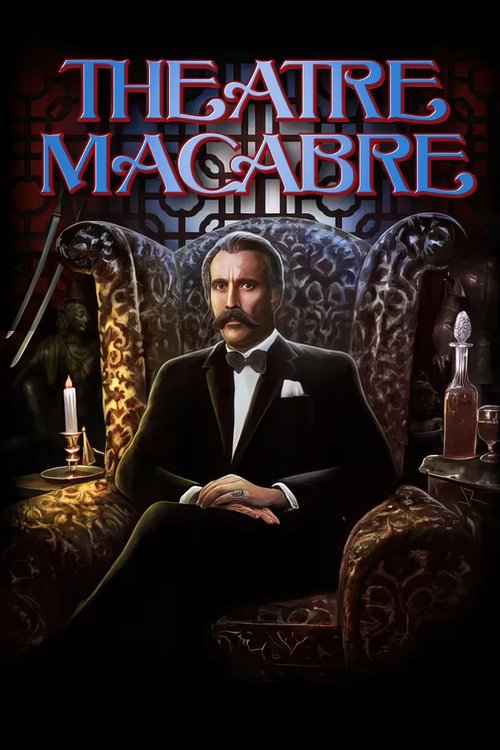
Christopher Lee hosts this horror anthology series from Poland with stories from various classic authors.
Theatre Macabre
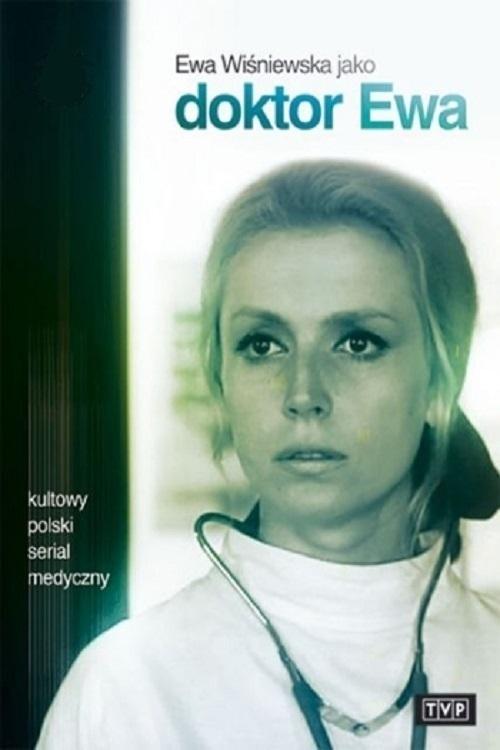
Doctor Ewa Lipska, an attractive young woman just after graduation, with interesting professional prospects for the future, chooses the job of a village doctor. Brought up in a big city, she settles in the small town of Międzybórz in the Łódź Province. She is forced not only to overcome the daily difficulties resulting from medical practice in a rural health center, but also to learn to talk to people of a different mentality and gain the trust of her patients.
Doktor Ewa

Two strangers, Jerzy and Marta, accidentally end up holding tickets for the same sleeping chamber on an overnight train to the Baltic Sea coast. Also on board is Marta's spurned lover, who will not leave her alone. When the police enter the train in search of a murderer on the lam, rumors fly and everything seems to point toward one of the main characters as the culprit.
Night Train

A dream-like meditation on post-industrial life in Communist Poland.
Barrier
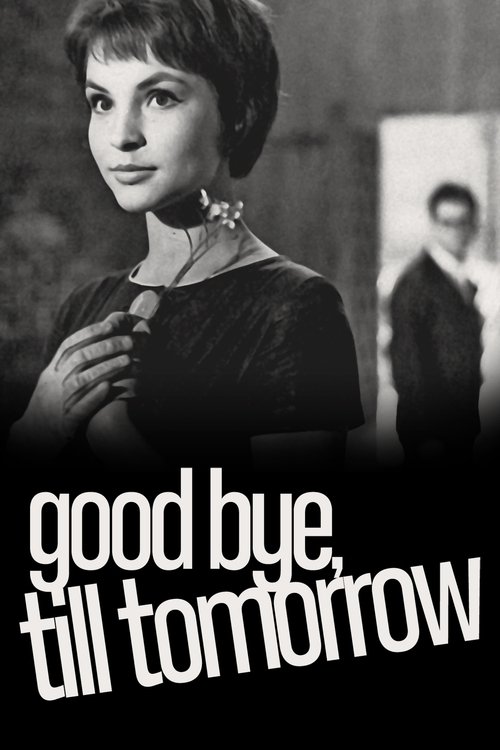
Jacek is a handsome, charming young Pole who belongs to a drama company. One day, in the streets of Gdansk, he meets Marguerite, a beautiful, charming French girl. He falls for her but the young lady is whimsical...
Good Bye, Till Tomorrow
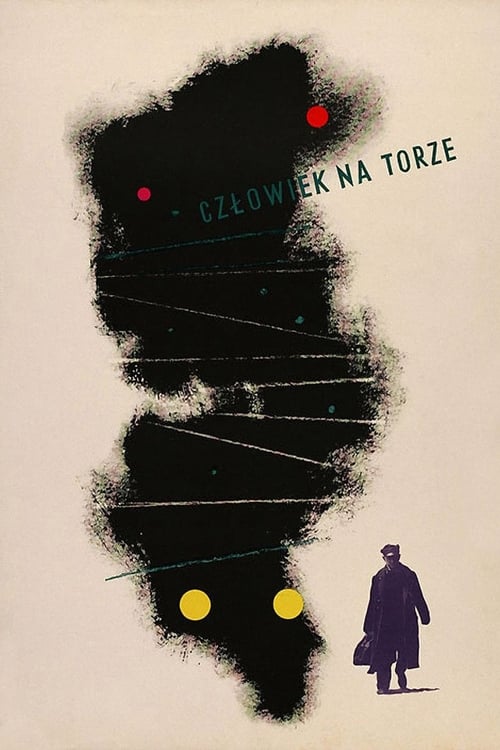
One night in 1950 a passenger train runs over a man, who turns out to be the veteran train engineer Władysław Orzechowski, knows for his old ways and stern demeanor. As the inquiry panel tries to deduce why would a man like Orzechowski jump in front of a moving train several of the people involved in the case are interrogated, each telling their own version of the story. Can the panel arrive at the truth in a world where workers unite, inferior coal is a badge of honor, and the old order is suspect?
Man on the Tracks
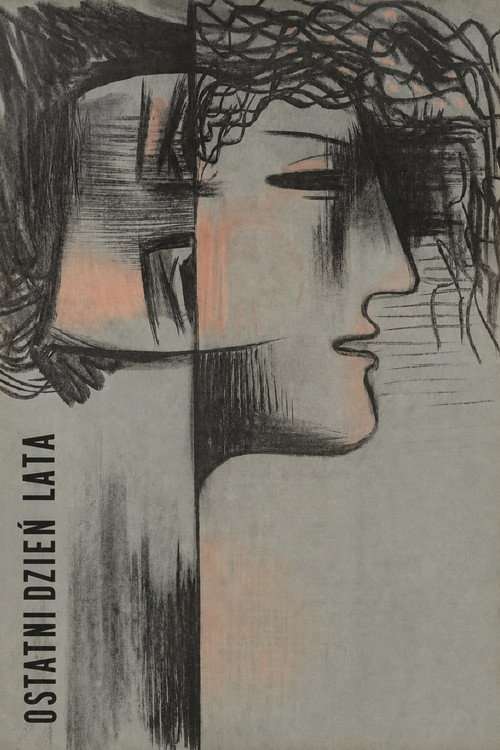
A subtle tale of a confrontation between two lonely people, one from which true understanding cannot seemingly result.
The Last Day of Summer
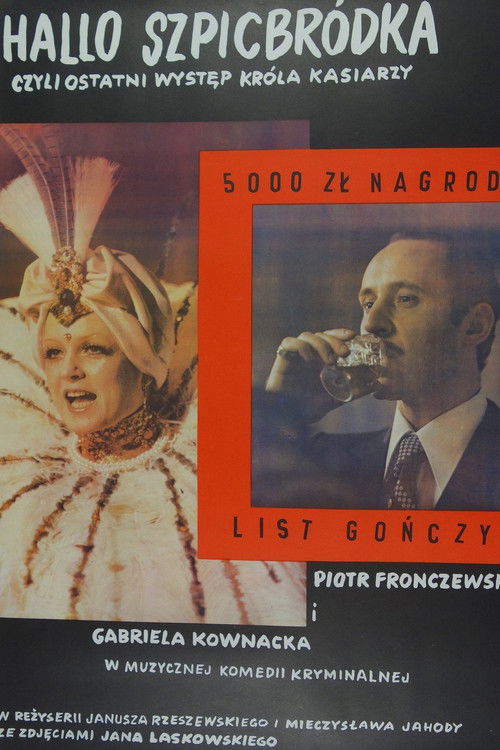
The revue theater "Red Mill" is in crisis, the owner has no money to pay the salaries of the employees. When the bailiff hands the director an order to seize the theater's assets, an elegant gentleman engineer Fred Kampinos unexpectedly appears and offers his help.
Hello, Fred the Beard
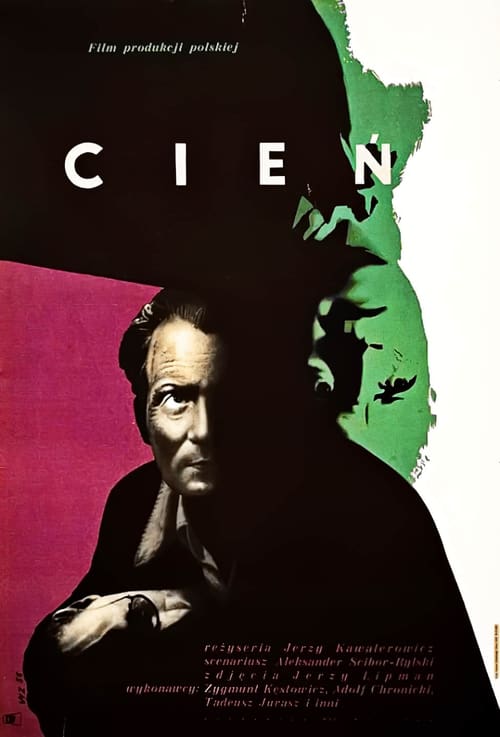
A man has been found dead after having been hurled from a train. As security agents, police and a medical examiner piece together his identity, three accounts emerge: one set during World War II, one in the immediate aftermath of the war, and one in contemporary Poland.
Shadow
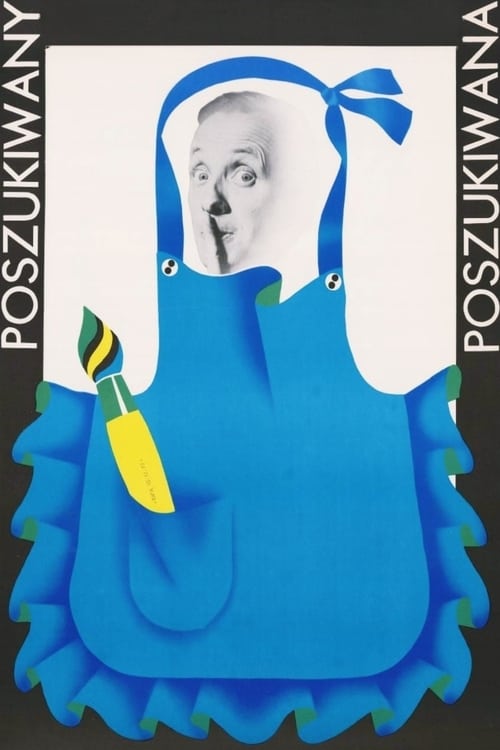
Stanisław Maria Rochowicz, a bumbling art historian, is falsely accused of stealing a painting. The alleged thief faces five years in prison. Desperate, he decides to hide in disguise as a woman until he can paint a copy of the stolen canvas. Lacking means to live, he takes jobs as a maid for a variety of colorful characters.
Man - Woman Wanted
The sight of a wounded neighbor causes anxiety in a young man.
Tell-Tale Hearts
A young man gets stuck in an elevator just as it passes the 13th floor.
13 piętro

Professionally active, childless, married woman loses her father during a business trip. With an overwhelming sense of transience and the fear of death, she doubts her attachment to her husband. It turns out that in marriage, too, he only plays his part, with greater or lesser conviction.
The Game
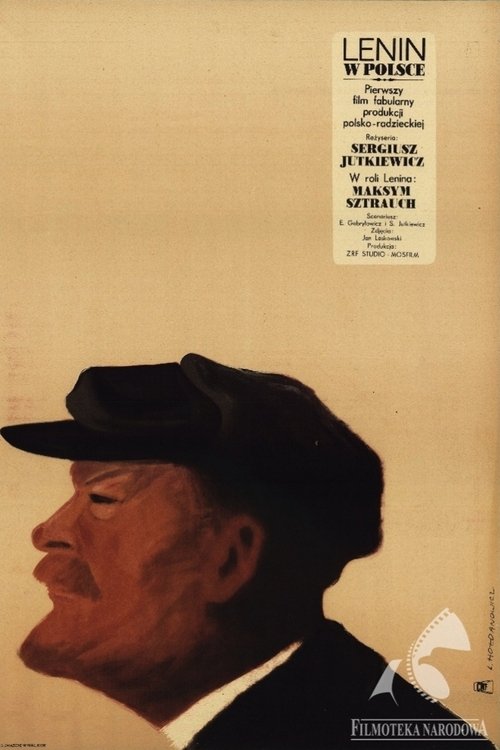
The life of the great Bolshevik leader before the Russian revolution is chronicled in this bio-pic. Much of the tale centers on his exile in Poland where Lenin becomes friends with two peasants. The little girl has a strong belief in the nationalist cause. Later Lenin hears she was killed for withholding information about him.
Lenin in Poland
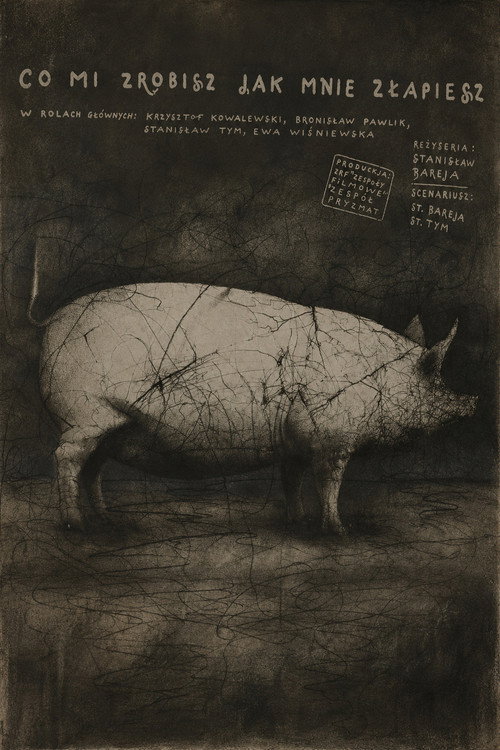
Tadeusz Krzakoski, the director of a failing state-owned company, is married with problems. His mistress, the daughter of a Communist party bigwig, says she's pregnant and Tadeusz knows he'll have to marry her to save his reputation and his job. But divorce is never simple and Bareja's screwball comedies are never boring.
What Will You Do When You Catch Me?

The horse Karino is born during winter and when his mother dies, a young woman starts to care for the helpless foal. Their adventures together are followed during the years to come, from the age of a newborn to the time when Karino's a full-grown competition horse.
Karino
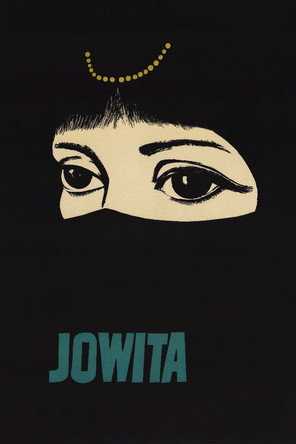
Marek is a promising athlete having his share of affairs with women. One day at masquerade ball he meets a an enigmatic Jowita and becomes obsessed with her, even when he finds seemingly true love in Agnieszka.
Jowita
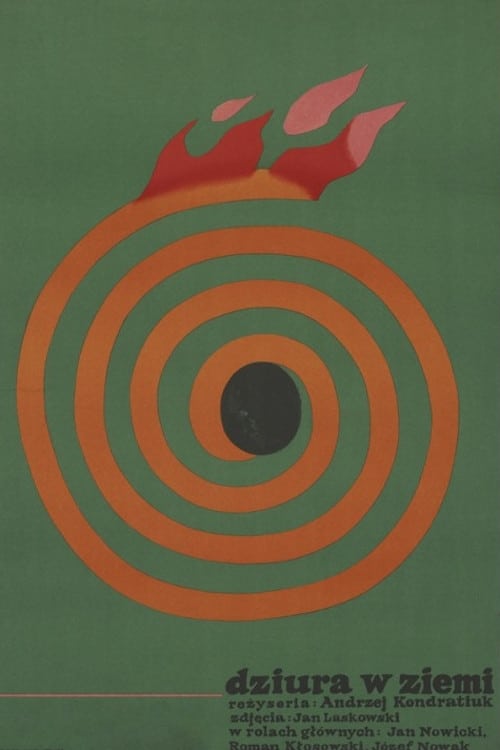
An ambitious, enthusiastic young geologist is entangled in bureaucratic red tape when he tries to drill for oil. Frustrated with the situation, he torches an abandoned mill, ignores his girlfriend, and fights with his friends who do not share his exuberance about the project.
A Hole in the Ground
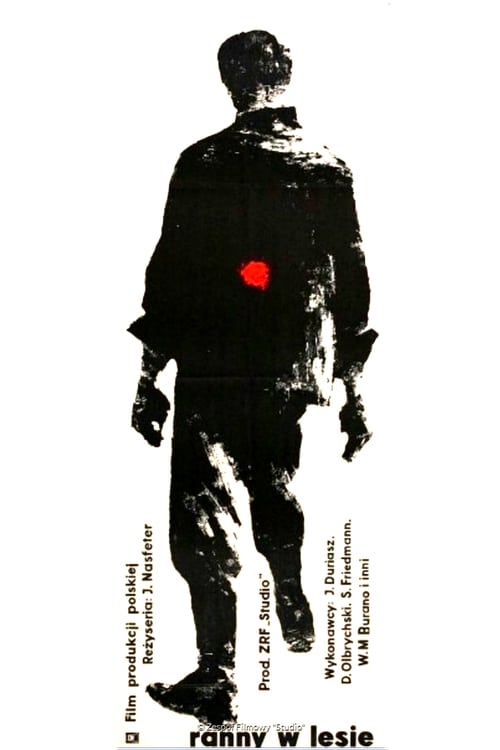
While hiding from the Germans in the forest, young Polish corporal tries hard to fulfill his order to take care of a wounded lieutenant and wait for the doctor and transportation to come.