
John Dickinson
Directing
Biography
Argentine/British born in Buenos Aires, 1946. B.A. in History from Harvard College, 1967, magna cum laude, film studies/workshops at Swedish Film Institute, AFI, and Cal Arts. He has worked in film since 1970, as cameraperson/lighting cameraperson, soundman, and director. In the 1970s he left Argentina and settled in Venezuela, directing documentaries like The Cumaná Devil, Country Painter, and The Mandolin King, which received a total of 24 awards in Venezuela, Germany and France. Dickinson also made the feature documentary Ajishama, and produced and directed two fiction features in Venezuela, Blows and Boleros, (Channel 4 London, Foncine), and The Crystal Ship (Dickinson/Foncine). In 2004 he moved back to Argentina, and since then has produced and directed several fiction features, Splitting Atoms (2006), Destiny Foretold (2013), and Dolores (2016- Argentina/Brazil coproduction, INCAA/ANCINE), as well as the feature documentary Station Day in 2011, and the documentary television special Breaking the Cycle (England, 2014). In 2018 he produced/directed the documentary feature Fireland Dogs (Tierra del Fuego). He is currently working on a documentary feature about nature conservation, to be shot in Patagonia.
Known For

The Jerry Springer Show is a syndicated television tabloid talk show hosted by Jerry Springer, a former politician, broadcast in the United States and other countries. It is videotaped at the Stamford Media Center in Stamford, Connecticut and is distributed by NBC Universal Television Distribution, although it is not currently broadcast on any NBC-owned stations.
The Jerry Springer Show
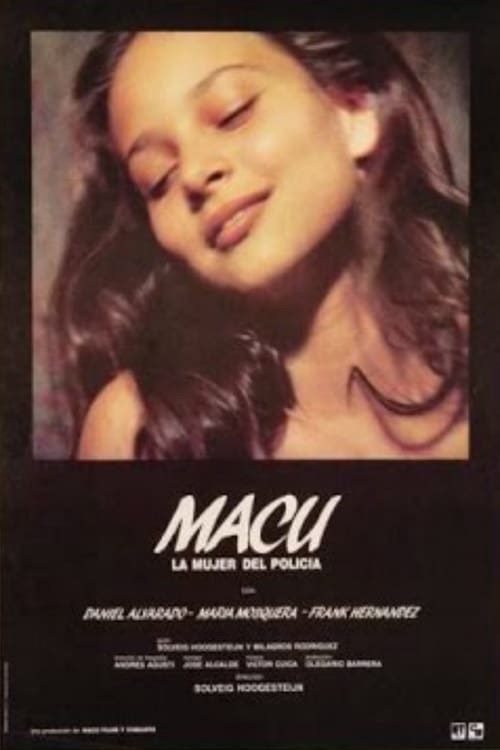
Directed by Solveig Hoogesteijn, Macu, the Policeman's Woman (1987) is a Venezuelan crime drama based on a true story. The film follows Macu, a young woman living in a Venezuelan shantytown, who becomes romantically involved with a local policeman named Ismael. As their relationship develops, Ismael's jealousy intensifies, leading to tragic consequences. The narrative delves into themes of power, control, and the dynamics of abusive relationships within marginalized communities. The film is notable for its exploration of gender roles and societal issues in Latin America.
Macu, la mujer del policía

The affable, towheaded comic demonstrates his hysterical brand of self-effacing comedy and deadpan delivery at two sold-out shows at Chicago's Vic Theater. It's OK to laugh at this pale white guy...'cause nobody's laughing at Jim Gaffigan harder than Jim Gaffigan!
Jim Gaffigan: Beyond the Pale
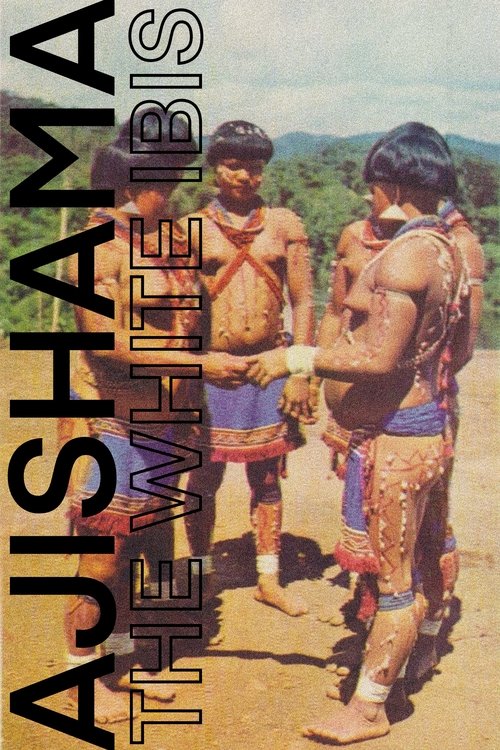
Shot in Venezuela over a 30-year period, this documentary depicts the life and work of José Maria Korta, the controversial Jesuit Missionary with the Ye'kwana people of the Amazon.
Ajishama, The White Ibis
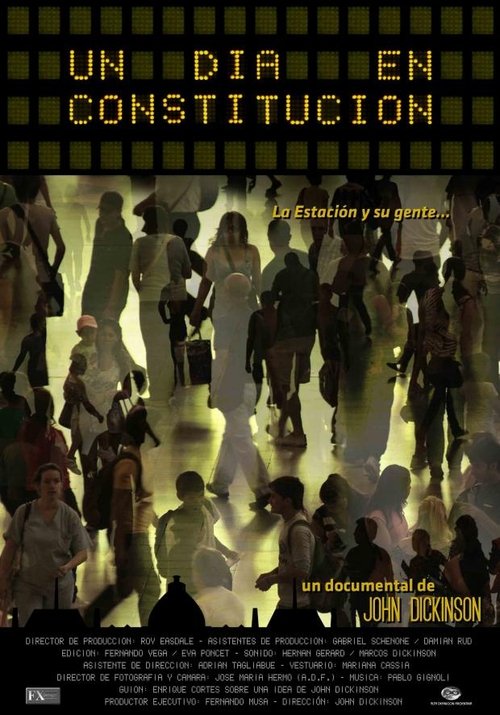
Documentary that attempts to establish a portrait of the variable -and at times immeasurable- collective of Constitución Station. Vendors, train drivers, officials, the needy, opportunists and untimely offer a framework that is in daily tension between those who live the space as a threshold to other realities and those who live it as their living space. The film sets out to recover these small stories from a perspective as meticulous as it is distant, to observe each of these tenuous events as an impartial, silent and almost impressionistic spectator in order to obtain from this zero sum, the general portrait of a world.
A day in Constitución
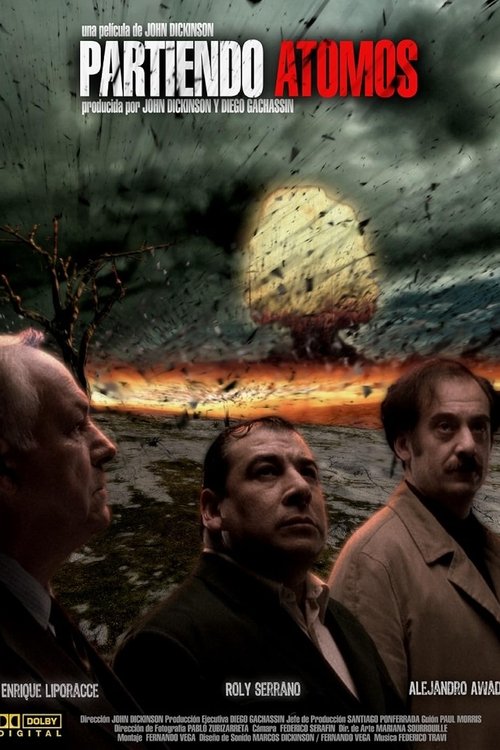
No description available.
Partiendo átomos
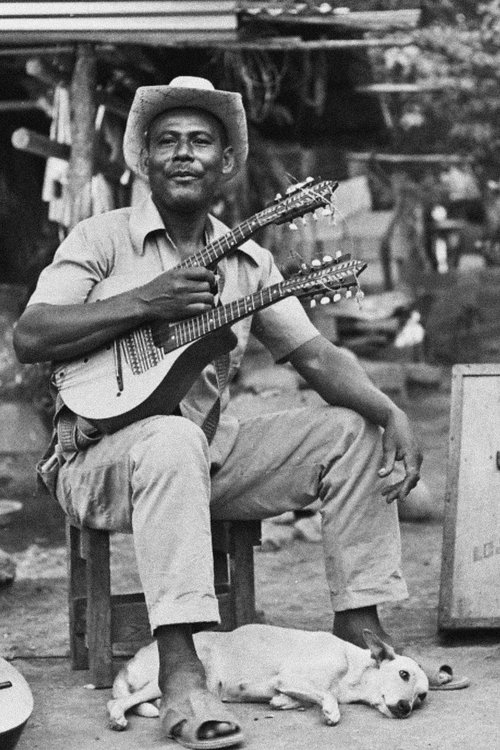
Cruz Quinal, "the mandolin king," lives near Cumana in a mountain valley surrounded by sugarcane fields. Perpetuating 16th century Spanish traditions of guitar-making, Cruz fashions such musical instruments as cuatros, marimba, escarpandola, and his own creation, a mandolin with two fretboards. He is an accomplished musician as well. In this moving portrait, Cruz compares himself to a decaying colonial church across the street: revered yet neglected, the village altar stands, paint peeling, under the open sky.
El rey del bandolín

Octavio Izaga, a prestigious lawyer, middle-aged, single and childless, descendant of a prosperous family from Zulia, is the target of anonymous threats accompanied by failed attempts to assassinate him.
La muerte insiste
No description available.
Si j'te cherche... j'me trouve
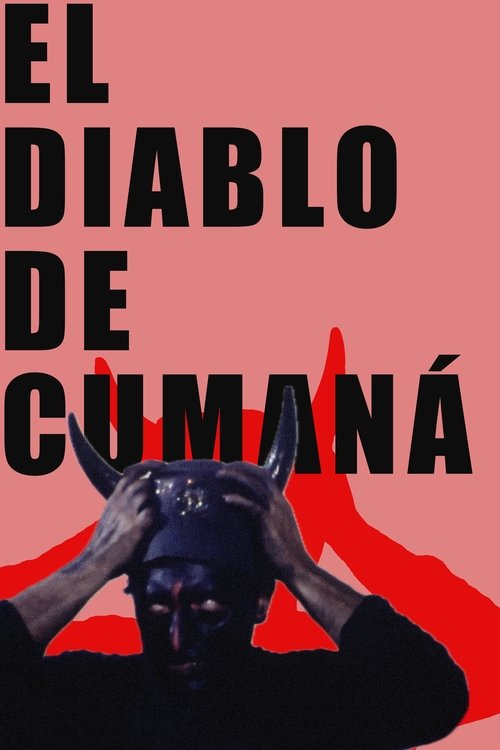
Venezuelan documentary that centers on Luis del Valle Hurtado, an artist from Cumaná, one of the first European settlements in the Americas, who, for over three decades, has embodied the Diablo de Cumaná (Cumaná Devil) during annual festivities. Del Valle's performance is a fusion of Indigenous, Spanish, and African influences, where he transforms into a drumming, dancing black Satan. His portrayal draws inspiration from various sources, including the myth of Saint Michael the Archangel, the behavior of cats—animals often linked to witchcraft—and his own dreams, creating a unique and personal interpretation of the devil. Through this ritualistic dance, the documentary delves into themes of cultural syncretism, identity, and the enduring power of traditional expressions in Venezuela.
The Cumaná Devil

Cleto Rojas, a peasant painter in Venezuela, discusses his artwork. From movies and Roman mythology to his own dreams and scenes of rural life, Rojas takes inspiration from all sources and transforms the world around him into fantastic visions. He teaches village children his technique of using house-paint on canvas, as his wife goes about her own housework, singing slowly. The painter is bemused by the attention of anthropologists and art critics, and he talks about the pitfalls of attention. He remembers traveling to Caracas as a young man to meet famous painters and being disappointed in them. His ambitions are more focused on the content of his work - Rojas wishes he could envision and paint one of Venezuela's heroes, Simon Boilvar, as he really was, as no accurate representations exist now. Without looking for fame, he continues painting all kinds of images as he sees them.