Art
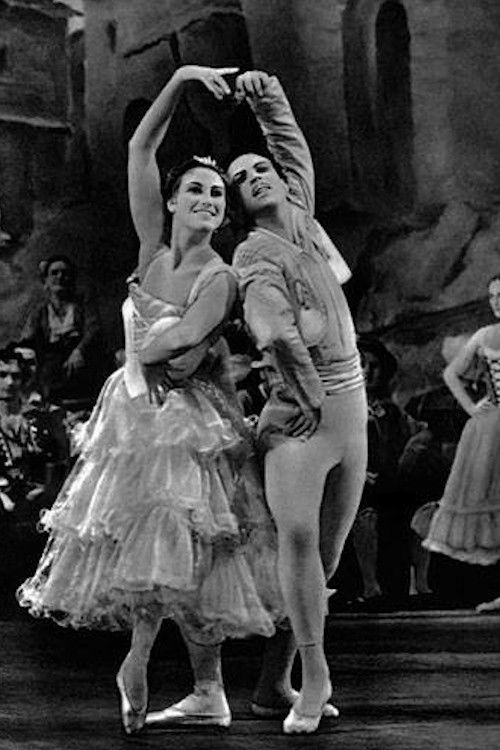
A filmed choreodrama that played an important role in the Georgian and Soviet contemporary ballet scene. In a Spanish village oppressed by a tyrannical Commander, a defiant young woman inspires the people to rise up, transforming personal resistance into a collective revolt for dignity and freedom.
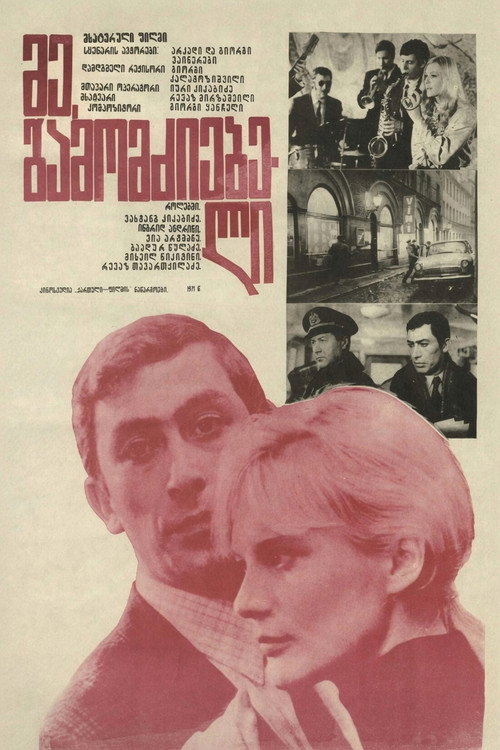
A seriously injured young man was found on a Georgian military road. Investigator Georgy Mikeladze finds out that the victim - the navigator of the Tallinn Shipping Company - was rolling in his new Volga on vacation days. The investigator goes to the criminal and, having connected employees of the Riga criminal investigation department to the case, arrests the robber.
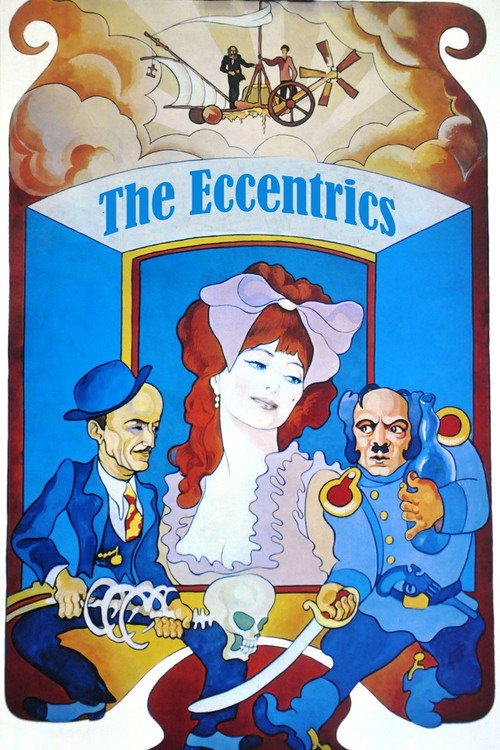
Ertaoz travels to the city with the intent to sell a chicken and pay off his father's debts. Upon arrival, he falls for the beautiful Margalita and decides to help her dispose of her ex-lover's body. However, at the cemetery, the lover–a policeman–unexpectedly regains consciousness and arrests Ertaoz and the chicken. Ertaoz is sentenced to ten years, while the bird receives seven. In prison, they meet an inventor who has built a flying machine that runs not on fuel but the power of love.
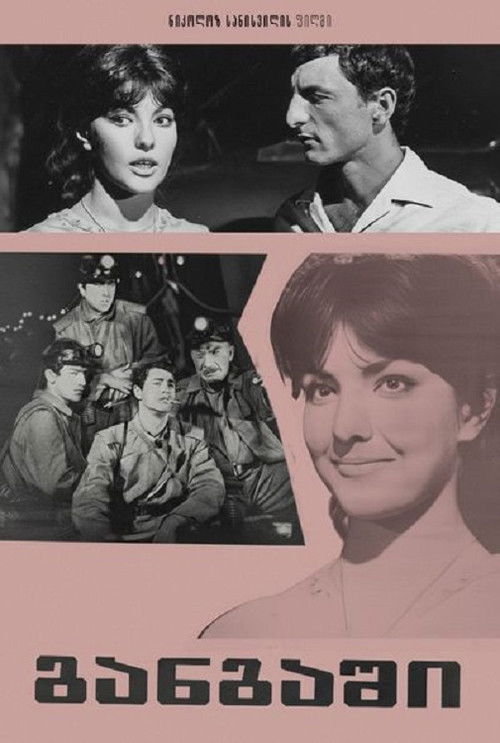
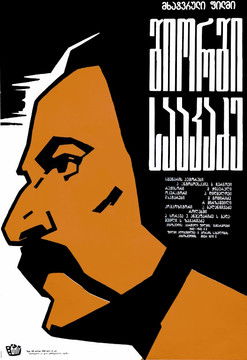
After finishing school, three friends go to Chiatura for work. Two of them start working in a black stone mine, and the third, Bondo, works as a driver in a lumber yard. Friends' paths divide here. With the advice of the warehouse manager, Bondo gets used to easy income and does not shy away from dark affairs.
The film tells about the struggle of the Georgian people under the leadership of the great commander George Saakadze for a centralized state.
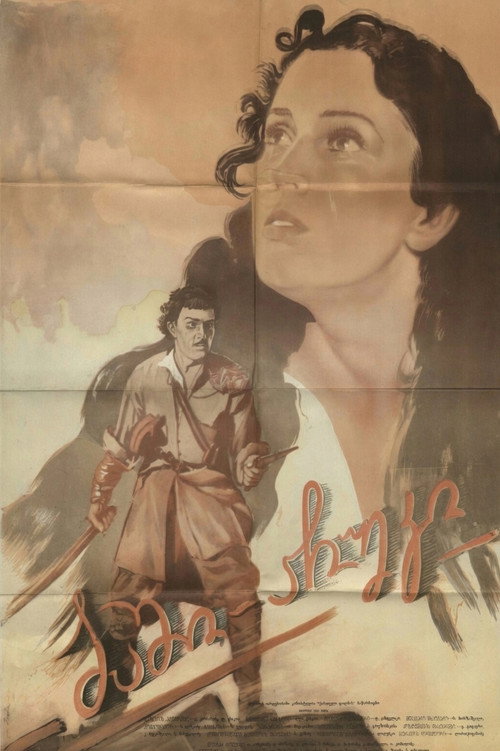
The 17th century rebellion in Kakheti masterminded by Bidzina Cholokashvili gets about the whole Georgia. An Imeretian youth nicknamed as Bashi-Achuk is a real exterminator of the Persians. He attacks the Persian escort and sets free the Georgian women who were supposed to be locked up in the Shah’s harem. Bashi-Achuk’s twin sisters are among the rescued captives. Abdushahil, a Persian warrior who was defeated by Bashi-Achuk in wrestling, falls in love with Mzisa, Bashi-achuk’s sister. Mzisa brings Abdushahil to the camp of the Georgian rebels. Abdushahil learns that he is a Georgian too. As a child he was kidnapped and brought up in Persia. Abdushahil’s army gives up and the Georgians win the battle.
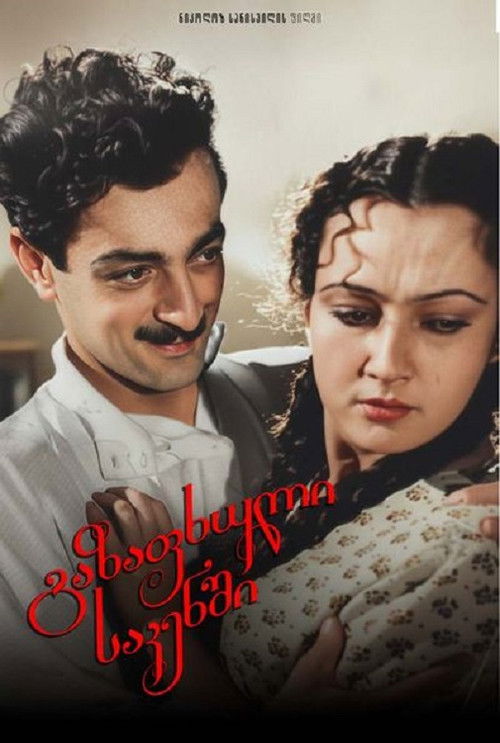
Marita arrives at a small village in Georgia to live with her aunt. She meets a poor young lad, Gedia, and falls in love with him. But her relatives are determined to marry the girl off to a local rich man…
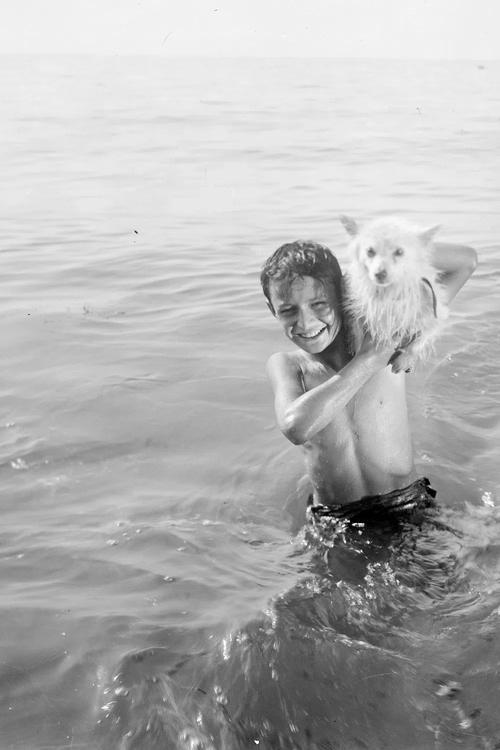
Loosely based on Aleksandr Kuprin's short story "The White Poodle".
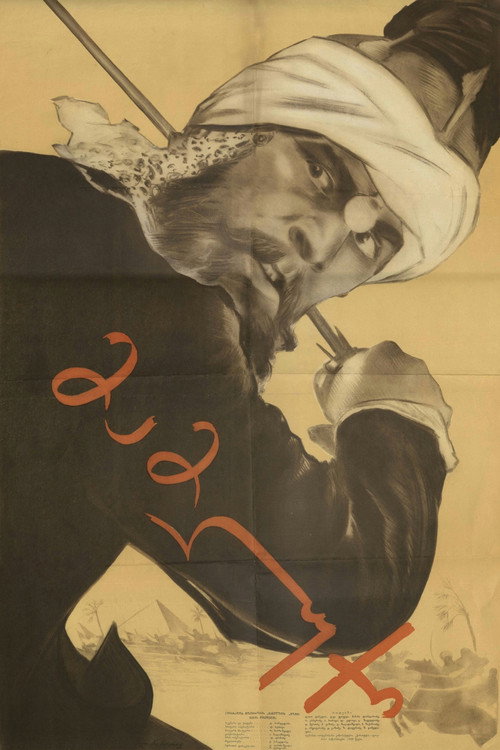
In Arabic, “mameluke” means a white slave, a prisoner. In Egypt, this name was given to prisoners of war who had been sold into slavery from Georgia and other countries of the Caucasus. The action of this drama starts in Georgia in the late 18th century. Two friends are abducted and sold into slavery. One ends up in Egypt, the other - in Venice. Years later, they meet by the ancient pyramids, in the desert where a battle is going on between the armies of Bonaparte and Ali-bey, the ruler of Egypt. In a combat with a French officer, the Mameluke injures him. Falling from his horse onto the sand, the officer exclaims in Georgian: “Vai, nana!” (“Oh, mother!”). And the Mameluke recognizes in him a mate of his childhood games.
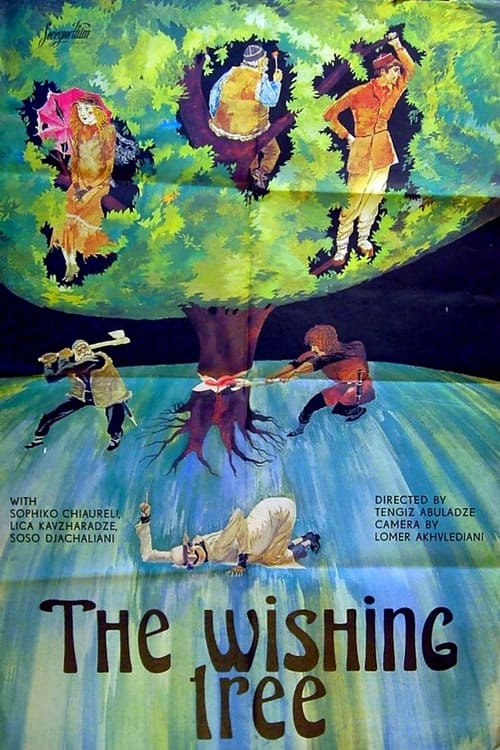
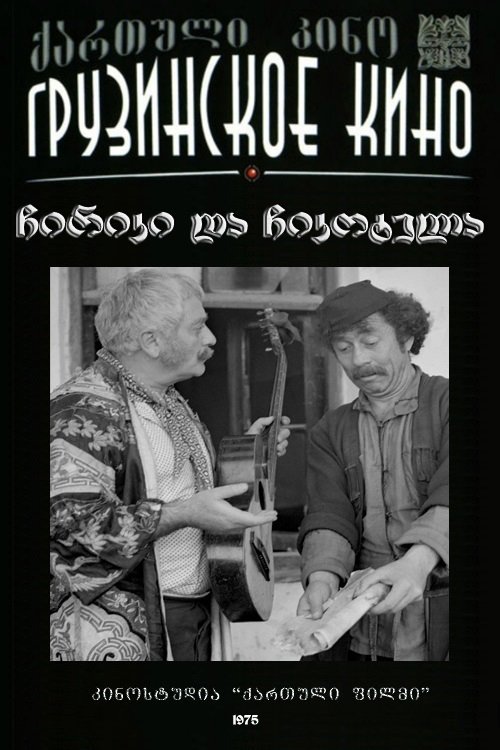
Chiriki and Chikotela are neighbors who have an endless dispute over a small piece of land. Neighbors will eventually reconcile when their children fall in love with each other.
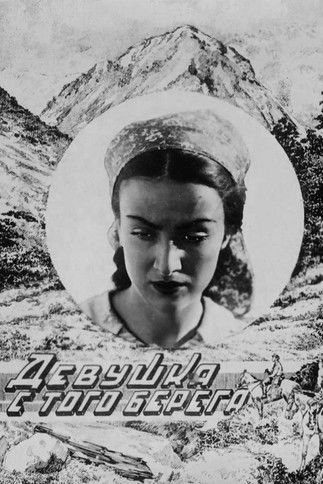
A mountain river divides the village of Soviet Georgia and Turkey. A young border guard, Temur, notices that his daughter on the other side has fallen off a wooden bridge and into the river. Temur immediately jumps into the water and saves his daughter. Fatman is haunted by the entire village, the border guards. He now sees Soviet life with different eyes, but is forced to surrender to the Turkish authorities and return home. But Kolishvili's newly acquired friends and the days spent with them are deeply imprinted in his mind.
Dreaming of creating a Czech musical theater, not recognized in his homeland, Josef Navratil, under the pseudonym of Iosif Ratili, one day comes on tour to Georgia.
The film depicts the life of a Georgian village after the Second World War. Kesou Mirba, appointed as a brigadier in Saken, wants to get a bountiful harvest of corn on the scarce land of the highland village, he is sure that valuable mineral fertilizer will be found there. Kesou's plans are opposed by farmers who do not want to change their old way of life. One of them will replace the soil samples to be sent to the laboratory.
The film tells the story of a little pony, Raru, who is rescued from danger by a little girl, Eli.
The film's protagonists are children. The film depicts the aspirations of adolescents to achieve their goals, the formation of character and personality, and the struggle for self-determination.
A young female film director Nino is shooting her first film, it will be about Tusheti. However, everything is not easy for Nino: the death of his mother, a serious love disappointment, and the usual everyday adversities. Interest and support are only in creativity.
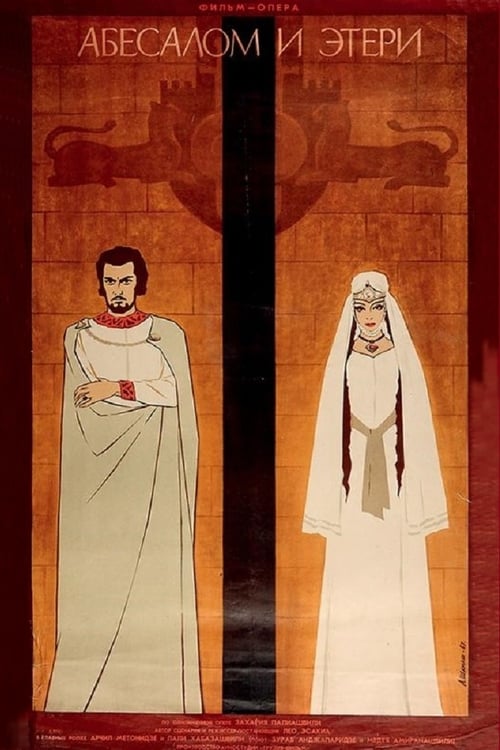
Prince Abesalom runs into an orphaned Eteri while hunting, falls for her and brings the woman to his palace as his fiancé. The Prince’s aid Murman loses his self-control at Eteri’s beauty and gives her a spelled necklace as a wedding gift. Eteri contracts a mysterious disease that only Murman is capable to heal.
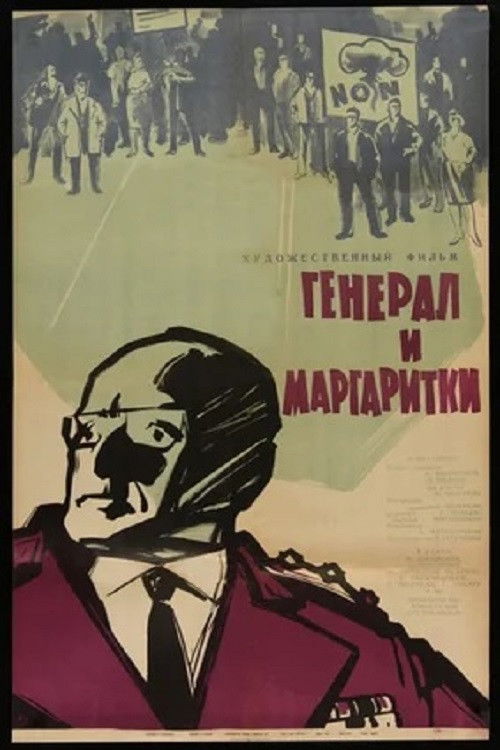
A simple Polish man, Władek Lekowski, a former pilot, finds himself in exile after World War II due to a ridiculous accident. Poor and without a job or shelter, he sleeps on the beach. There, he meets and falls in love with Zosia, another Polish emigrant. Determined to get Zosia out of the bar where she works, performing “a little acrobatics and a little undressing,” Władek embarks on a mysterious mission as part of an airplane crew. During the flight, it becomes clear that he has fallen into the hands of militarists and the plane is supposed to drop a bomb on the Soviet Union. Realising that the fate of World War III now rests in his hands, Władek is forced to confront his own actions and the consequences of his choices.
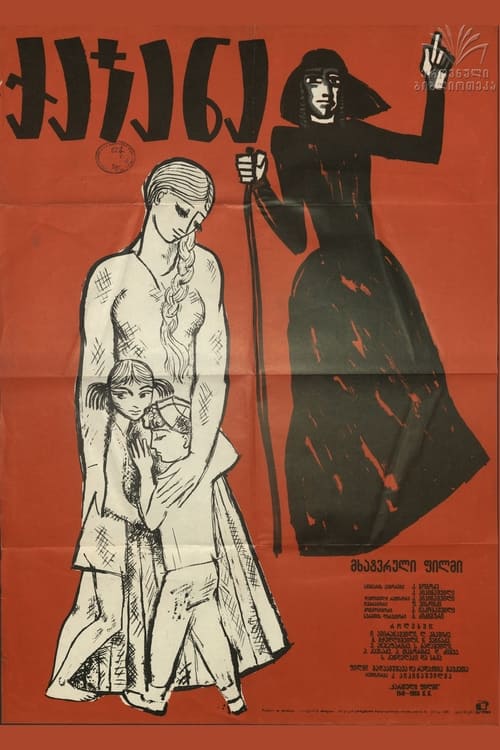
Local baron decides to take poor Kikola’s land and orders a local witch Babale to persuade Kikola’s wife that non-compliance will bring suffering to their children Kato and Kajana. On the day of the Bonfire, Kato plays a wicked trick on her brother by dressing up as an evil imp. The shock makes Kajana dumb. The parents take him to a distant village where he has to "meet the miraculous icon" in hope of recovery.
A pair of short ballets, written for the screen, filmed and performed by artists of the Georgian SSR. In color, with narration.