Writing
No description available.
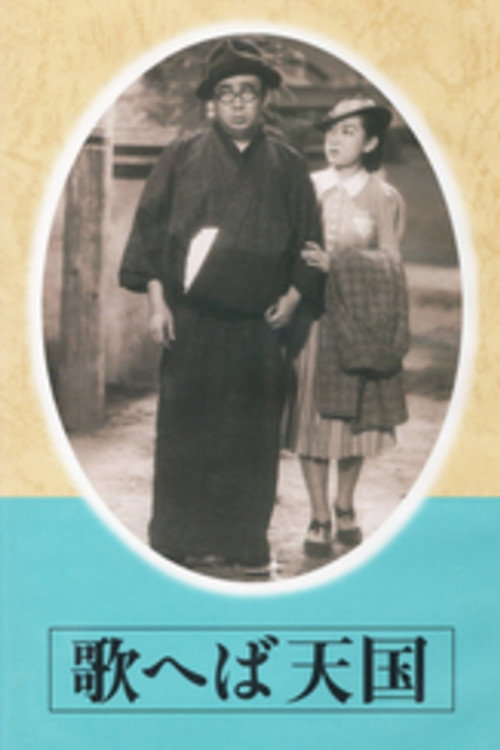
Adaptation of Nobuko Yoshiya’s story.
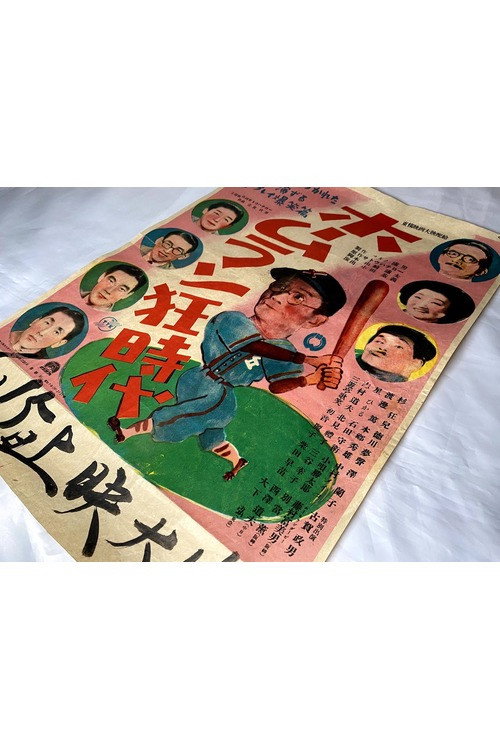
Baseball comedy.
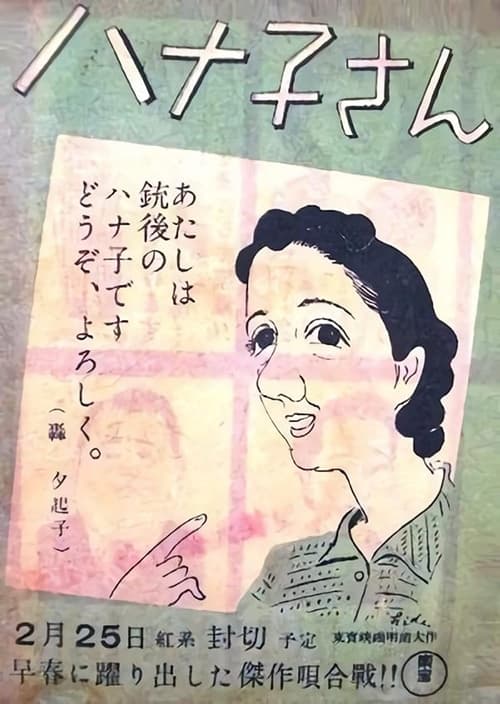
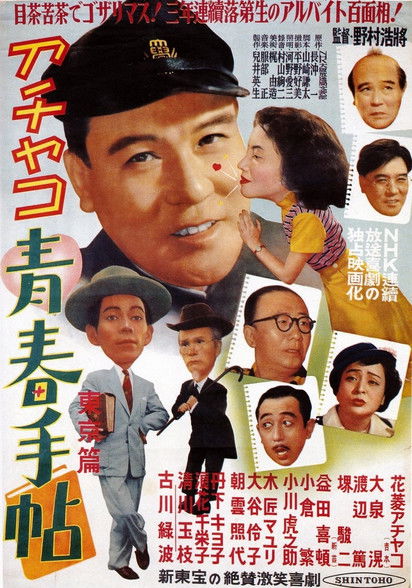
Hanakosan (1943, TOHO, MAKINO Masahiro), a thoroughly light and joyful musical comedy, influenced by Busby Berkeley films, against the national policy under the wartime, was made into a film from comic serials by SUGIURA Yukio published in a magazine.
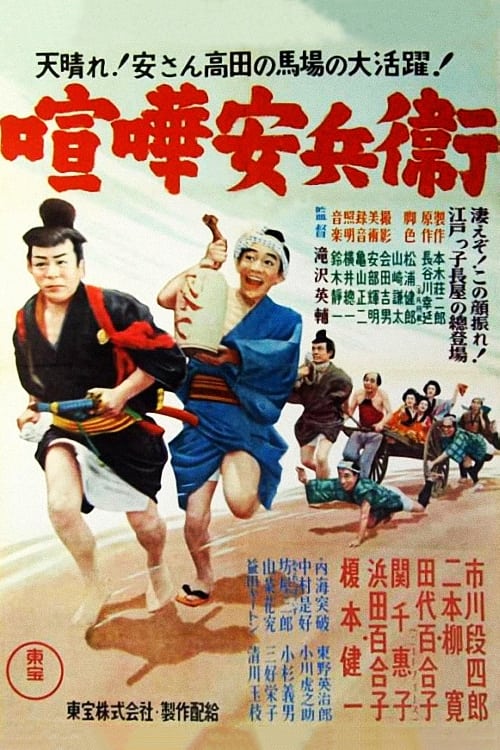
Yasube Nakayama left the clan and lives in Edo. One day, Yasubei visits his uncle Rokuroemon Kanno to borrow money from a moneylender in the amount of 13 ryo in order to save Oteru, the daughter of a merchant. However, the next day, Rokuroemon was killed in a fight by the Murakami brothers. Yasubei rushed to the scene, took revenge and became the husband of Miya, the daughter of Horibe Yahei.
Adaptation of Nobuko Yoshiya's story.
A 1944 propaganda film that depicts the fictionalised career of IJAAF pilot Tateo Kato, who led the 64th Sentai during the early months of the Pacific War. The film has scenes featuring Ki-43 fighters escorting Ki-21 bombers to attack Rangoon, where they are attacked by P-40 Warhawk and Brewster Buffalo fighters.
A film adaptation of Nobuko Yoshiya’s popular novel.
A 1943 film.
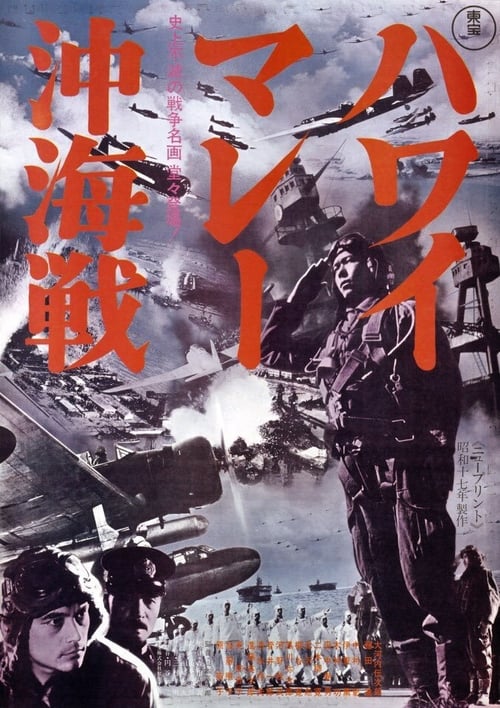
Japanese Navy air cadets train for the attacks on Pearl Harbor and the HMS Prince of Wales.
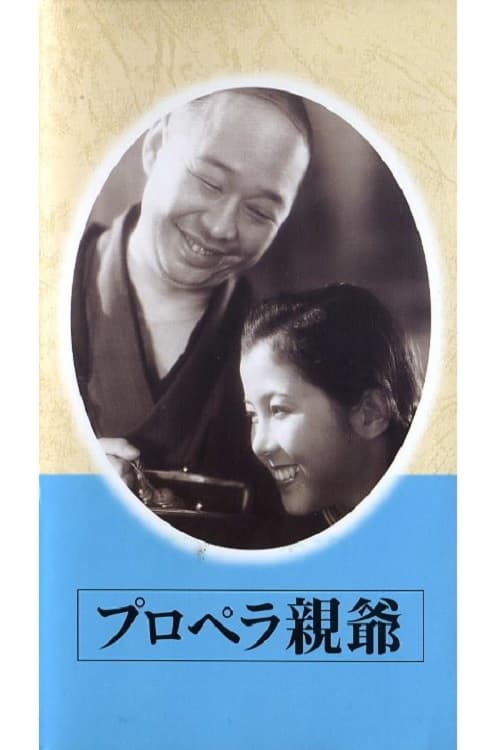
The Old Man of the Propeller can be seen as a comedic amalgam of “King Lear” and “Christmas Carol”. A neighborhood loan shark is hounded by his relatives expecting big inheritance. But he is not giving any favor to anyone. His only joy of life is to go on junk hunt in the neighborhood, collecting garbages and scraps and selling them to junkmen to make profit.
Director Watanabe Kunio The first talkie film by Tamagawa Studio Starring Sugi Kyoji as Hosoi Ichikawa Haruyo as Kinuko Hoshi Reiko as Mitsuko Matsumoto Shutaro as boy of liquor shop Uemura Setsuko as landlord widow Kitahara Natsue as hysteric wife Oosaki Kenji as her husband Matsudaira Akira as singer at next door Hanano Kuniko as maid Kawagoe Ippei and Bando Mieshi as old couple Kanbe Hikaru as thief
Japanese comedy film.
A film by Tomotaka Tasaka.
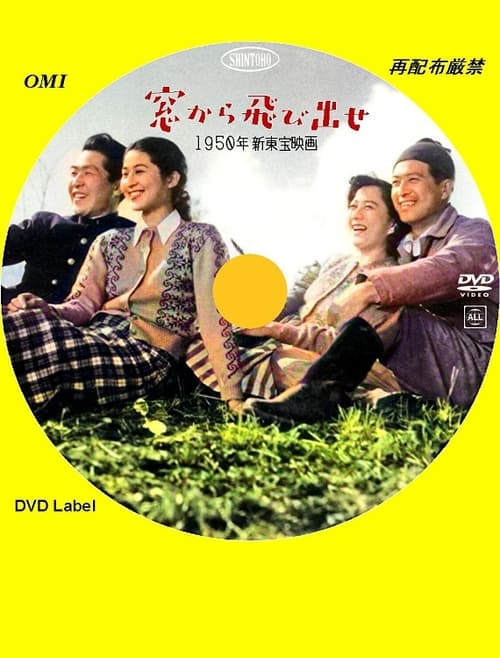
The movie "Jump Out of the Window" is a heartwarming work that depicts the interaction between two families. Shusuke Tokuyama (Den Obinata) runs an agricultural and livestock industry, and has his father Ritaro (Hiroshi Shiomi), younger brother Yuji (Keiju Kobayashi), wife Fujiko (Kiko Todoroki), and four children (three of whom are Obinata's sons). They lived in a large family of 8 people, including 2 children and 2 daughters. The Fujieda family next door is Chieko (Ayako Okamura), whose husband, a captain, died in a shipwreck at sea, her daughter Mariko (Kyoko Kagawa), and her son Michio (Oohinata's son), who has a leg disability and is undergoing rehabilitation. ) We were a family of three. Through the interaction between the Tokuyama family and the Fujieda family, the importance of family and the kindness of people are reflected on the screen.
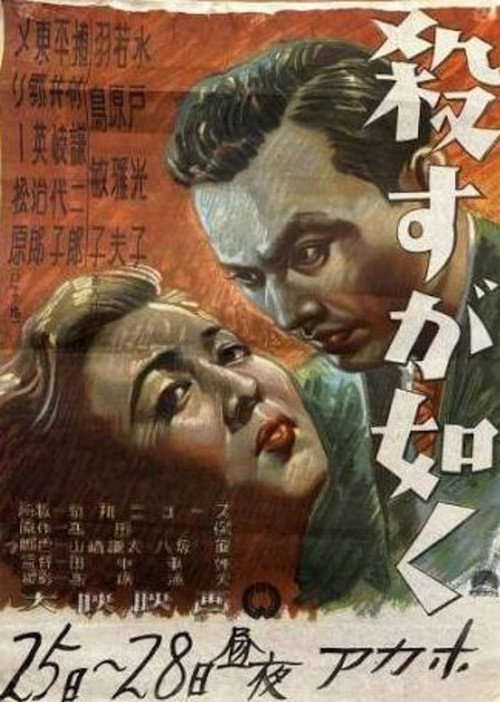
Not far from Yurakucho, on the riverbank, stands the Nishida Clinic, with signs advertising internal medicine, surgery, and gynecology. The examination room of the clinic’s director, Dr. Heizo Nishida, is frequented by mysterious women and black-marketeers. Toshio Shimamura, president of “Seiso Shinpo”, takes notice of this. Ayako Toda, who lost her parents during repatriation and was taken in by Shimamura is ordered to extort 50,000 yen from Nishida, but in the process meets his son Ippei.
The title might sound shocking, but the red hands mean, the hands which drag fishnets. Ohama, 15 or 16 years old girl lost her family and lived alone in a fishermen's village. She is a strong-minded girl and very popular among young children. I guess that this story is one of the origins of girl's manga in the 1950s in which I belonged to the first generation of Japanese story manga.
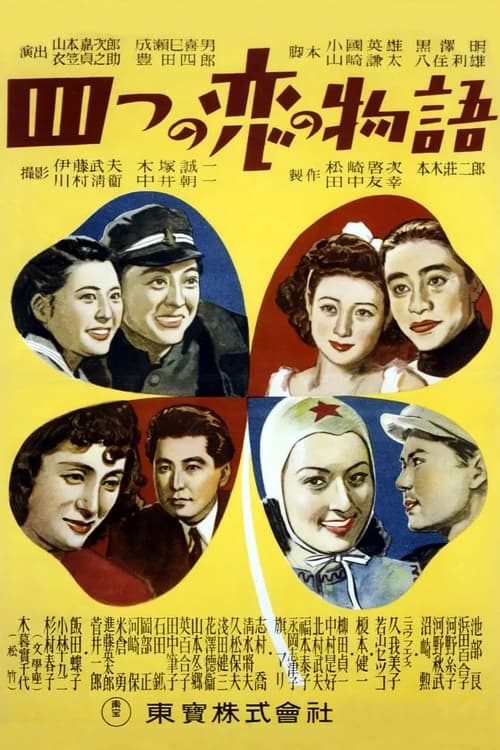
Omnibus of love stories from 1947 directed by famous directors, featuring big stars.