Acting
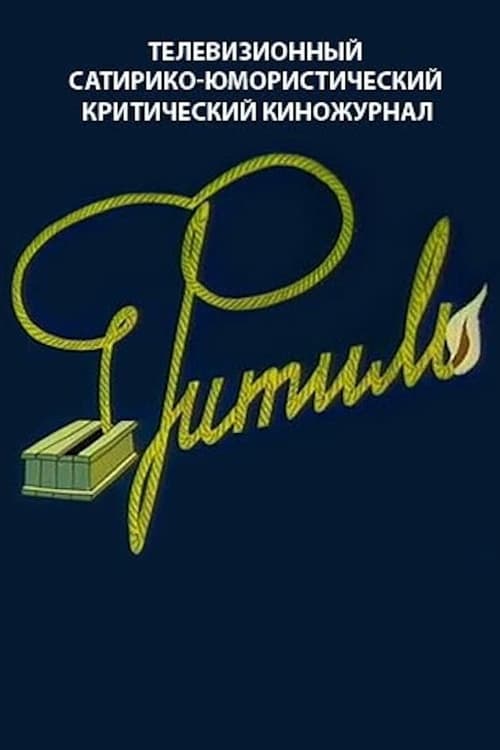
Fitil is a popular Soviet/Russian television satirical/comedy short film series which ran for about 500 episodes. Some of the episodes were aimed at children, and were called Фитилёк, Fitilyok, Little Fuse. Each issue contained from the few short segments: documentary, fictional and animated ones. Directed by various artists, including Leonid Gaidai who presented his famous trio of Nikulin, Vitsin and Morgunov into the cast. It was called in USSR as "the anecdotes from the Soviet government".
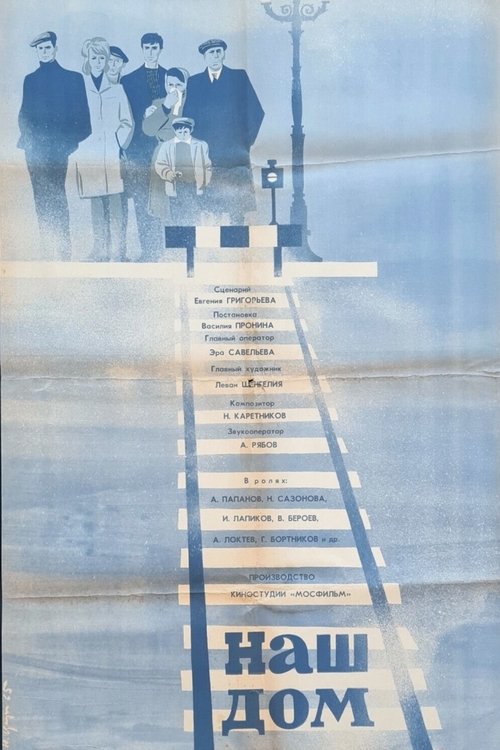
Svetlana, young pretty girl, works as a trolleybus driver in a small town and almost all her permanent passengers are at least a little bit in love with her.
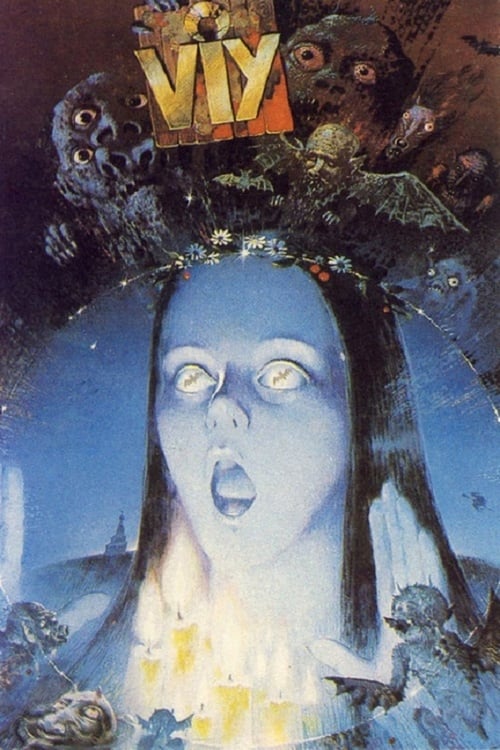
A seminary student on monastery holiday kills an old witch in a remote village. The hag then transforms into a beautiful young woman whose dying wish is for him to watch over her wake for three nights. With terrors occurring and his faith waning, he reads prayers on the overnight watch and tries to survive the supernatural encounters.
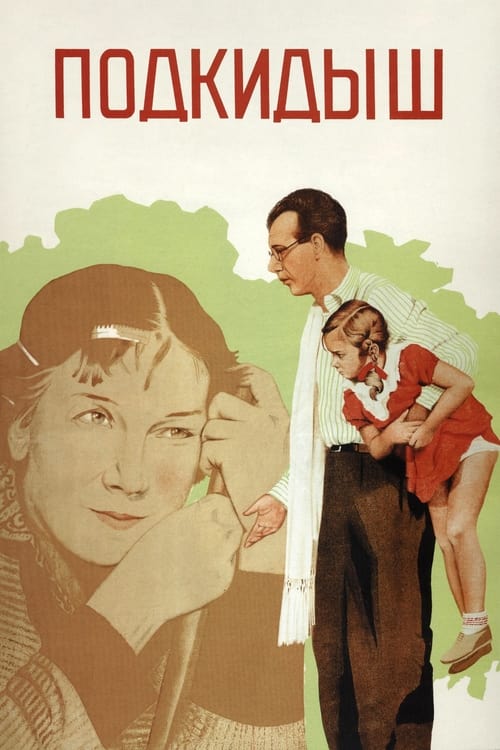
A little girl is lost in Moscow and hits the road making fun (not intentionally) of everybody she meets. She'll be back home soon but she will change the life of at least one man forever...
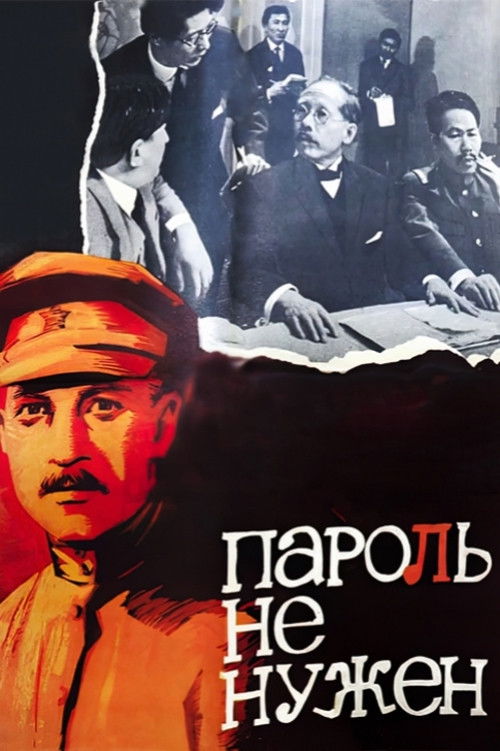
A spy game between Reds and Whites is in full motion during Russian Civil War.
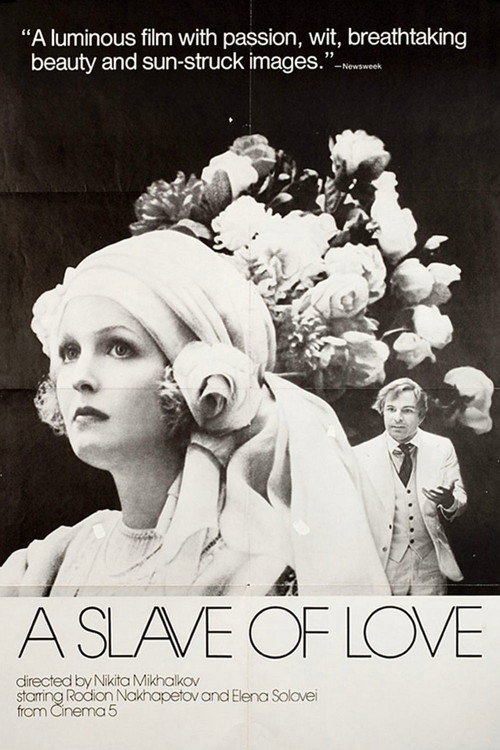
During the Russian Civil War, the production of a silent melodrama runs into numerous complications.
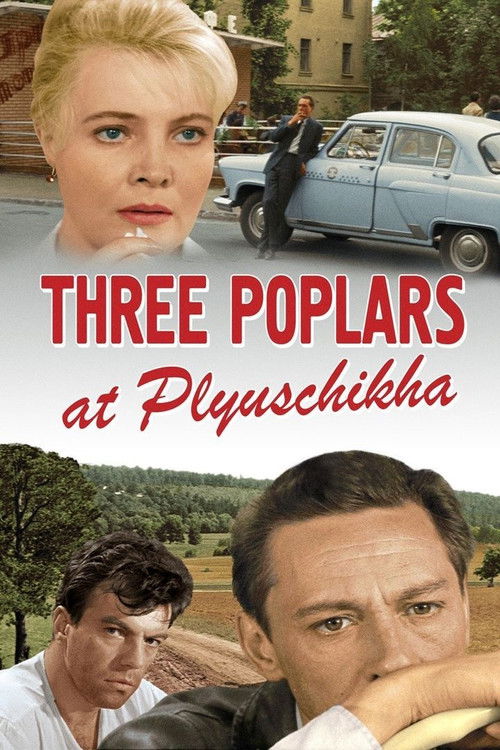
A married woman fresh from the countryside meets a charming cab driver on her first day in Moscow. They spend the day together and their fondness for each other grows...
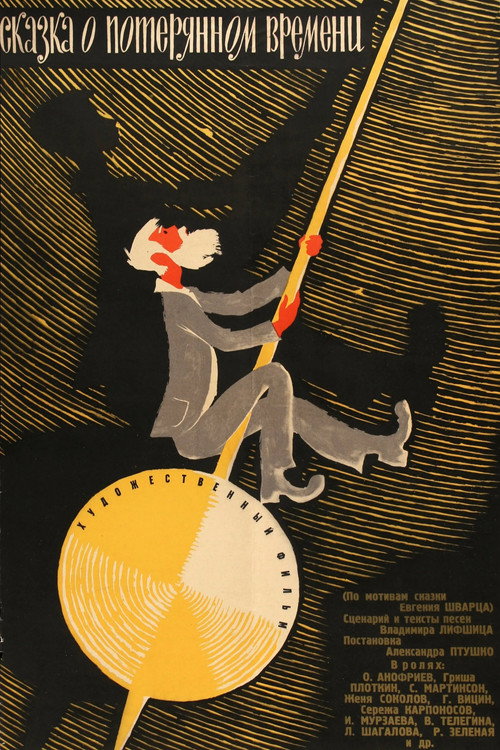
Four evil wizards succeeded to become young by using a time stolen from lazy kids. Now these kids who became seniors must act fast if they want to return to their real age.
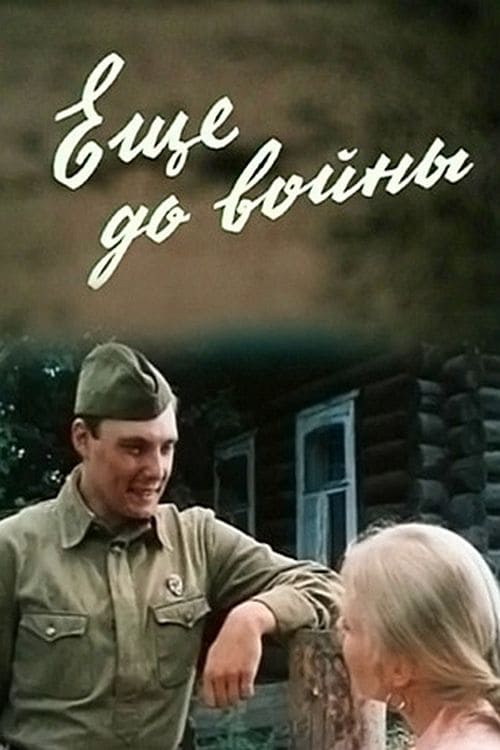
Anatoliy Trifonov returns home after army service. He meets Raya, chairman's niece, who falls in love, but life takes its own course.
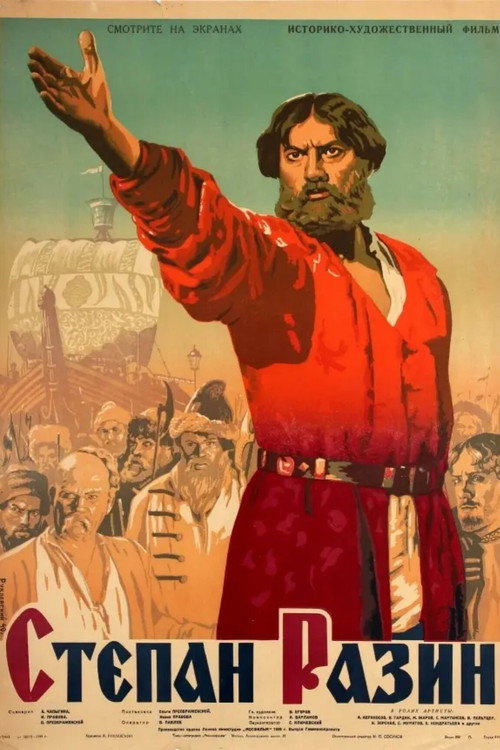
Don Cossack Stepan Razin vowed to take revenge on the boyars for his tortured friends. Having led the rebellious peasants, he becomes the leader of an entire army. Humiliated and insulted people flock to him from all over the Russian land.
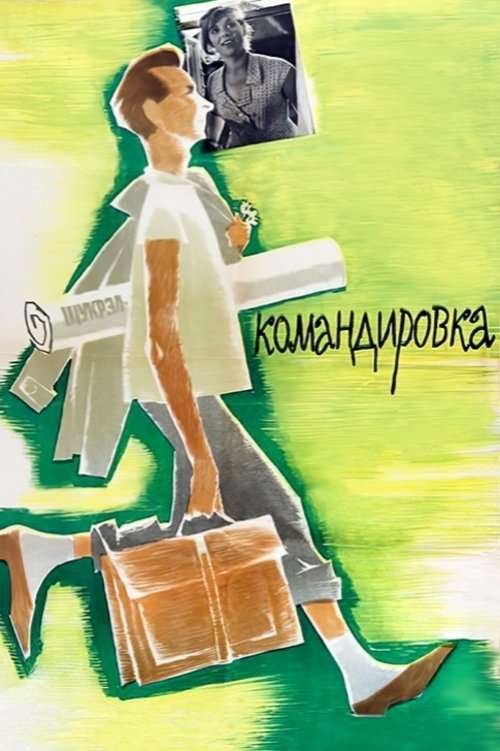
Agricultural machinery design engineer Mikhail Shcherbakov goes to the countryside instead of taking a vacation. The tractor designed by him does not work in one of the collective farms. Circumstances force him to stay much longer than he expected. Here he meets Klava, who works in the apiary. And far from being on official business, the engineer remains on the collective farm.
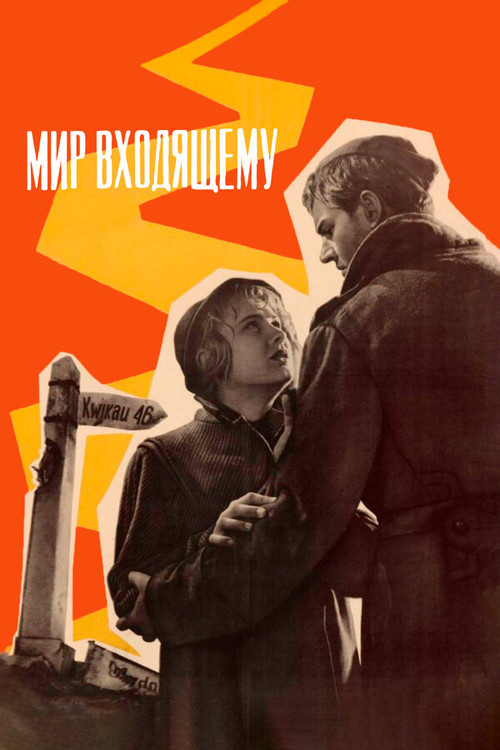
Pregnant German woman is trapped behind Russian lines. When she goes into labor, three Soviet soldiers deliver her to a field hospital: a newly graduated officer, an affable truck driver, and a soldier shell-shocked into muteness. The dangerous trip to the hospital ends up a rite of passage for all concerned.
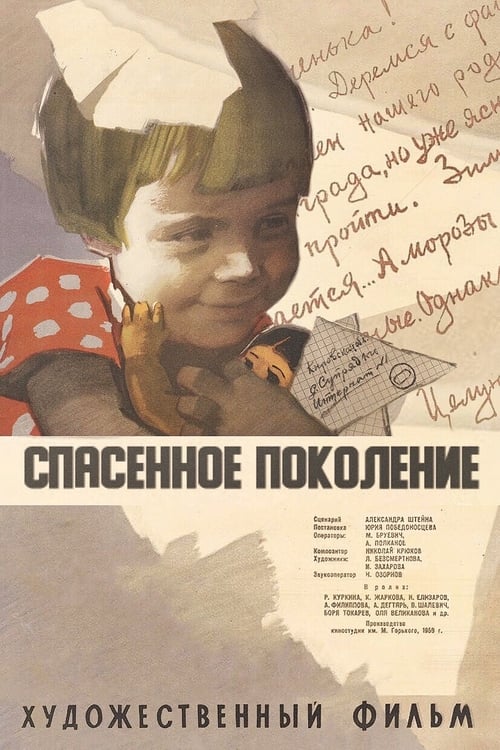
Antonina Vasilyevna, as a member of the bureau of the district committee of the party, was instructed to save the Leningrad children, whom the war overtook in the suburban camps. She took them to the Kirov region. After twelve days of hard travel, the children arrived in the village of Supryadki...
A story of a four sons of a big Ivanov family who are trying to start their own independent life.
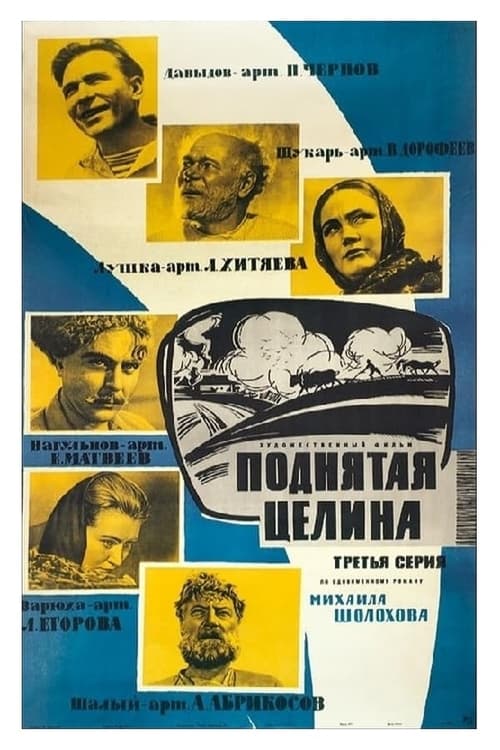
The movie is based on the the same name novel of the Nobel Prize In Literature Winner Mikhail Sholokhov. The action is taken place in 20-30-s years of the XX century in the Russian countryside going through an uneasy process of collectivization.
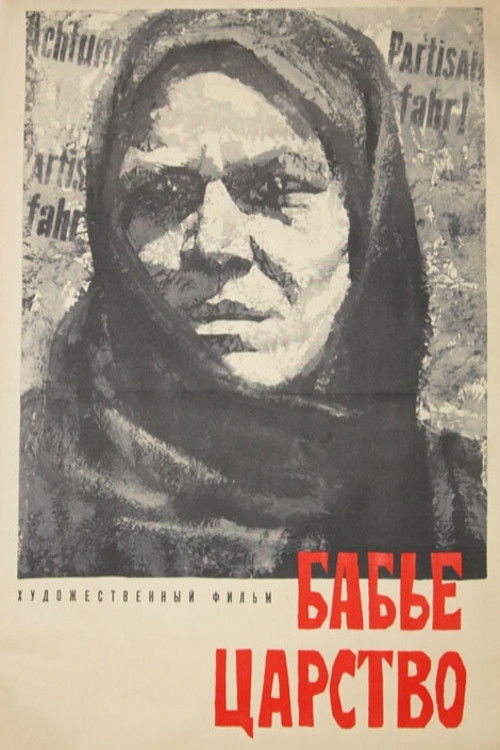
A story about Soviet women and their village set during the years after WWII.
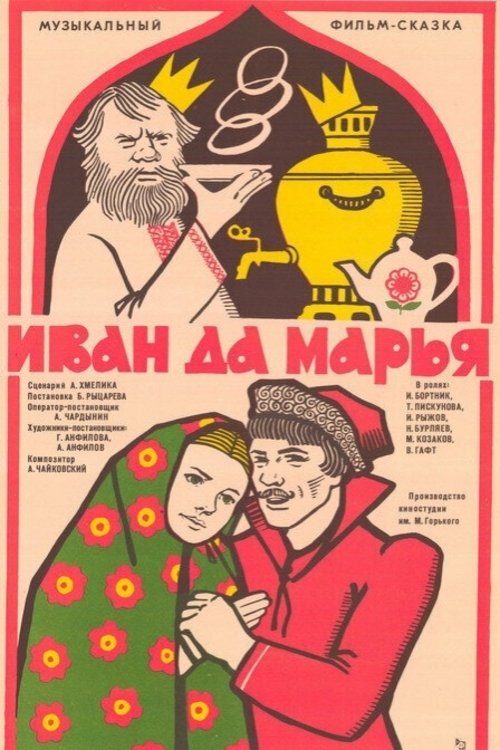
Between the king and the soldier Ivan a serious dispute occurs. A seasoned soldier, of course, takes precedence over the quarrelsome sovereign. But until then happen in the Kingdom a lot of unusual and fun…
No description available.
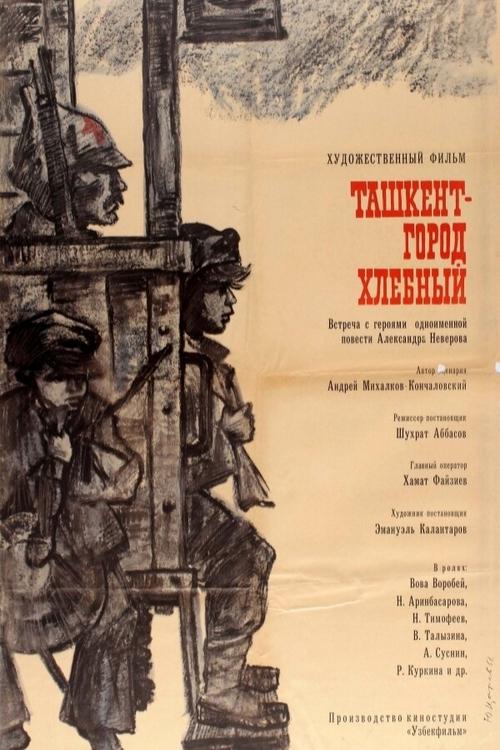
Beautifully shot in black and white, and scripted by Tarkovsky's collaborator Andrei Konchalovsky, this powerful melodrama tells the story of a young boy who undertakes the perilous journey to Uzbekistan's capital Tashkent, to earn some money for his hungry family. Filming in the periphery of the Soviet Union, in a time of relative political relaxation, director Shukhrat Abbasov actually dared to depict the poverty and famine that resulted from the Bolshevik Revolution.