Acting
Tatort is a long-running German/Austrian/Swiss crime television series set in various parts of these countries. The show is broadcast on the channels of ARD in Germany, ORF in Austria and SF1 in Switzerland.
Bibi Blocksberg is a normal little girl - although she can do magic she still has a lot to learn. She's always full of entertaining ideas, one little "Wizz-wizz" and a problem is solved or maybe it's just the start of one.
Es muss nicht immer Kaviar sein is a TV adaption of a novel of the same name by Austrian author Johannes Mario Simmel. Directed by Thomas Engel Siegfried Rauch walks in the footsteps of O. W. Fischer who played the protagonist "Thomas Lieven" already in 1961, just one year after the bestseller had been released. The series is unique for providing a little cooking show at the end of each episode. The book also includes recipes because "Thomas Lieven" is an accomplished amateur cook.
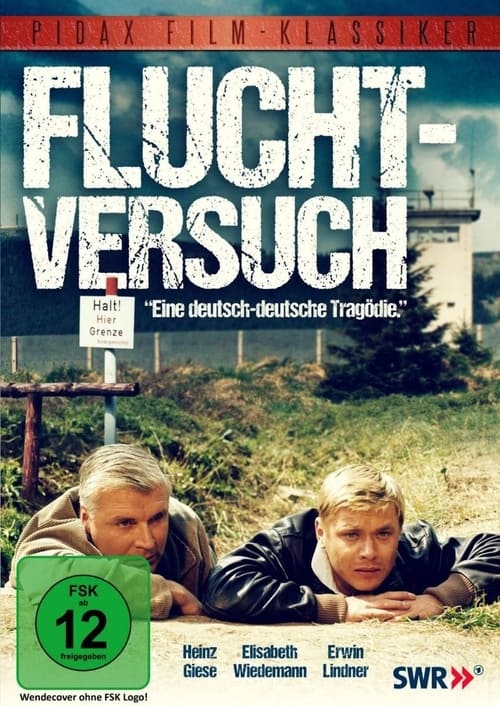
1964. Germany is divided into two states. On a fateful day, two trucks drive towards each other. One comes from the west and transports industrial goods to Berlin. The other comes from the east and has a far more explosive cargo: four people who can no longer bear the inhumane SED regime and want to escape to freedom in an armored vehicle. The occupants of the trucks are still unaware of each other, but fate is driving them inexorably towards each other. They meet at the Wartha border crossing. The East German border guards order the West German truck drivers Lindner and Bleicher to park their truck across the road to stop the fugitives.
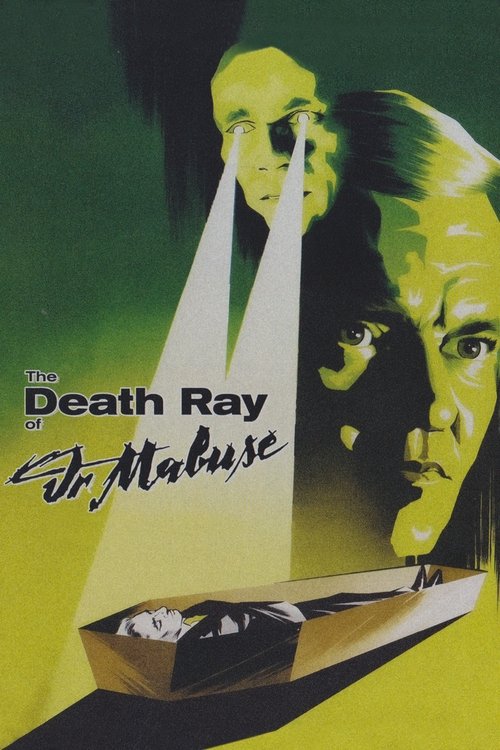
The evil Dr. Mabuse develops a death ray with which he threatens the world.
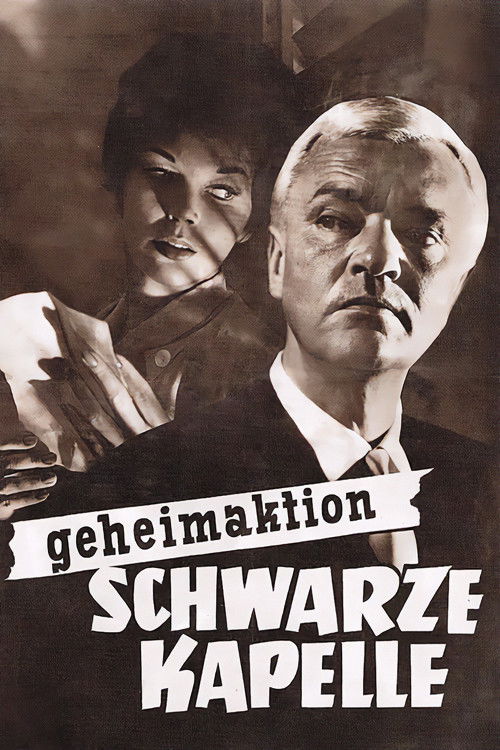
1933 in Germany. The rise of Nazism fears war and some officers, concerned the fate that hostilities would reserve to their country, organize an anti-Nazi group. They send a reporter, Golder, to communicate the plan of the German offensive allies.
No description available.
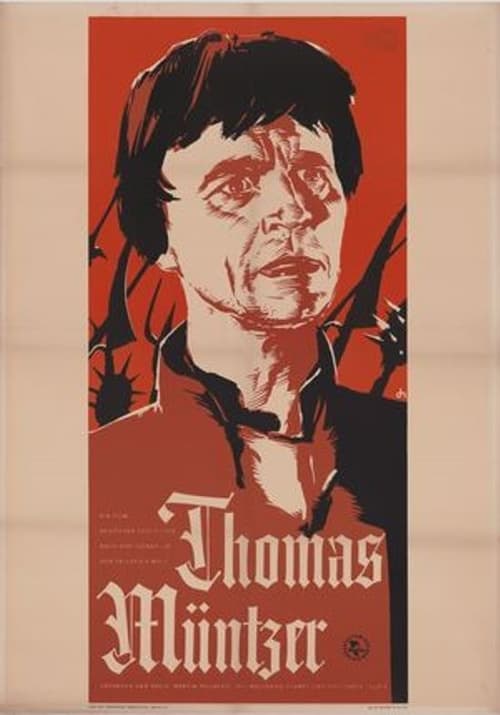
In 1523, young Thomas Müntzer arrives with his wife Ottilie in the Thuringian village Allstedt to assume the rectorate. As a follower of Luther′s teachings, he finds in the Bible not only reasons for clerical, but also for secular reforms. But when Luther turns away from the rural population after a discord with Müntzer, it is Müntzer who becomes the peoples′ spokesman. He is forced to go to Southern Germany, where he convenes with revolting farmers. But his way leads him back to Thuringia. In 1525, he and Heinrich Pfeiffer form the centre of the Thuringian peasant uprising in Mühlhausen, but their success is diminished by the fact that peasants and craftsmen don′t seem to be able to work together. In Frankenhausen, Müntzer becomes the leader of a peasants′ army that is set to fighting the ruler′s army – and sustains a devastating loss. Müntzer is arrested and sentenced to death by decapitation for his insurgency.
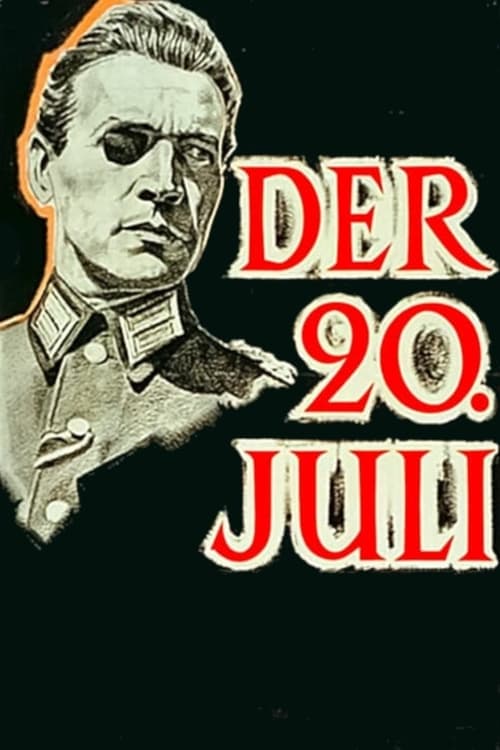
A disillusioned Wehrmacht officer named Colonel Claus von Stauffenberg and his co-conspirators attempt to assassinate Adolf Hitler on 20 July 1944.
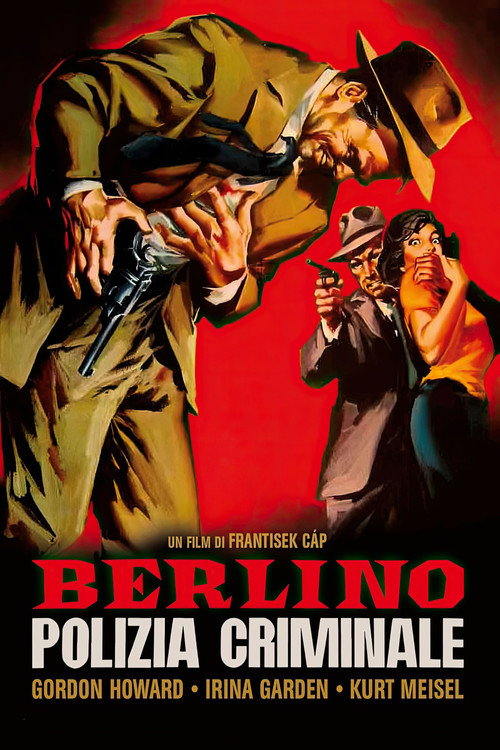
The plot revolves around a gang of criminals, mostly former guards of Auschwitz, who print and distribute counterfeit U.S. currency in Berlin after World War II.
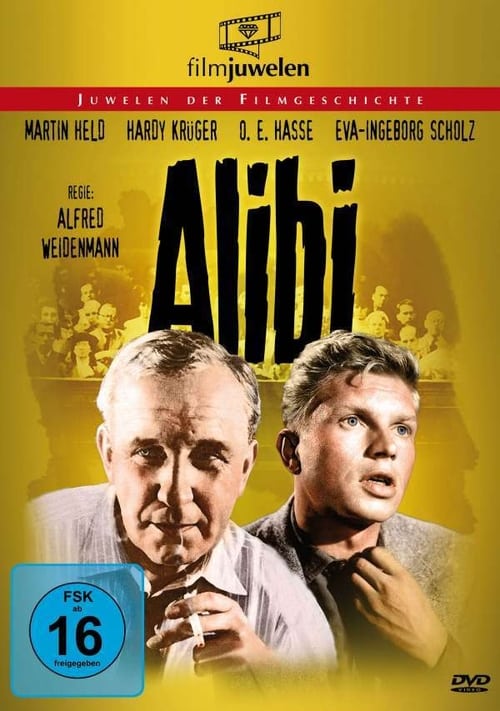
An industrialist's wife was killed and now her lover is accused of murder.
The Investigation (1965) is TV version of a play by German playwright Peter Weiss that depicts the Frankfurt Auschwitz Trials of 1963–1965.
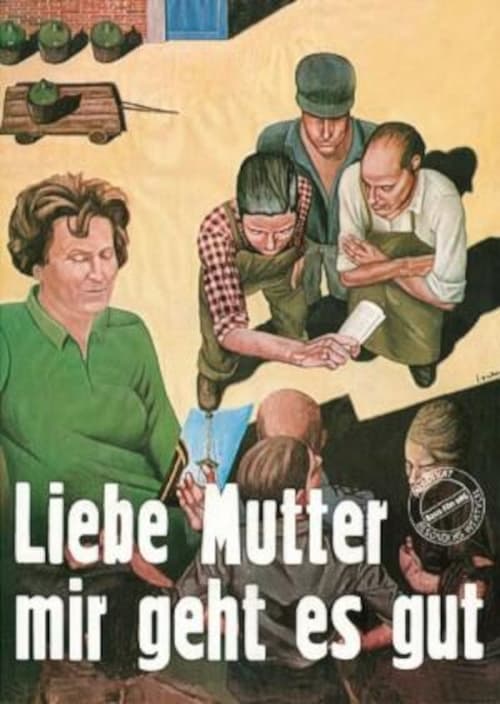
The unemployed machinist Alfred "Scheff" Schefczyk moves from Württemberg to West Berlin full of hope, where he finds a job as a transporter. There, however, he despairs at the seemingly insurmountable dependency structures and the lack of solidarity among his fellow sufferers. The rent in the workers' hostel is raised disproportionately, but nobody wants to mess things up with the landlord or janitor. At work, piecework hours are tightened, but nobody wants to go on strike, and when they do, they are quickly crushed by the management's tactics. When Scheff tries to mobilize against the dismissal of one of the delegates, he finds only one worker willing to sign. "Dear mother, I'm fine," he nevertheless writes on a postcard.
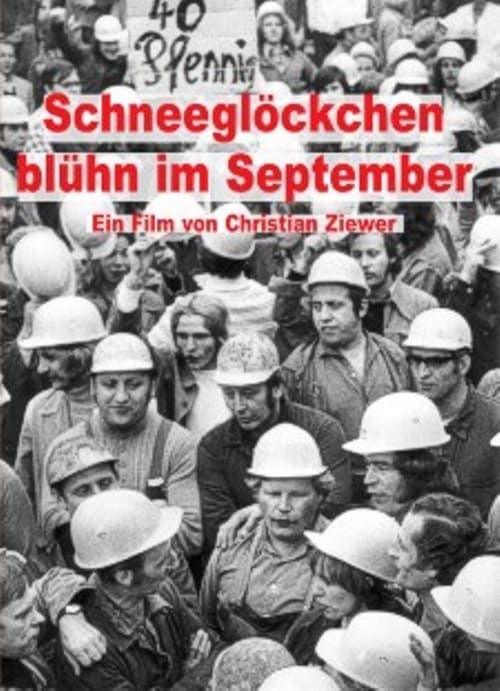
This feature film describes the labor dispute of a piecework crew in a large German industrial company and its workforce against the background of the "September strikes" in Germany.