
Mako Idemitsu
Directing
Biography
Experimental video artist Mako Idemitsu creates domestic narratives, that examine female identity within the context of the contemporary Japanese family. Echoing and subverting the popular melodramas of Japanese television, she applies a women's liberationist critique to her fictions of the psychological "family romance." Dramatising the strict gender roles that shape mother-child and husband-wife relationships, she explores the role of women in a patriarchal, mediated culture.
Known For
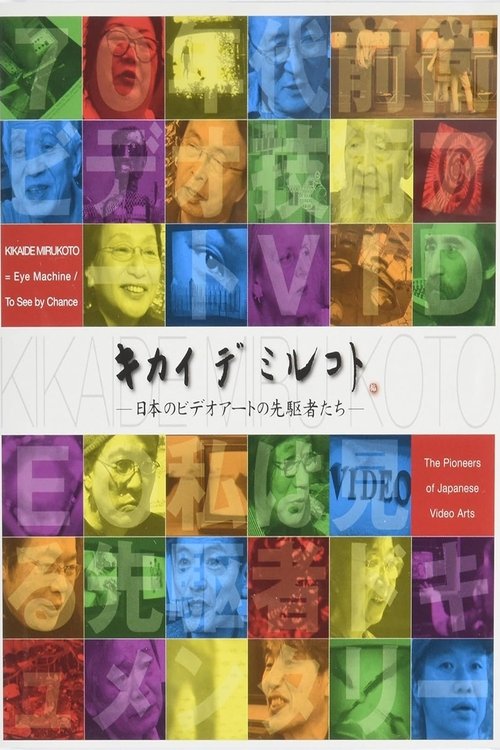
Video began as a medium that inspired discovery. This art documentary traces the expressive roots of “media art” in Japan — works of video, performances, and installations created using video technology that allowed for free and creative visual expression.
KIKAIDE MIRUKOTO = Eye Machine / To See by Chance –The Pioneers of Japanese Video Arts–
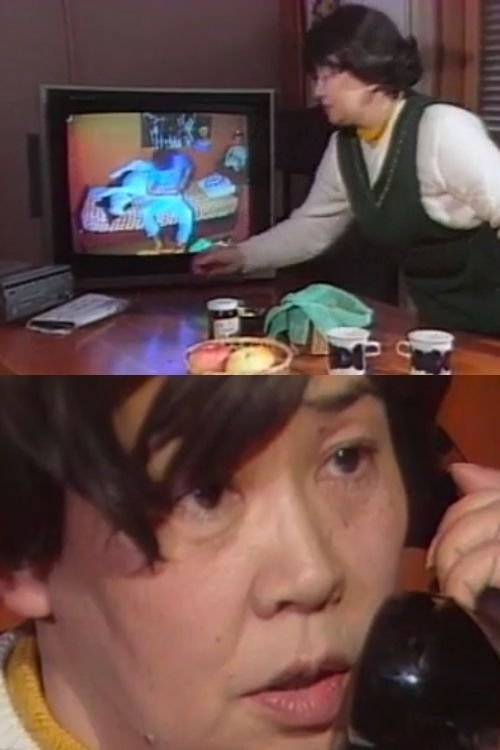
HIDEO, It's Me, Mama is a psychological melodrama that introduces narrative and structural devices that are integral to Idemitsu's work. Exploring the flawed universe of the contemporary Japanese family, she focuses on a woman's identity as mother through mother-child and husband-wife relationships. Hideo, a young man living away from his parents, is kept under constant surveillance by his doting mother via an omnipresent television monitor. In a cogent metaphor for familial relations in the media-saturated culture of contemporary Japan, Mama can only communicate with her beloved, absent son through the video screen. Idemitsu's poignant irony is embodied in the scene in which Mama, blind to her husband's needs, caresses Hideo's video image. (Electronic Arts Intermix)
Hideo, It's Me, Mama
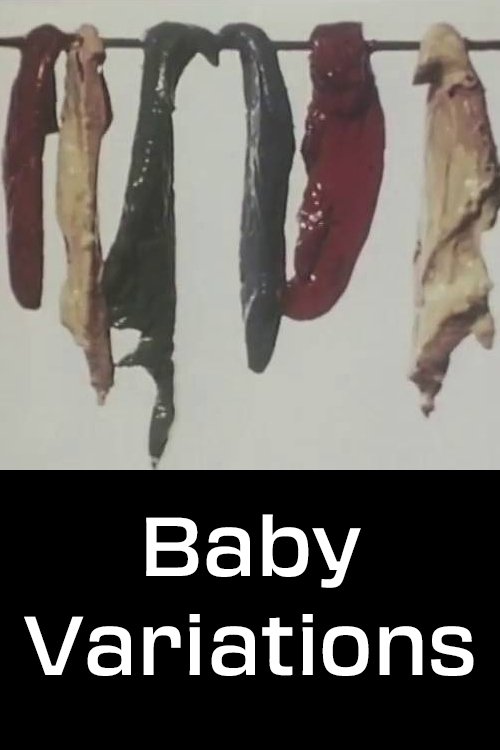
The film shows vivid close-ups of a liver with the background music of “My Baby” by Janice Joplin.
Baby Variations
No description available.
Great Mother (Sachiko)
In Idemitsu's seminal women's liberationist video, the image of a tampon swirling in a toilet bowl slowly appears, as the artist speaks about the troubling roles, responsibilities and expectations of women in a clinical tone. Minimal in composition, What a Woman Made is a candid critique of the treatment of women in Japanese society.
What a Woman Made

The psychosexual drama Yoji, What's Wrong With You? examines the identity of women as mothers in Japanese culture, through an Oedipal narrative of a skewed "family romance." When Yoji announces to his mother that he wants her to meet a new girlfriend, the mother's jealousy destroys the relationship. Idemitsu's signature device of using a television monitor within the domestic space works as a powerful metaphor for the ubiquity of the mother in Yoji's psychological life. Idemitsu's melodramas always articulate a double-edged irony: With no identity outside of her maternal role, Yoji's mother fastens onto her son, ultimately destroying him. Yoji himself is seen as emotionally stunted, unable to leave his mother or experience love for any other woman.
Yoji, What's Wrong With You?

This film shows lofty sentiments with music by Aki Takahashi. Idemitsu’s mental images are beautifully and sensuously filmed; a mass of snails intertwined as if copulating in a group; scarlet petals; curtains swing in the wind.
Something Within Me
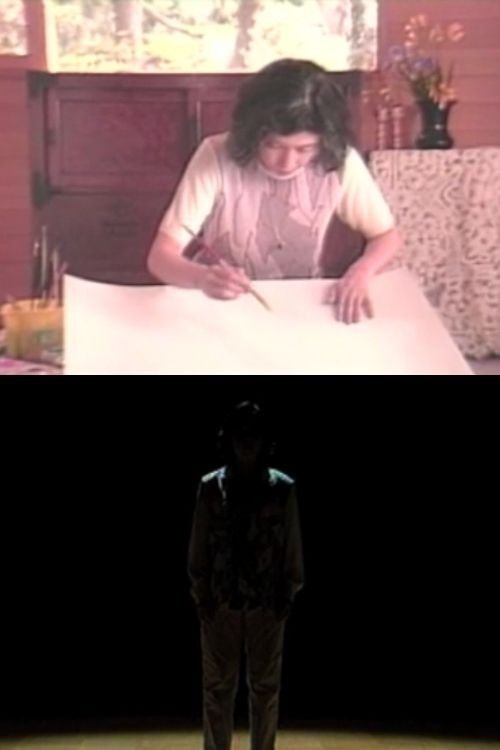
In Kae, Act Like A Girl, Idemitsu continues her experimental narrative exploration of women's roles in contemporary Japan with a tale of women's liberationist awakening. Here she presents a young female artist's conflict with the traditional, patriarchal expectations of women in Japanese culture, in which men are privileged and women are groomed to be wives and mothers. Within Idemitsu's narrative, video screens and images represent the protagonist's inner struggle — memories, conscience, familial pressure — as she subordinates and then ultimately achieves her personal and artistic desires.
Kae, Act Like A Girl
1983 art piece by Mako Idemitsu
Great Mother (Harumi)
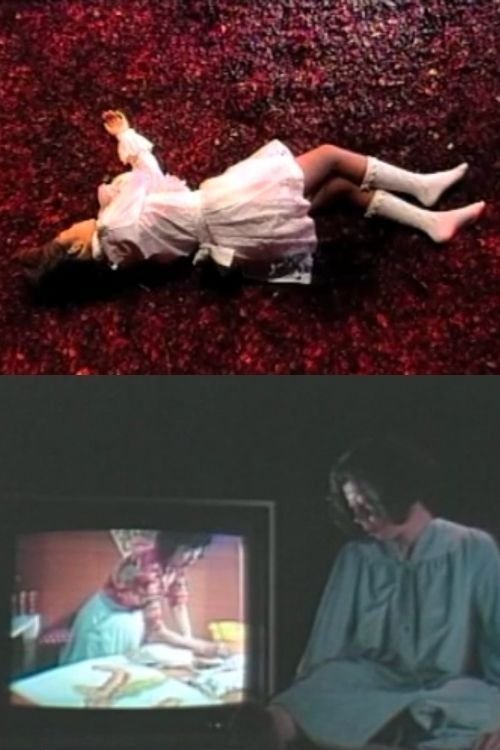
Kiyoko's Situation articulates the deeply embedded cultural roles of Japanese women through the parallel stories of two female artists, Kiyoko and Tani. In Idemitsu's narrative-within-a-narrative, "Kiyoko's situation" is played out on a television monitor within Tani's drama. Tani is paralyzed in her attempts to paint by her feeling that, as a single woman, she has failed in society's eyes. Kiyoko, a young mother viciously criticized by her husband and family for her fierce determination to paint, eventually compromises her art for "maternal duty." As Kiyoko complies with the family, Tani, isolated and despairing, is driven to suicide. Idemitsu's chillingly omniscient television monitor, which acts as the psychological "other," metaphorically and literally condemns Tani to death. In the final cruel irony, she hangs herself, using the television monitor as a jumping-off point.
Kiyoko's Situation
Idemitsu handed four women who frequented the feminist gathering space Hōkiboshi a video camera to record whatever they wished as Idemitsu also recorded their actions. The whole group then watched all five videos on five monitors, which Idemitsu then also recorded.
Women
Today, Japan is envied by the world for her economic prosperity, which however, has resulted in producing this sort of average family. Its contains a wife who has to serve her husband, a preoccupied businessman, and who showers all her attention on her child who is also left behind at home with the mother. The child, especially a son, becomes a replacement for her husband. Mother and son share an intimate life like lovers at home without the husband. It seems that this is such a common occurrence that Japanese society ignores this video work. Those that are envious of the Japanese economic success will become less so if they see this work and realize what this real phenomena in Japanese society is like.
The Marriage of Yasushi
Attempt for new expression using video camera and monitor. This video reminds us of video camera and monitor; mirror and image, and history of woman and makeup.
Make up
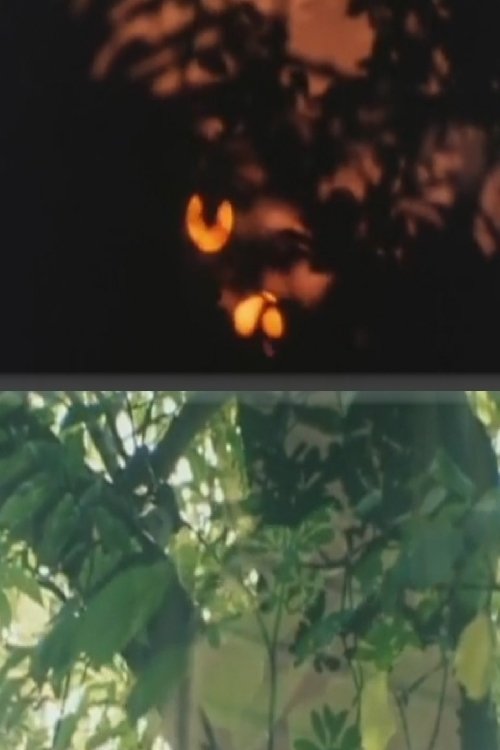
Whispering Light, 1985, film, 10:50 min, color In this emblematic personal film, light and shadow of plants is successfully constructed over the subjective gaze of the narrator who is working through her mother’s death.
Whispering Light
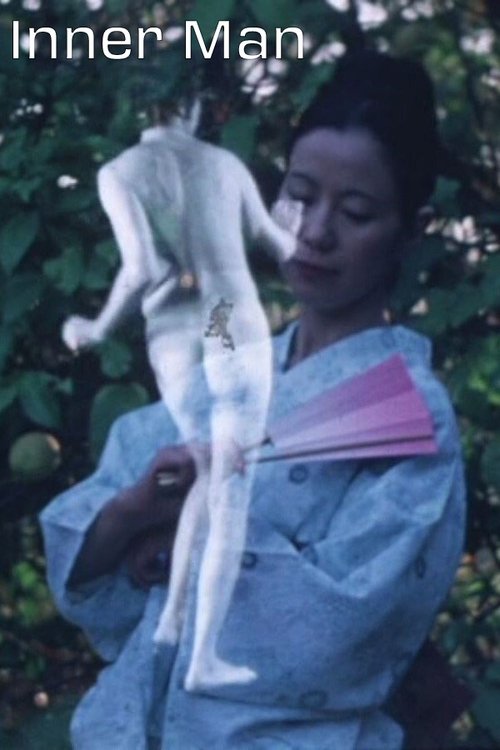
This film shows the images of a dancing woman who is wearing Kimono overlapping another image which a naked man is dancing. This is one of the original psychological concepts of C.G. Jung. For women, Animus is an image of a man by projection of her mental energy.
Inner Man
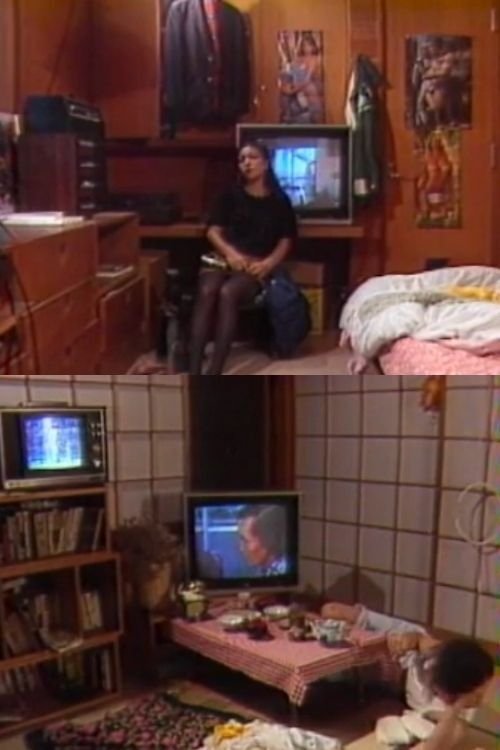
The second part of a trilogy, Great Mother (YUMIKO) is a domestic melodrama that examines the cultural and familial role of Japanese women by tracing the psychology of a turbulent mother-daughter relationship. Yumiko, a rebellious young woman from an affluent family, encounters resistance from her mother, a successful career woman, when she becomes pregnant and marries. The mother is an icy, assured presence, seen only on a television screen as a superego who monitors Yumiko's behavior. The television becomes a powerful metaphorical device, underlining the disunity of the familial structure and acting as a psychological presence. As Yumiko's marriage deteriorates, her pain is juxtaposed with the banal rituals of her mother's life (instructing her subordinates at work, scrubbing the floor at home), an irony ultimately heightened by the viewer's awareness of the reflexivity of this drama-within-a-drama.
Great Mother (YUMIKO)
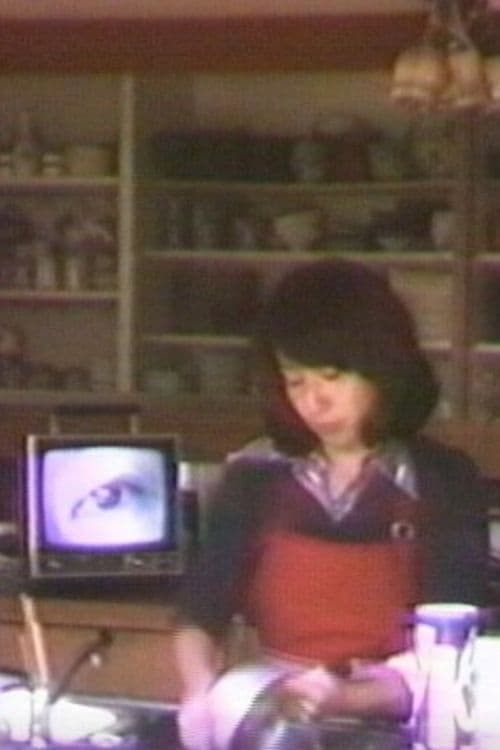
A woman performs domestic chores, watched by a television displaying the image of her own eye. The home is recast as a space of surveillance, control and repetitive labor.
Another Day of a Housewife

This film was made for a 3 minutes film festival held in Japan. A cup noodle is ready in 3 minutes.
At Any Place 2
One of a series of Idemitsu’s works which deal with housewives buried in everyday life. Idemitsu overlapped a 16 mm work that had Yoneyama Mamako pantomiming in her “Tango of a Hosewife” for the Commemoration of the International Women’s year, 1975. Behind Mamako pantomiming as a housewife, there are clouds, sunsets and bonfires.
At Any Place 4: From the Tango of a Housewife by Yoneyama Mamako

At Any Place 1, 1975, film, 16 min, color. Casted over the sky, images of people are suggested as shapes of clouds