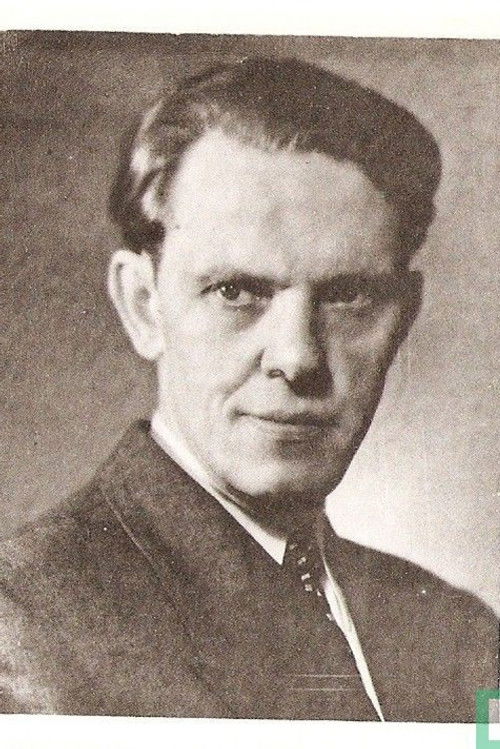
Gaston Vandermeulen
Acting
Biography
Gaston Vandermeulen was born on 14 September 1904 in Mechelen, Belgium. He was an actor and director, known for Merijntje Gijzens jeugd (1974), Wij, heren van Zichem (1969) and Te Venetië als in de hemel (1966). He died on 5 July 1984 in Mechelen, Belgium.
Known For
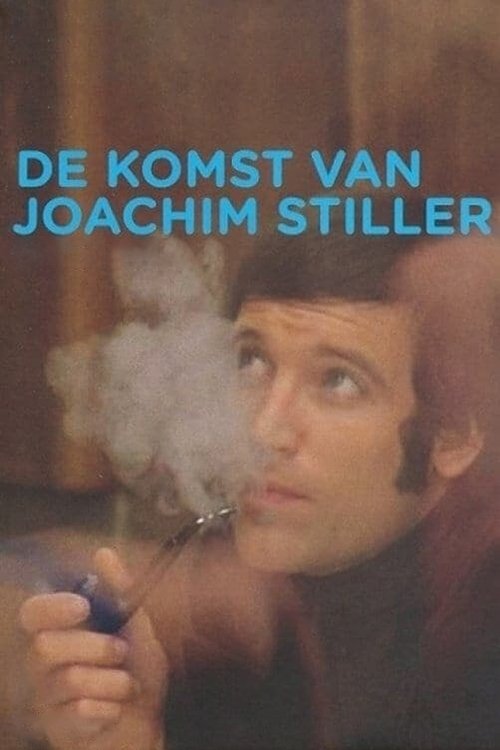
An Antwerp journalist finds his daily life increasingly disrupted by unexplained phenomena, such as an authentic letter from 1919 that refers to an event taking place at a much later date. Because these disturbances are consistently linked to the name “Joachim Stiller,” the journalist becomes obsessed with it. The resolution, which is closely tied to his traumatic experiences from the Second World War, takes place with a psychiatrist—and later at an abandoned railway station in an Antwerp suburb. Interwoven with this is a subplot about an Antwerp art dealer who believes he can become rich through a new form of painting. To achieve this, he takes a mentally disabled artist hostage. The narrative also follows various romantic entanglements involving the journalist, which ultimately lead to his happy experience of fatherhood.
The Arrival of Joachim Stiller
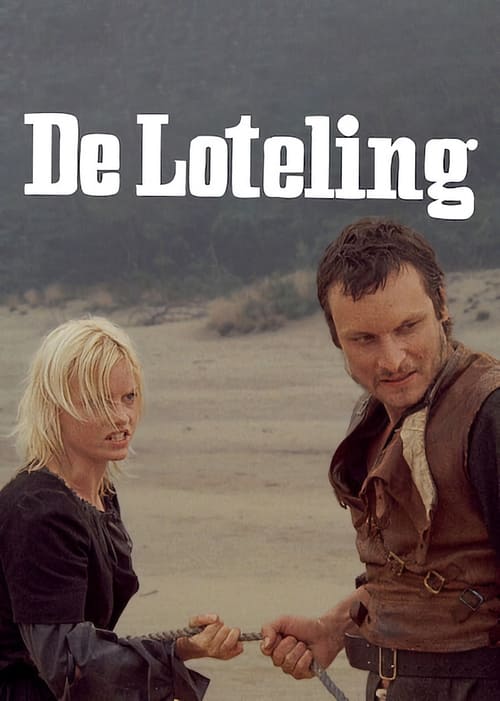
In 1833, when the fledgling Belgian kingdom still fears a Dutch invasion, recruits were selected annually from an age cohort by a draw of lots in each locality. In this grim, then contemporary drama by the 'father of Flemish literature', Hendrik Conscience, Jan Braems, a poor and naive farmers-boy, accepts the not uncommon offer by a rich family to sell his lucky ticket (out) to their son for a hefty sum compared to the miserable labor wages at the time. Army life is even harsher then a farmhand's, especially for a Dutch-speaking an-alphabet who simply can't understand his francophone superiors, and Jan's nature is not complacent enough for military discipline even by todays standards, so he soon gets into all kinds of trouble, including gambling his capital away and a venereal disease. When his girlfriend back home goes looking for him, her life is doomed as well.
The Conscript
This historical costume drama is a mini-series on the life of Flemish first-rate Baroque painter Pieter Pauwel Rubens (1577-1640), whose artistic success throughout Europe not only made him a fortune allowing him to stock his Antwerp residence ('Rubenshuis' in Dutch) and a castle at Elewijt, in the countryside nearer Brussels, with numerous fashionable treasures, but also became an ennobled diplomat for the Spanish Hapsburg rulers of the Southern Low Countries (now Belgium), who often traveled, for painting commissions and/or diplomatic missions, to and worked in Italy, France, Spain, all Catholic powers, as well as protestant England and the United Provinces (mainly Holland), also allowing him to meet other prominent contemporaries such as artists. It further covers his marriages to Isabella Brandt and Hélène Fourment.
Rubens, schilder en diplomaat
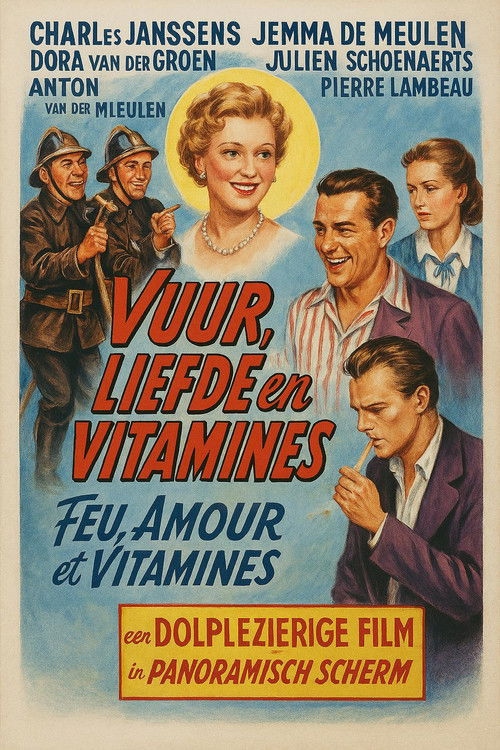
The film follows the occasionally slapstick misadventures of Sergeant Sestig, a fire brigade sergeant and widower, with his attractive daughter Martje by his side. At one point, three women attempt to woo him as a husband, but after a whirlwind of panic-filled complications, Sestig decides, with quiet resolve, to remain a dedicated firefighter—and a widower..
Fire, Love and Vitamins
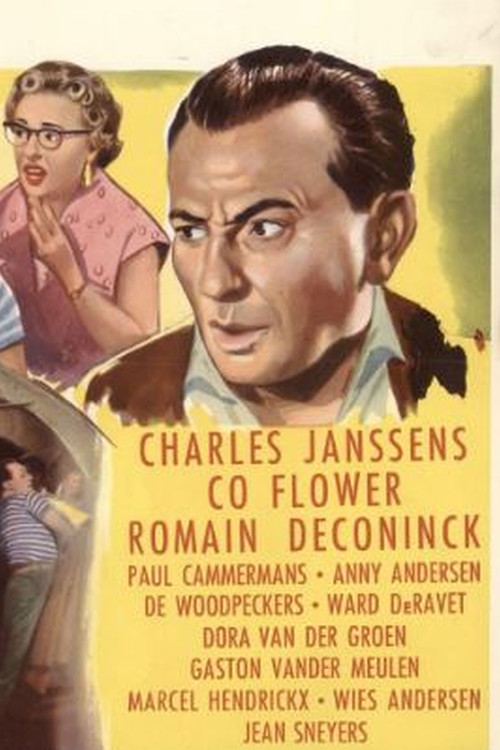
Five rather frivolous musicians seize the opportunity to perform on a cruise in the Mediterranean. Alas: they are under contract to engage a female singer - and they fear to fall in love with her, which would endanger their friendship.
What Do We Do With Love?
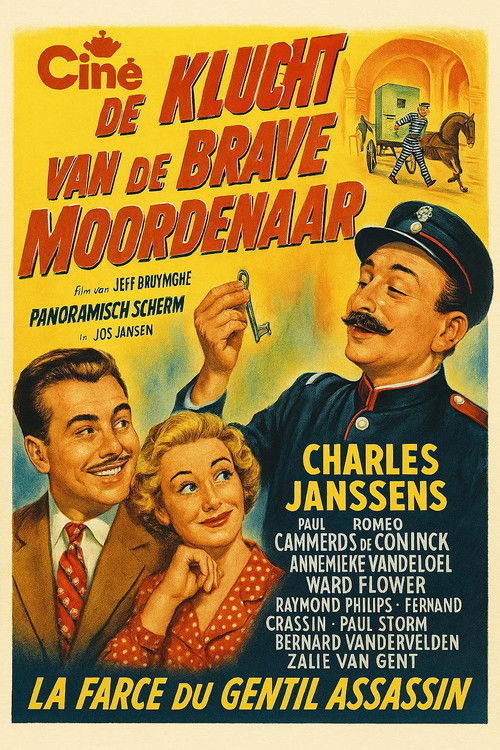
The film follows a prison warden (played by Charles Janssens) who is utterly miserable because his prison is empty. When Max (played by Paul Cammermans) is mistakenly arrested for murder, the warden is thrilled to finally have a "guest." A delightfully absurd situation ensues, with the warden looking after his prisoner like a doting father. In the end, Max is proven innocent and marries the warden’s daughter. Based on the play of the same title by Jos Janssen.
The Tale of the Good Murderer
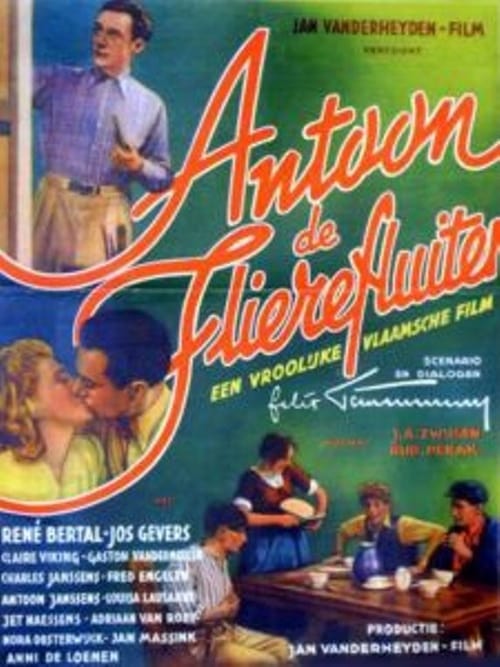
There is a beautiful windmill near Winkelbroek. The miller is Wannes Coppens, someone who knows all the ways, but especially the detours, to achieve his goal. He is particularly proud of his son Antoon. He is a teacher, conductor of the brass band, painter... and has the reputation of being the biggest joker in Winkelbroek. Through Antoon's marriage to Louisa from the brewery, the miller hopes to regain possession of a piece of land. But the old brewer is unyielding. Wannes then takes a detour via the mayor.
Antoon, de flierefluiter
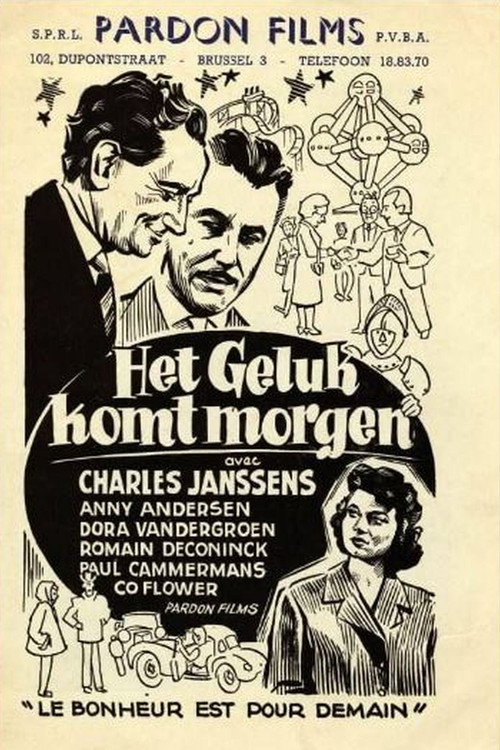
Each year Thomas goes an a pilgrimage but he has more difficulty to complete it, but then he is offered a footbath that appears to contain a miracle drug. Wouldn't this make a huge seller during Expo 58 in Brussels... .
Het geluk komt morgen
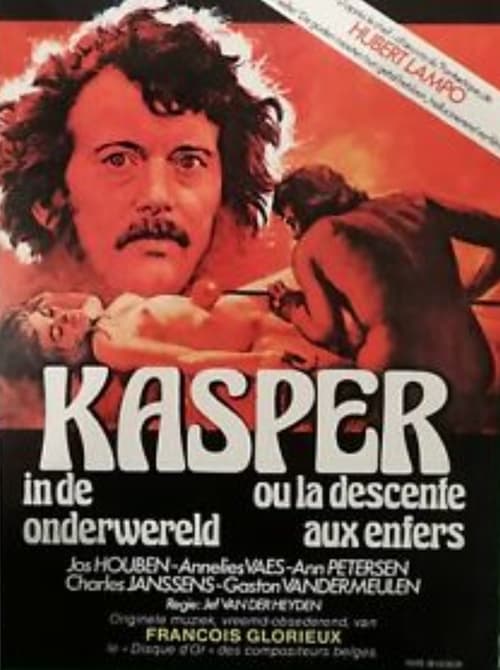
In this atmospheric psychological drama by Jef van der Heyden, concert pianist Kasper Bertheim lives under psychiatric care in Geel, haunted by the memory of a woman he believes has vanished into the underworld. After witnessing a funeral, he leaves his foster home and wanders through a surreal cityscape that seems suspended between life and death. Along the way, he encounters workers, drifters, priests and other outsiders who guide him deeper into his obsessive search. Adapted from a novel by Hubert Lampo, the film blends psychological drama with magical realism, creating an ambiguous world where madness, grief and imagination merge, and where it remains uncertain whether Kasper’s visions are delusions or glimpses of another reality.
Kasper in the Underworld
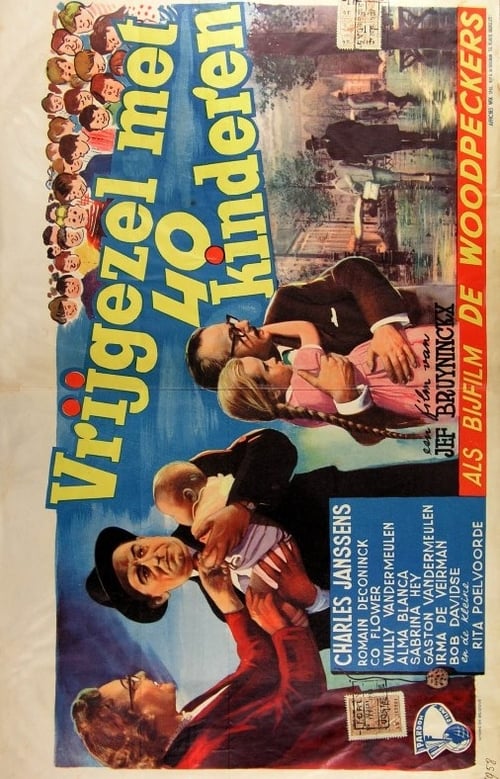
Isidoor lives with his niece and a housekeeper in a little provincial town. One day he receives a letter: he is to be the heir of a distant and wealthy relative. There is only one condition: he has to go and live for a year in "Home lux et vita", otherwise he will loose his inheritance. The home is a home for abandoned children and now this bachelor becomes the father to 40 children...
Bachelor with 40 children
An unknown sailor unravels the mystery of the Black Ponds marshes. People and animals have been disappearing there since time immemorial. Inspired by Jean Ray’s short story of the same name and introduced by Jacques Brel.