Hendrik Conscience
Writing
Known For

A tale centered on the Battle of the Golden Spurs in 1302 where the Flemish rank and file won a major victory over the glorious French knights.
The Lion of Flanders

In 1833, when the fledgling Belgian kingdom still fears a Dutch invasion, recruits were selected annually from an age cohort by a draw of lots in each locality. In this grim, then contemporary drama by the 'father of Flemish literature', Hendrik Conscience, Jan Braems, a poor and naive farmers-boy, accepts the not uncommon offer by a rich family to sell his lucky ticket (out) to their son for a hefty sum compared to the miserable labor wages at the time. Army life is even harsher then a farmhand's, especially for a Dutch-speaking an-alphabet who simply can't understand his francophone superiors, and Jan's nature is not complacent enough for military discipline even by todays standards, so he soon gets into all kinds of trouble, including gambling his capital away and a venereal disease. When his girlfriend back home goes looking for him, her life is doomed as well.
The Conscript
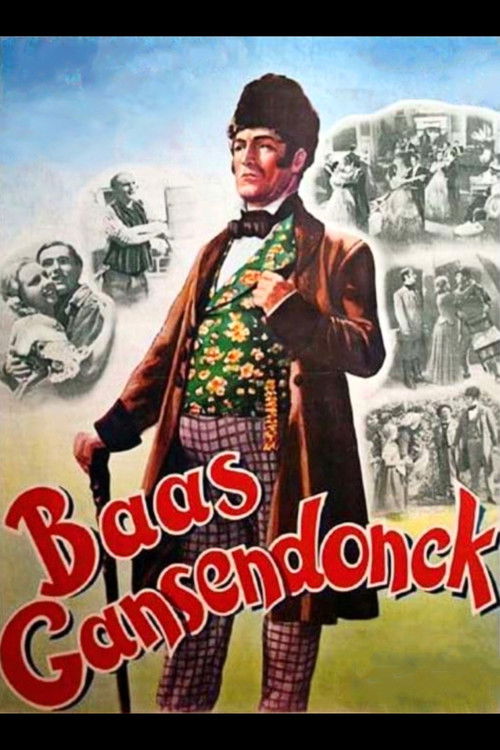
Around 1850 Baas Gansendonck who has an inn looks down on the farmers. He wants his daughter Lisa to marry the baron of the village. But she is in love with Karel, the son of a simple brewer.
Baas Gansendonck
Around 1860 in the Kempen region. Baas Gansendonck, the landlord of a village inn, feels far superior to the farmers and imagines himself to be of noble birth. His daughter Liza has always remained simple, but suddenly he finds her fiancé Karel, the brewer's son, beneath her. Gansendonck tries to marry his daughter to the baron, but after a fight to save Liza's honor, Karel ends up in prison. Meanwhile, Liza wastes away with grief.
Baas Gansendonck
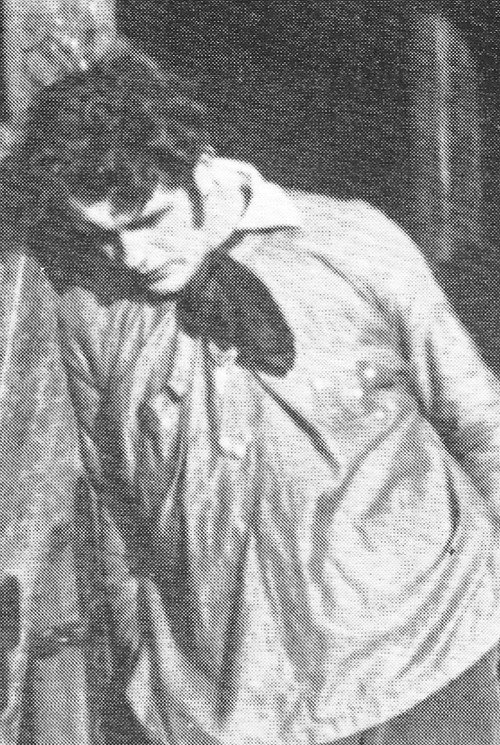
Karel is in love with Liza, the only daughter of Baas Ganzendonck. Ganzendonck is a snob who dreams of luxury and nobility. Although he is a farmer himself, he wants to separate himself from the simple country folk, unless they show him the admiration he believes he deserves. He sent Liza to a French boarding school, but she has always remained humble. Ganzendonck blunders again and again, and although he does not understand a word of French, he can listen for hours to the French-speaking son of the baron. The baron’s son finds Liza’s presence an amusing distraction. The jealous Karel gets into a fight with the baron’s son and injures him severely. The police throw Karel into prison, and Liza, whose health was not very strong, dies of grief shortly thereafter