Albert Samama Chikly
Directing
Known For
A herd backs into a dusty courtyard. The sheep, on the ground with their four legs bound, are quickly and skillfully shorn. The animals, now without their fleece, leave one by one, leaping over a narrow channel to allow the shepherds to count them. Everything is crystal clear, efficient, encouraging in a sense – and this goes for both the shearing and the film. Except for the final panning shot of the men grinning at the camera and brandishing shears ready to be put to use. –Andrea Meneghelli
Sheep Shearing in Tunisia
The daughter of a local authority is in love with a poor minaret crier and resists a rich man from Tunisia.
The Girl from Carthage
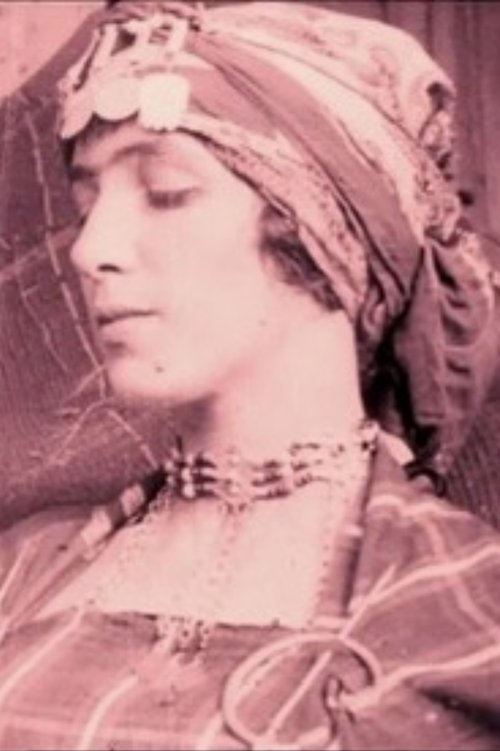
Saved from shipwreck, a little girl is taken into the protection of the North-African tribal chief and named "Zohra".
Zohra
No description available.
Concours de motoculture de tunis
In 1908-1909, Albert Samama Chikli sold his negatives mostly if not exclusively to the short-lived Le Lion company. Shot in 1910 and released in January 1911, Industrie agricole arabe was possibly the first negative he sold to Gaumont, marking the beginning of a long collaboration. Hidden in a longer compilation edited in the 1920s by Gaumont for educational purposes, negative material of the film has recently been rediscovered and identified with the help of frame enlargements and contact prints of film frames in the Albert Samama Chikli Archives. La Figue de Barbarie, the opening part of the four parts of Industrie agricole arabe, is a perfect example of Samama’s filmmaking: informal, lively, direct, human and devoid of orientalism or pictorialism. –Mariann Lewinsky
Arab Agricultural Industry
German prisoners in Tunisia turn around and walk in step through a military camp, with their tents visible in the background. They roll barrels on the ground, spread concrete using shovels, and unload wagons full of earth and stones. The prisoners walk in a row in front of a large door supervised by French soldiers, who nearly approach the camera.
German Prisoners in Tunisia
Since creatures of the sea are one of our vital sources of nutrition, fishing has always been a testing ground for the ingenuity of our species, which is notoriously ill-suited to the water. Before fishing was transformed into an industrialised process, regional variations in practice were a cultural fact. A film such as this, which demonstrates three distinctly different practices, is a precious thing. –Andrea Meneghelli
Fishing on the Tunisian Coast
For centuries Tunisia was the leading producer of Mediterranean commercial sponge, which was one of the country’s most important export goods. When, in 1911, Albert Samama Chikli travelled to Libya to film the Italian-Turkish war from behind the Ottoman front, he shot on his way footage for several films that he later sold to Gaumont. In Zarzis, a peninsula south of Djerba in the Gulf of Gabès he documented the traditional sponge industry, from the diving to the sales negotiations on the market. Sponges! Where have you gone? You were the divinities of our childhood bathrooms, you were in every house. We were washed with sponges and played endlessly with them, marvelling at their marvelous capacity to hold so much water and to release it when pressed. –Mariann Lewinsky
L'industrie des éponges
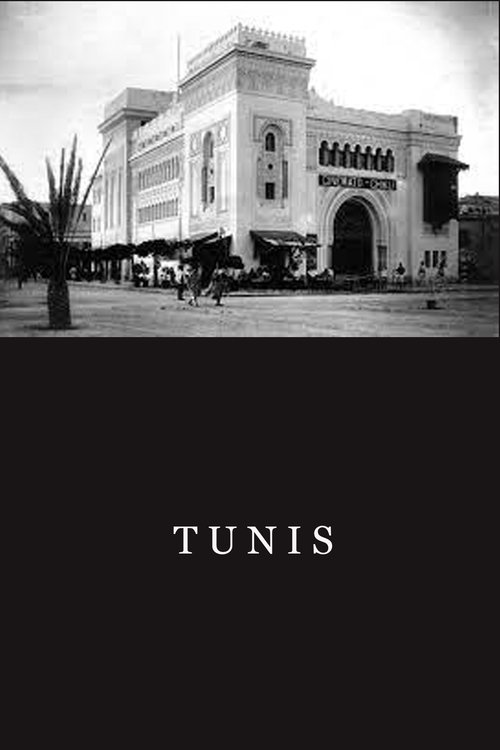
An early documentary by Tunisian film pioneer Albert Samama Chikly who lovingly documented Tunisian culture, and filmed over Tunis from a balloon in 1907.
Tunis
We see views of olive trees, women in the village, a street scene, a mosque, and the central marketplace with many passersby. Chikli's camera captures the narrow streets and whitewashed houses. We move to the olive grove, where children in the trees shake the branches and pick the olives. A boy smiles mischievously at the moving camera but we also feel the difficulty and intense repetition of his labor. A donkey carries baskets of olives. Men stand in line on a dirt road to receive their payment.
Sousse – Olive Harvest
Oasis in the desert: we see palm trees, camels, and a panoramic view of the village. Men exit a mosque. Women and children assemble and the women prepare a meal--smiling and laughing when they notice the camera. A group of men and children emerge with a camel from an underground gallery. A man harvests fruits from a tree. A woman vigorously crushes the fruit with a stone. A child stomps the fruit with his feet inside a container. The people often look directly at the camera while they work. We see the process of their labor production, followed by views of the old fortress, the citadel, and the village. A woman fetches water from a well in a bucket. A donkey raises a ruckus and causes a scene. A small child smiles and nods while holding the side of his head after a fight, indicating that he did well.